
Pruning
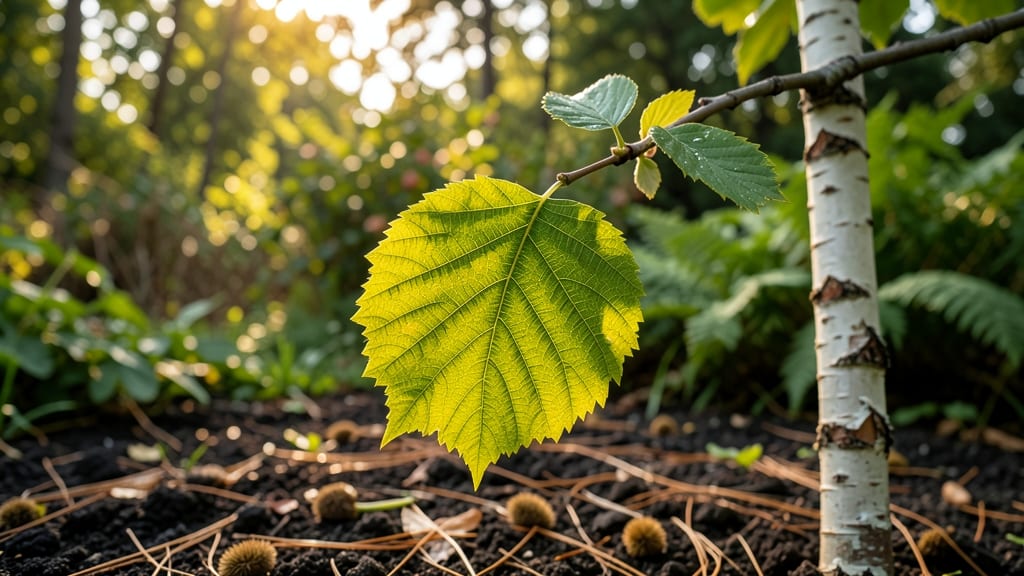
Your river birch tree’s leaf problems might be fixable with just a few strategic cuts. 🌿 The telltale signs—yellowing, browning, or spotted leaves—often point to pruning, pests, or disease, but the right approach can revive even struggling foliage.
I’ve seen birches bounce back from severe damage with proper timing and technique, and you can too.
The key is acting at the right time: late winter or early spring, when the tree is dormant but about to burst with new growth. You’ll need sharp pruning shears, a ladder (for higher branches), and a clean workspace to avoid spreading disease.
Focus on removing dead, diseased, or crossing branches first—they’re the biggest culprits behind leaf stress.
After pruning, you’ll notice fresh green leaves emerging within weeks, and the tree’s overall shape will open up to better sunlight and airflow. This isn’t just about aesthetics; healthy foliage means stronger resistance to pests like aphids and fungal issues like birch leaf spot.
For long-term success, pair pruning with consistent watering and mulching—river birches hate soggy roots but need steady moisture. A 2-3 inch layer of mulch keeps the soil just right, and regular checks for pests or early signs of disease prevent small problems from becoming big headaches.
📚 In This Guide
- What you need
- Instructions
- Tips and common mistakes
- Wrapping up and next steps
What you need
- ● Pruning shears: Bypass pruners (for clean cuts on small branches, 3–6 inches in diameter). Quantity: 1 pair.
- ● Loppers: Long-handled (for thicker branches, ½–2 inches in diameter). Quantity: 1 pair.
- ● Pruning saw: Curved-tooth (for branches over 2 inches thick). Quantity: 1.
- ● Garden gloves: Heavy-duty, cut-resistant (to protect hands from thorns and sharp tools). Quantity: 1 pair.
- ● Disinfectant: Rubbing alcohol (70%+) or bleach solution (to sterilize tools between cuts). Quantity: Small bottle or spray.
- ● Heavy-duty trash bags: 30–50 gallon (for debris removal). Quantity: 2–3 bags.
- ○ Ladder (optional but helpful): Sturdy, extendable (if tree exceeds 8 feet tall). Height: Adjustable to 10–12 feet.
- ● Hand pruners: For precision trimming of tiny branches or leaf clusters.
- ● Safety goggles: To shield eyes from debris.
- ● Tree wound dressing: (Not always recommended) Only use if treating large cuts (consult a local nursery first!).
- ● Notebook & pen: To jot down pruning notes or sketch a map of cuts.
Step-by-step guide to pruning river birch for lush, healthy foliage
Here's how to revive your birch's leaves with precise cuts—no guesswork, just science-backed renewal.
✂️ Step 1: Time Your Pruning for Maximum Leaf Revival
Prune your river birch in late winter or early spring before new growth begins. This gives the tree's energy to focus on fresh foliage instead of healing old cuts. Avoid pruning in fall—it stresses the tree and leaves it vulnerable to disease over winter. Look for bare branches or clusters of dead leaves as your first clues where to start.
If you spot yellowing leaves in late summer, that's a sign of stress—not a reason to prune. Instead, focus on improving soil moisture and sunlight first. Healthy birch trees produce bright green, papery leaves by mid-spring, so aim to prune just as you notice buds swelling along the branches.
🌿 Step 2: Identify and Remove Dead or Diseased Branches
Start by scanning the tree for completely bare branches or those with blackened, shriveled leaves. These are dead and need removal. Use sharp hand pruners to make clean cuts just outside the branch collar—the swollen area where the branch meets the trunk. This prevents unsightly stubs and helps the tree heal faster.
For branches with mushroom-like growths or oozing sap, these are signs of disease. Cut these out immediately, then sterilize your pruners with 70% rubbing alcohol between cuts. Healthy branches should have smooth bark and green buds—keep these intact. Never remove more than 25% of the tree's canopy in one session, or you'll shock the birch.
☀️ Step 3: Thin Out Crowded Branches for Better Airflow
Birch trees naturally grow with tight branch clusters, which trap moisture and encourage fungal growth. Focus on removing crossing branches or those growing inward toward the trunk. These are the ones that create leaf rub—when leaves brush against each other, causing brown spots and early leaf drop.
Use loppers for branches thicker than 1 inch in diameter. Cut back to a healthy outward-facing bud or lateral branch. You'll notice the tree's structure opens up, allowing more sunlight to reach the inner leaves. This simple step dramatically improves foliage health by reducing humidity pockets where diseases like birch rust thrive.
💧 Step 4: Prune for Shape and Encourage New Growth
Step back and assess the tree's natural shape. River birches have a weeping, layered habit, so avoid heavy topping—the flat cuts that leave stubs and invite rot. Instead, prune to maintain the tree's graceful form by removing only the lowest branches that no longer contribute to the canopy.
Look for water sprouts—those fast-growing, vertical shoots that appear after pruning. These are energy vampires; remove them entirely. For thicker branches, make your cuts at a 45-degree angle just outside the branch collar. Seal larger wounds (over 4 inches in diameter) with pruning sealant to prevent decay.
⏰ Step 5: Post-Pruning Care for Leaf Revival
After pruning, water the base of the tree deeply to 12 inches down—birches have shallow roots and need consistent moisture. Mulch with 3 inches of organic mulch (like shredded bark) to retain moisture and regulate soil temperature. Keep the mulch 6 inches away from the trunk to prevent rot.
Monitor the tree for new leaf flush in 4-6 weeks. Healthy river birch leaves should emerge bright green and soft to touch. If you see yellowing or curling, it may signal over-pruning or nutrient deficiency. In that case, apply a balanced fertilizer (10-10-10) in early spring to support recovery.
Tips & tricks for perfect river birch pruning
Your river birch's lush foliage starts with the right cuts—and avoiding these common mistakes will make all the difference.
Timing is Everything: The late winter or early spring window is critical because it aligns with the tree's natural growth cycle. I learned this the hard way after pruning in fall and watching my birch struggle through winter. Look for those swollen buds along the branches—they're your signal that it's time. If you miss this window, you risk stressing the tree when it should be conserving energy for new growth.
Tool Prep Prevents Problems: Sterilizing your pruners with 70% rubbing alcohol between cuts isn't just about hygiene—it's about protecting your entire tree. I've seen fungal infections spread rapidly when tools weren't properly cleaned between diseased and healthy branches. For branches over 4 inches thick, that pruning sealant becomes your best friend, acting like a scab to prevent decay. Don't skip this step if you want those larger cuts to heal properly.
Shape Matters More Than You Think: Avoid the temptation to create that perfect round canopy—river birches thrive on their natural weeping, layered shape. I used to over-prune the top branches trying to make it look more symmetrical, and it always resulted in stunted growth. Focus instead on maintaining that graceful form by removing only the lowest branches that no longer contribute to the canopy. This preserves the tree's energy for producing those beautiful papery leaves.
Post-Pruning Care Creates Comebacks: That deep watering to 12 inches down isn't just about hydration—it's about giving your birch the moisture it needs to recover from the stress of pruning. I've seen trees wither when people only watered the surface after pruning. And remember, the 3-inch mulch layer should stay 6 inches away from the trunk—this prevents rot while keeping roots cool and moist. These small details make the difference between a tree that struggles and one that thrives.
Pro Tips for River Birch Tree Leaf
- Your river birch's lush foliage starts with the right cuts—and avoiding these common mistakes will make all the difference.
- Timing is Everything: The late winter or early spring window is critical because it aligns with the tree's natural growth cycle.
- Tool Prep Prevents Problems: Sterilizing your pruners with 70% rubbing alcohol between cuts isn't just about hygiene—it's about protecting your entire tree.
Frequently asked questions
Got questions about keeping your river birch tree leaves lush and vibrant? Here are some of the most common queries—and their answers—to help you prune like a pro!
When is the best time to prune river birch tree leaves?
Prune river birch trees in late winter or early spring (before new growth begins) to avoid stressing the tree. You can also do light pruning in summer to shape the foliage, but avoid heavy cuts during hot weather. Never prune in fall—it invites disease and pests.
How do I know which leaves (or branches) to cut?
Remove dead, diseased, or crossing branches first—they’re the easiest to spot! Look for brown, brittle leaves or branches rubbing against others. Thin out dense areas to improve airflow, and trim back any water sprouts (fast-growing, weak shoots). Never cut more than 25% of the tree’s foliage at once!
Why are my river birch leaves turning yellow or brown after pruning?
Yellowing or browning leaves post-pruning usually mean over-pruning or stress. If it’s mild, the tree may recover—just water deeply and avoid heavy cuts next time. For severe discoloration, check for fungal infections (like birch leaf spot) or pests. Apply fungicide if needed and prune in cooler weather next time.
Can I use river birch leaves for anything besides pruning?
River birch leaves (and bark) are decorative—use them in dried arrangements or mulch. They’re also edible in small amounts (young leaves can be cooked like spinach, but avoid overconsumption). Just avoid using diseased leaves—they can harm other plants!
What if my river birch tree doesn’t have many leaves in spring?
Sparse spring foliage could mean root damage, nutrient deficiency, or winter dieback. Start by watering deeply and adding balanced fertilizer (like 10-10-10). If the issue persists, test soil pH (birches prefer slightly acidic soil, 5.0–6.5) or check for compaction or drainage issues.
Still stumped? Drop your question in the comments—we’re happy to help!
Wrapping up and next steps
Pruning your river birch tree leaves doesn’t have to be intimidating—with the right tools, timing, and techniques, you can restore vitality and encourage lush, healthy growth. Remember, patience and consistency are key: focus on removing dead or overcrowded branches while nurturing your tree’s natural shape.
Whether you’re a seasoned gardener or just starting, every trim brings your birch closer to its full, majestic potential!
Ready to take action? Grab your pruners and schedule that first session—your river birch will thank you with vibrant foliage for years to come! 🌿✨