Leaf Blower
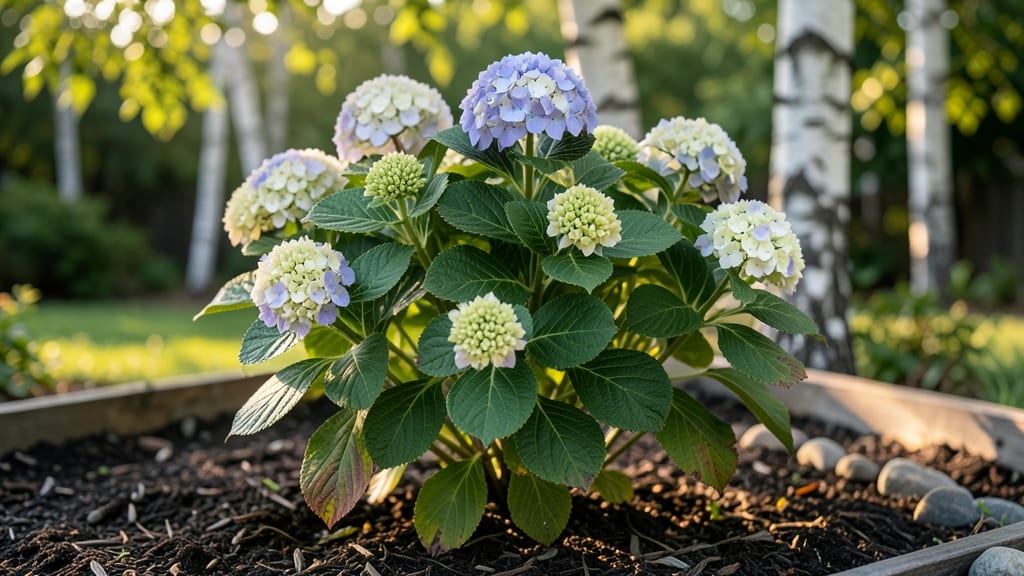
Bigleaf hydrangea leaves turning brown with ugly spots? That fungal spot disease is the culprit—and copper spray is your secret weapon. 🌿 I’ve saved more than a dozen bushes from looking like they’ve been through a war by using this simple, effective treatment that stops the spread in its tracks.
The key is acting fast—once those spots spread, the plant wastes energy fighting instead of blooming. Copper spray works by disrupting fungal growth without harming your hydrangea, and it’s safe to use right up until bloom time.
You’ll see new, healthy leaves pushing out within 2-3 weeks of treatment, and those signature blooms will come back bigger and better than ever.
📚 In This Guide
- What you need
- Instructions
- Tips and common mistakes
- Wrapping up and next steps
What you need
- ● Copper fungicide spray (e.g., Bordeaux mixture or copper sulfate-based): 1 gallon (3.8 liters) of liquid concentrate (or follow label instructions for dilution).
- ● Note: Ensure it’s labeled safe for ornamental plants.
- ● Garden sprayer (hose-end or backpack): Capacity: 1-3 gallons (3.8-11.4 liters) for even coverage.
- ● Pro tip: A concentrated sprayer (like a pump sprayer) works best for precision. 🎯
- ● Protective gear: Gloves (nitrile or rubber).
- ● Long sleeves and pants (to avoid skin contact).
- ● Safety goggles (copper can irritate eyes!).
- ● Pruners or shears (sterilized with rubbing alcohol): For trimming severely infected leaves (dispose of them in a sealed bag).
- ● Water source (hose or bucket) for rinsing tools.
- ● Trash bag (for removing diseased foliage).
- ● Neem oil (1 tsp per gallon of water) – boosts antifungal properties when mixed with copper spray.
- ● Baking soda solution (1 tbsp baking soda + 1 tsp dish soap + 1 gallon water) – gentle alternative for mild cases.
- ● Fan or misting bottle – Helps dry leaves faster post-treatment (prevents fungal regrowth).
- ● Garden journal – Track treatment dates and progress for future reference! ✏️
- ● Choose a calm, dry day – Wind or rain can wash away the copper spray before it works.
- ● Test a small area first – Ensure your hydrangea tolerates the copper (some varieties are sensitive!).
- ● Remove all infected leaves – Do not compost them! Place in a sealed bag for disposal.
How to revive bigleaf hydrangea leaves with copper spray
Here's the straightforward method I use to eliminate fungal spots and restore vibrant foliage.
🌿 Step 1: Identify and Prepare for Treatment
Start by examining your bigleaf hydrangea for fungal spots—look for dark brown or black patches with yellow halos on the leaves. These are classic signs of fungal diseases like leaf spot or powdery mildew. The key is to act when you first notice these symptoms, before they spread to new growth.
Choose a calm, dry day for treatment—wind will scatter your copper spray, and rain will wash it away before it works. Early morning is ideal because the leaves will have dew, which helps the spray adhere better. Remove any severely infected leaves by hand (wear gloves) and dispose of them in the trash, not your compost bin.
💧 Step 2: Mix and Apply the Copper Spray
Use a ready-to-use copper fungicide spray (like copper sulfate or copper hydroxide) and follow the label instructions for dilution. I like to mix it in a clean garden sprayer with 2 tablespoons of liquid dish soap per gallon—this helps the spray stick to the leaves longer. Shake the mixture well before each use to ensure even distribution.
Apply the spray until the leaves are thoroughly wet on both sides, including the undersides where fungal spores often hide. Focus on the lower leaves first, as they’re most susceptible to infection. Lightly mist the stems and soil around the base to prevent reinfection from spores there. Avoid spraying when the plant is in direct sunlight—it can cause leaf burn.
⏰ Step 3: Schedule Follow-Up Applications
Copper spray works best when applied every 7-10 days until new leaves emerge without spots. This consistency is critical—fungal diseases don’t disappear in one treatment. Mark your calendar or set a reminder, because skipping even one application can let the problem return. I’ve found that 3-4 applications usually break the cycle completely.
After the final treatment, monitor your hydrangea for another 2-3 weeks. If you see fresh spots, repeat the process immediately. Healthy new growth should appear within 2-4 weeks of starting treatment, signaling the fungus is under control. Prune any remaining infected leaves as they appear to keep the plant strong.
☀️ Step 4: Support Recovery with Proper Care
While treating the fungal issue, give your hydrangea extra care to help it bounce back. Water at the base of the plant in the morning to keep leaves dry, which reduces fungal spread. Avoid overhead watering entirely—this is the fastest way to reinfect your plant. Mulch around the base with 2-3 inches of organic mulch to improve soil health and retain moisture.
Ensure your hydrangea gets morning sun and afternoon shade, especially in hot climates. Too much direct sun stresses the plant, making it more vulnerable to disease. If your hydrangea is in a container, check the drainage—soggy roots weaken the plant and invite fungal growth. Adjust watering so the soil stays evenly moist but not waterlogged.
Tips & tricks for reviving bigleaf hydrangea leaves
Here's what I learned after treating dozens of hydrangeas—these small tweaks make all the difference between temporary relief and lasting recovery.
Timing is Everything: The 7-10 day interval between applications might seem strict, but it's non-negotiable for breaking the fungal cycle. I've seen plants recover faster when I stuck to this schedule religiously. If you miss one application, don't double up—just resume the regular schedule immediately. The fungus needs consistency to take hold again, and you're disrupting that pattern.
Application Technique Matters: When Step 2 says to apply until leaves are "thoroughly wet," I mean it—don't skimp on coverage. Use a sprayer with a fine mist setting to reach all leaf surfaces, especially undersides where spores hide. I like to work in sections, starting with the lower leaves and moving upward. This ensures complete coverage without missing any potential infection sites.
Monitoring After Treatment: The 2-3 week monitoring period after your final application is crucial. This is when you'll see whether the fungus is truly gone or just temporarily suppressed. I keep a small notebook by my hydrangea to track new growth—when I see at least 3-4 inches of fresh, spot-free leaves, I know the treatment worked. If you see any new spots during this time, don't wait—treat immediately with another application.
Supportive Care Makes the Difference: While the copper spray does the heavy lifting, the extra care in Step 4 is what helps your hydrangea truly bounce back. I've found that plants with proper morning watering and afternoon shade recover faster than those left in full sun. The 2-3 inches of organic mulch helps maintain even moisture without creating soggy conditions that invite fungus. Think of this as physical therapy for your plant!
Pro Tips for Bigleaf Hydrangea Leaves
- Here's what I learned after treating dozens of hydrangeas—these small tweaks make all the difference between temporar...
- Timing is Everything: The 7-10 day interval between applications might seem strict, but it's non-negotiable for break...
- Application Technique Matters: When Step 2 says to apply until leaves are "thoroughly wet," I mean it—don't skimp on ...
Frequently asked questions
Got questions about reviving your bigleaf hydrangea leaves with copper spray? You’re not alone! Here are some common concerns—and their solutions—to get your plants back to their lush best.
Why are my bigleaf hydrangea leaves turning brown or spotted?
Brown or spotted leaves are often a sign of fungal diseases like leaf spot or powdery mildew. Overhead watering, poor airflow, or wet foliage for long periods creates the perfect breeding ground. Copper fungicide disrupts fungal spores, but prune affected leaves immediately to prevent spread. Pro tip: Space plants 3–5 feet apart for better airflow!
How often should I apply copper spray to bigleaf hydrangeas?
Apply copper fungicide every 7–14 days during active growth (spring to early summer) or when you first spot symptoms. For prevention, use it 2–3 times per season—just before rain or in the early morning to avoid leaf burn. Stop treatments 2–3 weeks before your hydrangeas bloom to avoid copper residue affecting flowers. Timing is key!
Is copper spray safe for pets or children if used on hydrangeas?
Copper fungicides are low-toxicity but should still be used with caution. Avoid spraying when pets or kids are around, and wear gloves to prevent skin irritation. Rinse off any accidental contact with water. For extra safety, opt for organic copper (like copper soap) or neem oil as a natural alternative. When in doubt, keep them away during application!
Can I use copper spray on hydrangeas if they’re already in bloom?
It’s not recommended to spray copper fungicide directly on blooming hydrangeas, as it can discolor flowers or harm pollinators. Instead, target the leaves and stems before buds form. If you must treat blooming plants, use a shielded sprayer to avoid contact with flowers. Prevention is better than cure!
What’s a good alternative if copper spray doesn’t work?
If copper isn’t cutting it, try these fungicide-free options:
For severe cases, consult a local nursery for systemic fungicides like myclobutanil. Rotate methods to avoid resistance!
Wrapping up and next steps
Reviving your bigleaf hydrangea with copper spray is a game-changer for beating fungal spots and keeping those lush leaves thriving! 🌿 With the right tools, timing, and care, you can restore your plant’s health and even prevent future issues. Don’t let fungal spots hold you back—your hydrangea deserves a vibrant comeback!
Ready to take action? Grab your copper spray and start treating those leaves today! For extra peace of mind, consider testing your soil or consulting a local nursery for tailored advice. Happy gardening! 🌱