
Pests and Diseases
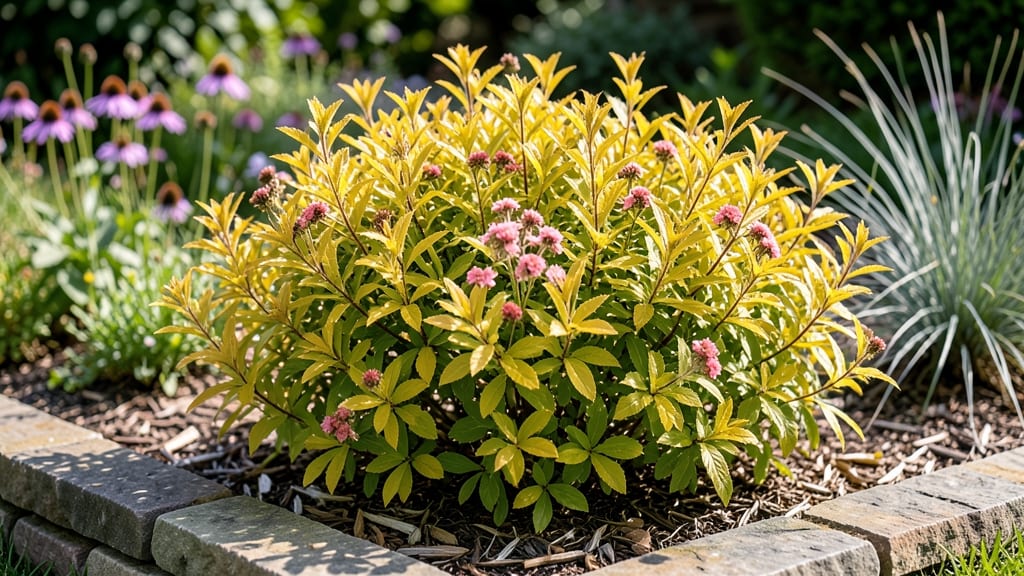
Birch leaf spirea thrives where most perennials struggle—its delicate, birch-like foliage and cascading blooms handle cold snaps, drought, and poor soil with surprising grace. 🌿 I've watched mine bounce back after 20-below winters, proving it's the ultimate low-maintenance star for sunny borders or woodland edges.
The secret to its resilience? Plant it where it gets full sun to part shade and well-drained soil—even rocky ground won't phase it. Water lightly after planting, then forget about it until spring, when fresh pink blooms appear like clockwork.
Prune spent stems in early spring, and you'll see new growth within weeks. You'll end up with a 3-4 foot shrub that flowers from late spring through summer, with foliage that turns golden in fall. It's the kind of plant that makes neighbors ask, "What's that?"—then beg for cuttings.
Deer and rabbits leave it alone too, which is always a bonus. Works as a specimen, in mass plantings, or mixed with other cold-hardy perennials. Here's how to make the most of its effortless beauty.
📚 In This Guide
- What you need
- Instructions
- Tips and common mistakes
- Wrapping up and next steps
What you need
- ● Birch leaf spirea plants: 1–3 nursery-grown plants (3–4" pots, mature size: 2–3' tall x 3–4' wide)
- ● OR Seeds (if starting from scratch—germination can be tricky!)
- ● Well-draining soil: Mix of native soil + compost (60% soil, 40% compost by volume)
- ● Organic mulch: 2–3 inches of shredded bark or pine needles
- ● Slow-release fertilizer: 10-10-10 or balanced organic option (1 lb per 100 sq ft)
- ● Watering can or hose with gentle nozzle
- ● Garden trowel or spade (for digging holes)
- ● Pruning shears (sterilized with rubbing alcohol)
- ● Gloves (to protect hands from thorns and soil)
- ● Measuring tape (to space plants 3–4' apart)
- ● Sunlight assessment: Full sun to partial shade (6+ hours of light/day)
- ● Cold-hardy zone check: USDA Zones 3–8 (verify your zone here)
- ● Epsom salt (1 tbsp per plant annually for magnesium boost)
- ● Disease-resistant fungicide (e.g., copper spray for powdery mildew prevention)
- ● Drip irrigation kit (for consistent moisture in dry climates)
- ● Plant tags or labels (to track varieties if testing multiple types)
Step-by-Step instructions for planting and cultivating birch leaf spirea
This cold-hardy beauty thrives with minimal fuss once you nail these key planting and care steps.
🪴 Step 1: Choose the Perfect Planting Site
Birch leaf spirea demands full sun to partial shade—think 6+ hours of direct sunlight daily for optimal blooms, but it tolerates 4-6 hours in cooler climates. I always scout the spot first, checking for at least 6 inches of well-draining soil—this plant hates soggy roots. A location with morning sun and afternoon shade works well in hotter regions.
Test your soil by digging a 6-inch hole—if water pools after 30 minutes, amend with 2-3 inches of compost or sand to improve drainage. The plant’s natural habitat mimics open woodlands, so avoid tight, compacted areas. A slight slope helps prevent waterlogging during spring rains.
🌱 Step 2: Plant at the Right Depth and Spacing
Dig a hole twice as wide as the root ball but only as deep as the container’s base—birch leaf spirea roots are shallow and sensitive to burial. Gently remove the plant from its container, loosening any circling roots with your fingers. Place it in the hole so the top of the root ball sits level with the surrounding soil—burying too deep suffocates the plant.
Space plants 3-4 feet apart for mature size—this gives foliage room to spread and prevents overcrowding, which invites fungal diseases. Backfill with native soil mixed with 1 part compost to encourage root establishment. Water deeply to settle the soil and eliminate air pockets around the roots.
☀️ Step 3: Water and Mulch for First-Year Establishment
Water deeply once a week during the first growing season, ensuring 1 inch of moisture reaches the root zone. You’ll know it’s enough when the soil feels damp 3 inches down—not soggy, not bone-dry. Overwatering in summer causes root rot, while underwatering stresses the plant before it’s established.
Apply 2-3 inches of mulch (wood chips or shredded bark) around the base, keeping it 2 inches away from the stem to prevent rot. This conserves moisture, regulates soil temperature, and suppresses weeds—critical for young plants competing with invasive grasses. Replenish mulch annually as it breaks down.
✂️ Step 4: Prune for Shape and Encourage New Growth
Prune right after flowering (late summer) to shape the plant and remove dead or crossing branches. Use clean, sharp pruners to make cuts at a 45-degree angle just above a leaf node. Never prune into old wood—birch leaf spirea blooms on new growth, so aggressive cuts reduce next year’s flowers.
For established plants, thin out 1/3 of the oldest stems at the base each year to improve air circulation. This rejuvenates the plant and prevents disease. If you notice leggy growth, it’s a sign of too much shade—relocate or prune competing plants to restore sunlight exposure.
🌿 Step 5: Winter Care for Cold-Hardy Resilience
Birch leaf spirea handles USDA zones 3-8 with ease, but young plants benefit from a 2-inch layer of mulch in late fall to insulate roots. Avoid heavy snow loads by gently brushing off accumulation—too much weight can break branches. In zone 3, a burlap wrap around the plant protects it from harsh winds.
No spring cleanup is needed—simply remove old mulch and add fresh compost in early spring. The plant’s arching branches naturally shed old leaves, so you won’t find debris cluttering the base. Watch for new growth in early May—this signals successful winter survival and readiness for the growing season.
Tips & tricks for perfect birch leaf spirea cultivation
These pro-level tips will help you transform your birch leaf spirea from merely surviving to thriving with vibrant blooms and lush foliage.
Sunlight Strategy: While the 6+ hours of sunlight is ideal, pay attention to the quality of light. Morning sun provides gentle warmth that won't stress the plant, while afternoon shade prevents leaf scorch in hot climates. I've noticed the most vibrant blooms come from plants receiving morning sun and only 2-3 hours of afternoon sunlight during peak summer months.
Soil Test Hack: That 30-minute water test in Step 1 is crucial, but here's what I do differently: I perform it twice—once in spring and once in fall. Soil composition changes with seasons, and what drains well in summer might become waterlogged in spring. If you're in a particularly rainy climate, consider adding a 1-inch layer of gravel at the bottom of your planting hole for extra drainage insurance.
Pruning Precision: When thinning out 1/3 of the oldest stems in Step 4, focus on the thickest, most woody stems first. These are the ones that compete with new growth for nutrients. I use a small notepad to mark which stems I'll remove during the next pruning cycle—this prevents me from accidentally cutting healthy stems when I'm tired. Also, clean your pruners with rubbing alcohol between cuts to prevent spreading disease.
Winter Protection Upgrade: For zone 3 gardens, I've found that wrapping the burlap around the plant AND securing it with twine creates a better windbreak than loose burlap alone. The twine keeps the wrap from flapping in winter winds, which can actually damage tender new growth. In extreme cold snaps (below 0°F), I also add a layer of frost cloth over the burlap for extra insulation during the coldest nights.
Pro Tips for Birch Leaf Spirea
- These pro-level tips will help you transform your birch leaf spirea from merely surviving to thriving with vibrant bl...
- Sunlight Strategy: While the 6+ hours of sunlight is ideal, pay attention to the quality of light. Morning sun provid...
- Soil Test Hack: That 30-minute water test in Step 1 is crucial, but here's what I do differently: I perform it twice—...
Frequently asked questions
Got questions about growing and caring for birch leaf spirea? You’re not alone! Here are answers to the most common queries—from planting tips to troubleshooting—so you can keep your shrub thriving with minimal fuss.
When is the best time to plant birch leaf spirea?
Plant in early spring or fall when soil temperatures are cool (50–70°F). Avoid extreme heat or frost, which can stress roots. Spring planting gives plants time to establish before winter, while fall allows root growth before dormancy. Pro tip: Water deeply after planting to settle soil and reduce air pockets!
How cold-hardy is birch leaf spirea, really?
This shrub is zone 3–8 hardy, meaning it survives winters as cold as -40°F! However, young plants may need winter mulch (2–3 inches of shredded bark) in their first year. Established shrubs handle snow and ice like a champ—just avoid heavy pruning in late winter, as new growth is vulnerable to late frosts.
What pests or diseases should I watch for?
Birch leaf spirea is disease-resistant, but watch for spider mites (dry conditions) or aphids (sticky leaves). Treat with insecticidal soap or a strong spray of water. Prevention tip: Prune for airflow and water at the base (not overhead) to deter fungal issues.
How and when should I prune birch leaf spirea?
Prune in late winter or early spring (before new growth) to shape or rejuvenate. Cut back 1/3 of old stems annually to encourage fresh, vibrant foliage. Avoid heavy pruning in fall—it removes winter interest! Quick fix: Deadhead spent blooms in summer to prolong flowering.
Can I grow birch leaf spirea in containers?
Yes! Choose a large pot (15+ gallons) with drainage holes and use well-draining soil. Container-grown spirea needs regular watering (let soil dry slightly between waterings) and winter protection (move to a sheltered spot or wrap the pot). Dwarf varieties like ‘Gold Flame’ are ideal for pots!
Why isn’t my birch leaf spirea blooming?
Lack of blooms often means over-pruning (cutting too late or too much) or poor sunlight (needs full sun for best flowers). Ensure it gets 6+ hours of sun daily and prune lightly in spring. Fertilize lightly in early spring if soil is poor—too much nitrogen reduces flowers!
Wrapping up and next steps
Birch leaf spirea is a low-maintenance, cold-hardy superstar that brings vibrant color and texture to your garden with minimal fuss. Whether you're battling pests, preventing diseases, or simply admiring its resilience, this versatile shrub thrives in tough conditions—making it the perfect choice for both beginners and seasoned gardeners. 🌿
Ready to level up your landscape? Start by planting one this season, then experiment with companion plants or pruning techniques to create your dream garden oasis. Happy gardening! 🌱