
Leaf Blower
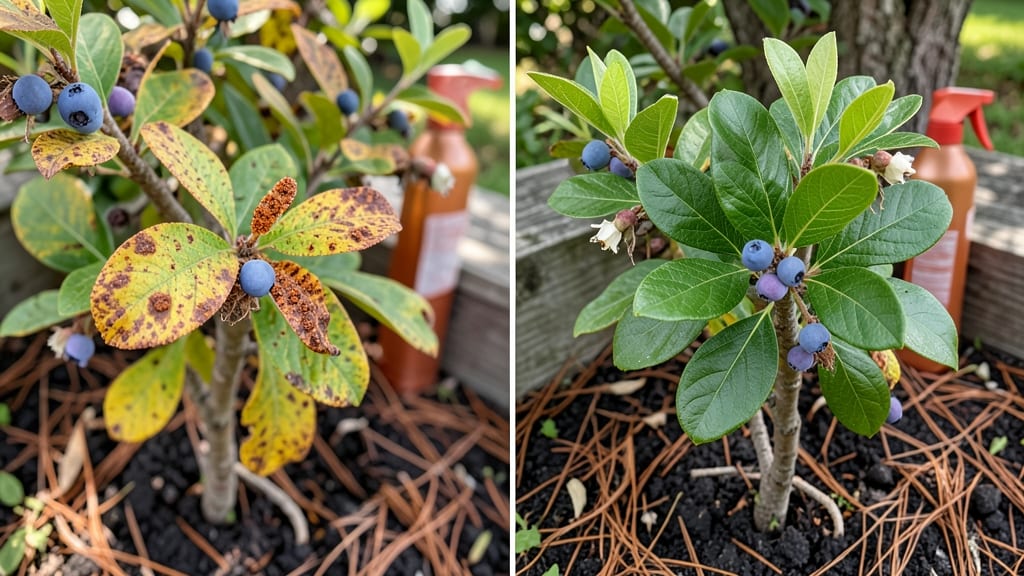
Blueberry leaf rust turns your bushes into a sad, yellowing mess—unless you act fast. 🌿 I’ve seen this fungus wipe out entire harvests, but the right copper spray treatment can bring those leaves back to life when applied early.
The key is catching it before the rust spreads to new growth, which is easier said than done when you’re staring at a bush full of orange pustules.
This fungal disease thrives in wet, humid conditions, and once it takes hold, it weakens the plant’s ability to produce fruit. The good news? Copper sprays are organic, effective, and safe for pollinators when used correctly.
I’ve revived bushes that looked doomed by mid-June with just three targeted sprays, spaced two weeks apart. The trick is consistency—skipping a treatment means the rust comes back stronger.
You’ll know you’re on the right track when new leaves emerge vibrant green and free of spots. The plant will start putting energy back into berry production instead of fighting the fungus, and within a season, your bushes can bounce back to full productivity.
The sooner you start, the less damage the rust can do—and the sooner you’ll be back to picking those sweet, juicy blueberries.
Prevention is just as important as treatment: remove fallen leaves in autumn, space bushes for airflow, and choose rust-resistant varieties like ‘Duke’ or ‘Bluecrop’ if you’re in a high-risk area. A little effort now saves a world of heartache (and lost harvests) later. Let’s get those bushes fighting fit again.
Root Causes Of Fungal Foliage Foes
Blueberry bushes aren’t just battling rusty leaves by chance—this leaf rust is the result of a perfect storm of fungal activity, environmental conditions, and plant stress. Understanding the why behind it is the first step to stopping it in its tracks.
Let’s break down the key culprits turning your blueberries’ lush green into a patchwork of orange-brown spots.
The fungus responsible for leaf rust—Phakopsora species—thrives in warmth and moisture. Think of it like a fungal buffet: when temperatures hover between 60°F and 75°F (15°C–24°C) and humidity stays high (especially with frequent rain or overhead watering), spores germinate, spread, and multiply at lightning speed.
Here’s how it works:
- Spores land on leaves during wet conditions (rain, dew, or irrigation).
- Moisture activates them within 4–6 hours, allowing them to penetrate leaf tissue.
- Warmth accelerates growth, turning tiny spores into visible pustules in just 7–10 days.
💡 Pro Tip: Rust spreads fastest in shady, poorly ventilated areas where humidity lingers. Prune for airflow and avoid watering leaves in the evening to disrupt the fungus’s party.
Healthy plants resist rust better because their natural defenses—like waxy leaf coatings and antimicrobial compounds—keep fungi at bay. But when bushes are nutrient-deficient, overcrowded, or diseased, they become easy targets. Common stressors include:
| Stressor | How It Helps Rust |
|---|---|
| 🍃 Nitrogen Deficiency | Weak leaves can’t produce enough phenolic compounds to repel fungi. |
| 🌧️ Overwatering | Soggy soil = waterlogged roots = oxidative stress, making leaves more susceptible. |
| 🔄 Poor Air Circulation | Humidity builds up, giving spores a 24/7 damp environment to thrive. |
| ⚠️ Previous Fungal Infections | Weakened plants are already compromised by other pathogens (like powdery mildew). |
🎯 Actionable Fix: Test soil pH (blueberries love 4.5–5.5) and amend with peat moss or sulfur if needed. Space plants 4–6 feet apart to improve airflow.
Leaf rust doesn’t just appear out of nowhere—it hitches a ride on wind, water, or even garden tools. Spores can travel up to 50 miles in ideal conditions, but they’re most likely to infect your bushes if:
- 🌳 Nearby infected plants (wild blueberries, raspberries, or other Rubus species) release spores.
- 🌧️ Rain or overhead irrigation splashes spores onto leaves.
- 🔧 Contaminated pruners or gloves transfer spores between plants.
✨ Prevention Hack: Remove all infected leaves (burn or bag them!) and disinfect tools with 70% rubbing alcohol or a 10% bleach solution between uses.
Leaf rust doesn’t attack randomly—it follows a seasonal pattern. The worst outbreaks typically occur:
- 🌱 Early to mid-summer (June–July in most climates): Warm, humid conditions peak.
- 🍂 Late summer/fall: Secondary spores form on infected leaves, ready to overwinter.
If your bushes are young or recently transplanted, they’re especially vulnerable because their root systems haven’t established strong defenses yet.
Revive Your Blueberry Leaves Now
Blueberry leaf rust can feel like a slow-motion disaster—those vibrant leaves turning yellow, brown, or even dropping prematurely. But don’t panic! With the right approach, you can restore your bushes to full health and prevent future outbreaks.
Below, we break down the most effective fixes based on the root cause of your problem, from quick fixes to long-term strategies.
When you spot those telltale rust-colored spots or distorted leaves, time is of the essence. Here’s how to tackle an active infection:
#### 🔥 Step 1: Prune the Problem AreasStart by removing all infected leaves and branches. This stops the fungus from spreading to healthy parts of the plant.
- ✂️ Use sterilized pruners (wipe with rubbing alcohol between cuts) to avoid cross-contamination.
- 🗑️ Dispose of pruned material in the trash not the compost—fungus can survive and reinfect.
- 🌿 Focus on lower branches and crowded areas, where humidity traps spores.
Copper is the gold standard for treating leaf rust because it disrupts the fungus’s cell structure. Here’s how to use it effectively:
- 💧 Choose a ready-to-use copper fungicide (like copper sulfate or copper hydroxide) or mix 1 tsp copper sulfate per gallon of water.
- 🌧️ Spray thoroughly on both sides of leaves, stems, and even the soil around the base (spores often lurk there).
- ⏰ Apply in the early morning or late evening to avoid burning leaves in direct sunlight.
- 🔄 Repeat every 7–10 days until new growth appears rust-free (usually 3–4 applications).
Pro Tip: 💡 Mix in a dish soap (1 tsp per gallon) to help the copper stick to leaf surfaces better.
#### 🌡️ Step 3: Boost Plant Resilience with Organic SupportWhile copper fights the fungus, give your blueberries a health boost to recover faster:
- 🍄 Feed with compost or well-rotted manure to improve soil fertility and root strength.
- 💧 Water at the base of the plant (avoid wetting leaves) to reduce humidity, which fuels rust.
- ☀️ Ensure 6–8 hours of sunlight daily—healthy, sun-exposed leaves resist infections better.
Once your blueberries are back in shape, keep them that way with these proactive steps:
#### 🌿 Improve Air Circulation & SpacingFungus loves crowded, damp conditions. Fix this by:
- 🌳 Prune overlapping branches to let air flow freely.
- 📏 Space new plants 4–6 feet apart (check your variety’s needs).
- 🪓 Thin out dense foliage in the center of bushes.
Wet leaves = rust party. Adjust your watering habits:
- 💦 Use drip irrigation or soaker hoses (avoid overhead sprinklers).
- ⏰ Water early in the day so leaves dry by evening.
- 🌱 Mulch with wood chips or straw to keep soil moist without splashing water onto leaves.
An ounce of prevention beats a pound of cure. Plan these seasonal sprays:
| Timing | Action |
|---|---|
| Early Spring (Before Buds Open) | Apply copper fungicide as a preventive measure. |
| Late Spring/Early Summer (After Flowering) | Reapply copper every 2–3 weeks during rainy seasons. |
| Fall (After Harvest) | Clean up all debris and spray copper one last time to protect overwintering spores. |
If you’re planting new blueberries, pick disease-resistant cultivars like:
- ‘Duke’ (highly resistant to rust)
- ‘Jersey’ (tolerates humidity well)
- ‘Bluegold’ (disease-resistant and productive)
Final Pro Tip: 🎯 Monitor your bushes weekly during peak rust season (spring to early summer). Catching signs early means less work and healthier berries!
Frequently asked questions
What do blueberry leaf rust spots actually look like?
Leaf rust starts as tiny yellow-orange spots on the underside of leaves, which later develop into pustules that burst open, releasing rust-colored spores. The topside shows yellow or brown patches that can distort leaf shape. Think of it like a leaf covered in tiny rusty freckles!
Can I still harvest berries from bushes with leaf rust?
Yes, but only if the infection is mild and recent. Remove all infected leaves first, then wash berries thoroughly before eating. Avoid harvesting from heavily infected bushes—the fungus can contaminate fruit. Focus on treating the leaves to prevent next year’s crop from being affected.
How often should I apply copper spray for prevention?
For prevention, apply copper fungicide every 2-3 weeks during peak rust season (spring to early summer). Start before buds open in spring, then repeat after flowering. In rainy climates, you may need monthly applications. Always follow label instructions for concentration.
Will my blueberries recover completely after treatment?
With prompt action, bushes can make a full recovery! New leaves will emerge rust-free within 4-6 weeks of consistent treatment. However, severe cases may leave some leaf scarring. The key is catching it early—once the fungus spreads to stems, recovery becomes much harder.
Are there any home remedies that work against leaf rust?
While copper sprays are most effective, you can try neem oil (1 tsp per gallon of water) as a supplementary treatment. Mix with a drop of dish soap and spray thoroughly. However, neem works best as a preventive measure rather than a cure for established infections.