
Pests and Diseases
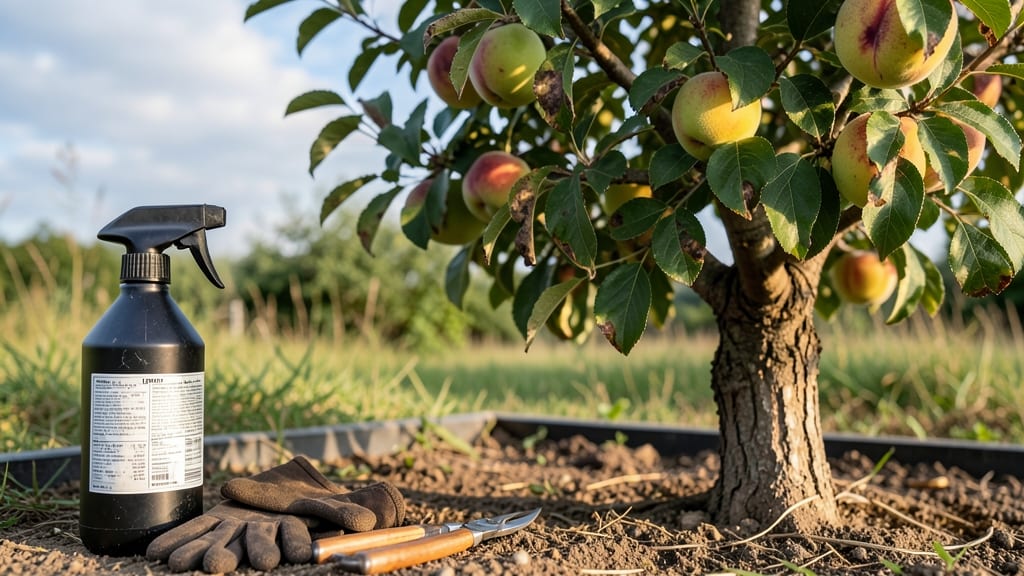
Your peaches could be crispy and perfect—or turning into sad, spotted messes. 🌿 Peach leaf spot strikes fast, but copper fungicide is the secret weapon that saved my tree's harvest last summer when those ugly brown spots with yellow rings started spreading like wildfire.
This fungal party starts when Cercospora spores hitch a ride on wind or rain, then throw a feast on your leaves. Humid summers and tight plant spacing just make the buffet table even more inviting.
The good news? Copper fungicide isn't just effective—it's the organic gardener's go-to when you spot those first suspicious marks.
Here's the game-changer: spray at first sign of spots, then repeat every 10-14 days during wet weather. You'll see new leaves emerging clean and vibrant within weeks, and those crispy peaches will make your neighbors jealous.
The key is acting before 30% of leaves show symptoms—after that, yield takes a serious hit.
Works for home orchards, backyard trees, and even container-grown peaches. Spring is prevention season, but summer's when the real rescue happens. Let's get those leaves fighting back!
Root Causes Of Fungal Spread
Peach leaf spot isn’t just a random nuisance—it’s a highly predictable fungal invasion triggered by a perfect storm of environmental and cultural factors. Understanding these causes is your first line of defense. Let’s break down the real culprits behind this stubborn disease.
The fungus Cladosporium carpophilum (the villain behind peach leaf spot) thrives in humid, rainy conditions. Here’s why:
- Prolonged leaf wetness: When leaves stay damp for more than 9 hours, spores germinate and infect tissue. Heavy dew, frequent rain, or poor airflow create the ideal breeding ground.
- High humidity: Humidity above 80% for extended periods accelerates spore release and infection. Think of it like a fungal sauna—perfect for spreading.
- Spring showers: The disease typically flares up during bloom and early fruit set (April–June in most regions) when rain coincides with new growth.
💡 Pro Tip: Use a hygrothermometer (a humidity/temperature gauge) to track conditions. If you’re seeing consistent wet leaves, it’s time to act.
Peach trees aren’t built for suffocation—and neither are their leaves. When airflow is restricted, the fungus spreads like wildfire. Here’s how:
- Dense foliage: Overgrown branches or unpruned trees trap moisture, creating a microclimate where spores linger. Think of it like a fungal hiding spot.
- Shaded leaves: Low light + high humidity = slower drying. Leaves in the lower canopy or under thick branches stay wet longer, becoming hotspots for infection.
- Mulch piles or debris: Wet mulch, fallen leaves, or grass clippings near the tree act as spore reservoirs, launching new infections.
🔥 Action Step: Prune aggressively in late winter to open the canopy. Aim for 6–8 feet of vertical space between branches to improve airflow.
A healthy tree is like a fortress—strong bark, vigilant roots, and a well-trained immune system. But stress weakens those defenses, leaving peach trees vulnerable:
- Nutrient deficiencies: Low potassium (K) or zinc (Zn) levels make leaves more susceptible to fungal attacks. Think of it as a weakened skin barrier.
- Water stress: Overwatering or drought both disrupt the tree’s ability to fight off pathogens. Roots can’t absorb nutrients efficiently, and leaves become fungal snacks.
- Physical damage: Hail, wind, or improper pruning create entry wounds where spores can infiltrate. Even insect damage (like from Japanese beetles) opens the door.
🌡️ Soil Test Alert: Send a soil sample to your local extension office. If K levels are below 150 ppm or pH is >7.0, amend with sulfur or potassium sulfate to fortify your tree.
Fungal spores are sneaky survivors. They hitch rides on pruners, shoes, and even wind currents. Here’s how they spread:
- Unsterilized pruners: Cutting infected branches with the same tools used on healthy ones transfers spores instantly. It’s like shaking hands with a germ carrier.
- Old leaf litter: Infected leaves from previous seasons can harbor spores for years. If you don’t clean up, you’re re-infecting your tree annually.
- Windborne spores: In late summer, mature spores burst from lesions and hitch rides on breezes to new trees. This is why preventive sprays are critical.
✨ Cleanup Protocol:
- Rake and remove all fallen leaves in autumn (don’t compost them!).
- Disinfect pruners with 70% rubbing alcohol or a 10% bleach solution between cuts.
- Mow under the tree regularly to reduce spore splashback from soil.
Now that you know why this fungus strikes, the next step is stopping it in its tracks. Stay tuned for our deep dive into copper fungicide strategies—the secret weapon for reclaiming crisp, disease-free peach leaves!
Quick Fixes for Fungal Foliage
When peach trees start showing signs of those telltale dark spots on their leaves, it’s time to act fast. Fungal infections like leaf spot can spread quickly, but with the right approach, you can stop them in their tracks and keep your trees thriving.
Below are practical, step-by-step solutions tailored to the root causes—whether it’s humidity, poor airflow, or neglected care—plus prevention tips to keep your peach tree’s foliage vibrant and healthy.
---
If your peach tree is battling leaf spot due to excess moisture, the first line of defense is reducing humidity and improving drainage.
#### 🔥 Adjust Watering Habits - Water at the base (not overhead) to avoid wetting leaves, which creates a fungal-friendly environment. - Water early in the day (before 10 AM) so foliage dries quickly. - Use drip irrigation or soaker hoses to deliver water directly to the roots.
#### 🌬️ Boost Air Circulation - Prune dense branches to allow sunlight and air to reach the center of the tree. - Space trees properly (12–15 feet apart) to prevent crowding, which traps moisture. - Install a small fan near the tree (if possible) to gently circulate air around the leaves.
#### 💡 Pro Tip: If your soil stays soggy for days after watering, consider raising the tree’s planting bed or adding organic matter (like compost) to improve drainage.
---
Copper fungicides are the gold standard for peach leaf spot because they’re effective against fungal spores while being low-toxicity for humans and pets.
#### 🍳 Apply Copper Spray Correctly 1. Choose the right product: Look for copper hydroxide or copper sulfate (follow label instructions for dilution). 2. Timing is key: Spray preventively in early spring (before buds open) and again after rain or heavy dew.
3. Cover all surfaces: Focus on both sides of leaves, branches, and even the ground beneath the tree. 4. Reapply every 7–14 days during wet conditions or after rain washes off the spray.
#### 👨🍳 DIY Copper Solution (Budget-Friendly Option) Mix 1 tablespoon of copper sulfate in 1 gallon of water (wear gloves and a mask). Test on a small leaf first to avoid damage.
#### ⚠️ Safety First: - Avoid spraying when bees are active (copper can harm them). - Store fungicides out of reach of children and pets.
---
A healthy tree fights off diseases better. Focus on nutrient balance and stress reduction.
#### 🥗 Feed with the Right Fertilizer - Avoid high-nitrogen fertilizers (they promote leafy growth but weaken disease resistance). - Use a balanced 10-10-10 or organic fertilizer (like compost or fish emulsion) in early spring. - Add micronutrients (like zinc or manganese) if leaves show yellowing between veins.
#### 🌡️ Monitor Soil pH - Test soil pH—peach trees prefer slightly acidic soil (6.0–6.5). - If pH is off, amend with sulfur (to lower pH) or lime (to raise pH).
#### 🎯 Prune for Health - Remove infected leaves (bag and dispose of them—don’t compost). - Cut out dead or crossing branches to improve airflow. - Sanitize pruners with rubbing alcohol between cuts to prevent spreading spores.
---
The best defense is a consistent prevention plan. Here’s how to keep leaf spot at bay:
| Prevention Step | How to Do It | |---------------------------|----------------------------------------------------------------------------------| | Clean Up Debris | Rake and remove fallen leaves in autumn (burn or trash them—don’t compost). | | Mulch Properly | Use 2–4 inches of organic mulch (wood chips) but keep it 6 inches from the trunk. | | Rotate Fungicides | If you use copper often, alternate with other fungicides (like neem oil or potassium bicarbonate). | | Plant Companion Crops | Interplant with marigolds or garlic (natural fungicides) to deter spores. | | Inspect Regularly | Check leaves weekly for early signs (small brown spots) and act fast. |
--- If your tree is already heavily infected, consider a second spray with neem oil (mix 2 tbsp per gallon of water) as a supplemental treatment. It’s less harsh than copper but still effective against fungal spores.
By combining proactive care, targeted treatments, and smart prevention, your peach tree can bounce back from leaf spot—and even develop a stronger resistance over time. 🌿🍑
Frequently asked questions
What do peach leaf spot symptoms look like on my tree?
Start with small purple-brown spots (about 1/8 inch) that develop yellow halos. As they grow, spots turn grayish-brown with dark borders and may develop tiny black fruiting bodies in the center. Severe cases cause leaves to yellow, crisp, and drop early, weakening the tree.
Can I still harvest peaches if my tree has leaf spot?
Yes, but monitor fruit closely. While leaf spot primarily affects foliage, severe infections can reduce fruit quality or cause cracking. Harvest peaches when they're fully ripe to avoid fungal entry points. If spots appear on fruit (rare), remove and destroy them immediately to prevent spread.
How often should I spray copper fungicide for prevention?
Apply copper fungicide every 7-14 days during wet seasons (spring through early summer). Start spraying preventively at bud break and continue until 2 weeks after harvest. For organic control, alternate with neem oil or potassium bicarbonate every 3rd application.
Will pruning alone stop peach leaf spot?
Pruning helps reduce spread by removing infected leaves and improving airflow, but it's not a standalone solution. Always combine pruning with copper fungicide sprays and sanitation practices. Remove all pruned material and sterilize tools between cuts to prevent reinfection.
Are there peach tree varieties resistant to leaf spot?
Yes! Consider Redhaven, Elberta, or Relenta varieties, which show moderate resistance. For organic growers, dwarf peach varieties like Bonanza are easier to manage with fungicide applications. Always combine resistant varieties with cultural practices for best results.