
Pests and Diseases
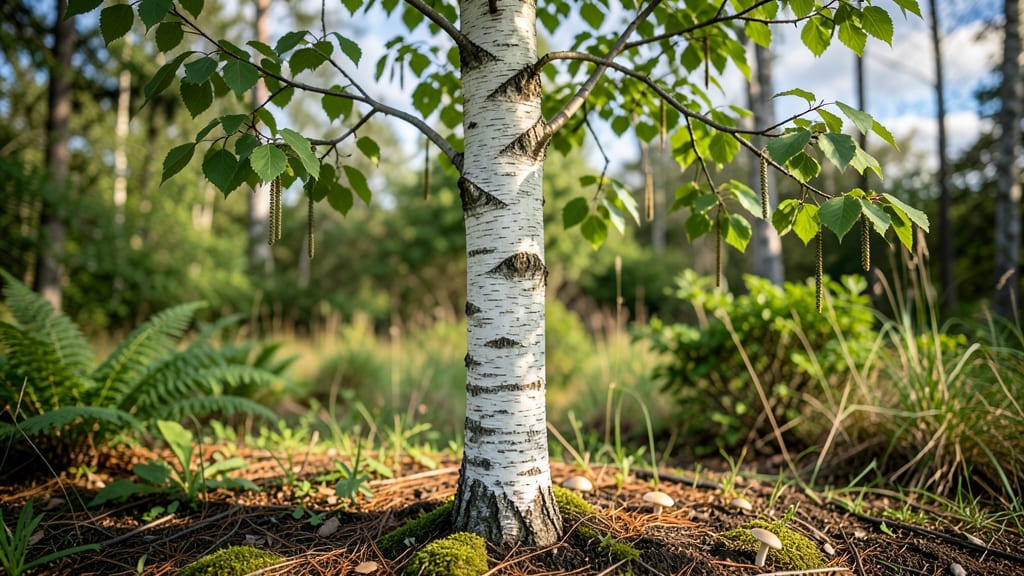
That first sight of grey or brown spots on birch leaves sends a chill down my spine—it’s the classic sign of fungal leaf spot. 🌿 I’ve battled this stubborn disease on my own birch trees, and I’ll show you how to stop it without harsh chemicals, using just baking soda and horticultural oil.
The problem starts with wet leaves and poor airflow, giving fungi the perfect chance to take hold. Birch trees are especially vulnerable because their thin leaves can’t handle much stress.
But here’s the good news: a simple spray made from baking soda and horticultural oil can knock out the spores before they spread.
Within a week of treatment, you’ll see new leaves emerging clean and healthy. The key is consistency—spray every 7 to 10 days until the spots stop appearing. This method works on other shade trees too, like maples and oaks.
No more copper sprays or chemical residues—just a natural solution that keeps your birch trees thriving. Let’s get those leaves looking fresh again.
Why it happens
H2: Root Causes Of Leaf Discoloration
When your birch tree’s leaves start turning grey or developing unsightly spots, it’s often a sign of stress or infection. Understanding the why behind these symptoms is the first step to saving your tree.
Below, we break down the most common culprits—from environmental factors to fungal invaders—and explain how they trigger the problem.
🌡️ Environmental Stress Factors
Birch trees are resilient, but extreme or sudden changes in their environment can weaken their defenses, making them vulnerable to discoloration. Here’s how it happens:
- Drought or Overwatering: Grey or brown patches on leaves often signal water stress. When soil moisture is inconsistent, roots struggle to supply nutrients, leading to chlorosis (yellowing) or necrosis (dead tissue). Birches prefer well-drained, slightly acidic soil—if the ground stays soggy or bone-dry for weeks, leaves react by turning greyish or developing crispy edges.
- Temperature Fluctuations: Late frosts or sudden heatwaves can shock the tree. Cold snaps damage cell membranes, while intense heat causes oxidative stress, both leading to leaf discoloration. Greyish hues may appear if the tree can’t recover quickly enough.
- Poor Air Circulation: Dense foliage or nearby structures trap humidity, creating a microclimate perfect for fungal spores. Stagnant air slows evaporation, keeping leaves damp longer—ideal conditions for Botrytis or powdery mildew, which manifest as greyish, fuzzy patches.
💡 Pro Tip: Mulch properly (2–4 inches deep, 6 inches from the trunk) to regulate soil temperature and moisture. Avoid compacting soil around roots, which restricts oxygen flow.
🍄 Fungal Infections: The Silent Invaders
Fungal pathogens are the #1 cause of grey spots on birch leaves. These microorganisms thrive in damp conditions and exploit stressed trees. Here’s how they hijack your birch’s health:
- Powdery Mildew (Erysiphe spp.): This fungus creates a greyish-white, powdery coating on leaves, blocking sunlight and stunting photosynthesis. It spreads via wind or splashing water, targeting young, tender leaves first. Horticultural oil smothers spores, but prevention (like spacing trees for airflow) is key.
- Leaf Spot Diseases (Marssonina, Rhytisma): These fungi produce dark grey or black spots with yellow halos, often with a velvety texture. Marssonina (birch leaf spot) thrives in wet springs, while Rhytisma (tar spot) causes raised, crusty lesions. Both weaken the tree over time, making it prone to further infections.
- Anthracnose (Apiognomonia): This aggressive fungus causes grey-brown, sunken spots with irregular edges. It overwinters in fallen leaves, then re-infects the tree when conditions are moist. Prune and sterilize tools to stop its spread.
✨ Science Note: Fungi release enzymes that break down leaf cell walls, causing tissue death. The grey color comes from spore masses and dead, collapsed cells.
🐛 Pest Damage: The Hidden Culprits
While fungi often steal the spotlight, pests can also trigger grey or necrotic leaf spots by physically damaging tissue or spreading pathogens. Here’s how:
- Birch Leafminers (Fenusa pusilla): These larvae tunnel between leaf layers, creating blotchy, greyish-white trails. Their frass (waste) clogs stomata (leaf pores), reducing gas exchange and turning leaves dull.
- Scale Insects or Aphids: These sap-suckers inject toxins that cause stippling (tiny grey or white dots) and weaken the leaf. Their honeydew attracts sooty mold, which coats leaves in a grey-black film, further blocking light.
- Canker Diseases (e.g., Nectria): Fungal cankers (often spread by beetles) create sunken, greyish wounds on branches. As the tree tries to isolate the damage, leaves above the canker may yellow or grey out from nutrient starvation.
🔥 Action Step: Inspect the undersides of leaves and new growth for webbing, eggs, or sticky residue. A strong jet of water can dislodge aphids, while neem oil disrupts leafminer life cycles.
🌱 Nutritional Deficiencies
Grey or pale leaves can also signal a mineral imbalance. Birches are particularly sensitive to:
- Magnesium (Mg) Deficiency: Causes interveinal chlorosis (grey-green areas between veins) because magnesium is central to chlorophyll production. Common in alkaline soils or over-fertilized trees.
- Potassium (_K_) Shortage: Leads to edge browning or greyish scorch, especially in hot weather. Potassium regulates water and disease resistance—without it, leaves burn easily.
- Nitrogen (_N_) Imbalance: Too little = pale grey-green leaves; too much = weak growth prone to pests. Birches prefer balanced NPK ratios (e.g., 10-10-10 fertilizer).
📊 Soil Test Tip: Send a soil sample to your local extension office. If deficiencies are confirmed, use chelated minerals (like Epsom salt for magnesium) for faster uptake.
Quick Fixes for Fungal Spots
Fungal spots on grey birch leaves—like those caused by Septoria or Cercospora—can be frustrating, but with the right approach, you can restore your tree’s health without harsh chemicals. Below are targeted, organic solutions mapped to common causes, along with prevention tips to keep your birch thriving.
---
Cause: Excess moisture creates the perfect breeding ground for fungal spores, leading to dark spots and leaf drop.
Solution: 1. 🔥 Adjust Watering Habits - Water deeply but only when the top 2–3 inches of soil are dry (stick your finger in to check!). - Avoid overhead sprinkling—water at the base to keep leaves dry. - Pro Tip: 💡 Use a soaker hose or drip irrigation to deliver moisture directly to roots.
2. 🏗️ Improve Soil Drainage - Amend heavy or compacted soil with compost or perlite to boost aeration. - If planting new birches, choose a well-draining spot—avoid low-lying areas where water pools.
3. 🌡️ Mulch Strategically - Apply 2–3 inches of organic mulch (like wood chips) around the base, but keep it 6 inches away from the trunk to prevent rot.
Prevent Future Issues: - Test your soil’s drainage by digging a small hole, filling it with water, and timing how long it takes to drain. Ideal time: <1 hour.
---
Cause: Humid conditions or old infected leaves harbor spores, reinfecting your birch season after season.
Solution: 1. 🧼 Apply a Baking Soda Spray (Safe & Effective!) - Mix 1 tsp baking soda + 1 tbsp horticultural oil + 1 tsp mild soap per quart of water. - Spray both sides of leaves in the early morning or evening (avoid direct sunlight to prevent leaf burn). - Pro Tip: ✨ Reapply every 7–10 days until new growth appears.
2. 🍯 Use Horticultural Oil for Prevention - Spray neem oil or refined horticultural oil (like JMS Strobe) before symptoms appear (spring/fall). - Do not apply if temps are below 50°F or above 90°F—it can harm leaves!
3. 🗑️ Clean Up Debris - Remove all fallen leaves and prune infected branches (sterilize pruners with rubbing alcohol). - Compost infected plant material—do not add it back to the garden.
Prevent Future Issues: - Space out plants to improve airflow—fungi thrive in tight, damp clusters. - Water in the morning so leaves dry quickly.
---
Cause: Sap-sucking pests (like aphids or mites) create entry points for fungi, worsening spot infections.
Solution: 1. 🐞 Blast Pests Off with Water - Use a strong hose spray to dislodge aphids or mites from leaves. - Repeat every 3–5 days until pests disappear.
2. 🌿 Introduce Beneficial Insects - Release ladybugs or lacewings (available at garden centers) to eat pests naturally.
3. 🍃 Boost Tree Immunity - Feed with fish emulsion or compost tea in early spring to strengthen foliage. - Avoid high-nitrogen fertilizers—they promote soft, fungal-vulnerable growth.
Prevent Future Issues: - Inspect leaves weekly for early signs of pests (sticky residue = aphids; webbing = mites).
---
Cause: Heatwaves, drought, or sudden temperature swings weaken birches, making them susceptible to fungal attacks.
Solution: 1. 💦 Provide Deep, Infrequent Watering - Drought-stressed trees are prime targets—water deeply 1–2 times per week (not daily shallow watering).
2. 🌳 Offer Afternoon Shade - If your birch is in a hot, sunny spot, provide partial shade (e.g., with a shade cloth) during peak heat.
3. 🌱 Mulch to Retain Moisture - A 3-inch layer of mulch helps retain soil moisture and regulate temperature.
Prevent Future Issues: - Monitor weather forecasts—birches struggle in prolonged heat (>90°F for weeks). Plan for extra watering during heatwaves.
---
If spots persist despite organic efforts, try this DIY fungicide: - 1 tbsp copper-free fungicide (like Serenade ASO) - 1 tsp baking soda - 1 quart water - Spray thoroughly, focusing on undersides of leaves (where spores hide).
✅ When to Use: - At first sign of spots (don’t wait!). - Every 10–14 days until new growth appears.
--- 🎯 Final Prevention Checklist: ✔ Water at the base, not overhead. ✔ Remove fallen leaves before winter. ✔ Prune for airflow—thin crowded branches. ✔ Test soil drainage before planting. ✔ Monitor weekly for early signs of stress or pests.
Frequently asked questions
Why do birch leaves turn grey instead of brown?
Grey discoloration usually signals fungal infections like powdery mildew or leaf spot diseases, which create a velvety grey coating. Unlike brown spots (often from drought or pests), grey spots typically appear fuzzy or powdery. This happens when fungal spores block sunlight and suffocate leaf tissue.
Can I use baking soda spray on all birch tree varieties?
Yes! The baking soda solution works on all birch species, including paper birch and river birch. The key is consistency—spray both sides of leaves every 7-10 days during active growth. Just avoid spraying when temperatures exceed 85°F to prevent leaf burn.
How do I tell if grey spots are from fungus or environmental stress?
Check for these clues: Fungal spots often have yellow halos or fuzzy textures, while environmental stress causes uniform grey-green discoloration. Also, fungal spots appear on both new and old leaves, while stress-related grey often starts on lower leaves first.
Will pruning help stop grey leaf spots?
Prune to remove 20-30% of infected foliage and improve airflow. Always sterilize tools with rubbing alcohol between cuts. Focus on thinning crowded branches—this reduces humidity where fungal spores thrive.
Can I still use my birch leaves for crafts after treating spots?
Only use leaves from healthy branches—never those with grey spots. Fungal spores can remain even after treatment. For crafts, collect leaves in dry, sunny conditions and press them immediately to prevent mold growth.