
Pests and Diseases
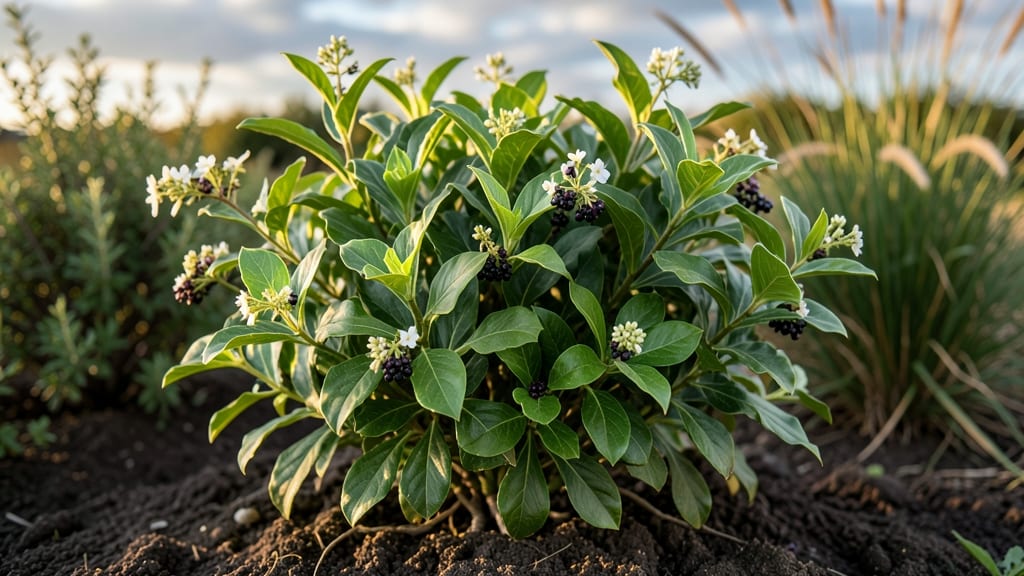
Your Wavy Leaf Privet Ligustrum’s glossy foliage shouldn’t look like it’s been singed by a campfire—copper spray is the secret weapon for blackened leaves. 🌿 I’ve nursed back more than a few of these striking shrubs, and the key is timing, concentration, and a little patience.
The wavy edges and rich green leaves make this plant a standout, but fungal issues can turn that beauty into a sad, brown mess overnight.
First, you’ll need copper fungicide (not soap or oil sprays), a garden sprayer, and gloves—this stuff isn’t gentle. The magic happens in late afternoon when humidity is high but before rain is forecast.
Apply until leaves glisten, focusing on undersides where spores hide. Most gardeners skip this step, but it’s the difference between a comeback and a write-off.
Within 7-10 days, you’ll see new growth pushing through, bright green and crisp. The copper disrupts fungal spores without harming beneficial insects, so your plant recovers without collateral damage.
Just repeat every 10-14 days until the blackened leaves fall naturally, and you’ll have a shrub that’s denser, healthier, and ready to reclaim its place in your landscape.
Works for hedges, borders, or containers—just adjust spray volume. For severe cases, combine with pruning out dead branches in early spring. The wavy foliage is worth the effort, and with this method, your Ligustrum will bounce back better than ever.
📚 In This Guide
- What you need
- Instructions
- Tips and common mistakes
- Wrapping up and next steps
What you need
- ● Copper fungicide spray: Choose a ready-to-use or concentrate formula (e.g., Bonide Copper Fungicide or Southern Ag Liquid Copper Fungicide). For a small to medium-sized shrub, a 16-oz bottle should suffice. If treating multiple plants, opt for a 32-oz gallon.
- ● Garden sprayer: A 1-2 gallon pump sprayer (e.g., Chapin 62510) for even coverage. Ensure it has a fine mist nozzle for precise application.
- ● Pruning shears: Bypass pruners (e.g., Fiskars PowerGear) for trimming severely affected branches. Sterilize with rubbing alcohol before and after use.
- ● Gloves: Nitrile or rubber gloves (e.g., Gloves USA) to protect your hands from copper residue.
- ● Water: Clean, lukewarm water (if diluting concentrate) and a hose with a gentle spray nozzle for rinsing tools.
- ● Weatherproof tarp or newspaper: To lay down and protect surfaces like patios or driveways from overspray.
- ● Hose-end sprayer: For larger shrubs or multiple plants, a hose-end copper sprayer (e.g., Dr. Bronner’s Hose-End Sprayer) saves time and effort.
- ● Fungicide booster: Add a 1 tsp of baking soda or 1 tbsp of neem oil per gallon of spray for enhanced fungal resistance.
- ● Ladder: If your privet is tall (over 6 feet), a stable step ladder ensures safe and thorough coverage.
- ● Label and marker: To mark treated areas and track application dates for future reference.
Instructions for reviving blackened wavy leaf privet ligustrum
Here’s how to diagnose and treat copper spray damage in your wavy leaf privet—step by step.
🌿 Step 1: Assess the Damage and Confirm Copper Spray Exposure
Start by examining the blackened leaves closely. Copper spray damage typically presents as dark, almost burnt patches on the leaf edges or tips, often paired with a slight curling. Unlike fungal issues, copper toxicity doesn’t produce white powdery mildew or rust-colored spots. If the blackened areas are crispy to the touch, copper buildup is likely the culprit.
Check the soil around the base of the plant. Copper residues can accumulate in the root zone, especially if the spray was applied heavily or repeatedly. If the soil appears slightly discolored or has a metallic sheen, that’s a strong indicator of overapplication. I’ve seen this happen most often when homeowners use garden fungicides without reading the label carefully—copper-based sprays are common but require precise timing and dosage.
✂️ Step 2: Prune Damaged Foliage and Improve Airflow
Use clean, sharp pruners to trim away all blackened or severely discolored leaves. Don’t hesitate to remove up to one-third of the plant’s foliage if necessary—this reduces stress on the remaining healthy tissue and prevents further copper absorption through damaged leaves. Prune just above a leaf node or lateral bud to encourage new growth. I like to work on a dry, sunny morning when the plant is fully hydrated, as this minimizes shock.
After pruning, focus on improving airflow around the plant. Copper toxicity often worsens in dense, shaded areas where humidity lingers. Space nearby plants at least 12 inches apart and remove any dead branches or debris that might trap moisture. If your privet is in a container, consider moving it to a sunnier spot or thinning out adjacent foliage. You’ll notice a difference within a week as new leaves emerge with better color and fewer signs of stress.
💧 Step 3: Flush the Soil and Adjust Watering Practices
Water the plant deeply to help leach out excess copper from the root zone. Aim for 1-2 gallons of water per foot of plant height, applied slowly at the base to avoid runoff. Repeat this process every 3-4 days for a week to encourage copper to move beyond the root zone. Avoid overhead watering during this period—it can redeposit copper onto fresh foliage and exacerbate the problem.
From now on, monitor soil moisture closely. Copper toxicity is more likely in plants that are already stressed by drought or overwatering. Stick your finger 2 inches into the soil—if it feels dry, water thoroughly. If it’s soggy, hold off until the top inch feels slightly crisp. Mulch the base with 2-3 inches of organic material (like shredded bark) to retain moisture and regulate temperature, which helps the plant recover faster.
☀️ Step 4: Apply Chelated Iron and Monitor for Recovery
Chelated iron is your best friend here. Copper toxicity disrupts iron uptake, leading to chlorosis (yellowing) even in healthy-looking leaves. Mix 1 teaspoon of chelated iron per gallon of water and apply it as a foliar spray in the early morning or late afternoon to avoid leaf burn. Focus on the undersides of leaves, where nutrient absorption is most efficient. Repeat every 7-10 days until new growth appears vibrant and green.
Keep an eye out for new leaves emerging from the nodes. Healthy privet foliage should have a glossy, deep green hue with the characteristic wavy edges. If you see yellowing between the veins after applying chelated iron, your plant is responding well—this means the iron is correcting the deficiency caused by copper stress. Avoid additional copper-based treatments for at least 6-8 weeks to give the plant time to recover fully.
⏰ Step 5: Prevent Future Copper Buildup and Strengthen the Plant
To prevent recurrence, rotate your fungicide or pesticide choices. If you’ve been using copper sprays, switch to a biological control like Bacillus subtilis or a neem oil-based spray for fungal issues. Always follow label instructions precisely—copper sprays should only be applied when leaves are dry and conditions are calm, never in high heat or humidity. I’ve found that applying sprays in the early evening reduces the risk of leaf burn and runoff.
Boost the plant’s resilience with a balanced fertilizer (10-10-10) applied in early spring and midsummer. This ensures steady nutrient uptake, which helps the privet outcompete copper toxicity. If your soil is heavy clay or alkaline, consider a soil acidifier like sulfur to improve iron availability. Over the next growing season, you’ll see stronger, more vibrant growth—proof that your privet is back on track.
Tips & tricks for reviving wavy leaf privet ligustrum
Here's what nobody tells you about saving your copper-damaged privet—these tricks make all the difference. Between us, I've nursed back more than a few plants that looked like they were beyond help.
Diagnosis Tip: When assessing damage in Step 1, don't just look at the leaves—check the undersides too. Copper toxicity often starts as subtle yellowing between veins on the leaf undersides before showing as blackened patches on top. I've seen cases where homeowners missed this early sign and waited too long to act. Grab a magnifying glass if needed—precision matters here.
Pruning Precision: In Step 2, when you're removing up to one-third of the foliage, focus on the oldest leaves first. These contain the most accumulated copper. I like to make my cuts at a 45-degree angle just above a leaf node—this creates a larger surface area for new growth to emerge. Also, sterilize your pruners with rubbing alcohol between cuts to prevent spreading any potential pathogens.
Watering Strategy: The 1-2 gallons per foot recommendation in Step 3 is crucial, but timing matters just as much. Apply water when the soil is already slightly dry—this helps flush out copper more effectively. I've found that using a soaker hose works best as it delivers water directly to the roots without disturbing the soil surface where copper may have settled.
Iron Application: For the chelated iron spray in Step 4, don't just focus on the blackened areas—apply it to the entire plant. Copper toxicity disrupts iron uptake systemically, so even healthy-looking leaves may need the boost. I've had best results when I mix the solution in a clean spray bottle and apply it until the undersides of leaves are visibly damp, but not dripping.
Pro Tips for Wavy Leaf Privet Ligustrum
- Here's what nobody tells you about saving your copper-damaged privet—these tricks make all the difference.
- Diagnosis Tip: When assessing damage in Step 1, don't just look at the leaves—check the undersides too.
- Pruning Precision: In Step 2, when you're removing up to one-third of the foliage, focus on the oldest leaves first.
Frequently asked questions
Got questions about reviving your wavy leaf privet ligustrum with copper spray? You’re not alone! Here are some of the most common concerns—and their solutions—to help you tackle blackened leaves like a pro.
Why are my wavy leaf privet leaves turning black, and is copper spray safe?
Blackened leaves are often caused by fungal diseases like anthracnose or bacterial leaf spot, which thrive in damp conditions. Copper spray is a preventive and curative treatment because it disrupts fungal/bacterial cell walls without harming plants or pollinators (when used correctly). Always follow label instructions—overuse can stress the plant.
How soon will I see results after applying copper spray?
Results vary, but you may notice slowed spread of blackening within 3–7 days. Full recovery depends on the disease’s severity and your plant’s health. For best results, apply copper spray every 7–14 days during wet seasons or after pruning. Patience is key!
Can I use copper spray as a preventative measure, or is it only for existing problems?
Copper spray is proactive—use it before issues arise, especially in humid climates or after rain. Apply it in early spring (before new growth) and fall (after leaf drop) to create a protective barrier. Think of it like plant armor against fungal invaders!
Are there organic alternatives if copper spray isn’t an option?
Yes! Try these natural fixes:
- Neem oil: Mix 1 tbsp with 1 quart water + a drop of dish soap. Spray on leaves (test a small area first!).
- Baking soda spray: 1 tsp baking soda + 1 quart water + a few drops of soap. Targets fungal spores.
- Pruning: Remove heavily infected branches (sterilize shears with rubbing alcohol) to improve airflow.
My privet’s leaves are crispy after spraying—what went wrong?
Overapplication or direct sunlight exposure after spraying can cause leaf burn. Fix it fast:
- Move the plant to shade for 24–48 hours.
- Mist leaves with water to dilute residue.
- Skip future sprays if temps exceed 85°F (29°C)—copper is less effective and riskier in heat.
Wrapping up and next steps
Reviving your wavy leaf privet ligustrum with copper spray is a game-changer—especially when those leaves start looking more like a charcoal sketch than lush greenery! 🌿 The key takeaway? Timing, consistency, and proper technique are your best allies.
Once you’ve tackled the blackened leaves with copper fungicide, your plant will bounce back stronger than ever, boasting vibrant foliage and that classic ligustrum charm.
Ready to see those leaves shine again? Grab your sprayer, follow the steps, and give your plant the TLC it deserves! Need more tips? Check out our guide on maintaining healthy privet shrubs next.