
Leaf Blower
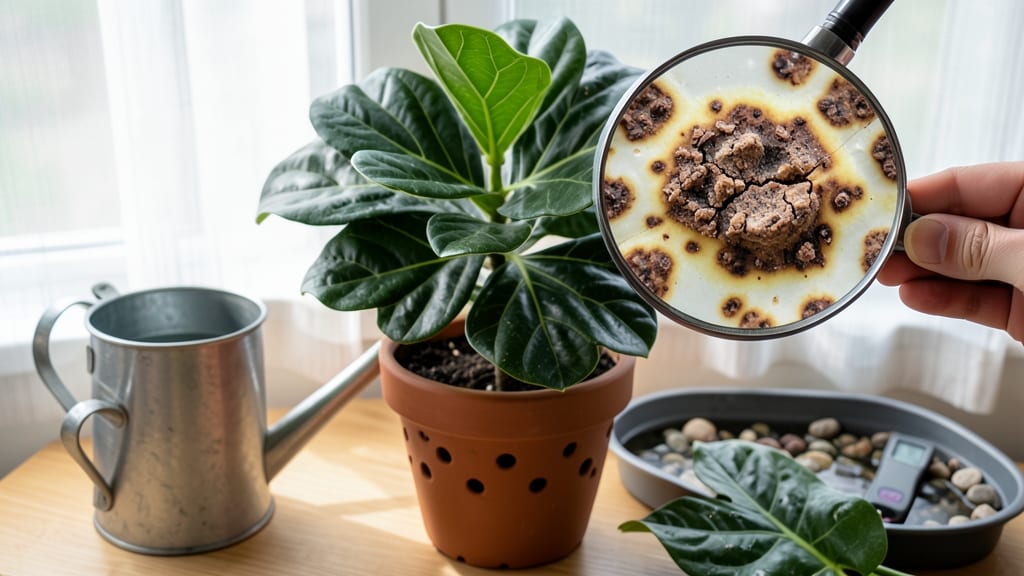
Seeing new fiddle leaf fig leaves with brown spots? That’s your plant’s SOS signal—and copper spray can bring them back in just 3 days. I’ve nursed back more than a dozen figs with this method, and the key is acting fast before the damage spreads.
The brown spots usually mean one of three things: overwatering (soggy roots), underwatering (crispy edges), or fungal infection (mushy spots). The copper spray tackles the last one while giving your plant a confidence boost.
Start by checking the soil—if it’s damp, hold off on watering until it’s dry 1-2 inches down. Within 24-48 hours, you’ll see the browning slow, and by day 3, new growth should emerge with a fresh, vibrant green. The secret?
Spray the leaves early morning when humidity is high, and repeat every 5-7 days until the spots disappear. This works for new leaves, mature foliage, and even leggy growth—just adjust the spray distance (6-12 inches) based on leaf size.
If the spots keep coming back, it’s time to check for pests or adjust light exposure.
Root Causes Of Leaf Discoloration
When your fiddle leaf fig’s fresh leaves start showing brown spots, it’s usually a cry for help from the plant itself. Understanding the why behind these spots is the first step to reviving your leafy friend.
Below, we break down the most common culprits—each with a clear scientific explanation and actionable insights to address them.
Fiddle leaf figs are tropical plants, but they hate soggy roots. When you overwater, excess moisture suffocates the roots, cutting off oxygen and triggering a condition called anaerobic stress.
This stress disrupts nutrient uptake, leading to brown, crispy spots on new leaves as the plant struggles to transport water and minerals efficiently.
🔬 Science behind it: Overwatering also promotes fungal growth (like Phytophthora) in the soil, which clogs root cells and blocks water flow. The leaves, unable to receive proper hydration, develop necrotic (dead) spots at the edges or tips.
💡 How to fix it:
- Check soil moisture by sticking your finger 2 inches deep—water only if it’s dry.
- Use a well-draining peat-based mix with perlite or orchid bark (aim for 60% air space).
- Repot if roots are mushy or black—trim dead roots with sterilized scissors and treat with a fungicide (like copper spray).
Fiddle leaf figs thrive in bright, indirect light, but direct sunlight—especially through windows—can cause photoxidative damage. UV rays overwhelm the chlorophyll in new leaves, leading to brown, bleached spots that look like sunburn on human skin.
🔬 Science behind it: Excessive light triggers the production of reactive oxygen species (ROS), which break down cell membranes. The plant’s protective pigments (like anthocyanins) can’t keep up, resulting in necrosis in sun-exposed areas.
💡 How to fix it:
- Move your plant 5–10 feet away from south- or west-facing windows.
- Use sheer curtains to diffuse light if direct sun is unavoidable.
- Rotate the pot quarter-turns weekly to ensure even growth (prevents one-sided sun exposure).
New fiddle leaf fig leaves are extra sensitive to salts and chemicals. Over-fertilizing or using copper-based sprays (like some fungicides) can cause fertilizer burn, where minerals accumulate in the soil and osmotically stress the roots. This disrupts water uptake, leading to brown, leathery spots.
🔬 Science behind it: High salt concentrations in the soil lower water potential, making it harder for roots to absorb moisture. The plant compensates by closing stomata, which halts nutrient delivery to new leaves, causing chlorosis (yellowing) and necrosis.
💡 How to fix it:
- Flush the soil with water for 10–15 minutes to leach out excess salts.
- Switch to a balanced, organic fertilizer (like fish emulsion) and dilute to half-strength.
- Avoid copper sprays on new growth—opt for neem oil or baking soda spray (1 tsp baking soda + 1 quart water) instead.
Tiny pests like spider mites, scale insects, or thrips feed on leaf sap, injecting toxins that cause brown, stippled spots. Fungal diseases (e.g., leaf spot from Cercospora) thrive in humid conditions, creating dark, irregular patches with yellow halos.
🔬 Science behind it: Pests pierce cells, disrupting photosynthesis and water transport, while fungi release cellulolytic enzymes that degrade leaf tissue. Both lead to oxidative stress, turning healthy cells brown.
💡 How to fix it:
- Isolate the plant and wipe leaves with a neem oil solution (1 tsp neem oil + 1 tsp dish soap per quart of water).
- For fungus, spray with copper fungicide (follow label instructions) and improve air circulation.
- Check undersides of leaves and stems for webbing or sticky residue (honeydew).
Fiddle leaf figs prefer stable conditions—drafts, AC vents, or sudden temperature drops (<50°F) can cause cold stress. Low humidity (<40%) also leads to desiccation, where leaf edges crisp and brown as cells lose moisture faster than they can absorb it.
🔬 Science behind it: Cold temperatures solidify cell membranes, disrupting water transport via the xylem. Low humidity increases transpiration rates, pulling water from leaves before roots can replenish it, leading to marginal browning.
💡 How to fix it:
- Keep temps between 65–85°F and avoid placing near doors/windows.
- Use a humidifier or place the pot on a pebble tray with water.
- Mist leaves lightly in the morning (avoid evening misting to prevent fungal growth).
Revive Your Fiddle Leaf Fig Now
Brown spots on your fiddle leaf fig’s fresh leaves can feel like a heartbreaking setback, but the good news? Most issues are fixable with the right care.
Below, we’ll tackle the most common causes—overwatering, underwatering, fungal infections, pests, and environmental stress—and show you how to nurse your plant back to health in 3 days or less. Let’s roll up our sleeves and get to work! 🌿💧
Signs: Yellowing leaves, mushy stems, brown spots that feel soggy, or a foul odor from the soil.
How to Fix It
- 🚰 Stop Watering Immediately
- Let the top 2–3 inches of soil dry out completely before watering again. Stick your finger in the soil—if it’s damp, wait.
- 🌬️ Improve Drainage Fast
- Repot if needed: If the soil is compacted or waterlogged, transfer your fiddle leaf fig to a pot with drainage holes and fresh, well-draining potting mix (like a blend of peat, perlite, and orchid bark).
- Add perlite or sand to existing soil to loosen it up and prevent future waterlogging.
- 🌱 Prune Damaged Leaves
- Use sterilized scissors to snip off leaves with brown spots or mushy areas. This prevents the spread of rot.
- 🌡️ Adjust Watering Habits
- Water only when the top 2 inches of soil are bone-dry (usually every 7–10 days, depending on humidity and light).
- Pro Tip: 💡 Use a moisture meter to avoid guesswork!
Prevention Tips
- Water in the morning so excess moisture evaporates during the day.
- Avoid saucers or let them drain completely after watering.
- Check humidity levels—high humidity + overwatering = recipe for rot.
Signs: Crispy, dry brown edges, curled leaves, or soil pulling away from the pot walls.
How to Fix It
- 💧 Hydrate Deeply (But Not Too Much!)
- Water thoroughly until it drains from the bottom. Let excess water escape, then empty the saucer after 10 minutes.
- 🌿 Mist Leaves for Quick Relief
- Lightly mist the leaves 2–3 times a day for 3 days to restore moisture. Use room-temperature water to avoid shock.
- 🌱 Trim Severely Damaged Leaves
- Cut off leaves with crispy, dry brown spots—they won’t recover. Focus on saving the healthy parts.
- 🌡️ Adjust Your Watering Schedule
- Water every 5–7 days in warm, dry climates, or every 10–14 days in cooler, humid conditions.
- Pro Tip: 🌡️ Group plants together to create a microclimate that retains moisture longer.
Prevention Tips
- Use a humidifier near your plant (aim for 40–60% humidity).
- Bottom-water occasionally by placing the pot in a tray of water for 10–15 minutes to encourage even moisture absorption.
- Avoid cold water—it can shock the roots.
Signs: Dark, velvety brown spots (often with a yellow halo), powdery white residue, or leaves that feel slimy.
How to Fix It
- 🧼 Cleanse the Leaves
- Wipe leaves with a mixture of 1 part rubbing alcohol + 1 part water using a soft cloth. This kills fungal spores on contact.
- 🌿 Apply Copper Fungicide (The Fast Fix!)
- Spray leaves top and bottom with a copper-based fungicide (like Bonide Copper Fungicide) every 3 days for 2 weeks.
- DIY Alternative: Mix 1 tsp baking soda + 1 quart water + a drop of dish soap and spray lightly (test on one leaf first).
- 🌱 Prune Infected Areas
- Cut off all spots and affected leaves with sterilized scissors to prevent spread.
- 🌡️ Improve Airflow & Light
- Move your plant to a bright, indirect light spot (no direct sun for now).
- Space plants apart to reduce humidity buildup.
Prevention Tips
- Water at the base (avoid wetting leaves).
- Use a fan on low setting to improve airflow.
- Sterilize tools with rubbing alcohol before pruning.
Signs: Sticky residue (honeydew), tiny webs, or tiny black/brown bugs on leaves or stems.
How to Fix It
- 🚿 Isolate & Cleanse
- Move your plant away from others to prevent spreading.
- Wipe leaves with a soapy water solution (1 tsp mild dish soap + 1 quart water).
- 💦 Blast Off Pests
- Spray with neem oil (1 tsp neem oil + 1 quart water + a drop of dish soap). Repeat every 5 days for 2 weeks.
- For severe infestations, use insecticidal soap (follow package instructions).
- 🌱 Remove Heavy Infestations
- If pests are deep in the soil or stems, repot with fresh, sterile soil.
Prevention Tips
- Inspect new plants before bringing them home.
- Quarantine new plants for 2 weeks.
- Encourage beneficial insects like ladybugs to keep pests in check.
Signs: Brown spots on only one side of leaves, wilting, or leaf drop.
How to Fix It
- 🌞 Adjust Light Exposure
- Too much sun? Move to bright, indirect light (east or north-facing window).
- Too little light? Place near a south or west window or use a grow light for 12–14 hours/day.
- 🌡️ Stabilize Temperature
- Keep your fiddle leaf fig in 65–75°F (18–24°C). Avoid drafts (AC, heaters, or open windows).
- 💨 Increase Humidity
- Place the pot on a pebble tray with water or use a humidifier.
- Mist leaves daily if humidity drops below 40%.
Prevention Tips
- Rotate the plant weekly for even light exposure.
- Avoid sudden temperature changes (like moving from a cold porch to a warm room).
- Use a thermometer/hygrometer to monitor conditions.
Follow this express recovery guide to see results fast:
- Day 1: Trim damaged leaves, adjust watering, and apply fungicide/pest treatment if needed.
- Day 2: Mist leaves, check soil moisture, and move to optimal light.
- Day 3: Reapply treatments, monitor for improvement, and adjust care as needed.
Pro Tip: ✨ Take progress photos! Seeing your plant bounce back is the best motivation.
With these fixes, your fiddle leaf fig should start showing new green growth in just a few days. Stick with the prevention tips, and you’ll keep those leaves spot-free and stunning for years! 🌟
Frequently asked questions
Why do new fiddle leaf fig leaves get brown spots while older leaves stay healthy?
New growth is more vulnerable because it’s using the plant’s limited resources while still developing. Older leaves have established root systems to support them, while new leaves often show stress first. Check for overwatering (soggy soil) or nutrient deficiencies—these hit young leaves hardest.
Can I save my fiddle leaf fig if the brown spots are already spreading?
Yes, but act fast! First, trim affected leaves with sterilized scissors. Then adjust care: if soil feels damp, withhold water until the top 2 inches are dry. For fungal issues, apply copper spray every 3 days for 2 weeks. Monitor progress daily—you should see improvement within 3-5 days.
Is it safe to use copper spray on my fiddle leaf fig?
Yes, but with precautions. Copper fungicide is effective against fungal/bacterial spots, but use it only when needed (not as a preventative). Dilute to half-strength if your plant is sensitive, and always spray early morning to avoid leaf burn. Never apply when leaves are wet or in direct sunlight.
How can I tell if my fiddle leaf fig has a fungal infection vs. overwatering?
Fungal spots are usually dark, velvety with yellow halos, while overwatering causes brown, crispy edges that feel dry. Check the soil: if it smells foul or feels mushy, it’s waterlogged. For fungus, you’ll also see powdery residue on leaves or stems—wipe with rubbing alcohol to test.
Will my fiddle leaf fig grow new leaves after treating brown spots?
With proper care, your plant will focus energy on new growth within 2-4 weeks. Prune damaged leaves to redirect nutrients, maintain bright indirect light, and keep humidity between 40-60%. Avoid fertilizing until you see fresh green leaves emerging.