
Leaf Blower
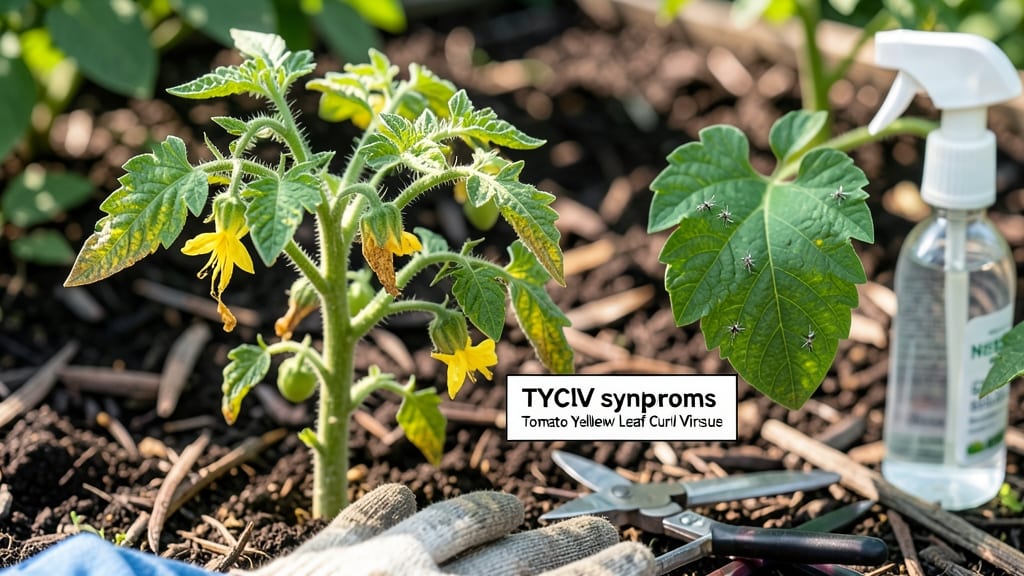
When your tomato leaves start curling yellow like a sad wave goodbye, 🌱 you're dealing with Tomato Yellow Leaf Curl Virus (TYLCV)—and copper spray is your best shot at stopping it fast.
I've watched this stubborn virus turn vibrant plants into wilting shadows, but I've also seen copper sprays turn the tide when applied early. The key isn't just spraying—it's timing, technique, and preventing those tiny whiteflies that carry the virus from crashing your garden party again.
Here's the hard truth: once TYLCV takes hold, there's no cure—only damage control. That's why copper spray works best as a preventative shield, especially when you spot those first telltale curls in late spring.
The spray disrupts the virus's ability to spread while also keeping fungal spots at bay, giving your plants a fighting chance. Think of it like armor for your leaves, but you've got to apply it right—morning applications work best, and always follow up after rain.
What you'll actually achieve is plants that stay green longer, produce more tomatoes, and resist the virus's spread to neighboring plants. The copper leaves a faint blue-green film that washes away with rain, and when combined with sticky traps for whiteflies, you create a double barrier.
My heirloom San Marzano plants went from looking defeated to thriving mid-season after switching to this routine.
This works for both backyard gardens and container setups, though larger plots may need repeat applications every 7-10 days during whitefly season. The secret weapon? Pairing copper spray with resistant varieties like 'Heatmaster' or 'Solar Fire'—they buy you time while you fight the virus battle.
Let's get those plants protected before the whiteflies show up.
Root Causes of Leaf Curl
Tomato yellow leaf curl isn’t just a random misfortune—it’s the result of a viral infection spread by specific triggers. Understanding these causes is key to preventing outbreaks and protecting your garden. Below, we break down the real culprits behind this destructive pathogen.
The primary vector for tomato yellow leaf curl virus (TYLCV) is the whitefly (Bemisia tabaci), a tiny, sap-sucking insect. Here’s how it works:
- Mechanical Transmission: Whiteflies feed on infected plants, then move to healthy ones, injecting the virus through their saliva as they pierce plant tissues.
- Rapid Spread: A single whitefly can contaminate dozens of plants in a season. Outbreaks in greenhouses or warm climates (where whiteflies thrive) escalate quickly.
- Life Cycle: These pests reproduce exponentially—females lay hundreds of eggs, and nymphs mature in 10–14 days under ideal conditions (75–90°F).
Actionable Tip: 🔍 Monitor undersides of leaves for sticky residue (honeydew) and tiny whiteflies. Use yellow sticky traps to track populations early.
TYLCV thrives in hot, arid environments. Here’s why climate plays a role:
| Factor | Impact on Virus Spread |
|---|---|
| High Temperatures (80–95°F) | Whiteflies multiply faster, increasing virus transmission rates by 30–50%. |
| Low Humidity (<40%) | Plants become stressed, weakening defenses. Drought conditions also attract whiteflies seeking moisture. |
| Poor Airflow | Stagnant air traps heat and humidity, creating ideal breeding grounds for whiteflies in greenhouses or dense plantings. |
Pro Tip: 🌡️ Use shade cloth (30–50%) in peak summer to reduce heat stress. Drip irrigation at soil level keeps foliage dry, deterring whiteflies.
Healthy tomatoes resist TYLCV better. Stressors that lower defenses include:
- Nutrient Deficiencies: Low phosphorus or potassium weakens cell walls, making them easier for viruses to invade.
- Overcrowding: Poor spacing reduces airflow, increasing humidity and whitefly activity.
- Previous Viral Exposure: Plants that survived mild infections may still harbor the virus asymptomatically, acting as reservoirs.
- Transplant Stress: Shock from grafting, pruning, or transplanting opens wounds where whiteflies can inject the virus.
Prevention Hack: 💪 Hardening off seedlings (gradually exposing them to outdoor conditions) reduces transplant shock. Mulch with compost to improve soil health and root strength.
By addressing these root causes—whitefly control, climate management, and plant resilience—you can dramatically reduce the risk of TYLCV taking hold in your garden. Next, we’ll explore early warning signs so you can act before the damage spreads.
How to Treat and Prevent Leaf Curl
When your tomato plants show the first signs of yellowing, curling, or stunted growth, acting fast is key to saving your harvest. Below, we break down practical, step-by-step solutions tailored to the root causes of leaf curl—whether it’s viral, fungal, or environmental.
Prevention tips are woven in to keep your garden healthy long-term.
If the curl is caused by Tomato Yellow Leaf Curl Virus (TYLCV), infected plants are a dead end.
The virus spreads via aphids and contaminated tools, so: - 🍅 Pull up and destroy affected plants (don’t compost them—they can reinfect). - 🔪 Sterilize pruners with rubbing alcohol (70% or higher) between cuts to avoid cross-contamination. - 🌡️ Monitor nearby plants for 7–10 days; isolate new symptoms immediately.
💡 Pro Tip: If you’re unsure whether it’s viral or fungal, check for white, cottony mold (powdery mildew) or black spots (early blight). Viral curl is irreversible—focus on saving uninfected plants.
If the issue is fungal (like early blight or septoria leaf spot), copper-based sprays are your best defense.
They’re non-toxic, organic, and effective at stopping spores in their tracks: 1. 🛒 Buy a ready-to-use copper fungicide (e.g., Bonide Copper Fungicide) or mix copper sulfate (1 tsp per gallon of water) with a sticky spreader (like dish soap, ½ tsp per gallon).
- 👨🍳 Spray thoroughly—undersides of leaves, stems, and soil around the base. Aim for even coverage (mist, not drip).
- ⏰ Apply preventatively every 7–10 days during humid weather or after rain. For active infections, spray every 3–5 days until symptoms stop.
- 🌧️ Reapply after rain—copper washes off easily, so consistency is critical.
✨ Bonus: Pair copper sprays with neem oil (1 tsp per quart of water) to boost antifungal and aphid-repelling power.
A healthy plant fights off stress better. Use these low-effort boosters: - 💪 Fertilize wisely: Over-fertilizing with nitrogen weakens defenses. Use a balanced 10-10-10 or fish emulsion (high in micronutrients) instead. - 🍎 Prune for airflow: Thin crowded foliage to reduce humidity and fungal spread.
Aim for open, sunlit plants. - 🌞 Maximize sunlight: Leaf curl thrives in shade. Ensure 6–8 hours of direct sun daily. - 🚰 Water at the base: Avoid wetting leaves (especially in the evening) to prevent fungal spores from latching on.
Since TYLCV spreads via aphids, disrupt their lifecycle: - 🕷️ Introduce predator insects like ladybugs or lacewings (buy online or attract with dill or fennel plants). - 🧼 Use insecticidal soap (1 tbsp mild soap per quart of water) to blast aphids off leaves.
Spray early morning or late evening to avoid harming bees. - 🪟 Install yellow sticky traps near plants to catch flying aphids before they spread. - 🌿 Companion plant with basil, marigolds, or garlic—their scents repel aphids naturally.
Stop leaf curl before it starts with these easy habits:
| Action | How to Do It | Why It Works |
|---|---|---|
| Rotate crops | Plant tomatoes in a different spot every year. | Breaks soil-borne pathogen cycles. |
| Start with resistant varieties | Choose heat-tolerant, virus-resistant tomatoes like ‘Solar Fire’ or ‘Mountain Merit’. | Reduces TYLCV susceptibility. |
| Solarize soil | Cover soil with clear plastic for 4–6 weeks in summer to kill viruses/fungi. | Eliminates overwintering pathogens. |
| Buy certified seed | Avoid seeds from unknown sources—opt for reputable nurseries. | Cuts risk of contaminated seed. |
If 50%+ of your plants show viral symptoms:
- 🌱 Pull everything out and fumigate the soil (or cover with cardboard + mulch for 2 months).
- 🔄 Wait until next season to replant tomatoes in the same spot—viruses can linger in soil.
- 💦 Test soil pH (aim for 6.0–6.8)—unbalanced soil stresses plants, making them more vulnerable.
Final Thought: While TYLCV is untreatable, combining copper sprays, aphid control, and resistant varieties can save your garden—and your sanity. Stay vigilant, and your tomatoes will reward you with juicy, curl-free harvests! 🍅🌱
Frequently asked questions
Can copper spray actually cure Tomato Yellow Leaf Curl Virus (TYLCV)?
No, copper spray won't cure TYLCV since it's a virus, not a fungal or bacterial infection. However, it's highly effective at preventing secondary fungal infections and controlling whiteflies—the insects that spread TYLCV. Use it as part of an integrated approach with resistant varieties and sticky traps for best results.
How do I know if my tomato plants have TYLCV or just nutrient deficiency?
TYLCV causes upward-curling leaves with yellowing that starts at leaf edges, while nutrient deficiencies often show as uniform yellowing between veins (chlorosis). Check for tiny whiteflies on undersides of leaves—these are the primary carriers of TYLCV. A soil test can confirm nutrient issues.
What's the best time of day to apply copper spray for maximum effectiveness?
Apply copper spray in the early morning when temperatures are below 85°F and there's no direct sunlight. This prevents leaf burn and allows the copper to bond properly to plant surfaces. Avoid spraying when rain is forecasted within 4 hours to prevent washing it off.
Are there any tomato varieties that are completely resistant to TYLCV?
No variety is 100% resistant, but some like 'Heatmaster' and 'Solar Fire' show strong tolerance. For greenhouses, look for varieties labeled "TYLCV-resistant" and combine them with strict whitefly control measures. The best defense is a multi-layered approach combining resistant plants with copper sprays and sticky traps.
How long does it take for copper spray to show results against fungal infections?
You should see noticeable improvement in 5-7 days with consistent applications every 7-10 days. For severe infections, apply every 3-5 days until symptoms disappear. Remember to spray both leaf surfaces thoroughly for best coverage. The copper creates a protective barrier that prevents spores from infecting new tissue.