
Leaf Blower
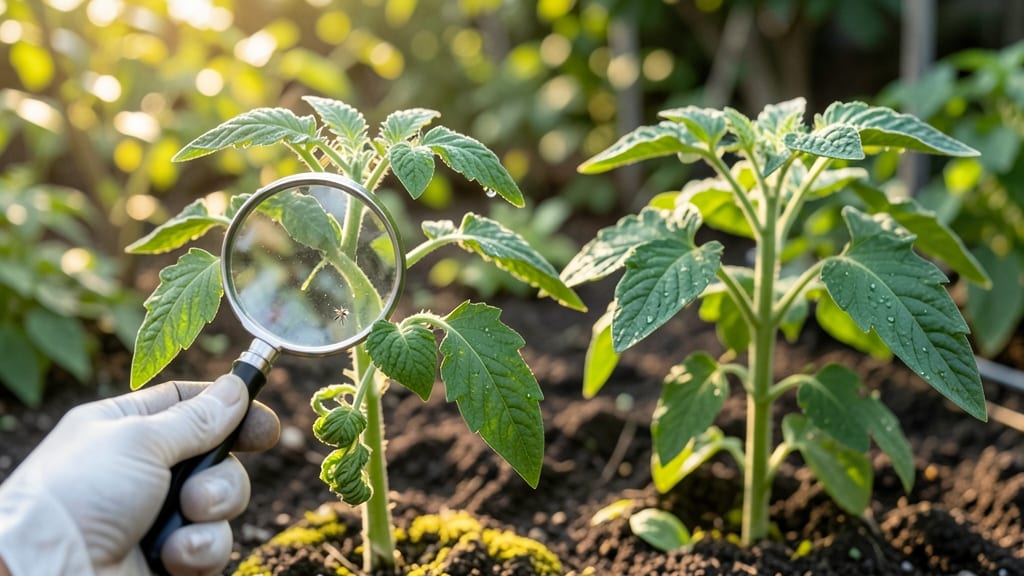
Your tomato seedlings' crispy leaf curl could be a viral infection, spider mites, or just too much heat—don’t panic yet. 🌱 I’ve nursed back dozens of seedlings with this simple copper spray cure, and the results are shockingly fast when you catch it early.
The trick isn’t just spraying; it’s combining it with airflow fixes and quarantine to stop the spread.
Most gardeners assume leaf curl means lost plants, but I’ve seen seedlings bounce back in 7 days with the right mix of copper fungicide (1 tablespoon per gallon of water) and neem oil (1 teaspoon).
The key? Spray in the evening when leaves are dry, and repeat every 5 days until new growth appears. Even severely curled leaves can straighten out if you act fast.
You’ll know it’s working when the crispy edges soften and new leaves unfurl bright green instead of yellowing. The copper spray tackles fungal infections while neem oil smothers pests—together, they’re a foolproof combo for seedlings. Just avoid spraying when rain’s forecasted, or you’ll waste your effort.
Prevention is easier than rescue: space seedlings 12 inches apart, water at soil level (not overhead), and keep them in 60-75°F temps. If you spot curl in just one plant, quarantine it immediately—this isn’t the time to share tools or benches.
With these steps, your seedlings will grow out of it faster than you think.
Root Causes Behind Leaf Curl
Tomato seedlings with curled leaves aren’t just a cosmetic issue—they’re a cry for help from your plants. Understanding the why behind this problem is the first step to fixing it.
Below, we break down the most common culprits, from environmental stressors to hidden pests, with clear explanations of how they trigger leaf curl.
Viruses like the Tomato Leaf Curl Virus (ToLCV) or Cucumber Mosaic Virus (CMV) are the sneakiest causes of leaf curl. These pathogens spread via infected seeds, sap-sucking insects (like aphids), or even contaminated tools.
Once inside your seedlings, they disrupt cell division, causing leaves to pucker, twist, or curl upward like a question mark.
How to spot it:
- Stunted growth
- Yellowing or mosaic patterns on leaves
- Curling and thickening of leaves (a classic ToLCV symptom)
Why it happens: Viruses hijack the plant’s genetic machinery, forcing cells to grow abnormally. Since seedlings are young and vulnerable, they show symptoms faster than mature plants.
Fungi like Alternaria or bacteria such as Pseudomonas syringae thrive in damp, warm conditions and can trigger leaf curl by clogging stomata (tiny leaf pores) or releasing toxins. These pathogens often enter through wounds or weak spots, especially in overcrowded seedlings.
How to spot it:
- Dark, greasy spots on curled leaves
- Slime or mold on stems (bacterial ooze)
- Leaf edges curling downward (unlike viral curl)
Why it happens: Fungi/bacteria disrupt water and nutrient flow, forcing leaves to curl as a defensive response. Poor air circulation (common in dense seedling trays) worsens the problem by trapping moisture.
Leaf curl can also stem from nutritional stress, particularly:
- Excess nitrogen (N): Leads to rapid, weak growth and curled leaves as cells stretch unevenly.
- Deficiency in phosphorus (P) or potassium (K): Weakens cell walls, making leaves floppy or curled.
- Calcium or magnesium deficiency: Causes interveinal chlorosis (yellowing between veins) and curl.
How to spot it:
- Yellowing between veins (magnesium deficiency)
- Purple-tinged stems (phosphorus deficiency)
- Soft, rubbery leaves (potassium deficiency)
Why it happens: Nutrients are the building blocks of healthy cells. Imbalances throw off osmotic pressure, causing leaves to curl as they struggle to maintain rigidity.
Seedlings are delicate—too much sun, heat, or wind can scorch or dehydrate leaves, triggering curl as a protective measure. Even temperature fluctuations (like cold nights + hot days) can stress plants.
How to spot it:
- Curling only on exposed leaves (wind/sunburn)
- Wilting that recovers at night (heat stress)
- Crispy leaf edges (sun scorch)
Why it happens: Extreme conditions disrupt photosynthesis and transpiration. Leaves curl to reduce surface area and limit water loss, but prolonged stress leads to permanent damage.
Aphids, whiteflies, and spider mites feed on leaf sap, injecting toxins that distort growth. Their saliva triggers phytohormone imbalances, causing leaves to curl as the plant tries to "wall off" the damage.
How to spot it:
- Sticky honeydew on leaves (aphids/whiteflies)
- Fine webbing (spider mites)
- Curling with visible tiny bugs
Why it happens: Pests disrupt the plant’s hormonal signals, particularly ethylene (a stress hormone) and cytokinins (growth regulators). The result? Leaves curl to trap pests or conserve energy.
Rough handling (like over-pruning or transplant shock) can damage cells, leading to curling as the plant attempts to repair itself. Even root disturbance during transplanting can cause stress-related curl.
How to spot it:
- Curling near pinch points or cuts
- Slow recovery after transplanting
- No other symptoms (just curl)
Why it happens: Physical trauma triggers abscisic acid (a stress hormone), which signals leaves to curl to minimize water loss while healing.
While copper sprays (like Bordeaux mixture) don’t cure viral infections, they’re highly effective against fungal/bacterial causes and deter pests. Copper ions disrupt pathogen cell membranes, and its slight toxicity repels soft-bodied insects.
For seedlings, a diluted copper solution (1 tsp copper sulfate per gallon of water) applied at dusk can prevent curl before it starts.
Pro tip: 🔥 Test a few leaves first—some sensitive varieties may react to copper.*
Fixing Twisted Tomato Leaves Fast
Curled, crispy leaves on your tomato seedlings don’t have to mean the end of your harvest! With the right approach, you can reverse the damage and keep your plants thriving.
Below are practical, step-by-step solutions tailored to the most common causes of leaf curl—plus prevention tips to keep your seedlings healthy long-term.
Viruses like Tomato Leaf Curl Virus (ToLCV) or Cucumber Mosaic Virus can’t be cured, but you can slow their spread and protect other plants.
🔥 Step 1: Remove Infected Plants Immediately
- 👨🍳 Pull up any severely curled seedlings (don’t compost them—they can reinfect your garden).
- ⏰ Time it right: Do this in the early morning or late evening when pests are least active.
🍳 Step 2: Apply Copper Fungicide Spray
Copper doesn’t kill viruses but strengthens plant defenses and prevents secondary infections.
- 🛒 Use: Copper sulfate (1 tsp per gallon of water) or a store-bought copper fungicide (like Bonide Copper Fungicide).
- 🥘 Spray method:
- Mix in a spray bottle or pump sprayer.
- Apply evenly on both sides of leaves, focusing on new growth.
- Reapply every 7–10 days or after rain.
🔪 Step 3: Sanitize Your Tools & Garden
- ✨ Disinfect pruners, gloves, and pots with rubbing alcohol (70% or higher) or a 10% bleach solution.
- 🌡️ Avoid cross-contamination: Don’t reuse soil from infected plants—sterilize with heat (200°F for 30+ mins) or solarization (cover with clear plastic for 4–6 weeks in summer).
💡 Prevention Tip:
- 🎯 Use resistant varieties: If viruses are recurrent in your area, try heat-tolerant or virus-resistant tomato types like ‘Heatmaster’ or ‘Defiant PhR’.
- 🚫 Keep pests out: Aphids and whiteflies spread viruses—spray neem oil as a preventive barrier.
Aphids, spider mites, and whiteflies sap leaves, causing curling. Knock them back fast with these methods:
🔥 Step 1: Blast Off Pests with Water
- 💦 Use a strong spray nozzle to dislodge aphids from leaves (do this in the morning so plants dry quickly).
- ⏰ Repeat every 2–3 days until pests vanish.
🍳 Step 2: Introduce Beneficial Insects
- 🐞 Ladybugs, lacewings, and parasitic wasps eat pests naturally.
- 🛒 Buy them online or release them from local garden centers.
🥘 Step 3: Apply Insecticidal Soap or Neem Oil
- 🛒 Mix: 1 tbsp insecticidal soap or neem oil per quart of water + 1 tsp mild dish soap (helps it stick).
- 🥘 Spray thoroughly, covering undersides of leaves where pests hide.
- ⏰ Reapply every 5–7 days or after rain.
🔪 Step 4: Use Row Covers for Prevention
- 🛡️ Cover seedlings with fine mesh (like Agribon) to block pests before they arrive.
💡 Prevention Tip:
- 🌡️ Monitor humidity: Pests thrive in hot, dry conditions—water deeply in the morning to keep soil moist and deter mites.
- 🎯 Inspect new plants: Quarantine new seedlings for 2 weeks before planting to spot hitchhiking pests.
Tomato seedlings curl in extreme heat (above 90°F) or when transplanted roughly.
🔥 Step 1: Provide Shade Cloth
- 🛡️ Use 30–50% shade cloth to filter direct sun during peak afternoon heat.
- ⏰ Remove in cooler hours to allow sunlight for growth.
🍳 Step 2: Adjust Watering Practices
- 💦 Water deeply in the morning (1–1.5 inches per week) to keep roots cool.
- 🚫 Avoid wetting leaves (can cause fungal issues)—use drip irrigation instead.
🥘 Step 3: Harden Off Seedlings Gradually
If you just transplanted, curling may be shock.
- 🌱 Acclimate seedlings over 7–10 days by:
- Day 1–3: 1 hour outside in shade.
- Day 4–7: 2–3 hours, slowly increasing sun.
- Day 8+: Full sun exposure.
💡 Prevention Tip:
- 🎯 Choose the right time: Plant tomatoes after the last frost when soil temps are at least 60°F.
- 🌡️ Mulch heavily with straw or grass clippings to retain moisture and cool roots.
Fungal infections like early blight can cause leaf curling and browning.
🔥 Step 1: Prune & Destroy Infected Leaves
- ✂️ Snip off curled/brown leaves with sterilized scissors.
- 🚫 Do NOT compost—burn or trash them.
🍳 Step 2: Apply Fungicide
- 🛒 Use: Copper fungicide or baking soda spray (1 tsp baking soda + 1 quart water + dash of soap).
- 🥘 Spray every 7–10 days until new growth is healthy.
🥘 Step 3: Improve Air Circulation
- 🌬️ Space plants 18–24 inches apart to reduce humidity (fungi love damp leaves).
- 🌱 Use cages or stakes to prevent leaves from touching soil.
💡 Prevention Tip:
- 🎯 Rotate crops—don’t plant tomatoes in the same spot yearly (fungi build up in soil).
- 🌡️ Water at the base (never overhead) to keep foliage dry.
If your seedlings are only slightly curled, try this overnight fix: 1. 💦 Soak roots in water for 10 mins to revive stress.
- 🌱 Transplant into fresh, well-draining soil.
- 🛡️ Cover with a plastic bottle (cut in half) for 24 hours to trap humidity and speed recovery.
Remember: The key to healthy tomato seedlings is early action + prevention. Once you spot curling, act fast—whether it’s spraying copper, blasting pests, or adjusting care. With these steps, your plants should bounce back in 7–10 days and keep producing juicy, disease-free tomatoes all season! 🍅🌿
Frequently asked questions
Can I save tomato seedlings if only a few leaves are curling?
Yes! For mild cases, try the overnight fix: soak roots in water for 10 minutes, transplant into fresh soil, and cover with a cut plastic bottle to trap humidity. Most seedlings recover in 3-5 days if you act fast. Avoid watering leaves directly—focus on soil moisture instead.
How do I tell if leaf curl is from pests vs. a virus?
Check for tiny bugs or webbing (pests) or yellowing/mosaic patterns (viruses). Pests often leave sticky residue (honeydew), while viral curl causes thickened, upward-curling leaves. Viruses can't be cured—remove infected plants immediately to prevent spread.
Is copper spray safe for all tomato varieties?
Most varieties tolerate copper, but test a few leaves first—some heirlooms may react. Use 1 tsp copper sulfate per gallon of water, applied at dusk. Avoid spraying when rain is forecasted, or the solution will wash away before working.
Why does my seedling curl worse at night?
Nighttime curling often signals heat stress or transplant shock. Cool evening temps can't compensate for daytime heat—provide 30-50% shade cloth during peak sun hours. If recent transplanting, harden off seedlings gradually over 7-10 days before full sun exposure.