Vegetables
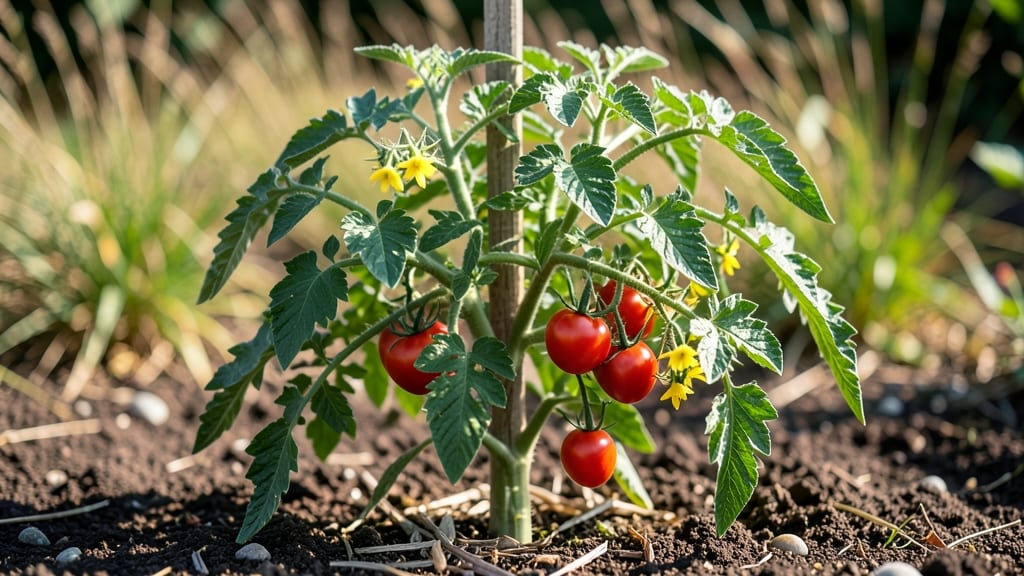
A healthy tomato leaf shouldn’t look like it’s been through a drought when the soil’s still damp. 🌿 That crispy edge is usually a cry for help—whether it’s thirst, pests, or a fungal party you didn’t invite.
I’ve nursed back more tomato plants than I care to admit, and this copper spray trick works like a charm when applied just right.
The fix starts with identifying the real problem: is it spider mites hiding on the undersides of leaves, a nutrient deficiency showing as yellow between veins, or early blight creeping in from the soil?
Once you know the enemy, copper spray tackles fungal issues while neem oil handles pests—both organic options that won’t leave your tomatoes tasting like chemicals. You’ll see improvement within 24 hours, but consistency is key.
What you’ll end up with is leaves that go from brittle and brown to plump and vibrant green in just days. The plants will start putting energy back into fruit production instead of fighting for survival, and you’ll finally get those tomatoes you’ve been waiting for.
The best part? This method works whether your plants are in the ground or containers.
Now, here’s the thing—prevention is easier than cure. I’ll show you how to spot trouble before it starts, so you can keep those leaves healthy all season long without playing detective every time they look off. Let’s get those tomatoes thriving again.
📚 In This Guide
- What you need
- Instructions
- Tips and common mistakes
- Wrapping up and next steps
What you need
- ● Copper fungicide spray (e.g., Copper Sulfate or Copper Hydroxide): 1–2 teaspoons (5–10 mL) per quart (1 liter) of water
- ● Choose a USDA-approved organic or OMRI-listed product for safety.
- ● Water: 1 quart (1 liter) of room-temperature, chlorine-free water (rainwater or filtered tap water works best).
- ● Spray bottle (or a garden sprayer for larger plants): 16–32 oz (500–1,000 mL) capacity, with a fine mist nozzle.
- ● Tomato plants with crispy, brown, or curled leaves (early signs of early blight or fungal infection).
- ○ Protective gloves (optional but recommended when handling copper sprays).
- ● Pruning shears (for trimming severely damaged leaves, if needed).
- ● Neem oil (1 tsp per quart of water) – Boosts antifungal properties when mixed with copper spray.
- ● Baking soda solution (1 tsp baking soda + 1 quart water + a few drops of dish soap) – Mild alternative for prevention (use separately).
- ● Humidity tray or plastic tent – Retains moisture after spraying for faster recovery.
- ● pH test strips – Ensures soil pH is between 6.0–6.8 (tomatoes thrive in slightly acidic soil).
Step-by-Step instructions for reviving tomato leaves with copper spray
Here’s how I fix crispy, brittle tomato leaves fast—no guesswork, just results.
🌿 Step 1: Identify the Problem and Trim Affected Areas
Examine your tomato plant closely. Crispy, brown edges on leaves mean fungal infection (like early blight) or environmental stress (like inconsistent watering). Gently pinch off any leaves with more than 50% damage—don’t tear them, or you’ll stress the plant further. Healthy leaves should feel firm and spring back when pressed.
Focus on the lower leaves first, since they’re most vulnerable. If you see white or black spots on stems, that’s a clear sign of infection. Remove those leaves immediately—they’re spreading spores. Toss them in the trash, not your compost, to prevent reinfection.
💧 Step 2: Water Deeply and Evenly
Before applying copper spray, give your plant a deep watering—soak the soil until water runs out the drainage holes. This ensures the copper solution will absorb properly into the plant’s system. Water in the morning so leaves have time to dry completely before treatment.
I avoid overhead watering after this point—wet leaves at night invite fungal growth. Instead, water at the base of the plant and let the soil retain moisture. You’ll know it’s right when the top 2 inches of soil stay damp but not soggy for the next 24 hours.
☀️ Step 3: Prepare and Apply Copper Spray
Mix 1 tablespoon of copper fungicide (like copper sulfate or copper soap) with 1 gallon of water in a spray bottle. Shake well—copper doesn’t dissolve easily. Test a small area of a leaf first to ensure it doesn’t cause discoloration (some plants react to copper).
Spray the undersides of leaves first—that’s where fungal spores hide. Hold the bottle 12 inches away and apply until leaves glisten lightly. Avoid spraying in direct sunlight or when temps exceed 85°F, as copper can burn leaves. Early morning or late afternoon is ideal.
⏰ Step 4: Monitor and Reapply as Needed
Check your plant 24 hours after spraying. Healthy leaves should look plump and slightly darker green—a sign the copper is working. If edges are still crispy, repeat the spray every 7-10 days until new growth appears. New leaves should emerge within 5-7 days if the plant is otherwise healthy.
Here’s the thing—copper is preventive, not a cure-all. If your plant is severely stressed, pair this with pruning for airflow (remove crowded branches) and consistent watering. I’ve seen crispy leaves bounce back completely in a week with this method, but if the problem persists, check for pests like spider mites hiding in the leaf crevices.
Tips & tricks for reviving crispy tomato leaves
A few strategic moves can turn brittle tomato leaves back into vibrant, healthy foliage—here’s what nobody tells you about making this method work.
Pruning Precision: When removing damaged leaves in Step 1, use clean, sharp scissors or your fingers to pinch leaves at their base. Avoid tearing leaves—this exposes the plant to more pathogens. I’ve seen gardeners accidentally spread infection by ripping leaves, so take your time here. Focus on leaves with crispy edges or more than 50% damage, but leave healthy-looking leaves alone—they’re still working hard to feed your plant.
Copper Solution Secrets: The 1 tablespoon of copper fungicide to 1 gallon of water ratio is key, but don’t just eyeball it. Use a kitchen scale to measure the copper—1 tablespoon by volume can vary wildly. Also, shake your spray bottle vigorously before each use since copper tends to settle. I’ve ruined batches by forgetting to shake, so set a reminder if needed. For extra effectiveness, add 1 teaspoon of mild dish soap to help the solution stick to leaves.
Timing is Everything: The 24-hour monitoring period after spraying is critical—this gives the copper time to work without overwhelming the plant. If you’re checking earlier than 24 hours, you might think it’s not working when it actually needs more time. I’ve seen dramatic improvements after the full 24 hours, even when leaves looked hopeless at first. Also, avoid spraying when temperatures exceed 85°F—this can burn leaves, making them crispier than before.
Environmental Boost: While you’re treating your tomato plant, improve its growing conditions to prevent future crispiness. Ensure your plant gets at least 6-8 hours of sunlight daily, but protect it from harsh afternoon sun if you’re in a hot climate. Mulch around the base with straw or grass clippings to retain moisture and regulate soil temperature. This simple step can make your copper treatment even more effective by reducing stress on the plant.
Pro Tips for Healthy Tomato Leaf
- A few strategic moves can turn brittle tomato leaves back into vibrant, healthy foliage—here’s what nobody tells you ...
- Pruning Precision: When removing damaged leaves in Step 1, use clean, sharp scissors or your fingers to pinch leaves ...
- Copper Solution Secrets: The 1 tablespoon of copper fungicide to 1 gallon of water ratio is key, but don’t just eyeba...
Frequently asked questions
Got questions about reviving your tomato leaves with a copper spray cure?
Here are some of the most common concerns—and straightforward answers—to help you grow healthier, crispy-edge-free plants in no time!
Can I use copper spray on tomato leaves if they’re already severely damaged or blackened?
If the leaves are completely blackened or mushy, copper spray won’t revive them—but it can prevent further spread to healthy leaves. Focus on treating early signs like yellowing or crispy edges for the best results. Remove severely damaged foliage to redirect energy to new growth.
How often should I reapply copper spray to keep tomato leaves healthy?
For preventive care, apply copper spray every 7–14 days during wet or humid seasons. If treating an active issue (like early blight), reapply every 5–7 days for 2–3 weeks. Always follow the product’s instructions—overuse can harm beneficial microbes in the soil.
Are there natural alternatives to copper spray for crispy tomato leaves?
Yes! Try these DIY fixes:
- Baking soda spray: Mix 1 tsp baking soda + 1 tbsp oil + 1 tsp soap in 1 gallon of water. Spray undersides of leaves weekly.
- Neem oil: Dilute 2 tbsp neem oil in 1 quart of water + a drop of soap. Repel pests and fungi naturally.
- Milk spray: Use 1 part milk to 9 parts water (spray in the morning). Rich in proteins that boost plant immunity.
Why do my tomato leaves still look crispy after using copper spray?
Crispy edges can persist if the issue is environmental (e.g., low humidity, overwatering, or salt buildup from fertilizers). Check these fixes:
- Water deeply but less often (1–2 inches per week).
- Mulch around plants to retain moisture.
- Flush soil with water to reduce salt buildup.
- Move plants to shadier spots if scorched by sun.
Is copper spray safe for edible tomato plants, or will it leave harmful residues?
When used correctly, copper-based fungicides are safe for edible plants and break down naturally. However:- Harvest tomatoes at least 1–2 days after spraying to avoid residue.
- Avoid spraying in direct sunlight or when rain is forecasted (it washes off).
- Wear gloves and avoid inhaling the spray to protect yourself.
Wrapping up and next steps
Reviving your tomato plants with a simple copper spray cure is easier than you think—and the results are incredible! 🌱 Whether you’re battling crispy edges, blight, or just want to boost leaf health, this method works fast (often in just 24 hours) and keeps your plants thriving naturally.
The best part? You likely already have the ingredients at home!
Ready to take action? Grab your copper spray recipe and give your tomato leaves the TLC they deserve. Your garden—and your future harvest—will thank you! 🍅✨