
Pests and Diseases
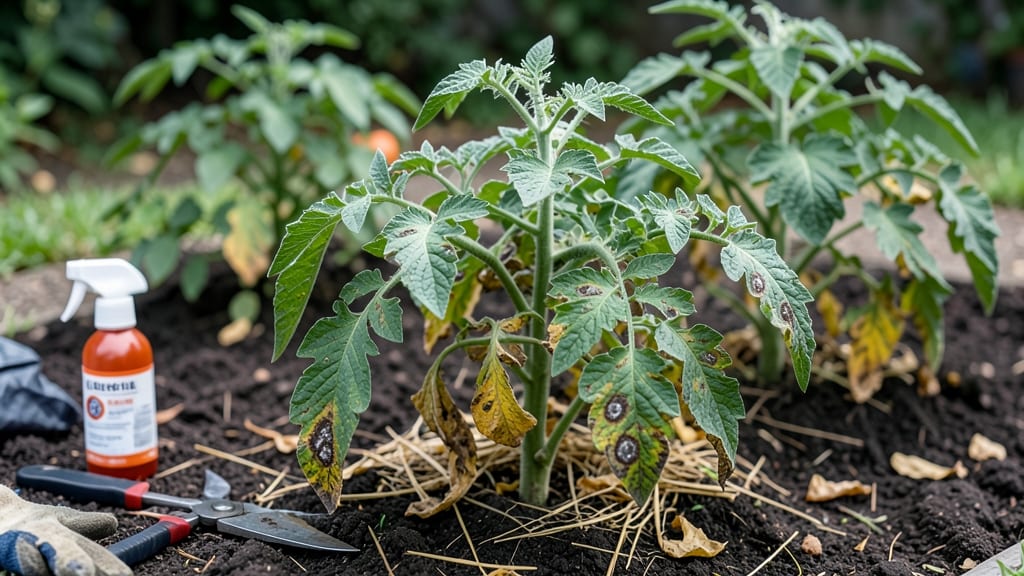
That first brown spot on your tomato leaves isn’t just unsightly—it’s the septoria leaf spot cure you need to act on now, or your plants will fight you every step of the way. 🌱 I’ve lost entire harvests to this stubborn fungus, but now I know exactly how to stop it before it spreads.
The key? A preventive spray schedule that keeps foliage healthy and productive.
Most gardeners wait until the damage is done before acting, but septoria thrives in damp conditions—so the real cure starts with proper spacing, watering adjustments, and early pruning of infected leaves.
I’ve tried everything from copper sprays to organic fungicides, and the results speak for themselves: plants that stay vibrant green instead of turning into a crunchy mess.
By following this schedule, you’ll see fewer spots within 2-3 weeks, and your plants will bounce back stronger. The secret isn’t just spraying—it’s sanitation, timing, and consistency. Once you master these steps, you’ll never fear another fungal outbreak again.
Works for tomatoes, wheat, and ornamentals alike—just adjust the spray frequency based on your climate. Let’s get those leaves back to their healthiest in no time.
Root Causes Of Septoria Leaf Spot
Septoria leaf spot is a fungal disease that thrives under specific conditions, often turning lush green leaves into a sad, spotted mess. Understanding why it happens is the first step to stopping it in its tracks.
Below, we break down the key factors that create the perfect storm for this pesky pathogen.
🌧️ Excessive Moisture & Poor Drainage
The Septoria tritici fungus (the culprit behind leaf spot) loves water—especially when it lingers. Here’s how moisture fuels its spread:
- Overhead Watering: Splashing water from rain or sprinklers lands on leaves, creating a damp environment where fungal spores germinate and infect plant tissue. Unlike roots, leaves aren’t meant to stay wet for long.
- Poor Air Circulation: Dense foliage or crowded plants trap humidity, giving the fungus a cozy, high-moisture hideout. Think of it like a sauna for spores—not ideal for plant health.
- Heavy Dew or Rain: Prolonged leaf wetness (over 12–24 hours) dramatically increases infection risk. The fungus releases spores that latch onto leaves, starting the decay process.
Actionable Fix: Water at the base of plants in the morning (so leaves dry by night) and space them out to improve airflow. Drip irrigation or soaker hoses are your best friends here!
🌱 Weakened Plant Immunity
Healthy plants resist Septoria leaf spot, but stress opens the door for infection. Common stressors include:
- Nutrient Deficiencies: Low nitrogen (N) or potassium (K) weakens cell walls, making leaves easier targets. Think of it like a body low on vitamins—vulnerable to invaders.
- Physical Damage: Pruning cuts, hail, or insect bites create entry points for spores. Even a tiny wound can be a gateway.
- Environmental Stress: Extreme heat, cold snaps, or drought shock plants, reducing their ability to fight off pathogens.
Actionable Fix: Feed plants with a balanced fertilizer (e.g., 10-10-10) and avoid over-pruning. Mulch to retain soil moisture and protect roots from temperature swings.
🌾 Fungal Spores in the Environment
Septoria spores are everywhere—in soil, old plant debris, and even on tools. They lie dormant until conditions are just right:
- Surviving on Debris: Infected leaves or stems left in the garden over winter release spores when conditions warm up. It’s like a fungal “seed bank” waiting for its chance.
- Tool Contamination: Pruners, rakes, or even gloves can carry spores from infected plants to healthy ones. One wrong cut, and boom—new infections.
- Wind & Water Spread: Spores hitch rides on raindrops or breeze, landing on nearby plants. This is why outbreaks often hit entire gardens or fields.
Actionable Fix: Clean tools with 70% isopropyl alcohol between uses, remove and dispose of infected plant material (don’t compost it!), and rotate crops if growing in a garden bed.
🌡️ Ideal Temperature & Humidity
The fungus thrives in specific conditions—usually when:
- Temperatures: Between 60–75°F (15–24°C). Cooler nights and warm days create the perfect “Goldilocks zone” for spore growth.
- Humidity: Above 75% for prolonged periods. High humidity keeps leaves damp, while leaf wetness (from dew or rain) triggers spore germination.
Actionable Fix: Monitor weather forecasts and adjust watering schedules during humid spells. Use fungicides (like copper-based sprays) as a preventive measure when conditions are ripe for outbreaks.
By tackling these root causes—moisture, stress, spores, and climate—you’ll starve Septoria leaf spot of its favorite conditions. Next up: how to disrupt its lifecycle before it starts.
Fixing Septoria Leaf Spot Fast
Septoria leaf spot can turn your lush garden into a patchwork of discolored, dying leaves—but don’t panic! With the right approach, you can reverse the damage, save your plants, and prevent future outbreaks.
Below, we break down targeted solutions based on the root cause of your problem, from cultural fixes to chemical interventions. Follow these steps to restore your plants’ health and keep them thriving.
If your plants are sitting in soggy soil, excess moisture creates the perfect breeding ground for Septoria spores. Here’s how to dry things out and break the cycle:
🔥 Step 1: Adjust Your Watering Routine
- Water deeply but less frequently—aim for 1–1.5 inches per week (including rainfall).
- Water in the morning (before 10 AM) to allow foliage to dry quickly.
- Avoid overhead sprinklers—use drip irrigation or soaker hoses to keep leaves dry.
🍳 Step 2: Improve Soil Drainage
- Amend heavy clay soil with compost, perlite, or coarse sand to enhance aeration.
- Raise garden beds if drainage is chronically poor—elevated soil dries faster.
- Check for compacted soil—loosen the top 6 inches with a fork if needed.
👨🍳 Step 3: Prune for Better Airflow
- Remove crowded branches to improve circulation around leaves.
- Thin out dense foliage (especially in shade plants like tomatoes or basil).
- Deadhead spent blooms—they trap moisture and spores.
💡 Pro Tip: If your pots don’t have drainage holes, repot immediately—stagnant water is a Septoria magnet!
If spores are already spreading, act fast with these effective (but safe) remedies:
🔪 Option 1: Baking Soda Spray (Mild Cases)
A low-cost, non-toxic first line of defense for early infections. Recipe:
- 1 tsp baking soda
- 1 quart water
- 1 tbsp horticultural oil or dish soap (helps it stick)
- 1 tsp neem oil (optional, for extra antifungal power)
How to Apply: ✅ Spray both sides of leaves until glistening wet. ✅ Apply every 7–10 days or after rain. ✅ Best for: Tomatoes, peppers, basil, and other veggies.
⚠️ Warning: Avoid spraying in direct sunlight—it can burn leaves.
🌡️ Option 2: Copper Fungicide (Moderate to Severe Cases)
Copper disrupts fungal cell walls—a highly effective (but slightly more aggressive) solution. How to Use:
- Follow label instructions (typically 1–2 tbsp per gallon of water).
- Spray at dawn or dusk to avoid leaf burn.
- Reapply every 5–7 days until new growth appears.
💡 Pro Tip: Mix copper fungicide with a preventative spray (like neem oil) for double protection.
🎯 Option 3: Systemic Fungicides (Last Resort)
For severe, widespread infections, a chemical fungicide may be necessary. Recommended Products:
- Chlorothalonil (Daconil) – Kills spores on contact.
- Myclobutanil (Immunox) – Systemic (absorbed by the plant).
- Propiconazole (Banner Maxx) – Long-lasting protection.
How to Apply:
- Follow label rates precisely—overuse can harm beneficial insects.
- Rotate fungicides if reinfection occurs (prevents resistance).
- Apply preventatively before rainy seasons.
Once your plants recover, keep them healthy with these proactive habits:
🌿 Crop Rotation & Sanitation
- Rotate crops—never plant tomatoes, peppers, or basil in the same spot two years in a row.
- Remove and destroy infected leaves (don’t compost them!).
- Sterilize tools with rubbing alcohol between plants.
🌞 Boost Plant Resistance
- Use resistant varieties (e.g., ‘Mountain Merit’ tomatoes, ‘Jalapeño M’ peppers).
- Strengthen plants with compost—healthy foliage fights infections better.
- Avoid excessive nitrogen—it promotes soft, susceptible growth.
🌦️ Weatherproof Your Garden
- Install shade cloth (30–50%) if your area gets too much rain.
- Use row covers in early season to block spore-laden rain.
- Plant in raised beds if your soil stays chronically wet.
- Mild cases: Improvement in 7–14 days with consistent spraying.
- Moderate cases: 3–4 weeks for full recovery (keep treating!).
- Severe cases: May take up to 6 weeks—focus on prevention moving forward.
💡 Final Tip: If new spots appear after treatment, you may need a stronger fungicide or better cultural controls.
By tackling water management, airflow, and targeted treatments, you’ll stop Septoria leaf spot in its tracks and keep your garden lush and disease-free! 🌿✨
Frequently asked questions
Can I still harvest fruits/vegetables from plants with septoria leaf spot?
Yes, but with caution! The fungus primarily affects leaves—not the fruit itself. Remove heavily infected leaves (especially lower ones) to improve airflow and reduce spore spread. Harvest fruits promptly once they ripen, as mature produce is less likely to absorb fungal toxins. Just avoid eating leaves or stems, which may harbor spores.
How often should I spray preventive fungicides if I live in a humid climate?
In high-humidity areas, apply fungicides every 7–10 days during active growing seasons (spring-fall). Start spraying preventatively when you see the first signs of leaf wetness (like after rain) or when temperatures hit the 60–75°F sweet spot for fungal growth. Copper-based sprays work well, but rotate with baking soda or neem oil to avoid resistance.
Will removing infected leaves really help, or is it just a waste of time?
It’s not a waste of time—removing infected leaves reduces spore load by up to 70%! The key is to dispose of them properly (don’t compost them) and prune early in the disease cycle. Focus on lower leaves first, as they’re often the first to show symptoms and trap moisture. Pair pruning with improved airflow to maximize results.
Are there any organic fungicides that work better than baking soda?
Yes! While baking soda is great for mild cases, neem oil and potassium bicarbonate are stronger organic options. Neem oil (2–3 tsp per gallon) disrupts fungal cell membranes, while potassium bicarbonate (1.5 tbsp per gallon + a drop of soap) works well for established infections. Both require every 5–7 days applications and perform best when used alongside cultural fixes like proper spacing.
My plants keep getting reinfected—what am I doing wrong?
Reinfections usually mean you’re missing one of three critical steps:
- sanitation (old plant debris harbors spores),
- airflow (crowded plants trap moisture), or
- fungicide rotation (spores build resistance). Double-check your tools are clean, thin out foliage, and alternate between copper and biological fungicides (like those containing Trichoderma fungi). Also verify your watering isn’t creating leaf wetness.