
Pests and Diseases
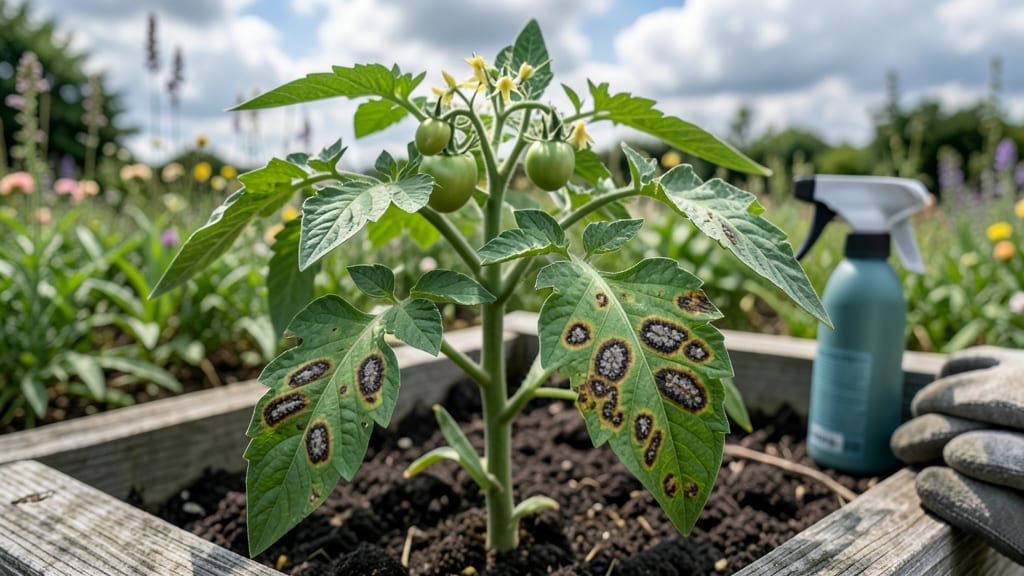
Those crispy, brown-edged tomato leaves are septoria leaf spot—and they’re stealing your harvest. 🌱 I’ve battled this fungal menace for years, and copper spray isn’t just a cure, it’s the secret weapon that revives plants faster than you’d expect.
The key? Spotting it early and acting before the spots turn your leaves into lace.
This disease thrives in damp, shady conditions, but even my sunniest plants get it when humidity hangs around. The classic signs—tiny dark spots with light centers—start small, then multiply like weeds. Ignore them, and your tomatoes suffer stunted growth, fewer fruits, and leaves that crumble at the touch.
The good news? Copper spray works even on advanced cases, but the sooner you treat, the better your plants bounce back.
Within 7-10 days of proper treatment, new growth emerges crisp and green again. The spray kills the fungus on contact while building resistance over time. Pair it with pruning for airflow, and you’ll see leaves thicken and tomatoes plump up like they’re in a commercial greenhouse.
No more sad, shriveled plants—just lush vines producing until frost.
Works for both organic and conventional gardens, and the same method saves heirlooms, cherry tomatoes, and even your prized beefsteaks. Let’s get those leaves back to their crispy, disease-free glory.
The Hidden Triggers Behind Leaf Spots
Septoria leaf spot isn’t just a random nuisance—it’s the result of a perfect storm of environmental and biological factors working against your tomato plants. Understanding these causes is the first step to stopping the spread and saving your harvest.
Let’s break down the real culprits behind those unsightly (and damaging) leaf spots.
The fungus Septoria lycopersici, responsible for leaf spot, thrives in damp conditions. When leaves stay wet for prolonged periods—whether from rain, overhead watering, or high humidity—the spores germinate and infect plant tissue.
- Why it happens: The fungus requires free moisture to penetrate leaf surfaces. Even light dew or misting can create ideal conditions if airflow is restricted.
- Actionable insight: Aim for at least 4–6 hours of leaf dryness per day. Prune plants to improve airflow, and water at the base (not overhead) to keep foliage dry.
- Pro tip: 💡 Mulch properly—organic mulch retains soil moisture but can also trap humidity near leaves. Use straw or black plastic instead to balance moisture while keeping soil damp.
Tomato plants under stress—whether from nutrient deficiencies, overcrowding, or poor soil health—are far more susceptible to fungal infections. A weakened plant can’t mount an effective defense against pathogens like Septoria.
| Stress Factor | How It Helps Septoria Spread | Fix It With |
|---|---|---|
| Nitrogen deficiency | Reduces leaf toughness, making tissue easier for spores to invade. | A balanced fertilizer (10-10-10) or compost tea. |
| Overcrowding | Traps moisture and blocks airflow, creating fungal hotspots. | Thin plants to 18–24 inches apart; prune lower leaves. |
| Poor drainage | Leads to root rot, which stresses the plant and opens it to infections. | Raise beds or amend soil with perlite/sand. |
Key takeaway: A healthy plant is your best defense. Regularly check for signs of stress (yellowing, stunted growth) and address them before spots appear.
Septoria spores can survive in soil for years, lurking in old plant residue, compost, or even infected mulch. If you’ve grown tomatoes (or other solanaceous crops like peppers or eggplants) in the same spot before, the spores are likely already there, waiting for the right conditions to strike.
- Why it happens: The fungus overwinters in organic matter. If you replant tomatoes in the same area without rotation or treatment, the cycle repeats.
- Actionable fix:
- 🔥 Rotate crops: Avoid planting tomatoes in the same spot for at least 3 years.
- 🌡️ Solarize soil: Cover beds with clear plastic for 4–6 weeks in summer to kill spores.
- ✨ Use copper-based fungicides: Apply before planting as a preventive measure.
While Septoria can appear in cooler temperatures, it explodes in warm, humid conditions—especially when nights stay above 60°F (15°C) and days hover in the 70s–80s°F (21–27°C). This is when spores germinate and spread rapidly.
- Why it happens: High humidity increases spore survival rates, and warm temps speed up fungal growth. Rainfall during this period? That’s just fuel for the fungus.
- Actionable strategies:
- 🌿 Choose resistant varieties: Look for tomatoes labeled "Septoria-resistant" (e.g., 'Mountain Merit,' 'Defiant PhR').
- 👨🍳 Adjust watering: Irrigate early in the day so leaves dry quickly.
- 🎯 Monitor forecasts: If humidity is predicted to spike, apply a preventive copper spray.
By tackling these root causes—moisture, stress, contaminated soil, and climate—you’ll disrupt the fungus’s life cycle and give your tomatoes a fighting chance. Next up? How to stop it before it starts.
How to Fix Fungal Leaf Damage
Fungal diseases like septoria leaf spot can turn your tomato plants into a sad, spotted mess—but don’t toss those vines just yet! With the right approach, you can revive your plants, prevent further damage, and even salvage some crisp, healthy tomatoes.
Below are practical, step-by-step solutions tailored to the root causes of the problem, plus prevention tips to keep your garden thriving.
The first line of defense? Stop the spread. Fungal spores love clinging to diseased leaves and spreading like wildfire.
- 🍳 Snip and Toss: Use sterilized pruners (wipe with rubbing alcohol between cuts) to remove any leaves with dark spots, yellow halos, or crispy edges.
Drop them in a sealed bag—do not compost them near your garden. - 👨🍳 Avoid Overhead Watering: Wet leaves create the perfect breeding ground for fungi.
Water at the base of the plant in the early morning so foliage dries quickly. - ⏰ Prune Strategically: Focus on lower leaves first (they’re closest to the soil and most vulnerable). Aim for good airflow—crowded plants stay damp longer.
Copper-based fungicides are one of the most effective organic treatments for septoria leaf spot. They disrupt fungal spores without harming your plants (when used correctly).
- 🌡️ Homemade Copper Spray Recipe:
- Mix 1 tsp copper sulfate (or 1 tbsp baking soda + 1 tsp dish soap + 1 quart water as a mild alternative).
- Add to 1 gallon of water and stir well.
- 🎯 Spray thoroughly on both sides of leaves, focusing on new growth and undersides (where spores hide).
- ✨ Reapply every 7–10 days or after rain—copper washes off easily!
- 🔥 Pro Tip: For severe cases, alternate copper spray with a neem oil solution (1 tbsp neem oil + 1 tsp soap per quart of water) to confuse the fungus and boost plant immunity.
A strong tomato plant fights off diseases better. Give yours a nutritional boost to speed up recovery.
- 📊 Fertilize Smart: Avoid high-nitrogen fertilizers (they encourage leafy growth but weaken defenses).
Instead, use a balanced 10-10-10 or compost tea to strengthen roots. - 💪 Support with Silica: Silica-rich sprays (like liquid kelp or rice bran tea) harden plant cell walls, making them less appealing to fungi. - 🍎 Mulch Like a Pro: Apply 2–3 inches of straw or grass clippings around the base to keep soil moist (but not soggy) and reduce spore splashback from watering.
Once you’ve treated the issue, lock in those gains with these long-term strategies:
| Problem | Fix It With This | Why It Works |
|---|---|---|
| Overcrowded Plants | Space plants 18–24 inches apart | Improves airflow, dries leaves faster |
| Poor Drainage | Amend soil with compost + perlite | Prevents waterlogging, a fungus magnet |
| Old Debris in Garden | Clean up fallen leaves after harvest | Removes spore reservoirs |
| Late Planting | Start seeds indoors 6–8 weeks before last frost | Gives plants a head start before humidity peaks |
If your tomatoes are already set but leaves are struggling:
- 🍅 Pick Early: Harvest green tomatoes (they’ll ripen indoors on a sunny windowsill).
- 🥗 Focus on Fruit: Redirect the plant’s energy to fruit production by pruning back severely infected foliage and fertilizing lightly with potassium-rich compost.
- 🚫 Avoid Stress: No more heavy pruning—let the plant focus on ripening what’s there before winter.
Remember: Patience is key. With consistent copper sprays, proper spacing, and smart watering, your tomato plants can bounce back stronger—and you’ll still get a bountiful harvest despite the setback! 🌿🍅
Frequently asked questions
Can I still harvest tomatoes if my plants have septoria leaf spot?
Yes, but focus on ripe tomatoes first—they won’t get worse once picked. For unripe fruit, harvest green tomatoes and ripen them indoors in a sunny spot. Avoid eating heavily spotted leaves (they can harbor spores), but the fruit itself is safe to consume.
How often should I apply copper spray for septoria?
Apply copper spray every 7–10 days or immediately after rain, since copper washes off easily. For prevention, start spraying before symptoms appear, especially during humid weather. Always spray in the early morning so leaves dry quickly.
Will removing infected leaves stop the spread?
Yes, but it’s only part of the solution. Remove leaves with sterilized pruners (wipe with rubbing alcohol) and dispose of them in sealed bags—never compost them near your garden. Combine pruning with copper sprays and proper spacing to fully break the fungal cycle.
Are there tomato varieties that naturally resist septoria?
Look for varieties labeled "Septoria-resistant", like 'Mountain Merit' or 'Defiant PhR'. These hybrids are bred to tolerate fungal diseases better. Even resistant varieties need good airflow and copper sprays during wet seasons for best results.
Can I reuse last year’s tomato soil without solarizing?
Not safely—septoria spores can survive in soil for years. If you can’t solarize (cover with clear plastic for 4–6 weeks), at least rotate crops (avoid tomatoes in that spot for 3 years) and amend soil with compost + perlite to improve drainage and reduce spore survival.