
Vegetables
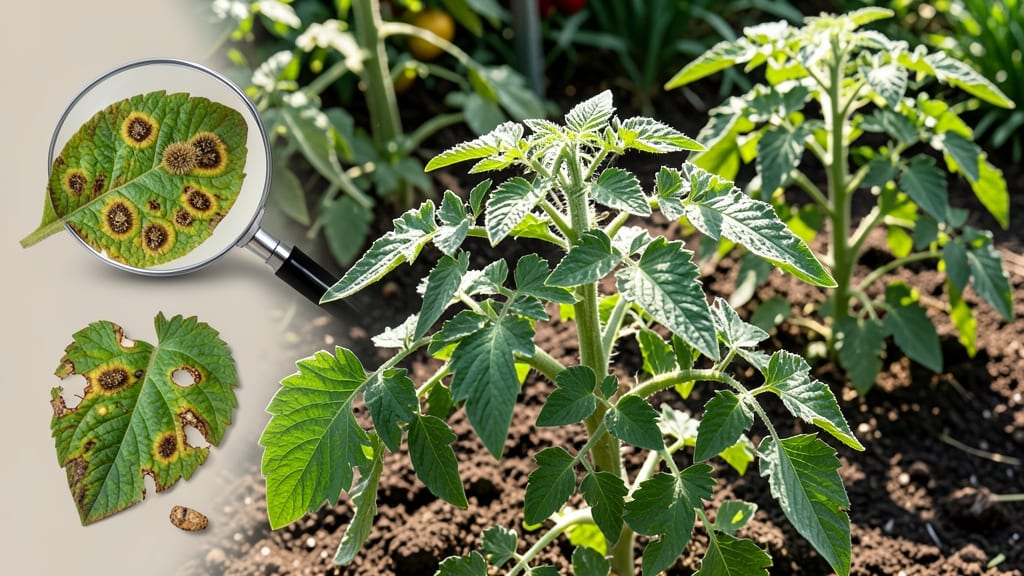
Tomato leaf problems pictures are your first line of defense against ruined harvests—because spotting early means saving your plants. 🌿 I’ve seen early blight turn lush vines into skeletal remains, and late blight wipe out entire gardens in days.
The key is knowing what you’re looking at: yellow spots, brown patches, or weird curling leaves all mean different fixes.
Most issues start with overcrowded plants, poor airflow, or too much water on the leaves. My biggest mistake? Ignoring the first signs until it was too late.
Now, I check leaves weekly for anything suspicious—especially after rain. A simple spray of neem oil or baking soda mix can stop fungal spots before they spread.
By the end of this guide, you’ll recognize 12 common problems instantly and know exactly how to treat them—whether it’s pruning for airflow, adjusting watering habits, or applying organic fungicides. The goal isn’t just to fix the damage but to keep your tomatoes thriving all season.
No more guessing games or losing plants to mystery diseases. Let’s turn those concerning spots into actionable solutions—so you can enjoy juicy tomatoes instead of wilting leaves.
Root Causes of Tomato Leaf Troubles
Tomato leaves are like the plant’s early warning system—when they show signs of distress, it’s often a cry for help from your garden’s most vulnerable parts. Understanding why these issues arise is the first step to fixing them.
Below, we break down the most common culprits, from sneaky pests to environmental missteps, with science-backed explanations so you can tackle the problem at its source.
Tomatoes thrive in warm days (70–85°F) and cool nights (55–65°F), but push those limits, and leaves respond with visible chaos. Extreme heat or cold disrupts cell membrane integrity, causing: - Sunburn (white/yellow patches): High light intensity + high temps = oxidative damage to chlorophyll.
Leaves bleach out like a forgotten sunscreen victim. - Cold stress (blackened edges): Below 40°F, cells freeze and rupture, blocking nutrient flow. This is especially common in spring or fall plantings. - Excess humidity (90%+): Fungal spores love damp air.
High humidity slows evaporation, keeping leaves wet for hours—perfect breeding grounds for early blight or septoria leaf spot.
Actionable fix:
- Use shade cloth (30–50%) during heatwaves.
- Space plants for airflow (18–24 inches apart).
- Water early morning to let leaves dry by evening.
Fungi are the stealth bombers of tomato problems—often arriving via spores in wind, water, or contaminated soil. Common offenders include: - **Early blight (Alternaria solani): Starts as target-like brown spots with concentric rings.
Thrives in warm, wet conditions, overwintering in old plant debris. - Late blight (Phytophthora infestans): The Irish potato famine’s villain, causing greasy, dark lesions that spread rapidly in cool, humid weather (60–75°F). - Powdery mildew (Oidium spp.): White, powdery coating = fungal hyphae sucking sugars from leaves.
Spreads via wind and splashing water.
Why it happens: Fungi don’t need living tissue to survive—they hibernate in soil or infected plants. When conditions align (moisture + warmth), they germinate and infect through stomata (leaf pores).
Actionable fix:
- Rotate crops (avoid planting tomatoes in the same spot yearly).
- Remove infected leaves immediately (don’t compost them!).
- Apply copper fungicide or neem oil preventatively.
Pests don’t just eat leaves—they inject toxins, block sunlight, and spread diseases. Key offenders: - Aphids: Cluster on undersides, sap-sucking and leaving sticky honeydew (which feeds sooty mold). - Spider mites: Tiny red/yellow specks on leaves = webbed damage from their piercing mouthparts.
Thrives in dry heat. - Tomato hornworms: Devastating defoliators—a single caterpillar can strip a plant in 48 hours!
Why it happens: Pests target stressed plants (underwatered, over-fertilized, or nutrient-deficient). They also hitchhike on wind, tools, or wildlife.
Actionable fix:
- Handpick hornworms (they’re camouflaged—look for green poop pellets).
- Spray soapy water (1 tsp mild soap + 1 quart water) for aphids.
- Encourage predators: Ladybugs and lacewings eat mites and aphids.
Water is life—but improper hydration is a fast track to leaf problems: - Overwatering: Root rot (Pythium or Phytophthora) thrives in waterlogged soil, cutting off oxygen to roots.
Leaves yellow and wilt even when soil is damp. - Underwatering: Leaf scorch (crispy edges) = plants can’t transport nutrients.
Stress weakens defenses against pests/disease. - Inconsistent watering: Blossom end rot (not a leaf issue, but calcium deficiency from erratic watering) can cause leaf curling and spotting.
Why it happens: Tomatoes need 1–1.5 inches of water per week (deep, infrequent watering). Shallow or sporadic watering leads to uneven nutrient uptake.
Actionable fix:
- Drip irrigation (keeps foliage dry, reducing fungal risk).
- Mulch heavily (straw or wood chips retain moisture).
- Water at the base, not overhead.
Leaves don’t just scream for water—they scream for nutrients too.
Watch for these clues: - Yellow lower leaves (nitrogen deficiency): Old leaves turn pale green/yellow first—chlorosis spreads upward as the plant cannibalizes its own nutrients. - Purple stems/leaves (phosphorus deficiency): Slow growth + weak roots = plant struggles to store energy. - Brown leaf edges (potassium deficiency): Weak cell walls = burn-like damage, especially in hot weather.
Why it happens:
- Poor soil: Tomatoes hungry for organic matter (compost or aged manure).
- Over-fertilizing with nitrogen: Burns roots, preventing uptake of other nutrients.
- pH imbalance: Tomatoes prefer 6.0–6.8 pH. Too acidic/alkaline? Micronutrients like iron/manganese become locked away.
Actionable fix:
- Test soil (DIY kits or lab analysis).
- Side-dress with balanced fertilizer (10-10-10) mid-season.
- Epsom salt spray (for magnesium deficiency—yellow patches between veins**).
Quick Fixes for Tomato Leaf Troubles
Got tomato leaves showing signs of distress? Don’t panic—most issues have simple, effective solutions! Below, we’ve mapped out practical fixes for common tomato leaf problems, from fungal spots to pest invasions.
Each remedy is designed to be easy to implement and prevent future flare-ups. Let’s turn those sad, spotted leaves into lush, healthy foliage!
Fungal problems like early blight, late blight, and powdery mildew thrive in damp conditions. Act fast to stop the spread!
🔥 Remove Infected Leaves Immediately
- How: Snip off yellow, brown, or spotted leaves with clean scissors or pruners. Dispose of them in the trash (not compost)—fungi can survive in compost piles.
- Pro Tip: 💡 Wear gloves to avoid spreading spores to other plants.
🍳 Apply Fungicide (Natural or Store-Bought)
- DIY Spray: Mix 1 tsp baking soda + 1 quart water + a few drops of dish soap (soapy water helps the solution stick).
Spray early in the morning on dry leaves. - Store-Bought Options: Use copper fungicide or neem oil spray (follow label instructions). Reapply every 7–10 days or after rain. - Prevention: 🌡️ Water at the base (not overhead) to keep leaves dry.
⏰ Improve Airflow & Space Plants
- How: Thin out crowded plants and prune lower leaves to allow sunlight and air to circulate.
- Bonus: 🎯 Stake or cage tomatoes to keep them upright and reduce humidity near the soil.
Aphids, spider mites, and hornworms can defoliate your plants in days. Here’s how to evict them!
👨🍳 Blast Off Pests with Water
- How: Use a strong stream of water to knock off aphids, spider mites, and whiteflies. Do this early in the morning for best results.
- For Hornworms: 🔪 Handpick them (they’re big and easy to spot!) and drop them in soapy water.
🥘 Introduce Beneficial Insects
- Ladybugs (eat aphids), lacewings (devour mites), or praying mantises (hunt caterpillars) are natural pest control allies.
- Where to Buy: Check garden centers or order online. Release them at dusk when they’re most active.
🌿 Use Homemade Sprays
- Soap Spray: Mix 1 tbsp mild liquid soap + 1 quart water. Spray directly on pests (avoid flowers to protect pollinators).
- Garlic/Chili Spray: Blend 2 garlic cloves + 1 tbsp cayenne pepper + 1 quart water.
Strain and spray—pests hate the smell!
If leaves are pale, curled, or stunted, your tomatoes might be hungry or thirsty.
📊 Diagnose the Problem
Check the leaf color and location to identify the deficiency:
- Yellow lower leaves? → Nitrogen deficiency (common in overwatered or young plants).
- Yellow edges on newer leaves? → Potassium or magnesium issue (often from overwatering or poor soil).
- Purple stems/leaves? → Phosphorus deficiency (needs more organic matter).
💪 Fertilize Smartly
- For Nitrogen: Use compost, fish emulsion, or a balanced 10-10-10 fertilizer.
- For Potassium/Magnesium: Try wood ash (sparingly) or Epsom salt (1 tbsp per gallon of water).
- Prevention: 🥗 Test your soil before planting—amend with compost or aged manure if needed.
🍎 Adjust Watering Habits
- Overwatering? Let soil dry slightly between waterings.
- Underwatering? Water deeply 1–2 times per week (depending on climate) and mulch to retain moisture.
Tomatoes are sensitive to extreme temperatures and harsh sunlight.
🌡️ Protect from Heat & Sunburn
- Shade Cloth: Use 30–50% shade cloth during peak afternoon sun (especially in hot climates).
- Mulch: Apply straw or grass clippings to keep roots cool and retain moisture.
🧊 Shield from Cold Snaps
- Row Covers: Use frost blankets for young plants when temps drop below 50°F (10°C).
- Move Potted Tomatoes: Bring containers indoors or to a sheltered spot overnight.
✨ Prevent Wind Damage
- Windbreaks: Plant corn or sunflowers as a natural barrier or use burlap screens.
- Staking: Secure plants with soft ties to prevent tearing.
Final Pro Tip: 🌟 Rotate crops next season—planting tomatoes in the same spot yearly depletes nutrients and invites pests. Move them to a new area every 2–3 years!
Frequently asked questions about tomato leaf problems
How can I tell if my tomato plant has early blight vs. late blight?
Early blight shows as brown, concentric-ringed spots that start on lower leaves, while late blight creates greasy, dark lesions that spread rapidly in cool, wet weather. Early blight thrives in warm conditions, but late blight can destroy plants in days—act fast if you see water-soaked spots!
Why are my tomato leaves curling but not wilting?
Curling without wilting often signals pests (like spider mites) or heat stress. Check leaf undersides for tiny webs (mites) or yellow specks. For heat stress, provide afternoon shade or mulch heavily to retain moisture.
Can I still harvest tomatoes if the leaves have fungal spots?
Yes, but remove infected leaves immediately to prevent spread. The fruit itself is usually safe to eat unless the spots are severe. Focus on treating the plant to protect future harvests—fungicides like neem oil work well.
What’s the fastest way to get rid of aphids on tomato plants?
Blast them off with a strong water spray in the morning, then apply a soapy water mix (1 tbsp soap + 1 quart water). For stubborn infestations, introduce ladybugs or spray with garlic-chili solution (2 garlic cloves + 1 tbsp cayenne per quart of water).
How do I prevent tomato leaf problems before they start?
Rotate crops yearly, space plants for airflow (18–24 inches apart), and water at the base (not overhead). Use mulch to retain moisture, and apply copper fungicide preventatively in humid climates.