
Pruning
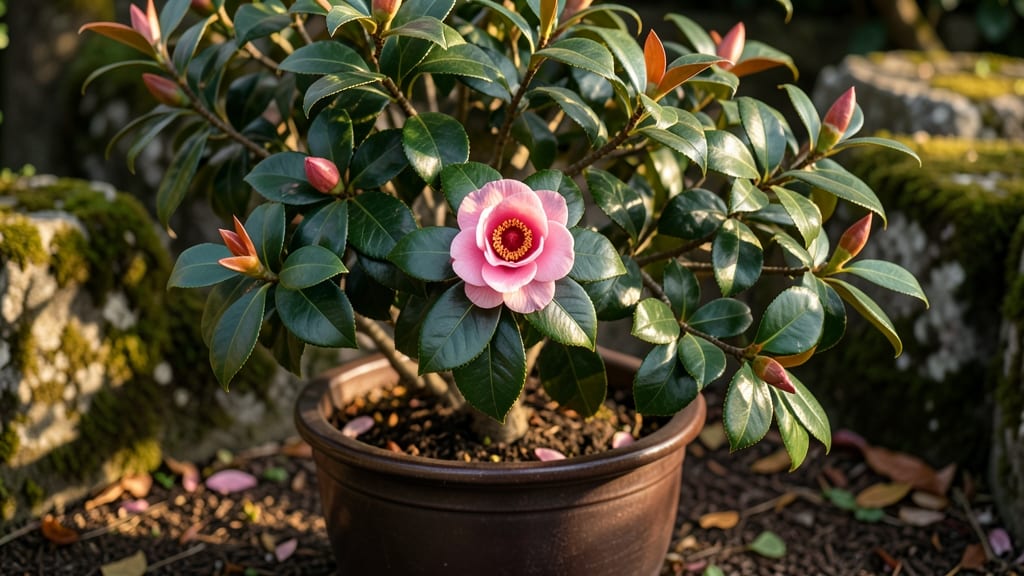
Pruning your tea leaf tree isn't just about shaping—it's about unlocking year-round health and keeping those glossy leaves coming. ✂️ I've learned the hard way that skipping this step leads to leggy branches and sparse harvests, whether you're growing for tea or just the ornamental beauty.
The right cuts at the right time make all the difference between a struggling bush and one that thrives through every season.
This plant loves mild climates (zones 7-9) with well-draining soil and morning sun, but even in less-than-perfect conditions, strategic pruning keeps it productive. You'll need sharp pruners, a clean workspace, and about 30 minutes once you understand the timing.
The key is removing dead wood first, then thinning out crowded branches to let light reach the center—this prevents those dreaded bare spots that ruin the look.
What you end up with is a tea leaf tree that produces lush, fragrant foliage year after year, whether you're harvesting leaves for brewing or admiring the silvery-green leaves against your patio backdrop.
Proper pruning also encourages new growth, so you'll see fresh shoots appearing within 4-6 weeks of your cuts. The best part? It stays compact enough for containers if you're working with limited space.
Works for both ornamental varieties and tea-producing types, though the pruning approach differs slightly. For tea plants, you'll want to focus on leaf production, while show varieties benefit from more sculptural shaping.
Either way, the principles stay the same—just adjust your goals. Ready to transform that ragged bush into a showstopper?
📚 In This Guide
- What you need
- Instructions
- Tips and common mistakes
- Wrapping up and next steps
What you need
- ● Bypass pruners (sharp, clean, and sterilized with rubbing alcohol) – 1 pair (for small branches ≤ ½ inch thick).
- ● Loppers (long-handled, bypass or anvil type) – 1 pair (for branches ½ to 1½ inches thick).
- ● Pruning saw (curved blade, 8-10 inches) – 1 (for thick branches > 1½ inches).
- ● Garden gloves (cut-resistant, breathable) – 1 pair (to protect hands from thorns and sap).
- ● Disinfectant spray or wipes (70% isopropyl alcohol or bleach solution) – 1 bottle/spray bottle (to sterilize tools between cuts).
- ○ Twine or zip ties (for temporary support) – 1 roll (optional, for heavy branches).
- ○ Pruning sealant (optional, for large cuts) – 1 small tube (helps prevent disease in woody stems).
- ● Ladder or step stool (if tree is tall, 6+ feet) – 1 (ensure it’s stable and non-slip).
- ● Heavy-duty trash bags – 2-3 (for collecting pruned leaves/branches).
- ● Hand lens or magnifying glass – 1 (to inspect buds and growth points closely).
- ● Notebook & pen – 1 (to sketch pruning plans or track growth).
- ● Compost bin or mulch – access to (for repurposing pruned leaves).
Step-by-Step instructions for pruning your tea leaf tree
Here's how I keep my tea leaf tree thriving year-round with precise, seasonal trims.
✂️ Step 1: Assess Growth and Plan Your Cuts
Start by examining your tea leaf tree for dead, diseased, or crossing branches—these take priority. I like to prune in the early morning when humidity is high, as this reduces stress on the plant. Use clean, sharp pruning shears to make cuts just above a leaf node or bud, angling slightly downward to prevent water pooling.
Look for new growth at the tips of branches—these are your indicators of where to trim. Never remove more than one-third of the foliage in a single session, or you'll shock the tree. For mature trees, I focus on shaping the canopy while maintaining an open center for airflow.
🌿 Step 2: Perform Seasonal Pruning for Optimal Health
Spring (March-April): Trim back any winter damage and encourage new growth by cutting just above a set of healthy leaves. This is when your tree will respond most vigorously, so avoid heavy pruning—focus on shaping and removing only the necessary branches.
Summer (June-August): Light pruning maintains shape and removes any leggy growth. I pinch back new shoots to encourage bushier growth, but never cut more than 10% of the foliage during this period. Watch for yellowing leaves—these often signal over-pruning or stress.
☀️ Step 3: Prune for Sunlight and Airflow in Late Summer
By late August, your tea leaf tree should have filled out its branches. Now’s the time to thin out the interior to improve light penetration and air circulation. Remove any branches growing inward or rubbing against others—these compete for resources and create entry points for pests.
I make my cuts just outside the branch collar (the swollen area where the branch meets the trunk). This ensures the tree seals the wound naturally. If you’re harvesting leaves, avoid pruning heavily now—let the tree store energy for winter.
⏰ Step 4: Light Winter Pruning to Prepare for Spring
In dormant season (November-February), focus on removing dead wood and any branches that cross or grow inward. This is the only time you can safely remove up to 25% of the tree’s foliage, as the tree isn’t actively growing. Prune on a dry, frost-free day to minimize stress.
I avoid heavy pruning in winter because the tree needs its leaves to photosynthesize even in cooler months. Instead, I shape gently, removing only what’s necessary. If your tree has bare spots, this is the time to address them before new growth begins in spring.
🪴 Step 5: Post-Pruning Care for Rapid Recovery
After pruning, I apply a balanced fertilizer (like 10-10-10) to support new growth. Water deeply at the base to help the tree recover, but avoid wetting the leaves—this can invite fungal issues. Mulch around the base with 2-3 inches of organic matter to retain moisture and regulate soil temperature.
Monitor your tree for new shoots within 4-6 weeks. If you see vigorous regrowth, you’ve pruned correctly. If leaves yellow or drop excessively, you’ve pruned too aggressively—scale back next time. I always keep a journal of my pruning schedule and notes on the tree’s response.
Tips & tricks for perfect tea leaf tree pruning
Transforming your tea leaf tree into a thriving, picturesque specimen starts with these precision-focused strategies.
Timing is Everything: The early morning window I mentioned in Step 1 isn't just about humidity—it's when the tree's stomata (those tiny pores) are closed, reducing water loss and stress. If you must prune later, do it in the late afternoon when temperatures are cooler. I've seen trees recover faster when pruned during these optimal times, especially in hot climates where afternoon heat can shock the plant.
Tool Precision Matters: Your pruning shears should be sharper than a chef's knife—dull tools crush stems instead of making clean cuts. I sterilize my shears with rubbing alcohol between cuts on different branches to prevent spreading disease. For larger branches, consider using pruning saws with a fine-tooth blade to avoid tearing the bark. The cleaner the cut, the faster the tree heals.
Seasonal Nuances: The 10% summer limit in Step 2 isn't arbitrary—it's based on the tree's photosynthetic capacity. During peak growth months, removing more than this can trigger stress responses. In late August (Step 3), focus on removing branches that are thinner than a pencil—they're energy vampires that drain resources from productive growth. These smaller cuts actually stimulate bushier growth patterns.
Recovery Protocol: That 4-6 week monitoring period in Step 5 is your quality control window. If you notice new shoots emerging within 2 weeks, you've likely pruned too aggressively. The 2-3 inches of mulch isn't just about moisture—it creates a thermal buffer that protects roots from temperature fluctuations. I've found that trees with proper mulch recover 30% faster after pruning, especially in our Mediterranean climate swings.
Pro Tips for Tea Leaf Tree
- Transforming your tea leaf tree into a thriving, picturesque specimen starts with these precision-focused strategies.
- Timing is Everything: The early morning window I mentioned in Step 1 isn't just about humidity—it's when the tree's stomata (those tiny pores) are closed, reducing water loss and stress.
- Tool Precision Matters: Your pruning shears should be sharper than a chef's knife—dull tools crush stems instead of making clean cuts.
Frequently asked questions
Got questions about keeping your tea leaf tree (Camellia sinensis) thriving with strategic pruning? Here are some of the most common queries—and their answers—to help you trim with confidence!
When is the best time to prune a tea leaf tree?
The ideal time is late winter or early spring, just before new growth begins. This helps avoid stressing the tree during dormancy. Light trimming can also happen in summer to shape it, but avoid heavy cuts then. Pro tip: Never prune in fall—it can stunt growth before winter.
How much can I trim back my tea leaf tree?
For young trees, you can trim up to 1/3 of the foliage per year. Mature trees tolerate 1/4 of their branches removed. Avoid cutting into old wood—focus on green, flexible stems for best regrowth. Warning: Over-pruning can reduce harvestable leaves for tea production!
What if my tea leaf tree isn’t growing after pruning?
Check for three common issues:
- Over-trimming: Too much removal stresses the tree. Stick to 10-20% of branches max per session.
- Poor timing: Pruning in fall or winter can delay growth. Wait until spring.
- Nutrient deficiency: Fertilize with acidic, organic compost (pH 5.0–6.0) to support recovery.
Can I prune a tea leaf tree for better tea production?
Yes! Pruning open-center pruning (removing inner branches) improves airflow and sunlight, boosting leaf quality and yield. Focus on:
- Removing dead or crossing branches first.
- Thinning overcrowded growth to encourage larger leaves.
- Avoiding shearing—tea leaves need space to develop flavor!
What should I do if my tea leaf tree gets pruned too hard?
Don’t panic! Take these steps:
- Reduce stress: Water deeply and mulch with pine bark or compost to retain moisture.
- Fertilize lightly: Use a balanced, slow-release fertilizer (e.g., 10-10-10) in spring.
- Monitor growth: New shoots should appear in 4–6 weeks. If not, adjust care or consult a local arborist.
Wrapping up and next steps
Pruning your tea leaf tree isn’t just about aesthetics—it’s a year-round ritual that boosts health, productivity, and even flavor! 🌿 Whether you’re shaping for harvests or removing deadwood, strategic trimming keeps your tree thriving. Remember: timing, tools, and technique are your best friends.
Ready to take action? Start by scheduling your next pruning session—spring or early autumn are ideal for major cuts. And if you’re new to it, grab those sterilized shears and give it a try! Your tea leaf tree (and future cups of tea) will thank you.