
Flowers
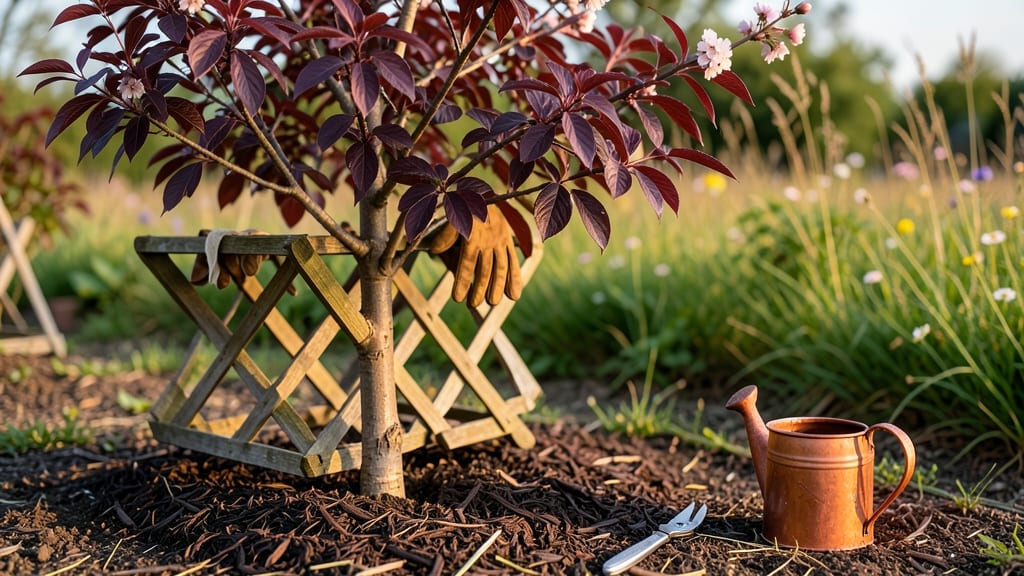
Growing a purple leaf peach tree means your garden gets year-round drama—deep purple foliage in summer, fiery reds in fall, and even winter interest when the bark peeks through. 🌿 I planted mine last spring, and the neighbors now stop by just to admire the color show.
This isn’t just another shade tree; it’s a living masterpiece that thrives with minimal fuss.
The secret starts with the right spot: full sun (at least 6 hours daily) and well-draining soil—this tree hates soggy feet. Plant in early spring when the ground is workable, and dig a hole twice as wide as the root ball but no deeper.
Amend heavy clay with compost to keep roots happy, and water deeply after planting to settle the soil.
Once established, this tree practically takes care of itself. Water once a week in dry spells (more in summer), and fertilize lightly in spring with a balanced 10-10-10. Prune only to shape—no need for heavy cuts—unless you’re removing dead wood or crossing branches.
The foliage stays vibrant with almost no effort, making it perfect for low-maintenance landscapes.
Watch for peach leaf curl (a fungal disease) in spring—spray with copper fungicide as buds swell to prevent it. Deer and rabbits usually leave it alone, but young trees may need protection.
Pair it with dwarf conifers or ornamental grasses to highlight its bold colors, and you’ll have a garden centerpiece that turns heads all year.
📚 In This Guide
- What you need
- Instructions
- Tips and common mistakes
- Wrapping up and next steps
What you need
- ● Purple Leaf Peach Tree – Choose a Prunus persica 'Purple Leaf' (bare-root or potted, 1-3 years old).
- ● Well-draining soil – Mix 50% native soil, 30% compost, and 20% perlite/sand (for sandy or clay-heavy areas).
- ● Organic mulch – 3-4 inches of wood chips, straw, or pine bark (keep 6 inches away from the trunk).
- ● Balanced fertilizer – 10-10-10 or 5-10-10 NPK (apply in early spring and mid-summer).
- ○ Slow-release fertilizer – Optional but helpful (e.g., Osmocote for steady nutrients).
- ● Shovel & garden fork – For digging and aerating soil.
- ● Garden gloves – Heavy-duty (to protect from thorns and rough bark).
- ● Pruning shears – Sharp, bypass-style (sterilize with rubbing alcohol between cuts).
- ○ Watering can or hose with nozzle – Drip irrigation system (optional) for efficient hydration.
- ● Staking kit (if needed) – 3-4 stakes + soft ties (for young trees in windy areas).
- ○ Tree guard or wire mesh – Optional (to deter pests like deer or rabbits).
- ● USDA Hardiness Zones 5-9 – Purple leaf peaches thrive in mild to warm climates.
- ● Full sun (6+ hours daily) – Partial shade (4+ hours) tolerated in hot zones.
- ● Well-draining soil (pH 6.0-7.0) – Avoid waterlogged areas!
- ● Spacious planting site – 15-20 feet wide (mature tree spread) and 10 feet tall.
Step-by-Step instructions for planting and caring for purple leaf peach trees
Here's how to grow these stunning trees with vibrant foliage that thrives year-round with just a little attention.
🌱 Step 1: Choose the Right Location and Plant at the Correct Time
Purple leaf peach trees need full sun—at least 6-8 hours daily—to maintain their signature deep purple foliage. I always pick the sunniest spot in my yard because shade turns those gorgeous leaves green. Spring is the best time to plant, after the last frost when soil warms to at least 60°F. The roots establish best when they're not competing with summer heat.
Dig a hole twice as wide as the root ball but only as deep. The top of the root ball should sit 1-2 inches above ground level—this prevents water pooling around the trunk. Gently loosen the roots if they're circling in the container (I use my fingers to tease them apart). Place the tree in the hole and backfill with native soil, pressing lightly to remove air pockets.
☀️ Step 2: Water Deeply and Mulch for Year-Round Color
Water the newly planted tree deeply—about 10-15 gallons—right after planting to settle the soil around the roots. Purple leaf peaches are drought-tolerant once established, but young trees need 1-2 inches of water weekly during the first growing season. You'll know it's enough when water drains to 6 inches deep. Let the top inch dry between waterings to prevent root rot.
Spread 3-4 inches of mulch (like wood chips or shredded bark) around the base, keeping it 6 inches away from the trunk. This conserves moisture, regulates soil temperature, and prevents weeds. I always refresh the mulch in early spring—it breaks down over time and loses effectiveness. The mulch should look like a donut around the tree, not a pile against the trunk.
✂️ Step 3: Prune Strategically to Encourage Dense Foliage
Purple leaf peach trees are low-maintenance, but a little pruning in late winter or early spring keeps them bushy and vibrant. Remove any dead, diseased, or crossing branches first—they compete for energy and can spread problems. I look for branches that grow inward or rub against others and cut them back to an outward-facing bud.
Thin out 10-20% of the oldest branches to improve airflow and sunlight penetration. These trees naturally grow dense, so you don’t need heavy pruning. Just focus on shaping the canopy so light reaches the center. Avoid pruning in fall—it stimulates new growth that won’t harden off before winter, leaving branches vulnerable to cold damage.
🌿 Step 4: Fertilize and Monitor for Pest Resistance
Feed your tree in early spring with a balanced fertilizer (like 10-10-10) at half the recommended rate. Purple leaf peaches are generally low-maintenance, but a light feeding encourages vibrant foliage. I scatter the granules 6 inches away from the trunk and water them in thoroughly. Over-fertilizing leads to weak growth and more pest issues.
These trees are naturally disease-resistant, but watch for aphids or spider mites on new growth. A strong spray of water usually knocks them off, or I treat with neem oil if infestations persist. The deep purple leaves make pest problems obvious—look for yellowing, curled leaves or sticky residue on the foliage. Healthy trees rarely have issues, so focus on proper watering and sunlight first.
⏰ Step 5: Prepare for Winter and Enjoy Year-Round Drama
Purple leaf peach trees are hardy to USDA Zone 5, but young trees benefit from winter mulch in colder climates. Add an extra 4-6 inches of mulch in late fall to insulate roots. I also wrap the trunk of young trees with tree guard to prevent rodent damage. The vibrant foliage stays stunning even in winter, though it may fade slightly in extreme cold.
Once established, these trees need almost no maintenance—just occasional pruning to shape and remove dead branches. The real magic is watching the leaves shift from deep purple in spring, to rich burgundy in fall, and everything in between. With the right care, your tree will be the showstopper of the neighborhood for decades.
Tips & tricks for growing stunning purple leaf peach trees
These simple strategies will help you nurture vibrant foliage that stays gorgeous all year long—without the fuss.
Sunlight Secret: Those 6-8 hours of full sun aren't just a suggestion—they're non-negotiable for that signature purple hue. If your yard has partial shade, consider planting near a south-facing wall or fence that reflects sunlight. I've seen trees in shadier spots turn green within months, and once that happens, the color never fully returns. Trust me, the sunniest spot in your yard is worth the hunt!
Planting Depth Matters: When you're planting, that 1-2 inch elevation above ground level is crucial—it prevents water from pooling around the trunk and causing rot. I've made the mistake of planting too deep, and the tree struggled for years. Use a level or stick to check the depth before backfilling. Also, if you notice roots circling in the container, gently tease them apart with your fingers to encourage outward growth.
Watering Wisdom: The 10-15 gallons of deep watering right after planting isn't just about settling the soil—it's about giving those roots a strong start. For young trees, that 1-2 inch weekly watering should go 6 inches deep into the soil. A simple way to check? Stick a screwdriver into the ground—if it goes in easily, you're good. If it hits dry soil, water again. Overwatering is just as bad as underwatering for these drought-tolerant beauties.
Pruning Precision: When you're thinning out those 10-20% of oldest branches in Step 3, look for branches that are thicker than your thumb—these are the ones competing for sunlight and nutrients. Make your cuts just above an outward-facing bud to encourage new growth in the right direction. I always prune on a dry day when the tree isn't actively growing, which helps prevent disease. And remember, sharp tools make cleaner cuts that heal faster!
Pro Tips for Purple Leaf Peach
- These simple strategies will help you nurture vibrant foliage that stays gorgeous all year long—without the fuss.
- Sunlight Secret: Those 6-8 hours of full sun aren't just a suggestion—they're non-negotiable for that signature purple hue.
- Planting Depth Matters: When you're planting, that 1-2 inch elevation above ground level is crucial—it prevents water from pooling around the trunk and causing rot.
Frequently asked questions
Got questions about growing and maintaining your purple leaf peach tree? Here are some of the most common ones—plus quick, no-fuss answers to keep your tree thriving with stunning foliage year-round!
How fast does a purple leaf peach tree grow?
A purple leaf peach typically grows moderately fast—about 12 to 24 inches per year under ideal conditions. In the first few years, expect rapid growth, especially with proper watering and sunlight. After maturity (around 5–7 years), growth slows but maintains its vibrant foliage. Pro tip: Prune lightly in late winter to encourage bushier, more colorful branches!
Can purple leaf peach trees survive winter?
Yes! These trees are hardy in USDA Zones 5–9, meaning they can handle winters as cold as -15°F with proper care. Young trees may need winter mulch (2–3 inches of shredded bark or leaves) to protect roots. Avoid heavy pruning in late winter—wait until early spring when new growth signals safety. Bonus: Their deep purple leaves add winter interest even when bare!
Do purple leaf peach trees produce edible fruit?
While they’re ornamental first, fruit second, some varieties yield small, tart peaches—not sweet enough for eating fresh but great for jams or preserves! If fruit isn’t your priority, focus on their stunning foliage and minimal-maintenance care. Fun fact: The fruit is often pecked by birds before ripening, so expect a few surprises in your yard!
What’s the best way to prune a purple leaf peach tree?
Prune in late winter or early spring to remove dead, crossing, or overcrowded branches. Keep the tree open at the center for airflow and sunlight. Avoid heavy pruning—these trees handle light shaping better than drastic cuts. Pro move: Use sterilized tools to prevent disease, and seal larger cuts with pruning paste if needed.
Why are my purple leaf peach leaves turning brown or yellow?
Brown/yellow leaves usually signal overwatering, underwatering, or pests. Check soil moisture—purple leaf peaches prefer well-draining soil and hate soggy roots. Pests like aphids or spider mites can also cause stress. Treat with neem oil or insecticidal soap if needed. Quick fix: Adjust watering and inspect leaves for eggs or webs!
Can I grow a purple leaf peach tree in a container?
Yes! Choose a large container (at least 24 inches deep) with drainage holes and use well-draining potting mix. Repot every 2–3 years and move indoors during harsh winters if in Zone 5. Container tip: Fertilize lightly in spring/summer (balanced 10-10-10) to support growth. Just know it’ll need more frequent watering than in-ground trees!
Wrapping up and next steps
Growing a purple leaf peach tree is a rewarding way to add year-round color and minimal-maintenance drama to your garden! 🌿 With its stunning foliage, sweet fruit, and adaptability, this tree is perfect for both novice and experienced gardeners.
Whether you're drawn to its vibrant leaves or the promise of juicy peaches, the key is patience and a little care—just like nurturing any beloved plant.
Ready to transform your outdoor space? Start by selecting the right spot and gathering your tools—then watch your purple leaf peach tree thrive! 🌟 Happy planting!