
Leaf Blower
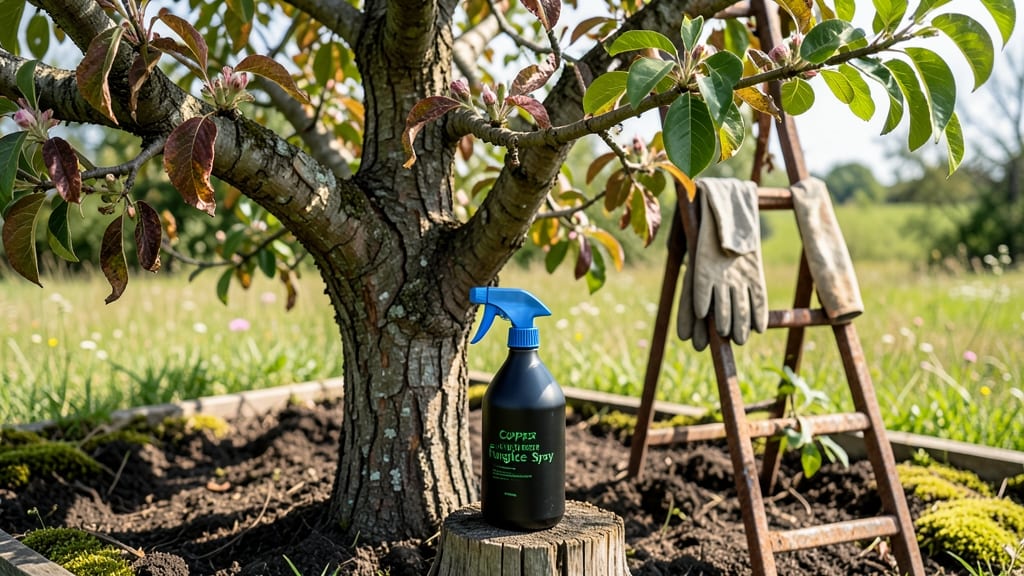
Your peach tree’s twisted, curled leaves mean one thing: the peach leaf curl cure is already critical. 🌿 The fungus Taphrina deformans strikes hard in late winter, but a dormant season spray—applied at the right time—can stop it before it starts.
I’ve saved multiple trees from this scourge, and the secret isn’t complicated: copper fungicide, timing, and a little elbow grease. The key is acting before buds swell (late winter to early spring), when the fungus is active but leaves are still bare.
One missed spray season, and you’ll fight curled, stunted leaves all summer. Copper works organically, but chemical options like lime sulfur or neem oil also shut down spores effectively. Just don’t wait until spring—by then, it’s too late.
You’ll see fresh, smooth leaves unfurling by spring, with no signs of the fuzzy orange spores that give the disease away. The trees fruit heavier, too, because they’re not wasting energy fighting infection. Prune out last year’s infected leaves first—they’re full of spores waiting to spread.
Works for home orchards, backyard trees, and even container-grown peaches. Here’s the exact schedule and spray mix that’s saved my trees for years.
Root Causes Of Leaf Distortion
Peach leaf curl isn’t just a random nuisance—it’s a fungal infection with specific triggers. Understanding why your peach tree’s leaves develop those unsightly, curled, and puckered patches is the first step to stopping it.
Below, we break down the three primary causes of this fungal menace, backed by science and actionable insights.
---
The primary culprit behind peach leaf curl is the fungus Taphrina deformans, a microscopic pathogen that thrives in dormant trees. Here’s how it works:
- Spores persist year-round: Even after leaves fall, fungal spores cling to buds, bark crevices, and twigs like microscopic hitchhikers.
These spores are tough—some can survive up to two years in harsh conditions, waiting for the right moment to strike. - Cold, wet springs trigger activation: When temperatures dip between 32–50°F (0–10°C) and moisture lingers (like rain or dew), spores germinate and infect new leaf tissue as buds swell.
This is why leaf curl flares up before leaves even unfurl—the fungus gets a head start! - Old infections fuel new outbreaks: If you’ve had leaf curl in past years, spores are already hiding in your tree’s bark. Without treatment, the cycle repeats annually.
💡 Pro Tip: Scrape a small section of bark or inspect buds with a magnifying glass. If you spot black, crusty patches or puffy, discolored buds, spores are likely lurking—and it’s time to act.
---
Fungi are picky—they don’t just appear out of thin air. Peach leaf curl loves these environmental conditions:
| Factor | Why It Matters | Actionable Fix | |---------------------|-----------------------------------------------------------------------------------|-----------------------------------------------------------------------------------| | High humidity | Spores need moisture to germinate.
Rain or fog creates a fungal paradise. | Prune for airflow; avoid overhead watering in spring. | | Cool temperatures | Optimal spore activation occurs at 32–50°F (0–10°C). | Monitor weather forecasts; spray before buds swell (not after!). | | Slow leaf emergence | If buds open gradually (not all at once), spores have more time to infect. | Choose early-blooming peach varieties if leaf curl is rampant in your area. |
🌡️ Key Insight: The fungus can’t spread if leaves are dry. That’s why dormant season sprays (applied before buds swell) are so effective—they hit spores when they’re vulnerable but leaves aren’t yet exposed.
---
A weak tree is an open invitation for peach leaf curl. Stress from these common issues makes trees more susceptible to infection:
- Nutrient deficiencies: Low zinc, nitrogen, or potassium weaken cell walls, making leaves easier targets. Yellowing leaves or stunted growth? Your tree might be malnourished. - Physical damage: Pruning wounds, hail, or pest bites create entry points for spores.
Even minor bark injuries can let fungi slip in. - Root stress: Compaction, drought, or poor drainage disrupt water/nutrient flow, leaving trees defenseless.
Check for wilting, yellowing, or sparse foliage—signs of root trouble. - Overcrowding: Trees competing for sunlight or space can’t photosynthesize efficiently, lowering their resistance to pathogens.
✨ Prevention Hack: Mulch properly (2–4 inches of organic mulch, kept 6 inches from the trunk) to retain moisture and regulate soil temperature. Avoid volcanic mulching (piling mulch against the trunk), which traps moisture and encourages fungal growth.
--- 🚨 Bottom Line: Peach leaf curl doesn’t happen in a vacuum—it’s the result of dormant spores + perfect weather + a stressed tree. By addressing these root causes, you can break the cycle and protect your peach harvest for years to come.
Quick Fixes for Peach Leaf Curl
Peach leaf curl may seem daunting, but with the right approach, you can restore your trees to health and prevent future outbreaks. Below are practical, step-by-step solutions tailored to the root causes of this fungal disease—whether it’s poor timing, improper sprays, or environmental neglect.
Follow these fixes to stop the spread, heal your trees, and keep them thriving for seasons to come.
---
Problem: Peach leaf curl thrives in wet, cold conditions, and spores spread easily when trees are dormant. Solution: Apply a copper-based or lime-sulfur fungicide before buds swell (late winter/early spring). This disrupts the fungal cycle before it takes hold.
How to Do It Right: ✅ Timing is critical! Spray 2–4 weeks before bud break (check local frost dates). ✅ Cover all surfaces: Focus on leaves, branches, and trunk cracks where spores hide. ✅ Reapply if rain follows: Fungicides wash off—reschedule if heavy rain occurs within 24 hours. ✅ Use a backpack sprayer for even coverage (avoid missing spots!).
💡 Pro Tip: Mix 1 tbsp baking soda + 1 tsp horticultural oil per gallon of water as a preventative rinse after spraying for extra protection.
---
Problem: Infected leaves and mummified fruit harbor spores, reinfecting trees yearly. Solution: Remove and destroy all fallen leaves, twigs, and fruit debris before spring.
Step-by-Step Cleanup: 🔥 Rake thoroughly—collect debris in a sealed bag (don’t compost it!). 🍳 Burn or trash infected material (or solarize it in black plastic for 4+ weeks). 👨🍳 Prune out dead/diseased branches with sterilized shears (wipe with rubbing alcohol between cuts). 🥘 Mulch only with fresh, clean straw—avoid old mulch that may carry spores.
✨ Bonus: Add wood chips or pine needles as a fresh mulch layer to deter fungal regrowth.
---
Problem: Overhead watering or poor drainage keeps leaves wet, ideal for fungal growth. Solution: Water at the base (not over leaves) and improve drainage around trees.
Fix It Now: 💧 Water deeply but infrequently—1–2 inches per week (adjust for rain). 🌧️ Use drip irrigation or soaker hoses to avoid wetting foliage. 🏗️ Amend soil with compost to improve drainage (test pH—aim for 6.0–7.0). 🔪 Raise tree beds slightly if your yard has heavy clay soil.
🎯 Prevention Hack: Install tree wells or berms to direct water away from the trunk.
---
Problem: Weak, nutrient-deficient trees are prime targets for peach leaf curl. Solution: Fertilize and prune to boost tree vigor before the growing season.
Nutrition & Care Plan: 📊 Soil test first! Correct deficiencies (especially nitrogen, phosphorus, and potassium). 💪 Apply balanced fertilizer (10-10-10 or organic options like alfalfa meal) in early spring. 🍎 Prune for airflow: Remove crossing branches and thick foliage to reduce humidity. 🌿 Add compost tea as a foliar spray for extra micronutrients (zinc and manganese help resistance).
🔥 Warning: Avoid over-fertilizing with nitrogen—it encourages soft, susceptible new growth.
--- If you spot reddish, curled leaves after bud break, act fast: 1. Prune infected leaves (sterilize tools between cuts!). 2. Spray with a fungicide (copper fungicide or neem oil blend). 3. Repeat every 7–10 days until new growth appears healthy.
🌡️ Heat Therapy: In mild climates, stress the fungus by watering deeply in hot afternoons—high temps can slow its spread.
--- | Season | Task | Why It Works | |-------------|-----------------------------------|-------------------------------------------| | Fall | Clean up debris + prune | Removes overwintering spores | | Winter | Apply dormant spray (copper/lime) | Stops spores from activating | | Spring | Fertilize + monitor for rain | Boosts tree health, reduces fungal food | | Summer | Mulch + improve airflow | Keeps roots cool, deters fungal growth |
--- Final Thought: Peach leaf curl is manageable—but consistency is key. Spray early, clean often, and keep trees healthy, and your peach trees will reward you with lush, disease-free foliage for years. 🍑✨
Frequently asked questions
What’s the best time to apply dormant season spray for peach leaf curl?
Apply your copper or lime sulfur spray 2–4 weeks before buds swell—typically late winter to early spring. This timing stops spores before they activate. Check local frost dates to avoid spraying too early (below 32°F can damage trees) or too late (after buds break).
Can I use household baking soda as a peach leaf curl treatment?
Baking soda alone won’t cure active infections, but a 1 tbsp baking soda + 1 tsp horticultural oil per gallon of water mix can help prevent spores from settling. For existing infections, pair it with a copper fungicide. Always spray in the evening to avoid leaf burn from sunlight.
How do I know if my peach tree has peach leaf curl vs. another disease?
Peach leaf curl shows reddish, curled, puckered leaves that appear before normal foliage. Look for orange fuzzy spores on undersides of leaves or buds. Other diseases (like bacterial spot) cause irregular brown spots with yellow halos. A magnifying glass helps spot the characteristic fuzzy growth.
Will pruning infected branches alone stop peach leaf curl?
No—pruning removes visible damage but won’t eliminate spores hiding in buds, bark crevices, or fallen leaves. Always combine pruning with dormant season fungicide sprays and cleanup of debris. Sterilize tools with rubbing alcohol between cuts to prevent spreading spores.
How long does it take to see results after treating peach leaf curl?
With proper dormant season sprays, you’ll see new, healthy leaves by early spring—no curled foliage. For active infections, expect 2–4 weeks for treated leaves to recover. Consistency is key: missed sprays mean the fungus returns. Monitor trees weekly after treatment.