
Pruning
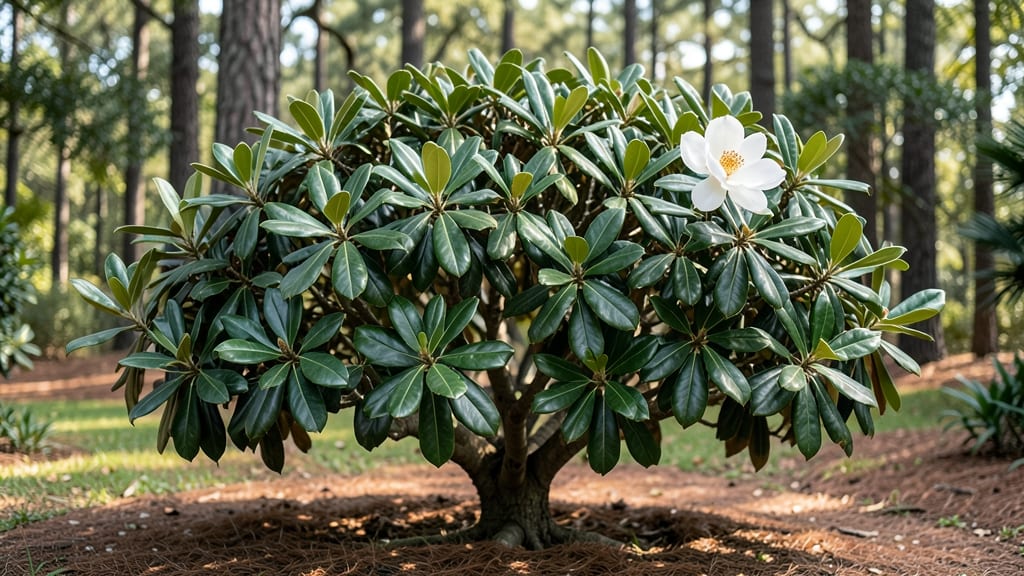
Growing a big leaf magnolia tree means adding a stunning, slow-growing giant to your landscape—one that blooms in spring with foot-long white flowers and keeps drama all year. 🌿 I planted mine under a mature oak, where its deep roots and shade tolerance make it thrive where other trees fail.
The key? Patience and precision—this isn’t a plant you rush, but the payoff is worth every year of waiting. These trees demand rich, acidic soil (think pine bark or compost mixed into native soil) and plenty of space—they can reach 80 feet tall with a 30-foot spread.
Water deeply once established, but avoid soggy roots. The real magic happens in late winter or early spring, when you prune to shape and remove dead wood, ensuring those massive blooms have room to shine.
By summer, you’ll see glossy, leather-leaf foliage that turns golden in fall, and the tree’s bark develops a textured, almost sculptural quality. The blooms attract pollinators, and the shade cools your yard—it’s a multi-season investment. Just watch for scale insects or powdery mildew, which can stress younger trees.
Perfect for southern landscapes (zones 5-9), but adaptable with extra winter protection in colder areas. Start small, think big—this tree will be the centerpiece of your garden for decades.
📚 In This Guide
- What you need
- Instructions
- Tips and common mistakes
- Wrapping up and next steps
What you need
- ● Pruning shears: Bypass pruners (sharp, clean, and disinfected with rubbing alcohol). Size: 6–8 inches (for small branches).
- ● Loppers: For thicker branches (1–2 inches in diameter). Look for: Bypass or anvil-style (avoid anvil if pruning diseased wood).
- ● Pruning saw: Curved-tooth saw for branches >2 inches thick. Tip: Choose a folding model for portability.
- ● Gloves: Heavy-duty, cut-resistant gloves (e.g., mechanics’ gloves or gardening-specific with grip).
- ● Disinfectant: 70% isopropyl alcohol or horticultural spray (to prevent disease spread).
- ○ Sealing wax: Pruning sealant (optional but helpful for large cuts >½ inch). Brand rec: Tanglefoot Tree Wound Pruning Seal.
- ● Ladder or step stool: Sturdy, non-slip (magnolias can grow 60–80 feet tall!). Safety first!
- ● Trash bags: Heavy-duty (for debris disposal).
- ● Notebook & pen: To jot down pruning notes (e.g., branch locations, growth patterns).
- ● Extension pole pruners: For high branches (e.g., Felco F-2 with 36-inch reach).
- ● Pole saw: For very tall trees (e.g., Fiskars X27).
- ● Safety glasses: Protect your eyes from debris.
- ● Knee pads: For comfort during ground-level pruning.
- ● Tree growth regulator: (e.g., Prohibit) if managing aggressive growth.
- ● Camera: Snap before/after pics to track progress!
Step-by-step instructions for planting and pruning a big leaf magnolia tree
Here's how to establish a stunning magnolia with minimal fuss—focus on placement and strategic cuts.
🌱 Step 1: Select and Prepare the Planting Site
Choose a location with partial shade to full sun (at least 6 hours of morning sunlight). Big leaf magnolias thrive where afternoon shade protects them from intense heat. The soil should be well-draining but moisture-retentive, with a pH between 5.0 and 6.5. If your soil is heavy clay, amend it with 3-4 inches of compost mixed into the top 12 inches of soil.
Dig a hole twice as wide as the root ball but only as deep—planting too deep suffocates the roots. Loosen the sides of the hole with your shovel to encourage root spread. I like to add a handful of slow-release fertilizer (10-10-10) to the bottom to give the tree a nutrient boost without overwhelming it.
🪴 Step 2: Plant the Tree with Proper Spacing and Support
Remove the tree from its container and gently tease the roots apart if they're circling. Place the root ball in the hole so the top of the root flare (where roots meet trunk) sits 1-2 inches above ground level. This prevents water from pooling around the trunk and causing rot.
Backfill with native soil, tamping lightly every 6 inches to eliminate air pockets. Water deeply until the soil is saturated 12 inches down. For young trees, install a 4-5 foot tall stake and secure the trunk with a rubber tree tie—magnolias grow tall quickly, and wind can snap them. Mulch with 3 inches of organic mulch, keeping it 6 inches away from the trunk to avoid moisture buildup.
✂️ Step 3: Prune for Structure in Early Spring
Wait until late winter or early spring (just before buds swell) to prune. Remove dead, diseased, or crossing branches first—these compete with healthy growth and invite pests. Use clean, sharp pruners and cut just outside the branch collar (the swollen area where the branch meets the trunk). Never leave stubs.
For shaping, focus on opening the canopy to improve airflow. Thin out 10-20% of the branches to reduce density, prioritizing those growing inward or downward. Big leaf magnolias bloom on old wood, so avoid heavy pruning in summer or fall—you’ll sacrifice next year’s flowers. After pruning, apply wound dressing (like pruning sealant) only if the cut is larger than ½ inch in diameter.
☀️ Step 4: Maintain Year-Round Care for Long-Term Health
Water deeply once a week during the first growing season, ensuring moisture reaches 12 inches down. Mature trees need less frequent watering but benefit from deep soakings during droughts. Avoid overhead irrigation—wet foliage encourages fungal diseases like powdery mildew. Instead, use soaker hoses or drip irrigation at the base.
Fertilize lightly in early spring with a balanced, slow-release fertilizer (like 10-10-10). Too much nitrogen promotes leafy growth at the expense of flowers. Monitor for pests like scale insects or spider mites—spray with neem oil if you spot sticky residue (honeydew) on leaves. Mulch annually to retain moisture and suppress weeds, but never pile mulch against the trunk.
⏰ Step 5: Plan for Seasonal Pruning and Flower Care
After the tree blooms (typically late spring), remove spent flowers by cutting the stem just above a leaf bud. This redirects energy to next year’s blooms instead of seed production. In late summer, prune any suckers (shoots growing from the base) or water sprouts (fast-growing vertical shoots)—these drain the tree’s resources without adding value.
Big leaf magnolias are slow to recover from heavy pruning, so never remove more than 25% of the canopy in a single year. If you must prune for safety (e.g., near power lines), do it gradually over 2-3 years. The goal is to maintain a balanced, open canopy that lets light filter through—this keeps the tree healthy and encourages those dramatic, football-sized blooms for decades.
Tips & tricks for perfect big leaf magnolia care
Mastering these key details transforms good magnolia care into stunning, long-lasting results.
Site Selection Insight: The 6 hours of morning sunlight is non-negotiable for blooming success, but afternoon shade becomes critical in zones with intense summer heat. I've seen magnolias struggle in full afternoon sun—watch for leaf scorch. For urban areas, position near a north-facing wall or under deciduous trees that provide seasonal shade.
Planting Depth Secret: That 1-2 inch root flare elevation above ground isn't just about rot prevention—it's about establishing proper air circulation at the trunk. I've fixed many poorly planted magnolias by carefully excavating and repositioning the root flare. Use a level to verify placement, and never mound soil against the trunk after planting.
Pruning Timing Strategy: The late winter/early spring window for pruning is your best chance to shape without sacrificing next year's blooms. Look for swollen buds as your cue—this means the tree is about to wake up from dormancy. I mark my calendar for February in cold climates, March in warmer regions, giving myself a 2-week window before bud break.
Watering Technique: Those 12-inch deep waterings aren't just about quantity—they're about quality. Use a soil probe to verify moisture penetration after watering. For the first year, I water at dawn to minimize evaporation, and always water at the base rather than overhead. The goal is to encourage deep root growth rather than surface roots that dry out quickly.
Pro Tips for Big Leaf Magnolia Tree
- Mastering these key details transforms good magnolia care into stunning, long-lasting results.
- Site Selection Insight: The 6 hours of morning sunlight is non-negotiable for blooming success, but afternoon shade becomes critical in zones with intense summer heat.
- Planting Depth Secret: That 1-2 inch root flare elevation above ground isn't just about rot prevention—it's about establishing proper air circulation at the trunk.
Frequently asked questions
Got questions about your big leaf magnolia tree?
We’ve got answers! Whether you’re a newbie or a seasoned gardener, these FAQs will help you keep your magnolia thriving with confidence.
When is the best time to prune a big leaf magnolia?
The ideal time to prune is late winter or early spring (February–March), just before new growth begins. Avoid pruning in fall or summer, as this can stress the tree and invite pests. If you must remove dead or damaged branches, do so anytime—but timing matters for shaping!
Can I prune my magnolia tree too much?
Big leaf magnolias are sensitive to over-pruning. Never remove more than 20% of the canopy at once—this can stunt growth or harm the tree’s health. Focus on light shaping and deadwood removal. Think of it like a haircut: small adjustments keep it looking fresh without stressing it out.
Why are my magnolia leaves turning yellow or brown?
Yellowing leaves often signal overwatering, nutrient deficiency, or fungal issues. Check the soil moisture—magnolias prefer well-draining soil. Brown edges may mean underwatering or salt buildup. If spots appear, it could be anthracnose fungus—treat with fungicide and improve airflow around the tree.
How do I encourage more flowers on my magnolia?
Big leaf magnolias flower on old wood, so avoid heavy pruning—especially in late summer or fall. Mulch the base, water deeply but infrequently, and fertilize lightly in early spring with a balanced, slow-release formula. Patience is key—mature trees (10+ years) produce the most dramatic blooms!
Are there smaller alternatives to big leaf magnolias?
Yes! If space is tight, consider southern magnolia (Magnolia grandiflora ‘Little Gem’) or saucer magnolia (Magnolia × soulangeana). Both offer stunning flowers with a more compact growth habit. Just remember: all magnolias need space for roots—even the "small" varieties!
Wrapping up and next steps
The big leaf magnolia is a stunning addition to any landscape, offering year-round beauty with its glossy leaves, fragrant blooms, and dramatic fall color. With the right precision pruning techniques and care, you can keep it thriving for decades—so roll up your sleeves and enjoy the process! 🌿
Ready to elevate your gardening game? Start small: pick one pruning task this season, like shaping its canopy or removing dead branches, and watch your magnolia shine. Happy pruning—your tree (and future visitors!) will thank you.