
Flowers
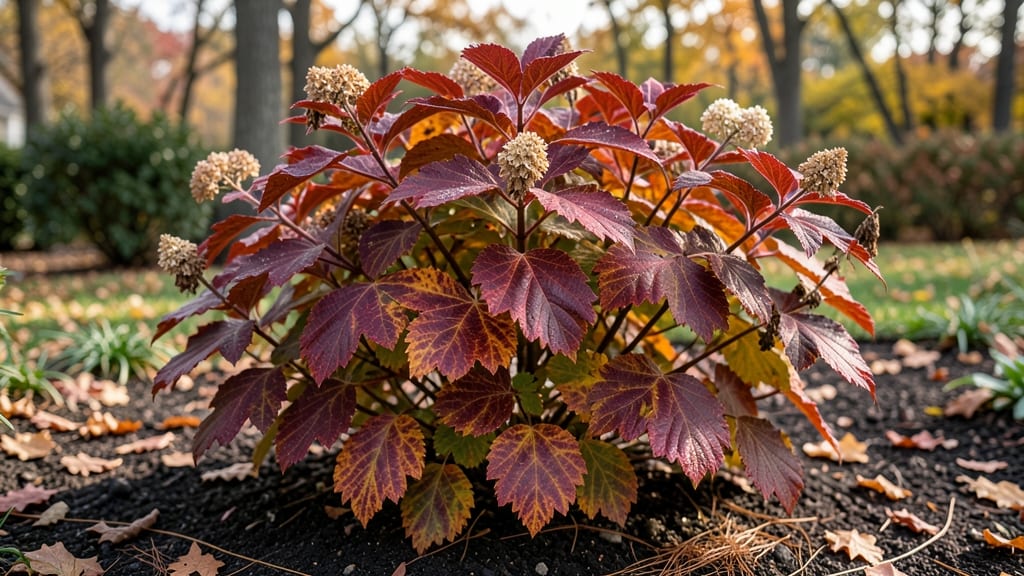
The oakleaf hydrangea's fall color is nature's own fireworks show—deep reds, purples, and oranges that outshine any maple. 🌿 I've watched mine transform from green to fiery hues every autumn, and the secret to prolonging this display lies in understanding its needs.
These hydrangeas aren't just pretty faces; they're hardy survivors that reward patience with stunning seasonal changes.
Timing matters most: peak color arrives when nights dip into the 40s°F but days stay warm, usually 6-8 weeks before first frost. Pruning now can ruin next year's show—wait until late winter instead.
A light layer of mulch preserves moisture and keeps roots cool, while consistent watering (about 1 inch per week) prevents stress that dulls the colors.
You'll get 3-4 weeks of peak color if you avoid heavy pruning and keep the soil slightly acidic (pH 5.5-6.2). The leaves even stay vibrant into early winter, providing winter interest when most gardens fade. Just avoid over-fertilizing in summer—it encourages leafy growth at the expense of fall drama.
Works best in zones 5-9, but even northern gardeners can enjoy them with proper winter protection. The key is balancing care with letting nature take its course—these hydrangeas know exactly when to put on their best show.
📚 In This Guide
- What you need
- Instructions
- Tips and common mistakes
- Wrapping up and next steps
What you need
- ● Oakleaf hydrangea plants: 1–3 mature plants (depending on desired size; Hydrangea quercifolia thrives in clusters)
- ● Choose named cultivars like ‘Snow Queen,’ ‘Pee Wee,’ or ‘Alice’ for varied fall hues (deep reds, purples, or oranges).
- ● Well-draining soil: Mix 2 parts native soil + 1 part compost (or peat moss for acidity). Test pH—oakleaf hydrangeas prefer 4.5–5.5.
- ● Mulch: 2–3 inches of pine bark or shredded leaves (retains moisture, mimics natural forest floor).
- ● Fertilizer: Balanced granular (10-10-10) or acid-loving plant food (e.g., Miracle-Gro Azalea/Camellia).
- ○ Optional: Epsom salt (1 tbsp per plant) for magnesium boost in early spring.
- ● Pruning tools: Bypass pruners (for clean cuts)
- ● Loppers (for thicker stems)
- ● Gloves + hand sanitizer (hydrangeas can be prickly!)
- ● Watering supplies: Hose with soaker nozzle or drip irrigation kit (deep watering 1–2x/week in dry spells).
- ○ Water retention crystals (optional, for clay-heavy soils).
- ● Fall color enhancers: Iron supplements (e.g., chelated iron) for brighter reds.
- ● Fall-specific mulch dyes (like cinnamon or copper-based for subtle hue shifts).
- ● Support structures: Stakes or cages if stems flop under heavy foliage.
- ● Photography gear: A macro lens to capture those velvety leaves up close!
How to maximize oakleaf hydrangea fall foliage vibrancy
Here’s how to coax those legendary burgundy, gold, and crimson fall hues from your oakleaf hydrangea—no special tricks, just smart care.
🌿 Step 1: Prune Strategically in Late Winter
Prune 3-4 weeks before your last frost date—this is non-negotiable for fall color. Oakleaf hydrangeas bloom on old wood, so cut back only stems that died back naturally or are damaged. I use clean, sharp pruners to make cuts just above a bud or leaf node, about ¼ inch above.
Remove no more than ⅓ of the plant’s total stems—this ensures enough leafy growth for vibrant fall color. If you prune too aggressively, you’ll sacrifice next year’s blooms and foliage drama. Watch for new growth buds along the stems; these are your future color producers.
☀️ Step 2: Provide Full Sun to Partial Shade
Oakleaf hydrangeas thrive in morning sun with afternoon shade, especially in hot climates. I position mine where they get 4-6 hours of direct sun but avoid the harsh afternoon rays that can scorch leaves. In cooler regions, they tolerate full sun all day.
Watch for leaf edges turning crispy—this is your cue to move the plant to a slightly shadier spot. The right balance of light ensures rich green summer foliage that later transforms into deep fall colors. Mulch the base with 2-3 inches of organic mulch to retain moisture and regulate soil temperature.
💧 Step 3: Water Deeply and Consistently
Water 1-2 times per week, delivering 1-1.5 gallons per plant each time. Oakleaf hydrangeas have shallow but extensive root systems, so deep watering encourages roots to spread outward. I water in the early morning to reduce evaporation and fungal risks.
Let the top 2-3 inches of soil dry out between waterings—this prevents soggy roots while keeping the plant hydrated. Yellowing leaves often signal underwatering, while drooping or wilted foliage means it’s time to water again. Avoid overhead watering in late afternoon to prevent mildew.
✂️ Step 4: Fertilize for Rich Fall Color
Apply a balanced, slow-release fertilizer (like 10-10-10) in early spring and again in mid-summer. Oakleaf hydrangeas respond well to iron supplements if leaves appear pale or yellow between veins. I avoid high-nitrogen fertilizers in late summer—they promote leafy growth at the expense of fall color.
Watch for new growth flushes after fertilizing; these will develop into the vibrant foliage you’re after. Stop fertilizing by mid-August to allow the plant to focus on color development rather than new growth. A mulch top-dressing in early fall adds organic matter for next year’s performance.
🍂 Step 5: Protect Leaves as Colors Develop
Once leaves start shifting from green to red, orange, or purple (usually late September in most climates), avoid heavy pruning or fertilizing. I remove only dead or diseased stems at this point. The key is letting the plant photosynthesize until frost—this builds the pigments for fall color.
If you’re in a region with early frosts, a lightweight frost cloth can protect leaves while allowing sunlight through. Avoid heavy pruning until late winter, as cutting back now removes next year’s color potential. The more leaves you preserve, the more dramatic the fall show will be.
Tips & tricks for stunning oakleaf hydrangea fall foliage
Here's what nobody tells you about unlocking that jaw-dropping autumn palette in your oakleaf hydrangeas.
Pruning Precision: When you're making those late winter cuts 3-4 weeks before your last frost, focus on removing only the truly dead or damaged stems. I've seen gardeners accidentally trim off next year's color producers by cutting too aggressively—those new growth buds along the stems are where the magic happens. The ¼-inch rule above the bud ensures you're preserving the framework for vibrant fall leaves.
Light Balance Secret: That 4-6 hours of morning sun isn't just about quantity—it's about quality. Position your plant where the sunlight hits the leaves directly rather than filtering through other foliage. I've noticed the most dramatic color shifts occur on leaves that get this direct morning exposure combined with afternoon shade. Think of it as giving your plant a sunrise wake-up call rather than an all-day tan.
Watering Wisdom: The 1-1.5 gallons per watering might seem like a lot, but oakleaf hydrangeas have those extensive shallow roots that spread wide. I've learned the hard way that shallow watering leads to stressed plants with dull fall colors. Water deeply enough that it reaches about 6-8 inches down—this encourages roots to grow outward where they can access nutrients for those rich fall pigments. The early morning timing isn't just about evaporation; it's about giving leaves all day to dry and prevent fungal issues that can dull the colors.
Fertilizer Timing: That mid-August cutoff for fertilizing is crucial for color development. I've seen gardeners continue fertilizing into September, only to get beautiful green growth instead of vibrant fall hues. The key is letting the plant focus on pigment production rather than new leaf growth. Think of it as giving your plant a "color diet" rather than a growth spurt before autumn.
Pro Tips for Oakleaf Hydrangea Fall Color
- Here's what nobody tells you about unlocking that jaw-dropping autumn palette in your oakleaf hydrangeas.
- Pruning Precision: When you're making those late winter cuts 3-4 weeks before your last frost, focus on removing only...
- Light Balance Secret: That 4-6 hours of morning sun isn't just about quantity—it's about quality. Position your plant...
Frequently asked questions
Got questions about maximizing your oakleaf hydrangea’s fall color? Here are some of the most common ones—and expert answers to help you get the most out of your plant’s seasonal show!
When do oakleaf hydrangeas typically change color in fall?
Oakleaf hydrangeas usually start their stunning color transformation in late September or early October, depending on your climate. Cooler nights and shorter days trigger the shift from deep green to fiery reds, oranges, and purples. In warmer regions, this can happen earlier, while colder zones may see delays until November.
Why aren’t my oakleaf hydrangeas changing color this fall?
If your hydrangeas are staying green, check these factors: insufficient sunlight (they need 4–6 hours of sun), overwatering (can dilute pigments), or lack of nutrients (apply a balanced fertilizer in early summer). Stress from drought or pests can also delay color changes. Give them a boost with a light pruning in late winter to encourage new growth.
Can I extend the fall color of my oakleaf hydrangea?
Yes! To prolong the show, avoid pruning until spring—cutting back now removes next year’s blooms and color. Mulch around the base to insulate roots and protect against early frost. If temperatures drop suddenly, a light frost cloth can shield leaves without harming the plant. Water consistently but reduce frequency as temps cool.
Are there alternatives to oakleaf hydrangeas for fall color?
If oakleaf hydrangeas aren’t your style, try these fall foliage stars:
- Smoke bush (Cotinus): Bursts into pink, purple, or orange plumes.
- Japanese maple (Acer palmatum): Delicate lace-like leaves in reds and oranges.
- Viburnum: Deep burgundy or gold hues with berries for winter interest.
- Sumac (Rhus): Bright red, feathery clusters that last into winter.
Will oakleaf hydrangeas keep their color through winter?
While they won’t stay vibrant like spring blooms, oakleaf hydrangeas often retain some color until late winter—especially in milder climates. Their exfoliating bark and dried leaves add winter texture. In harsh freezes, leaves may crisp, but the plant’s dormant buds (hidden in the stems) ensure a fresh start in spring. Prune after the first hard frost to clean up dead foliage.
Wrapping up and next steps
The oakleaf hydrangea truly steals the show in fall, transforming your garden into a breathtaking masterpiece with its fiery hues of red, orange, and purple. 🌿 Whether you're a seasoned gardener or just starting, this versatile plant offers year-round beauty with minimal fuss—what’s not to love? Ready to elevate your outdoor space?
Grab some cuttings, pick your spot, and let nature do the rest!
💡 Next step: Start planning your planting or pruning schedule—fall is the perfect time to prep for next year’s showstopping display!