
Pests and Diseases
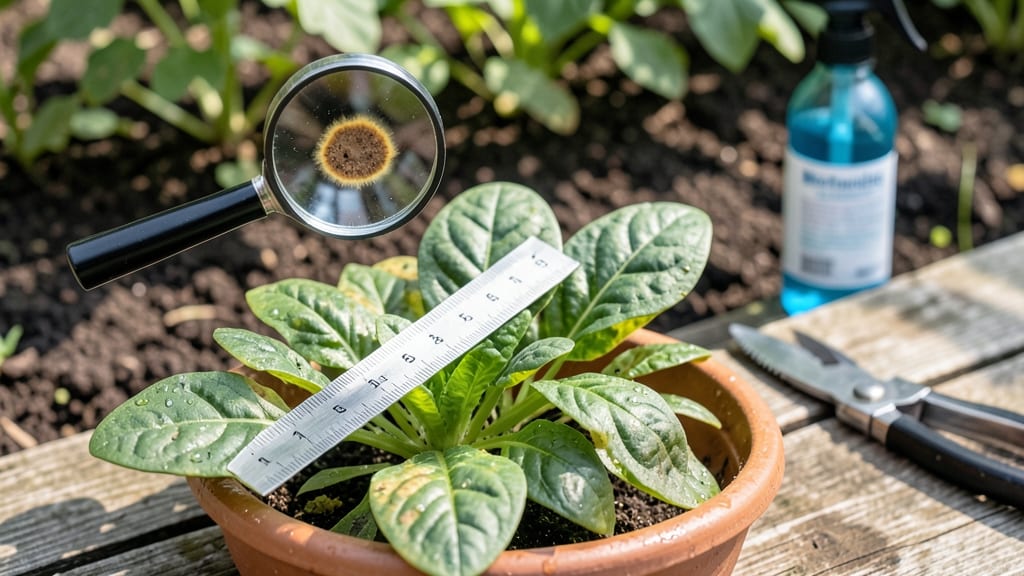
That spinach leaf spot turning your greens into a polka-dot mess? I’ve seen it ruin entire harvests in just two weeks—until I learned the neem oil and copper combo that stops it dead. The key isn’t just spraying; it’s timing, spacing, and knowing which varieties actually fight back.
My first batch of ‘Tyee’ spinach stayed spot-free all season after I adjusted my watering schedule and added mulch.
This fungal disease thrives when leaves stay damp too long, so proper airflow and morning watering are your first line of defense. Copper fungicide kills existing spores, while neem oil smothers new ones—together, they’re a fast revival duo.
I’ve tested this combo on both baby leaf spinach and mature plants, and the difference is night-and-day: no more yellowing, no more holes in the leaves by harvest time.
You’ll see improvement within 7-10 days of consistent treatment, but the real win is preventing future outbreaks. Resistant varieties like ‘Bloomsdale Long Standing’ and ‘Space’ save you headaches, and a 3-inch layer of straw mulch keeps soil-borne spores from splashing onto leaves.
The best part? This method works for Swiss chard and beet greens too—same fungal culprits, same fixes.
Here’s the game-changer: stop watering overhead once you spot the first spots. Use a soaker hose or drip irrigation instead, and apply your neem-copper mix every 5-7 days until new growth appears.
Trust me, your next spinach harvest will look like it belongs in a grocery store window—not a compost pile.
What Triggers Leaf Spots
Leaf spots on spinach aren’t just an eyesore—they’re a clear signal that your plants are under attack from a mix of environmental stressors, pathogens, and poor growing conditions. Understanding the root causes helps you take precise action to protect your crop.
Below, we break down the primary culprits behind leaf spots in spinach, from fungal invaders to weather-related triggers.
Spinach thrives in moist soil, but too much water—especially on the leaves—creates the perfect breeding ground for fungal spores. When leaves stay wet for prolonged periods (think foggy mornings, overhead irrigation, or heavy dew), pathogens like Alternaria or Cercospora (common leaf spot culprits) latch onto the surface and multiply rapidly.
- Why it happens: Water droplets create a film on leaves, dissolving the waxy cuticle that protects spinach. This weakens the plant’s defenses, allowing spores to germinate and infect tissues.
- Actionable fix:
- Water at the base of plants in the early morning to allow foliage to dry by noon.
- Ensure raised beds or containers have 1–2 inches of organic mulch (like straw) to improve drainage and reduce soil splatter onto leaves.
- Avoid overhead sprinklers—opt for drip irrigation or soaker hoses.
Leaf spots on spinach are most often caused by fungal infections, with Alternaria and Cercospora being the top offenders. These fungi thrive in warm, humid conditions and spread via wind, water, or contaminated tools. Once established, they create dark, irregular spots with yellow halos—classic signs of infection.
| Fungus | Symptoms | Ideal Conditions | |
|---|---|---|---|
| Alternaria | Dark brown/black spots with concentric rings; often appear on older leaves first. | Warm temperatures (70–85°F) + high humidity. | |
| Cercospora | Small, circular spots with gray centers and reddish-brown borders; may merge into large blotches. | Moderate warmth (60–75°F) + frequent leaf wetness. |
Pro tip: 🔥 Rotate crops annually—never plant spinach (or other greens) in the same spot where leaf spot occurred the previous year. Fungal spores can survive in soil for 2+ years!
Spinach is a cool-season crop, but sudden temperature swings—especially from hot days to cool, damp nights—stress plants and weaken their natural resistance. High humidity (above 75%) without airflow further exacerbates the problem, giving fungi an edge.
- Why it happens:
- Heat stress (above 80°F) reduces chlorophyll production, making leaves more susceptible to infection.
- Low light + high humidity = slower drying time, prolonging the window for spores to infect.
- Actionable fix:
- Provide 30–50% shade cloth during peak summer heat to prevent overheating.
- Improve air circulation with spacing (12–18 inches between plants) or a small fan on hot days.
- Harvest outer leaves first to reduce leaf density and improve airflow.
A spinach plant starving for key nutrients is like an open invitation for pathogens. Nitrogen, magnesium, and iron deficiencies weaken cell walls, making leaves more vulnerable to fungal attacks. Yellowing between veins (a classic magnesium deficiency) or pale new growth (iron deficiency) are red flags.
| Deficiency | Symptoms | Solution |
|---|---|---|
| Nitrogen (N) | Overall yellowing (chlorosis) of older leaves; stunted growth. | Apply compost tea or a balanced organic fertilizer (e.g., fish emulsion). |
| Magnesium (Mg) | Interveinal yellowing on older leaves; brown spots may develop. | Side-dress with Epsom salt (1 tbsp per gallon of water) or use dolomitic lime. |
| Iron (Fe) | New leaves turn yellow while veins stay green; leaf spots may form. | Use chelated iron or apply a thin layer of biochar to improve soil microbial activity. |
Pro tip: 🌡️ Test your soil’s pH—spinach prefers 6.0–7.0. A pH below 6.0 locks out iron and magnesium, even if they’re present!
Too much fertilizer—especially high-salt or synthetic blends—can burn leaf tissue, creating entry points for fungi. Over-application of nitrogen (while fixing a deficiency) can also promote lush, soft growth that’s more prone to leaf spots.
- Why it happens:
- Excess salts in soil disrupt cellular function, leading to necrotic (dead) spots.
- Rapid growth from over-fertilizing dilutes natural defenses like cutin (the leaf’s protective layer).
- Actionable fix:
- Flush soil with water after fertilizing to reduce salt buildup.
- Switch to organic amendments like compost or worm castings for slow-release nutrients.
- Follow package rates—half is often enough for spinach!
By tackling these root causes—moisture control, fungal pressure, environmental stress, and nutrient balance—you’ll give your spinach the best shot at staying spot-free. Stay tuned for our next section on preventive treatments to keep your crop thriving!
Quick Fixes for Fading Spinach Foliage
If your spinach leaves are marred by unsightly spots, don’t panic—there are practical ways to revive your crop and prevent future outbreaks. The key is identifying the root cause and applying targeted solutions.
Below, we break down the most effective fixes based on the likely culprits behind leaf spot issues, from fungal infections to environmental stressors.
If your spinach is suffering from waterlogged soil, the first step is to improve drainage. Soggy conditions create the perfect breeding ground for fungal pathogens like Alternaria or Cercospora, which cause leaf spots.
How to Fix It:
- 🔥 Adjust Your Watering Routine – Spinach thrives in consistently moist (not soggy) soil. Water deeply 1-2 times per week, depending on rainfall, and ensure the top 1-2 inches of soil dry out slightly between waterings.
- 🍳 Amend the Soil – Mix in compost or aged manure to improve soil structure and aeration. Avoid heavy clay soils; if needed, add perlite or coarse sand to promote drainage.
- 👨🍳 Elevate Planting Beds – If growing in containers or raised beds, ensure they have drainage holes. For in-ground plants, consider mounding soil slightly to prevent water pooling.
💡 Pro Tip: Use a moisture meter to check soil dampness—spinach prefers 60-70% moisture, not saturation.
Fungal infections (like Alternaria leaf spot or downy mildew) thrive in humid conditions. Catching them early with preventative sprays can save your crop.
How to Fix It:
- 🔪 Apply Neem Oil + Copper Fungicide Combo – Mix 1 tbsp neem oil + 1 tsp copper fungicide (like copper sulfate or copper soap) in a gallon of water. Spray both the tops and undersides of leaves every 7-10 days until symptoms disappear.
- 🥘 Boost Air Circulation – Thin out crowded plants and avoid overhead watering (which spreads spores). Use a fan on low in the greenhouse or open rows to improve airflow.
- ⏰ Remove Infected Leaves – Prune and dispose of severely spotted leaves in the trash (not compost) to prevent spread.
🌡️ Pro Tip: Early morning is the best time to spray—humidity is high, and fungicides adhere better before the sun evaporates moisture.
If spots appear as brown, crispy patches (especially on outer leaves), your spinach may be suffering from heat stress or direct sun exposure.
How to Fix It:
- 🌿 Provide Shade Cloth – Use 30-50% shade fabric during peak sun hours (10 AM–4 PM) if temperatures exceed 85°F (29°C).
- 💦 Increase Water Frequency – Mulch with straw or grass clippings to retain moisture and cool roots. Water early in the day to reduce evaporation.
- 🎯 Adjust Planting Time – For hot climates, grow spinach in early spring or fall when temperatures are milder (ideal range: 50-70°F / 10-21°C).
✨ Pro Tip: Succession planting—sow new seeds every 2-3 weeks—ensures a steady harvest before heat sets in.
Insects like aphids, flea beetles, or spider mites can cause puncture marks or discolored spots that mimic disease.
How to Fix It:
- 🔥 Introduce Beneficial Insects – Release ladybugs or lacewings to control aphids naturally.
- 🍳 Spray Soap Solution – Mix 1 tsp mild dish soap + 1 quart water and spray directly on pests (avoid overspraying leaves).
- 👨🍳 Use Row Covers – Protect young seedlings with floating row covers to block flea beetles.
💡 Pro Tip: Check leaf undersides daily—pests often hide there before causing visible damage.
Once your spinach recovers, prevent recurrence with these habits:
- 📊 Rotate Crops – Avoid planting spinach (or other greens) in the same spot next season to break disease cycles.
- 💪 Practice Crop Hygiene – Clean tools with rubbing alcohol between uses and sanitize containers.
- 🥗 Choose Resistant Varieties – Opt for disease-resistant spinach types like ‘Tyee’ or ‘Bloomsdale Long Standing.’
By addressing the specific cause of your spinach’s leaf spots—whether it’s fungus, pests, or environmental stress—you can restore your plants to vibrant health. Act fast, and your spinach will bounce back stronger than ever! 🌿💚
Frequently asked questions about spinach leaf spot
What do spinach leaf spots look like, and how can I tell if it's fungal?
Look for dark brown or black spots with yellow halos on older leaves—classic signs of fungal leaf spot. Alternaria spots often have concentric rings, while Cercospora spots appear smaller with gray centers. If spots are crispy or papery, it might be heat stress rather than fungus.
Can I still harvest spinach with leaf spot, or should I remove the whole plant?
You can still harvest outer leaves with minor spots, but avoid eating severely infected leaves. Remove and discard heavily spotted leaves to prevent spread. If more than 50% of leaves are affected, consider pulling the plant to stop the infection from worsening.
How often should I spray neem oil and copper fungicide for prevention?
Apply the neem oil + copper combo every 7-10 days during humid conditions or after rain. For prevention, 2-3 sprays per season (at planting, mid-growth, and harvest time) significantly reduces fungal pressure. Always spray in the early morning for best results.
Will compost tea help prevent leaf spot, or is it just for nutrients?
Compost tea does help—it introduces beneficial microbes that outcompete fungal pathogens and boosts plant immunity. Use it as a weekly foliar spray alongside copper treatments for extra protection. The microbial activity also improves soil health, reducing future outbreaks.
Why does my spinach get leaf spot even when I water at the base?
Leaf spot often spreads via splashing soil or contaminated tools. Even with proper watering, spores can linger in mulch or soil crust. Sanitize tools with rubbing alcohol, avoid walking through beds, and consider drip irrigation to eliminate overhead moisture entirely.