
Leaf Blower
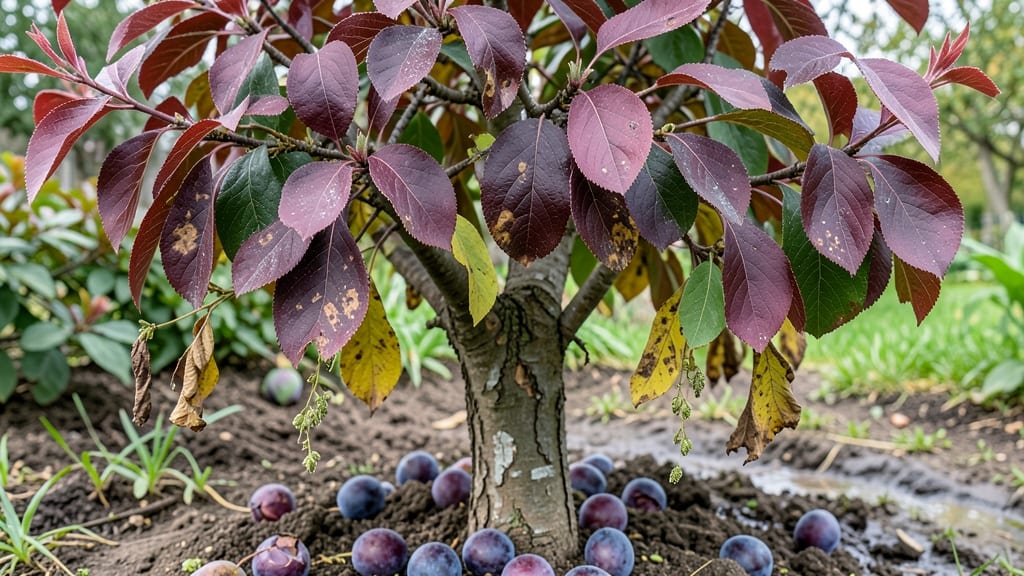
Your stunning purple leaf plum tree shouldn’t come with a side of purple leaf plum tree problems—yet these issues can creep in if you miss the early signs. 🌿 I've seen these trees go from vibrant to sad in just weeks—usually because of something simple we overlook.
The good news? Most purple leaf plum problems—like yellowing leaves, powdery white spots, or sticky sap—have quick fixes once you know what to look for. Overwatering, nutrient deficiencies, and pests are the usual culprits, but spotting the symptoms early makes all the difference.
By the end of this, you'll know exactly how to revive your tree's color and health. Think crisp purple leaves by summer, not brown patches or sparse growth. Let's get those branches back to their showstopping best. Here's the thing—these trees are tough, but they do need our help.
Too much water turns leaves yellow, while not enough makes them crispy at the edges. Powdery mildew shows up as white dust, and aphids leave behind sticky residue that ants love. The fix often starts with a quick soil check and proper watering schedule.
A balanced fertilizer in early spring keeps those leaves vibrant, and a strong spray of water can knock off pests before they take over. Prevention is easier than cleanup, so I keep an eye out for early signs.
Pruning in late winter removes dead wood, and a layer of mulch keeps roots happy. Most problems solve themselves with basic care—no fancy tools needed. Whether you're dealing with a young tree or a mature one, these steps work.
Your tree's dramatic foliage is worth the effort—trust me, I've saved more than a few from the brink.
Root Causes Of Leaf Struggles
Understanding why your purple leaf plum tree develops issues starts with recognizing the environmental, biological, and cultural stressors at play. These trees are prized for their stunning foliage, but their vibrant leaves can quickly fade, yellow, or wilt when conditions go awry.
Below, we break down the key triggers behind common leaf problems—so you can address them before they spiral.
Purple leaf plums thrive in USDA Zones 5-9, but they’re sensitive to sudden temperature swings, especially when young or recovering from stress.
- Cold Damage (Winter Burn): - When temperatures drop below 10°F (-12°C) for extended periods, the tree’s cell membranes rupture, causing brown, crispy leaf edges or blackened branches. - Why it happens: The tree’s antifreeze proteins (natural compounds that protect cells) may not be enough if the cold hits too fast or after a warm spell (which tricks the tree into growing before winter). - Actionable fix: Mulch heavily (3-4 inches of wood chips or straw) and wrap the trunk in burlap or tree guard in late fall.
Avoid winterizing too early—wait until consistent freezing temps arrive.
- Heat Stress (Scorching):
- Intense sun + dry soil = leaf scorch, where edges turn brown and papery while staying attached.
- Why it happens: The tree can’t transpire (release water) fast enough to cool itself, leading to oxidative damage in leaf cells.
- Actionable fix: Deep water weekly (1-2 inches per week) and provide afternoon shade with a light shade cloth (30-50%) during heatwaves.
Purple leaf plums hate soggy roots but also wilting stress—both lead to yellowing, dropping leaves, or fungal infections.
- Overwatering (Root Rot): - Symptoms: Yellowing leaves that stay soft, mushy stems, or a foul smell near the base. - Why it happens: Phytophthora (a water-mold fungus) thrives in waterlogged soil, blocking oxygen and drowning roots.
Compacted or clay-heavy soil worsens the issue. - Actionable fix: - Improve drainage by amending soil with compost + perlite (1:1 ratio). - Raise the tree on a mound of gravel if planting in a low spot. - Water only when the top 2 inches of soil are dry (stick your finger in!).
- Underwatering (Drought Stress):
- Symptoms: Leaves curl upward, edges brown and crispy, and premature leaf drop.
- Why it happens: The tree can’t pull enough water from dry soil, causing xylem cavitation (air bubbles block water transport).
- Actionable fix:
- Water deeply 2-3 times per week during dry spells (soak until water drains 6 inches down).
- Mulch with 3 inches of organic mulch (straw or shredded bark) to retain moisture.
Purple leaf plums prefer well-draining, slightly acidic soil (pH 6.0-7.0), but poor soil chemistry leads to chlorosis (yellowing) or stunted growth.
- Iron & Chlorosis (Yellow Leaves with Green Veins): - Why it happens: High pH (alkaline soil) locks out iron (Fe), even if it’s present.
The tree can’t absorb enough for chlorophyll production. - Actionable fix: - Test soil pH (home kits work) and lower it with sulfur or pine needles if above 7.0. - Apply chelated iron (liquid fertilizer) every 4-6 weeks in spring/fall.
- Nitrogen Deficiency (Pale, Stunted Leaves):
- Symptoms: Light green or yellow leaves, slow growth, and fewer flowers.
- Why it happens: Poor soil organic matter or over-pruning depletes nitrogen (N), a key nutrient for leaf production.
- Actionable fix:
- Add compost (1-2 inches around the base) annually.
- Use a balanced fertilizer (10-10-10) in early spring before new growth starts.
- Magnesium Deficiency (Interveinal Yellowing):
- Symptoms: Yellow patches between veins (like a net pattern).
- Why it happens: Over-fertilizing with nitrogen without potassium (K) or magnesium (Mg) disrupts uptake.
- Actionable fix:
- Apply Epsom salt (1 tbsp per gallon of water) as a foliar spray or soil drench every 2 months.
Purple leaf plums are susceptible to pests and pathogens that feed on leaves, clog stomata (pores), or inject toxins.
- Spider Mites (Yellow Stippling + Webbing):
- Why it happens: Dry, hot conditions trigger these tiny arachnids to pierce leaves, sucking sap and causing silver/yellow speckles.
- Actionable fix:
- Blast off mites with a strong hose spray (disrupts their webs).
- Use neem oil (1 tsp per gallon of water) weekly until gone.
- Powdery Mildew (White Fuzzy Coating):
- Why it happens: High humidity + poor airflow encourages this fungus to smother leaves, blocking sunlight.
- Actionable fix:
- Prune for airflow (remove crossing branches).
- Spray with baking soda mix (1 tsp baking soda + 1 tsp oil + 1 gallon water) every 7 days.
- Scale Insects (Sticky Residue + Black Soot Mold):
- Why it happens: These sap-sucking pests excrete honeydew, which feeds sooty mold (a black fungus).
- Actionable fix:
- Scrape off scales with a plastic scraper (avoid damaging bark).
- Apply horticultural oil in late winter/early spring before new growth.
Over-pruning or improper cuts weaken the tree, making it more vulnerable to disease and poor leaf health.
- Why It Happens:
- Top-heavy pruning (cutting too many branches at once) reduces photosynthesis, leading to weak, yellow leaves.
- Wrong timing: Pruning in late summer/fall encourages new growth that won’t harden off before winter, damaging buds.
- Actionable Fix:
- Prune in late winter/early spring (just as buds swell).
- Never remove more than 25% of foliage in one season.
- Use clean, sharp shears to avoid tearing bark (which invites disease).
Quick Fixes for Purple Leaf Plum Tree Troubles
Revitalizing your purple leaf plum tree starts with identifying the root cause—and acting fast! Below, we’ve mapped out practical, step-by-step solutions for the most common issues, from fungal infections to environmental stressors.
Each fix includes prevention tips to keep your tree thriving long-term. Let’s get your tree back to its vibrant best!
Fix: Fungal infections thrive in damp, shaded conditions, but they’re beatable with the right care.
- 🔥 Prune for Airflow
- Remove infected leaves and branches (sterilize pruners with rubbing alcohol between cuts).
- Thin out dense foliage to improve sunlight penetration—fungi love shade and moisture.
- 🍳 Apply Fungicide
- Neem oil (1 tsp per quart of water + a drop of dish soap) or copper fungicide (follow label rates).
- Spray early morning or late evening to avoid burning leaves. Reapply every 7–10 days until symptoms fade.
- 👨🍳 Boost Tree Health
- Water at the base (avoid overhead sprinkling to reduce leaf moisture).
- Mulch with 2–3 inches of organic material (like shredded bark) to improve soil drainage.
💡 Prevention Tip:
- Space trees 6–8 feet apart to prevent overcrowding.
- Clean up fallen leaves in autumn to remove fungal spores.
Fix: Purple leaf plums are tough, but extreme temps can still take a toll.
- ❄️ Protect from Winter Burn
- Water deeply before the first freeze (soil moisture insulates roots).
- Wrap the trunk with burlap or tree guard to shield from harsh winds.
- 🔥 Beat Summer Scorch
- Morning watering (1–2 inches per week) keeps roots hydrated without promoting fungal growth.
- Provide afternoon shade (use shade cloth if temps exceed 90°F).
- 🌡️ Adjust Mulch for Temperature Swings
- Remove mulch 6 inches from the trunk to prevent rot.
- Use light-colored mulch (like straw) in hot climates to reflect sunlight.
💡 Prevention Tip:
- Choose the right location—purple leaf plums prefer full sun but tolerate partial shade in hot zones.
- Avoid pruning in late summer (new growth is more vulnerable to cold snaps).
Fix: Pests suck the life out of leaves, but natural remedies work wonders.
- 🔪 Blast Off Pests with Water
- Spray leaves with a strong hose (disrupts aphid colonies and washes away eggs).
- Repeat every 3–4 days for severe infestations.
- 🍳 Introduce Beneficial Insects
- Ladybugs or lacewings (buy from garden centers) devour aphids naturally.
- Neem oil spray (1% solution) smothers mites and scales—reapply weekly.
- 🌿 Prune and Dispose of Heavily Infested Branches
- Bag and trash affected leaves to stop reinfestation.
- Seal pruning wounds with pruning paint to prevent secondary infections.
💡 Prevention Tip:
- Encourage biodiversity—plant marigolds or basil nearby to repel pests.
- Inspect trees weekly during growing season for early signs of pests.
Fix: Purple leaf plums hate soggy roots and drought stress—balance is key.
- 🌧️ Check Soil Moisture
- Stick your finger 2 inches into the soil—if dry, water deeply. If muddy, hold off to prevent root rot.
- 🔥 Improve Drainage
- Amend heavy clay soil with compost or sand to help water drain.
- Raise beds slightly if your yard floods easily.
- 🍳 Watering Schedule
- Young trees: 1–2 inches per week (deep soak 2–3x/week).
- Mature trees: 1–1.5 inches per week (less frequent but deeper).
💡 Prevention Tip:
- Install a drip irrigation system for consistent moisture without overwatering.
- Mulch heavily (3–4 inches) to retain moisture in dry spells.
Fix: Yellowing or stunted growth often means your tree needs a dietary boost.
- 📊 Soil Test First
- Grab a DIY soil test kit (or send a sample to a local extension office) to check pH and nutrient levels.
- Purple leaf plums prefer slightly acidic soil (pH 6.0–7.0).
- 🍎 Feed with the Right Fertilizer
- Balanced fertilizer (10-10-10) in early spring promotes new growth.
- Iron chelate (for yellowing leaves) or Epsom salt (for magnesium deficiency) can be foliar-sprayed.
- 🌿 Compost Tea or Worm Castings
- Avoid synthetic fertilizers in summer—they burn roots. Instead, use organic amendments like compost tea for a gentle boost.
💡 Prevention Tip:
- Top-dress with compost annually in late fall to replenish nutrients naturally.
- Avoid over-fertilizing—purple leaf plums are low-maintenance and can suffer from excess salts.
✨ Pro Tip for All Issues: Monitor and adapt! Keep a tree care journal to track symptoms, treatments, and results. Most problems improve within 4–6 weeks of consistent care—so stay patient and persistent!
Frequently asked questions about purple leaf plum tree care
Why are my purple leaf plum tree leaves turning yellow?
Yellowing leaves usually signal either overwatering (soft, mushy leaves) or nutrient deficiencies like iron or nitrogen. Check soil moisture—water only when the top 2 inches are dry. For yellowing with green veins, try chelated iron or Epsom salt for magnesium. Always test soil pH first—alkaline soil blocks iron uptake!
What causes white powdery spots on my purple leaf plum leaves?
That's powdery mildew, a fungal infection thriving in humid, shaded conditions. Prune for better airflow and spray with a baking soda mix (1 tsp baking soda + 1 tsp oil + 1 gallon water) weekly. Avoid overhead watering—water at the base instead. Mulch with 2-3 inches of organic material to improve drainage.
How do I prevent winter damage to my purple leaf plum tree?
Water deeply before the first freeze to insulate roots, then mulch with 3-4 inches of wood chips. Wrap the trunk with burlap for young trees in Zone 5 or colder. Remove mulch 6 inches from the trunk to prevent rot. Avoid pruning in late summer—new growth won't harden off before winter!
Are purple leaf plums susceptible to pests like aphids or scale?
Yes! Aphids leave sticky residue while scale insects create black sooty mold. Blast pests off with water first, then apply neem oil (1 tsp/gallon) weekly. Introduce ladybugs or lacewings for natural control. Prune and dispose of heavily infested branches immediately to stop the spread.
When is the best time to prune my purple leaf plum tree?
Prune in late winter/early spring (just as buds swell) to avoid encouraging tender new growth before winter. Never remove more than 25% of foliage in one season. Sterilize pruners with rubbing alcohol between cuts, and seal wounds with pruning paint to prevent disease.