
Pests and Diseases
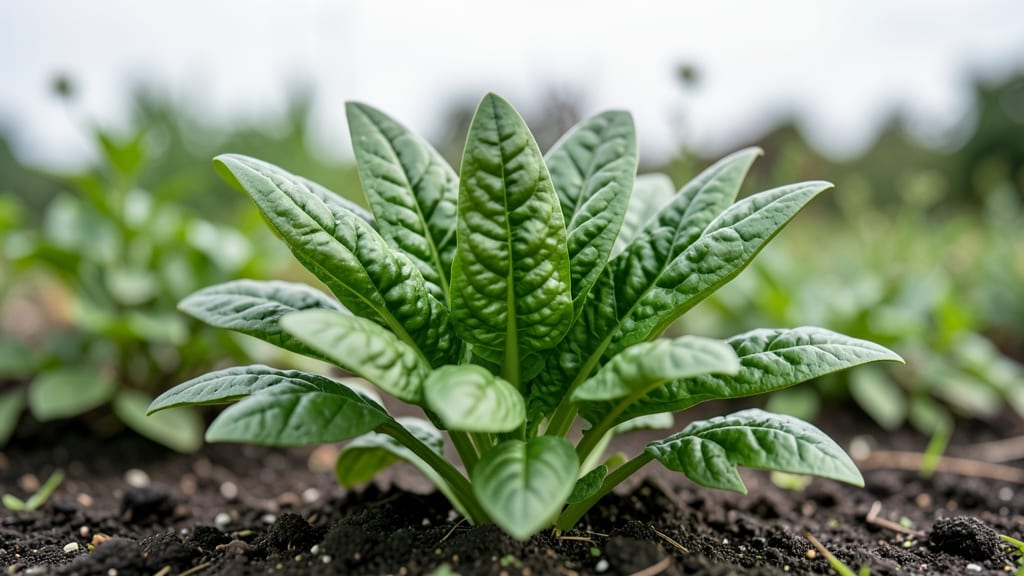
Pointy leaf spinach grows so fast you’ll wonder if it’s magic—crispy edges and all. 🌱 I’ve grown this variety for years, and it’s the only spinach that stays tender even when the weather dips below freezing. The secret to those perfect pointy leaves?
A little extra care when the edges start curling or dark spots appear. This spinach thrives in cool weather but wilts faster than flat-leaf types in heat. Direct-sow seeds in early spring or fall, spacing them 1-2 inches apart in well-draining soil.
Keep the bed moist but never soggy—spinach hates wet feet. Within 30-40 days, you’ll have harvest-ready leaves, and the crispy texture stays intact if you pick them young. The payoff? Spinach so fresh and crisp it’ll make store-bought look sad.
Harvest outer leaves first to keep the plant producing, and watch those dark spots vanish with proper watering and shade on hot days. It’s the only spinach that stays bold and vibrant through multiple harvests. Works in containers too—just use a 5-gallon pot and keep it in partial shade.
Perfect for beginners who want fast results without fuss. Let’s get those seeds in the ground!
📚 In This Guide
- What you need
- Instructions
- Tips and common mistakes
- Wrapping up and next steps
What you need
- ● Pointy Leaf Spinach Seeds: 1 packet (50–100 seeds, non-GMO preferred for best results).
- ● Well-Draining Soil: 5–10 lbs of organic potting mix or garden soil with a pH of 6.5–7.0.
- ● Containers or Garden Bed: Option 1: 5–10-inch deep pots (3–5 plants per pot).
- ● Option 2: Raised garden bed (12" deep, 2–3 ft wide).
- ● Watering Can or Hose: With a gentle spray nozzle (avoid over-saturation).
- ● Fertilizer: Balanced organic fertilizer (10-10-10 or compost tea) for planting and mid-growth.
- ● Gloves: Gardening gloves to protect hands from soil and pests.
- ● Trowel or Transplanter: For planting seeds or seedlings.
- ● Mulch: Straw or shredded leaves (1–2 inches) to retain moisture and deter pests.
- ○ Neem Oil or Copper Spray: (Optional) For preventing dark spots or fungal issues.
- ● Grow Lights or Sunlight Access: 4–6 hours of direct sunlight daily (or LED grow lights for indoor setups).
How to grow pointy leaf spinach with perfect crispy edges
Here's how I grow spinach that stays crisp and vibrant—no more floppy leaves or sad dark spots.
🌱 Step 1: Start Seeds or Transplants at the Right Time
Spinach thrives in cool weather, so I plant seeds 4-6 weeks before the last frost in spring and again in late summer for fall harvests. The key is avoiding summer heat—spinach bolts (goes to seed) when temperatures hit 80°F. For transplants, choose established plants with 4-5 true leaves and firm stems.
If starting from seed, sow directly in the garden—spinach hates being transplanted. Scatter seeds ½ inch deep in rows 12 inches apart, then gently cover with soil. Keep the seedbed moist until germination, which takes 7-14 days depending on soil temperature. Thin seedlings to 3-4 inches apart once they have 2-3 true leaves—this prevents overcrowding and ensures crisp edges.
☀️ Step 2: Provide Partial Sun and Consistent Moisture
Spinach needs 3-5 hours of morning sun daily—too much direct afternoon sun causes bolting. I grow mine in a spot with dappled shade or under 30% shade cloth if temperatures climb above 75°F. The goal is to keep leaves cool and crisp, not wilted.
Water deeply 2-3 times per week, aiming for 1 inch of water per week. Let the top inch of soil dry between waterings—spinach roots need oxygen, and soggy soil invites rot. Mulch with 2-3 inches of straw to retain moisture and prevent weeds. You'll notice leaves stay firm and dark green when moisture is just right.
💧 Step 3: Fertilize for Dark, Vibrant Leaves
Spinach is a heavy feeder, so I feed it every 3-4 weeks with a balanced 10-10-10 fertilizer at half strength. Avoid high-nitrogen fertilizers—they promote leafy growth but reduce crispness. Instead, I use compost tea or a low-nitrogen organic fertilizer to keep leaves tender and flavorful.
Dark spots on leaves? That’s often a sign of too much nitrogen or fungal issues. If you see yellowing between veins, reduce fertilizer and improve airflow. For crisp edges, avoid overwatering—spinach leaves turn limp and lose their snap when overhydrated. Harvest regularly to encourage new growth and maintain that perfect texture.
✂️ Step 4: Harvest for Maximum Crispness
Harvest outer leaves when they reach 4-6 inches tall, cutting just above the soil line with clean shears. This encourages the center to fill out and stay crisp. I harvest every 7-10 days in the morning after dew has dried—leaves are most tender then. Never pull leaves from the plant; it damages the roots and stunts growth.
For the crispiest edges, avoid harvesting in extreme heat. Spinach left in the ground during 90°F+ days loses its snap and develops bitter flavors. If your season stretches into summer, succession plant every 2-3 weeks for a continuous harvest of fresh, crisp spinach.
Tips & tricks for growing crispy pointy leaf spinach
Here's what I've learned after growing spinach for years—these small tweaks make all the difference between sad, limp leaves and that perfect crispy harvest.
Timing is Everything: When planting seeds in Step 1, I always check my local frost dates and mark the calendar for that 4-6 week window before last frost. The key is avoiding summer heat—if temperatures creep above 80°F, spinach bolts faster than you can say "harvest." For fall plantings, I aim for late summer to give plants time to mature before winter sets in. A simple garden thermometer helps me monitor soil temperatures during germination.
Sunlight Strategy: For that perfect 3-5 hours of morning sun in Step 2, I've found that east-facing garden beds work best in my climate. If you're dealing with hotter afternoons, create shade with a simple 30% shade cloth or plant near taller crops that provide natural shade. I've seen spinach wilt dramatically when exposed to direct afternoon sun—it's like watching a crispy leaf turn into a sad, floppy mess in minutes.
Watering Wisdom: The 2-3 times per week watering schedule in Step 2 works perfectly if you're aiming for 1 inch of water per week, but I've learned to adjust based on rainfall. Use your finger to check soil moisture—if the top inch feels dry, it's time to water. Overwatering is just as bad as underwatering; I've seen spinach develop yellow edges when roots suffocate from soggy soil. A soaker hose makes this easy—it delivers water right to the roots without wetting the leaves, which helps prevent fungal issues.
Fertilizer Fix: When it comes to the 3-4 week fertilizer schedule in Step 3, I've switched to a liquid fish emulsion instead of the 10-10-10 mix. The fish emulsion provides nutrients without the risk of over-fertilizing, which can cause those unsightly dark spots. If you notice yellowing between veins, flush the soil with plain water and reduce fertilizer strength by half for the next application. And remember—spinach doesn't need much nitrogen to stay crisp, so go easy on the high-nitrogen fertilizers.
Pro Tips for Pointy Leaf Spinach
- Here's what I've learned after growing spinach for years—these small tweaks make all the difference between sad, limp...
- Timing is Everything: When planting seeds in Step 1, I always check my local frost dates and mark the calendar for th...
- Sunlight Strategy: For that perfect 3-5 hours of morning sun in Step 2, I've found that east-facing garden beds work ...
Frequently asked questions
about pointy leaf spinach—because even the crispest leaves can raise questions! Here are answers to the most common ones:Why does my pointy leaf spinach develop dark spots?
Dark spots are often caused by Alternaria leaf spot or downy mildew, especially in humid conditions. Improve airflow, water at soil level, and avoid overhead irrigation. If severe, remove affected leaves and treat with a copper fungicide.
How do I fix crispy or wilted edges on my spinach?
Crispy edges usually mean underwatering or over-fertilizing. Keep soil consistently moist (but not soggy) and avoid high-nitrogen fertilizers. Mulch helps retain moisture. If edges are brown and brittle, it may also signal blight—prune and treat with fungicide.
How long does it take for pointy leaf spinach to recover from pests?
Recovery time varies! Mild aphid or spider mite damage may resolve in 1–2 weeks with neem oil or insecticidal soap. For severe infestations (like flea beetles), it could take 3–4 weeks to regrow healthy leaves. Monitor plants closely and act fast at the first sign of trouble.
Can I grow pointy leaf spinach in containers?
Use a 5–7 gallon container with well-draining soil and ensure it gets 4–6 hours of sunlight daily. Containers dry out faster, so water frequently and fertilize every 2–3 weeks. Dwarf varieties like 'Baby’s Leaf Hybrid' thrive in pots.
What’s a good alternative if my spinach keeps getting diseases?
Try Swiss chard (more disease-resistant) or kale (hardier in cool weather). For a similar texture, spinach beet (like chard) is also low-maintenance. Rotate crops annually to prevent soil-borne pathogens from building up.
Will pointy leaf spinach survive a light frost?
Yes! Spinach loves light frosts—it actually enhances flavor. However, avoid heavy freezes (<32°F/0°C). Use row covers for extra protection if temperatures drop below <20°F (-6°C). Harvest before hard freezes to enjoy crisp, cold-hardy leaves.
Wrapping up and next steps
Pointy leaf spinach might look fussy at first—those crispy edges and dark spots can feel like a gardener’s nightmare—but with the right care, it’s totally fixable! 🌱 You now know the tools, troubleshooting tips, and prevention tricks to keep your spinach lush and healthy.
Whether you’re dealing with humidity, pests, or uneven growth, your green thumb is ready for the challenge.
Ready to take action? Grab your gloves, check your spinach patch, and apply the fixes you’ve learned. Soon, you’ll be harvesting vibrant, crisp leaves—no more mystery spots in sight! Happy gardening! 🌿✨