
Planting
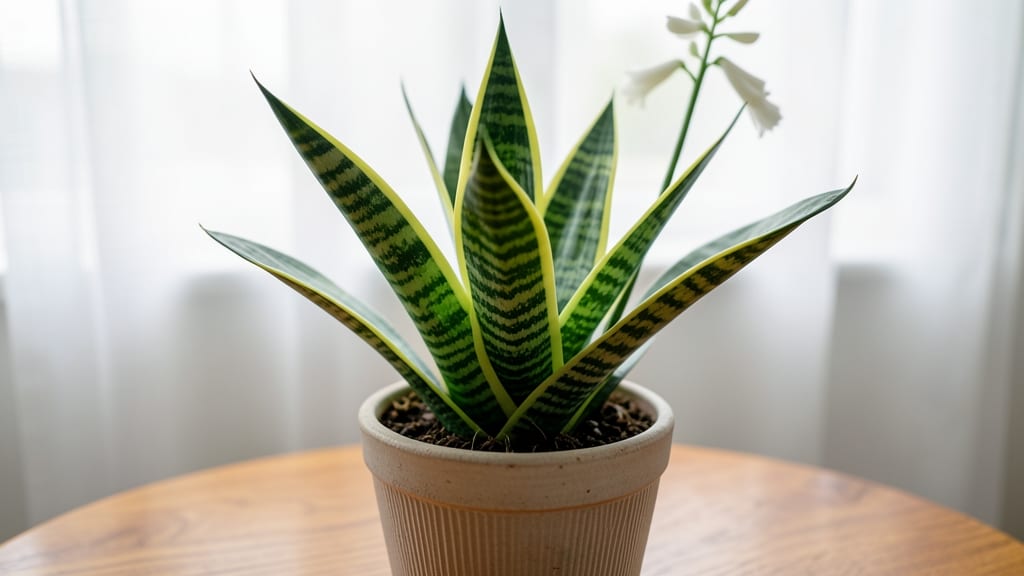
That small green-and-white leaf plant with striped foliage you can’t stop admiring? 🌿 You can grow it faster than you think—whether from a cutting or seed.
The secret lies in understanding its exact needs, whether it’s a bold Zebrina or delicate Calathea, because each thrives differently (and I’ve learned that the hard way).
Start by matching your plant’s personality to its care: Sansevieria loves neglect, while Haworthia prefers gentle watering. Most need bright, indirect light—think east-facing windows or filtered afternoon sun.
Overwatering is the #1 killer, so stick your finger in the soil first: if it’s dry 1-2 inches down, it’s time to water.
Within 3-4 weeks of propagation, you’ll see roots sprout in water or soil—just keep the cuttings humid (a plastic bag with holes works) and avoid direct sun. Once established, your plant will reward you with glossy, striped leaves that’ll make every shelf feel like a jungle.
Pair it with trailing Pothos or airy Fittonia for a low-maintenance display, or tuck it into a terrarium with moss for extra humidity. The best part? These plants grow fast enough to outpace your plant-killing habits.
Understanding Root Struggles
When your small green and white leaf plant (like a Fittonia or Nerve Plant) refuses to thrive, the issue often starts below the soil—or even below the waterline.
Root health is the foundation of growth, and when it falters, your plant sends distress signals through stunted leaves, yellowing edges, or slow propagation. Let’s break down the real culprits behind weak roots and how they sabotage your plant’s success.
🌱 Poor Water Quality in Hydroponic Setups
If you’re propagating your plant in water, root rot and stunted growth are often the result of invisible water problems. Tap water, while safe for drinking, can be a silent killer for plants due to:
- Chlorine & Chloramine: These disinfectants are added to municipal water to kill bacteria—but they also strangle beneficial microbes in the water. Roots rely on these microbes to break down toxins and absorb nutrients. Solution: Let tap water sit uncovered for 24–48 hours before use to allow chlorine to evaporate, or use filtered water.
- High Mineral Content (Hard Water): Water with excess calcium, magnesium, or sodium can crust over roots, blocking oxygen and nutrient uptake. Look for white residue in your water container—a telltale sign. Solution: Use distilled or reverse-osmosis (RO) water, or flush the water every 3–5 days during propagation.
- Stagnant, Bacteria-Rich Water: Water left too long becomes a breeding ground for Pythium or Aphanomyces, fungi that rot roots faster than you can say “wilting leaves.” Solution: Change water every 5–7 days and add a splash of hydrogen peroxide (1 tsp per quart) to sterilize it.
Pro Tip: 💡 Use a simple pH test strip (ideal range: 5.5–6.5) to check water acidity. Roots absorb nutrients best in slightly acidic water—alkaline water locks them out!
🏺 Compacted or Improper Soil Mixes
Not all soils are created equal, and your small leafy plant despises heavy, waterlogged, or nutrient-poor substrates. Common soil sins include:
- Clay or Garden Soil: These hold water like a sponge, suffocating roots and triggering rot. Clay’s tiny particles don’t allow oxygen to reach roots, leading to anaerobic conditions (yes, roots can “drown” even in wet soil). Solution: Amend with perlite, pumice, or orchid bark (20–30% of the mix) to improve aeration.
- Lack of Organic Matter: Pure peat or coco coir without compost or worm castings starves roots of microbes and slow-release nutrients. Solution: Mix in 10–20% worm castings or compost for a microbial boost.
- Over-Sterilized Soil: Bagged “sterile” potting mixes lack the beneficial fungi and bacteria that help roots digest nutrients. Solution: Add a mycorrhizal inoculant (like MycoApply) to jumpstart root health.
Pro Tip: 🌡️ Test your soil’s moisture retention by squeezing a handful—it should crumble when dry and drip lightly (not gush) when wet. If it feels like wet sandpaper, it’s too dense!
🌡️ Temperature and Humidity Extremes
Roots are sensitive thermometers—too hot or too cold, and they shut down. For tropical small-leaf plants, ideal conditions are:
- Root Zone Temperature: 65–75°F (18–24°C). Below 60°F (15°C), root growth stalls due to slowed enzyme activity. Above 80°F (27°C), roots overheat and release ethanol (yes, like alcohol poisoning for plants). Solution: Use a heating mat (for soil) or keep water in a warm spot (like near a south-facing window).
- Low Humidity: Air drier than 40% causes roots to transpire water faster than they can absorb it, leading to dehydration stress. Solution: Mist roots lightly daily or use a humidity dome (for soil) or pebble tray (for water propagation).
- Cold Water Shock: Placing cuttings in cold water straight from the tap can cause root cells to rupture. Solution: Warm water to room temperature (70–75°F) before use.
Pro Tip: ✨ Place a small fan on low near your plant to mimic gentle airflow—this strengthens roots by encouraging them to grow toward moisture (a process called thigmomorphogenesis).
🚫 Overcrowded or Damaged Roots
When roots are physically stressed—whether from overcrowding, trimming, or disease—they prioritize survival over growth. Common offenders:
- Root-Bound Stress: If your plant’s roots are circling the bottom of the pot or growing out of drainage holes, they’re competing for space and nutrients. Solution: Repot into a container 20–30% larger with fresh soil, or trim 1/3 of the roots before replanting.
- Aggressive Pruning: Cutting too many roots at once (especially thick ones) removes the plant’s water and nutrient storage. Solution: Only trim healthy, non-essential roots—focus on mushy, black, or tangled roots for removal.
- Fungal/Bacterial Infections: Soft, brown roots with a foul smell are likely infected by Phytophthora or Erwinia. Solution: Rinse roots in 1% hydrogen peroxide solution (1 part 3% H₂O₂ to 29 parts water) for 10 minutes, then replant in sterile soil.
Pro Tip: 🔪 Before repotting, soak roots in lukewarm water for 10 minutes to loosen soil and spot-check for damage. Healthy roots should be firm, white, and slightly fibrous.
Root problems rarely happen in isolation—often, it’s a combo of water, soil, and environment working against your plant. Start with the most likely culprit (like water quality or soil mix), fix it, and watch your small leafy friend rebound with vigorous new growth in weeks!
Revive & Replant Your Leafy Friend
Got a struggling small green-and-white variegated plant? Don’t toss it—revive it! Below are practical, step-by-step fixes for common issues, from yellowing leaves to stunted growth, plus prevention tips to keep your plant thriving long-term.
Cause: Too much or too little water stress. Solution:
- Check the soil – Stick your finger 1-2 inches deep. If damp, it’s overwatered; if dry, it’s thirsty.
- Adjust watering:
- Overwatered? Let the top 3 inches dry out before watering again. Place the pot in a shallow tray with pebbles to improve drainage.
- Underwatered? Give it a deep drink—water until it drains from the bottom. Use room-temperature water to avoid shock.
- Trim damaged leaves with sterilized scissors to redirect energy to healthy growth.
✨ Prevention Tip: Use a moisture meter or self-watering pots for consistency.
Cause: Dry air or mineral buildup from tap water. Solution:
- Increase humidity:
- Mist leaves 2-3 times a week (use a spray bottle).
- Place a pebble tray with water nearby or group plants together.
- Switch to filtered or distilled water to avoid mineral buildup.
- Wipe leaves gently with a damp cloth to remove dust.
💡 Pro Tip: A humidifier near your plant works wonders in dry climates!
Cause: Stretching toward light = etiolation. Solution:
- Move to brighter indirect light (east or north-facing windows are ideal).
- Rotate the pot weekly so all sides get even light.
- Prune leggy stems to encourage bushier growth—cut just above a leaf node.
⚠️ Warning: Avoid direct sunlight—it can scorch variegated leaves!
Cause: Wrong medium (soil vs. water) or poor conditions. Solution:
- In Water:
- Use filtered water (chlorine-free) and change it every 5-7 days.
- Add a rooting hormone for faster growth.
- Place in bright, indirect light (no direct sun).
- In Soil:
- Use a well-draining mix (50% potting soil + 50% perlite).
- Keep soil lightly moist (not soggy).
- Cover with a plastic bag to retain humidity for 2 weeks.
🔥 Speed Hack: Place cuttings in lukewarm water—roots grow faster!
| Issue | Fix | Prevent With |
|---|---|---|
| Root rot | Repot in fresh soil | Well-draining pots |
| Pest infestation | Neem oil spray | Regular leaf inspections |
| Nutrient deficiency | Balanced fertilizer (diluted) | Monthly feeding in growing season |
Final Thought: Most plant problems are easily reversible with the right care. Monitor your plant’s needs, adjust gradually, and soon it’ll be lush, green, and thriving—just like you want! 🌟
Frequently asked questions
What are the most common small green-and-white variegated plants I might have?
You’re likely looking at one of these popular picks: Zebrina pendula (Wandering Jew) with its bold purple undersides, Haworthia attenuata (Zebra Plant) with thick, striped leaves, or Calathea orbifolia (Orbit Plant) with its round, patterned foliage. Other contenders include Sansevieria varieties (like 'Moonshine') or Fittonia (Nerve Plant) with its delicate veining.
Why are the white parts of my plant's leaves turning yellow?
Yellowing in variegated leaves usually means too much direct sunlight or nutrient deficiency. The white areas lack chlorophyll, so they’re more sensitive to stress. Move your plant to bright, indirect light and feed it with a balanced liquid fertilizer (diluted to half strength) every 4-6 weeks. Overwatering can also cause this—let the top 2 inches of soil dry out between waterings.
Can I propagate my small leaf plant in water, or should I use soil?
Both work! Water propagation is faster for Zebrina or Fittonia—just use room-temperature, filtered water and change it every 5-7 days. For Haworthia or Sansevieria, soil is better (use a 50/50 mix of potting soil and perlite). Place cuttings in humid conditions (like a plastic bag with holes) until roots form, which takes 3-4 weeks.
How do I tell if my plant has pests, and how do I get rid of them?
Check the undersides of leaves for tiny webs (spider mites), sticky residue (aphids), or white cottony patches (mealybugs). For mild infestations, wipe leaves with soapy water (1 tsp mild dish soap per quart). For stubborn pests, spray with neem oil solution (1 tsp neem oil + 1 quart water) weekly until they’re gone. Isolate your plant during treatment to prevent spreading.
What's the best way to style my small leaf plant in my home?
Group it with trailing plants like Pothos or String of Pearls for a lush display. For height, pair it with a Dracaena or Snake Plant. Try these setups: Hang it in a macramé planter for a boho look, tuck it into a terrarium with moss for humidity-loving varieties, or place it on a floating shelf with succulents for contrast. Rotate the pot weekly so all sides get even light!