
Planting
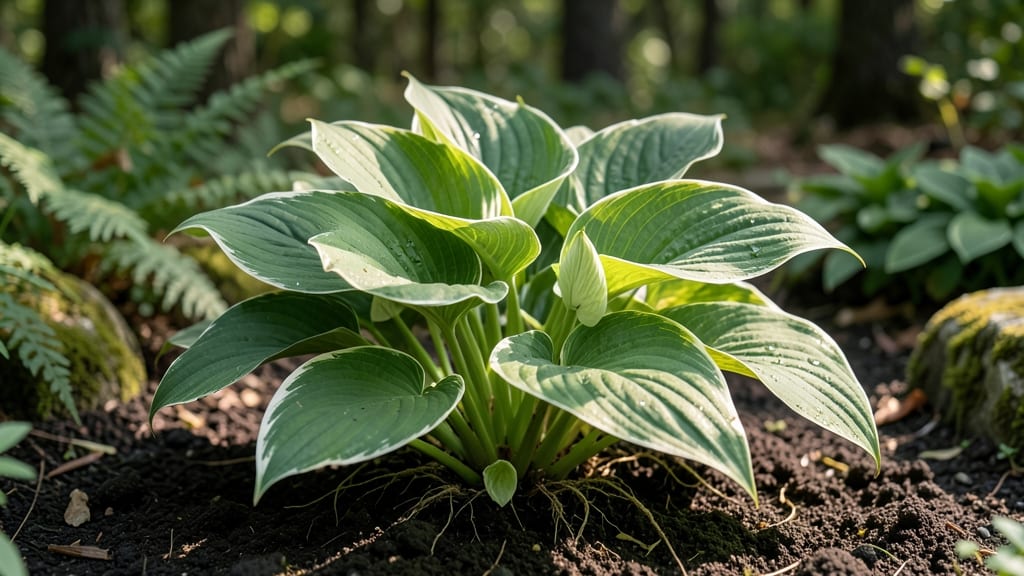
That stunning variegated monstera deliciosa, the green and white leaf plant name that’s stealing every room, isn’t just a showstopper—it's a conversation starter. 🌿 I've nurtured mine from a tiny cutting to a 6-foot climber, and the secret isn't complicated: it's about light, patience, and knowing when to hold back on the water.
The real magic happens when you spot those signature white variegated leaves emerging—each one a reminder that this plant rewards slow growth with dramatic impact. Unlike solid-green monstera, the variegated version needs bright, indirect light to keep those white patterns vibrant, but too much direct sun will scorch them.
And here's the thing: the more you prune it, the bushier it gets, so don't be shy with those shears.
You'll end up with a plant that looks like it belongs in a botanical garden, not just your living room. The large, glossy leaves develop those iconic fenestrations (the natural holes) as they mature, adding to the tropical drama.
Pair it with a cast iron plant or peperomia for a lush, textured display that feels effortlessly chic.
For advanced growers, propagating variegated monstera is where the real fun begins—just be patient, as the white variegation can be tricky to preserve in cuttings. Even beginners can nail this with the right setup, though. Let's get those roots growing!
📚 In This Guide
- What you need
- Instructions
- Tips and common mistakes
- Wrapping up and next steps
What you need
- ● Variegated Monstera Deliciosa plant – A healthy, mature cutting or young plant (ensure it has at least 2-3 leaves for stability).
- ● Well-draining potting mix – A blend of 60% peat or coco coir, 20% perlite, and 20% orchid bark or chunky compost (avoid heavy garden soil!).
- ● Pot with drainage holes – A 10-12 inch diameter ceramic or fabric pot (variegated Monsteras need room to grow and thrive in slightly snug conditions).
- ● Watering can or spray bottle – For gentle hydration (avoid soggy roots!).
- ○ Humidity tray or pebble tray – Optional but helpful for maintaining 60-70% humidity (especially in dry climates).
- ● Fertilizer (balanced liquid) – A 10-10-10 or 20-20-20 NPK fertilizer (diluted to half-strength) for slow feeding.
- ● Support structure – A moss pole, trellis, or sturdy stake (variegated Monsteras climb for light and stability!).
- ● Pruning shears or clean scissors – For trimming yellow leaves or propagating cuttings.
- ● Grow lights (LED or fluorescent) – If natural light is less than 6 hours/day (variegated Monsteras love bright, indirect light!).
- ● Plant food (worm castings or compost) – For a nutrient boost during growing seasons.
- ● Plant mister or humidifier – To keep those stunning variegated leaves crisp and happy.
- ● Rooting hormone (for propagation) – Speeds up cutting growth if you’re expanding your collection!
Step-by-Step instructions for caring for a variegated Monstera Deliciosa
Here’s how to keep your stunning variegated Monstera thriving with minimal fuss—just follow these key steps.
🌱 Step 1: Provide Bright, Indirect Light
Place your variegated Monstera near a bright, east- or north-facing window where it gets 4-6 hours of filtered light daily. Direct afternoon sun will scorch the delicate white variegation, so avoid south-facing spots. You’ll know it’s happy when new leaves emerge with crisp white patterns instead of fading to all green.
If your home has low light, supplement with a grow light placed 12-18 inches away for 12-14 hours daily. Variegated varieties need extra light to maintain their striking markings—without it, the white sections will revert to green. Rotate the pot quarter-turn weekly to encourage even growth toward the light source.
💧 Step 2: Water When the Top 2-3 Inches Feel Dry
Stick your finger 2-3 inches deep into the soil—when it feels dry at that depth, it’s time to water. Variegated Monsteras are slightly more sensitive to overwatering than solid-green varieties because their lighter foliage can’t photosynthesize as efficiently. Water thoroughly until it drains from the bottom, then empty the saucer to prevent root rot.
In winter, reduce watering to every 7-10 days—the plant’s growth slows dramatically in cooler months. Yellowing leaves often signal overwatering, while crispy edges mean underwatering. Adjust your schedule based on your home’s humidity; if the air feels dry, check soil moisture more frequently.
☀️ Step 3: Maintain High Humidity and Warmth
Variegated Monsteras thrive in 60-70% humidity, so mist the leaves 2-3 times weekly or place the pot on a pebble tray filled with water. Grouping it with other houseplants creates a natural microclimate that mimics its tropical origins. Avoid cold drafts—keep temperatures between 65-80°F at all times, as sudden drops below 60°F can cause leaf drop.
Wipe the leaves with a damp microfiber cloth monthly to remove dust, which blocks light absorption. The white variegation is especially prone to dust buildup, so focus on those areas. If you notice brown spots on the white sections, it’s likely dust or low humidity—both are easily fixable with better care.
🪴 Step 4: Fertilize Lightly During Growing Season
Use a balanced liquid fertilizer (10-10-10 or 20-20-20) diluted to half-strength every 4-6 weeks from spring to fall. Variegated Monsteras are heavy feeders, but too much fertilizer causes salt buildup that burns roots. Always water the plant thoroughly before and after fertilizing to prevent root damage.
Skip fertilizing in winter when growth slows. Yellowing leaves with brown edges often mean fertilizer burn—flush the soil with water if this happens. If your plant isn’t producing new leaves, it might need a monthly dose of diluted fertilizer to kickstart growth.
✂️ Step 5: Prune and Support as Needed
Trim leggy stems or yellowing leaves with clean, sharp scissors just above a leaf node to encourage bushier growth. Variegated Monsteras grow faster than solid-green varieties, so prune 2-3 times yearly to maintain shape. Propagate the cuttings in water or moist soil—rooting is easiest in warm, humid conditions.
Install a moss pole or trellis as soon as the plant reaches 12-18 inches tall to support its climbing habit. Gently tie the vines to the pole with soft plant ties every 6-8 inches to prevent breakage. The more it climbs, the larger and more dramatic the variegated leaves will grow—this is when the plant truly shines.
Tips & tricks for perfect variegated Monstera care
Here's what I've learned after watching variegated Monsteras thrive in my own collection—these small details make all the difference.
Light Source Strategy: The 4-6 hours of filtered light in Step 1 is non-negotiable for maintaining those stunning white patterns. I place mine about 3 feet from an east-facing window where the morning sun is gentle but consistent. If you notice the white sections starting to fade to green, it's your plant's way of saying "I need more light!" Consider moving it closer or adding a grow light for those 12-14 hours daily if natural light falls short.
Soil Moisture Test: When checking soil moisture in Step 2, I always use my index finger to test that 2-3 inch depth—this is where the roots are actively growing. The soil should feel like a wrung-out sponge at this depth. Pro tip: Use a moisture meter for extra accuracy, especially if you're prone to overwatering. Remember, variegated Monsteras are more sensitive to soggy soil because their lighter leaves can't photosynthesize as efficiently.
Humidity Hacks: For the 60-70% humidity requirement in Step 3, I've found that grouping my Monstera with other tropical plants creates a natural microclimate. You can also place the pot on a tray filled with pebbles and water, making sure the pot isn't sitting directly in the water. This method mimics the plant's native rainforest environment without the risk of overwatering. I aim for 2-3 misting sessions weekly, focusing on the undersides of leaves where dust tends to accumulate.
Fertilizer Timing: The 4-6 week fertilization schedule in Step 4 works perfectly, but I've learned to adjust based on my plant's growth signals. If you notice new leaves emerging but they're smaller than usual, it might be time for that monthly boost during growing season. Always dilute your fertilizer to half-strength—this prevents salt buildup that can damage those delicate roots. I also make it a habit to flush the soil with water every few months to remove any accumulated salts.
Pro Tips for Green And White Leaf Plant Name
- Here's what I've learned after watching variegated Monsteras thrive in my own collection—these small details make all the difference.
- Light Source Strategy: The 4-6 hours of filtered light in Step 1 is non-negotiable for maintaining those stunning white patterns.
- Soil Moisture Test: When checking soil moisture in Step 2, I always use my index finger to test that 2-3 inch depth—this is where the roots are actively growing.
Frequently asked questions
Got questions about your variegated Monstera Deliciosa? You’re not alone!
Here are the answers to the most common queries—from care tips to troubleshooting—so you can keep those stunning green-and-white leaves thriving.
What’s the best way to tell if my variegated Monstera is healthy?
A healthy variegated Monstera has glossy, vibrant leaves with crisp white variegation (no yellowing or browning). Check the stems too—firm and green means it’s happy! If leaves droop or develop brown edges, it’s often a sign of underwatering or low humidity. Mist the leaves or use a pebble tray to boost moisture.
How long does it take for a variegated Monstera to develop its signature white leaves?
Patience is key! Young variegated Monsteras start with mostly green leaves, and the white variegation gradually appears as the plant matures—usually within 6 months to 2 years, depending on light exposure. Bright, indirect light (like a north or east-facing window) speeds up the process. Avoid harsh direct sun, which can bleach the leaves.
Why are the white parts of my Monstera turning yellow?
Yellowing white variegation is often a light deficiency or nutrient imbalance. Move your plant to a brighter spot (but avoid direct sunburn) and fertilize lightly with a balanced liquid fertilizer (like 10-10-10) every 4–6 weeks in spring/summer. If the issue persists, check for overwatering—root rot can mimic nutrient stress.
Can I propagate my variegated Monstera, and how?
Propagation is easiest via stem cuttings with at least one node and an aerial root. Use a sharp knife to cut below the node, let it callus for 1–2 hours, then place it in water or moist sphagnum moss. Keep it in bright, indirect light and change the water weekly. Roots should appear in 2–4 weeks!
What’s a good alternative if I can’t find a variegated Monstera?
If variegated Monsteras are hard to find, try these stunning alternatives with green-and-white foliage:
- Anthurium Clarinervium – Heart-shaped leaves with white veins.
- Philodendron ‘White Knight’ – Creamy variegation on heart leaves.
- Zebra Plant (Aphelandra squarrosa) – Bold white stripes on deep green.
- Calathea ‘White Fusion’ – Striking white patterns (needs high humidity!).
All thrive in bright, indirect light and add a pop of contrast to your space!
Wrapping up and next steps
Caring for your variegated Monstera Deliciosa—with its stunning green and white leaf patterns—is a rewarding journey that brings natural beauty into your space. 🌿 By mastering light, water, soil, and humidity, you’ll help this tropical gem thrive and grow into a breathtaking statement plant.
Ready to watch it flourish? Start small: pick one tip from this guide to refine your routine, and soon, your variegated Monstera will be the star of your home!