
Planting
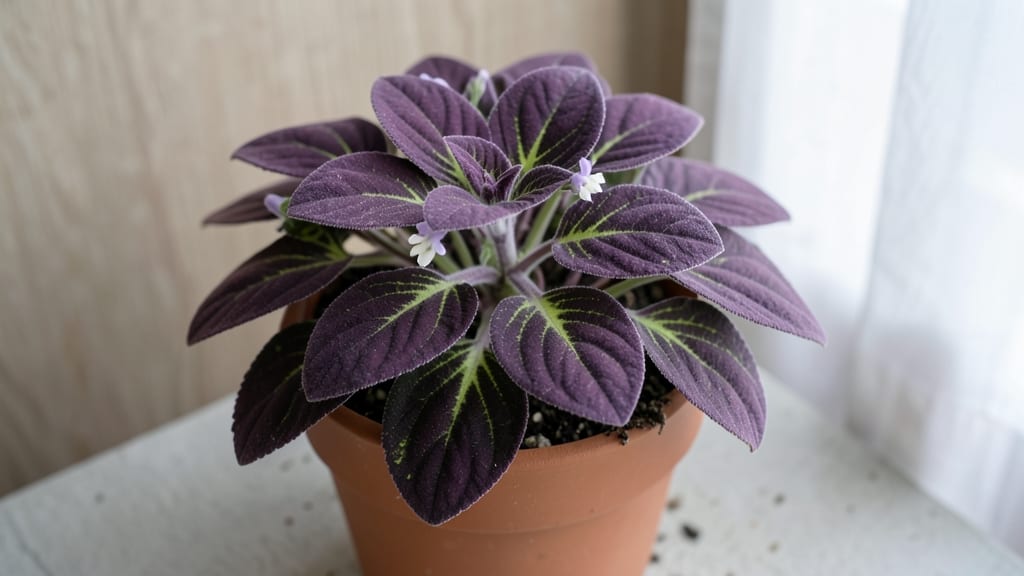
That small purple leaf plant with velvety foliage transforms shady corners into living art. 💜 My first Heuchera plant taught me how dramatic foliage can be—no flowers needed—just rich, jewel-toned leaves that last through winter.
The secret lies in its cold-hardy nature and minimal care demands, making it perfect for gardeners who want impact without the fuss.
Most varieties thrive in partial shade, though some handle full sun if soil stays moist. Well-draining soil prevents root rot, and watering once a week keeps those leaves vibrant without overwatering.
Popular picks like Heuchera 'Palace Purple' or Coleus 'Black Dragon' deliver instant color, while Tradescantia adds trailing texture for containers.
You'll love how these plants stay compact (12-24 inches tall) while demanding almost no attention. Deer and rabbits usually ignore them, and pests rarely bother the tough foliage. The best part? They multiply easily through division, giving you free plants to share or expand your garden.
Perfect for borders, containers, or woodland gardens—this foliage star works everywhere. Let's dive into the varieties, care tricks, and seasonal secrets that keep them thriving year after year.
📚 In This Guide
- What you need
- Instructions
- Tips and common mistakes
- Wrapping up and next steps
What you need
- ● Small purple leaf plant: Choose a cold-hardy variety like Heuchera (Coral Bells), Plectranthus (Swedish Ivy), or Lamium (Dead Nettle) from a nursery or online retailer. Pro tip: Opt for a 4-6" potted plant for faster results!
- ● Well-draining potting mix: 1-2 gallons of a peat-free blend (e.g., 60% coconut coir, 30% perlite, 10% compost). Avoid heavy garden soil—it causes root rot!
- ● Container or garden bed: For containers: A 6-10" pot with drainage holes (terracotta or fabric pots work best). 💡 Tip: Add a layer of gravel or broken pottery at the bottom for extra drainage!
- ● For garden beds: A spot with partial to full shade (depending on your plant’s needs) and loose, amended soil.
- ● Watering can or spray bottle: A gentle watering tool to avoid disturbing delicate foliage.
- ● Pruning shears: Small, sharp shears (sterilized with rubbing alcohol) for trimming leggy growth.
- ● Organic mulch: 1-2 inches of shredded bark or straw to retain moisture and regulate soil temperature.
- ● Slow-release fertilizer: A balanced 10-10-10 or organic option (like fish emulsion) to boost growth. Apply once every 6-8 weeks during spring/summer.
- ● Garden gloves: Protect your hands from prickly stems (especially if using Lamium).
- ● Plant labels: Waterproof markers to track varieties and care notes.
- ● Grow lights (indoor setups): A 6-12" LED bulb for 6-8 hours/day if growing in low-light spaces.
- ● Companion plants: Pair with ferns, hostas, or silver foliage plants for a show-stopping shade garden!
Step-by-Step guide to growing a stunning small purple leaf plant
Here’s how to cultivate that striking purple foliage with minimal effort—ideal for shady spots and cold climates alike.
🌱 Step 1: Select the Right Variety for Your Space
Start with a cold-hardy cultivar like Heuchera ‘Palace Purple’ or Lamium maculatum ‘White Nancy’—both thrive in USDA Zones 3-9 and deliver vibrant purple hues. These plants naturally stay compact (12-18 inches tall), perfect for borders or container gardens. I always check the mature size on the tag to avoid overcrowding later.
For containers, choose a 6-inch pot with drainage holes—purple leaf plants hate soggy roots. If planting in the ground, pick a spot with partial shade (2-4 hours of morning sun). Too much direct sunlight can bleach the foliage, while deep shade dulls the color intensity. Test your spot by observing how light behaves there for a week before planting.
💧 Step 2: Prepare Soil for Optimal Growth
Amend your native soil with 2 inches of organic compost to improve drainage and nutrient retention. Purple leaf plants prefer well-draining, slightly acidic soil (pH 5.5-6.5)—test your soil with a kit if unsure. I mix in a handful of perlite or coarse sand to prevent compaction, especially in clay-heavy soils.
Dig a hole twice as wide as the root ball but only as deep. The plant’s crown (where roots meet stems) should sit level with the soil surface—burying it too deep causes rot, while planting too high stresses the roots. Gently loosen the root ball before placing it in the hole to encourage outward growth.
☀️ Step 3: Plant and Water for Establishment
Place the plant in the hole, backfill with native soil, and press lightly around the base to remove air pockets. Water deeply until the top 2 inches of soil are moist—this helps roots settle quickly. Avoid overhead watering, which can stain the foliage or promote fungal issues. Instead, water at the base using a soaker hose or drip irrigation for even moisture.
Mulch with 2 inches of shredded bark or pine needles to retain moisture and suppress weeds. Keep mulch 2 inches away from the stem to prevent rot. Purple leaf plants are drought-tolerant once established, but young plants need consistent moisture for the first 2 weeks. Check soil daily—if it feels dry ½ inch below the surface, water again.
✂️ Step 4: Maintain for Year-Round Color
Deadhead spent flowers in early summer to redirect energy into foliage production. Snip stems back to the nearest leaf node with clean, sharp pruners—this encourages bushier growth. I also trim leggy stems by ⅓ in late spring to maintain compact shape. Avoid heavy pruning in fall, as the plant needs foliage to store energy for winter.
Fertilize lightly in early spring with a balanced 10-10-10 formula (½ teaspoon per plant). Over-fertilizing leads to lush but pale leaves—purple foliage thrives on moderate nutrients. In containers, refresh soil every 2-3 years or repot to a 1-inch larger container in early spring. Divide clumps every 3-4 years to rejuvenate growth.
🪴 Step 5: Protect in Harsh Winters
Most purple leaf plants handle Zone 3 winters with no protection, but young plants or tender varieties benefit from a 2-inch layer of mulch after the first frost. I use straw or shredded leaves—avoid dense mulch like grass clippings, which can mat and suffocate roots. In containers, move pots to a sheltered spot (like a garage or under eaves) if temperatures drop below 10°F.
Prune back damaged stems in early spring before new growth emerges. Healthy plants bounce back quickly, often producing fresh foliage by mid-April. Watch for aphids or spider mites—spray affected leaves with neem oil if pests appear. Purple leaf plants rarely suffer from diseases, but powdery mildew can occur in humid conditions. Improve airflow by spacing plants 12-18 inches apart to prevent issues.
Tips & tricks for perfect purple leaf plant growth
Here's what nobody tells you about growing vibrant purple foliage that lasts all season long.
Light Testing: Before planting, observe your chosen spot for a full week—especially during the plant's peak growing months. The 2-4 hours of morning sun mentioned in Step 1 should be gentle and filtered. If you notice leaves developing pale patches after just a few hours of direct sun, move your plant to a slightly shadier location. Purple foliage actually intensifies in cooler, indirect light conditions, so don't be afraid to experiment with different microclimates in your garden.
Soil pH Secret: While the instructions mention slightly acidic soil (pH 5.5-6.5), I've found that adding a handful of sulfur granules to the planting hole can help maintain that perfect acidity range over time. For container growers, use a pre-mixed acidic potting soil—regular garden soil can be too alkaline and dull those stunning purple hues. Test your soil annually, especially if you're in a region with naturally alkaline soil like the Pacific Northwest.
Watering Insight: The ½ inch dry soil check in Step 3 is your best friend, but there's a trick to it: press your finger into the soil at the base of the plant, not just the surface. Surface moisture can be misleading, especially after mulching. For container plants, I recommend using a moisture meter—these inexpensive tools give you precise readings and help prevent both underwatering and soggy roots that can lead to root rot.
Winter Prep Strategy: When applying that 2-inch mulch layer in Step 5, consider using a mix of straw and leaves—this creates better insulation than straw alone. For container plants facing temperatures below 10°F, I've had great success wrapping pots in bubble wrap before moving them to sheltered spots. The wrap acts as an extra barrier against temperature fluctuations that can stress the roots, while still allowing airflow to prevent moisture buildup.
Pro Tips for Small Purple Leaf Plant
- Here's what nobody tells you about growing vibrant purple foliage that lasts all season long.
- Light Testing: Before planting, observe your chosen spot for a full week—especially during the plant's peak growing months.
- Soil pH Secret: While the instructions mention slightly acidic soil (pH 5.5-6.5), I've found that adding a handful of sulfur granules to the planting hole can help maintain that perfect acidity range over time.
Frequently asked questions
Got questions about your small purple leaf plant? You’re not alone! Here are answers to the most common queries—so you can keep those stunning purple leaves thriving with confidence.
How cold can this plant tolerate?
Most small purple leaf plants (like Heuchera or Persicaria) handle temperatures down to 10–20°F (-12 to -7°C) once established. Young plants or newly planted varieties may need winter mulch for extra protection. Check your specific type’s label—some are even USDA Zone 3-hardy!
Why are my purple leaves turning brown or yellow?
Brown edges? Underwatering or salt buildup from tap water are likely culprits. Yellow leaves often signal overwatering or poor drainage. Test soil moisture with your finger—water only when the top inch feels dry. Use rainwater or filtered water to avoid chemical damage.
Can I grow this plant in containers?
Small purple leaf plants thrive in well-draining pots (6+ inches deep). Use a mix of potting soil + perlite to prevent root rot. Place containers in partial shade (morning sun is ideal) and water when the soil dries out. Terracotta pots help wick away excess moisture—perfect for urban gardens!
How long does it take to see new growth?
With proper care, you’ll spot fresh purple foliage in 4–6 weeks during spring/summer. Slow growth? Check light levels—bright, indirect light speeds things up. Fertilize lightly with a balanced houseplant food in early spring for a boost.
What’s a low-maintenance alternative with similar color?
If you want zero-fuss purple drama, try:
- Creeping Jenny (Lysimachia nummularia) ‘Aurea’ – Golden edges, drought-tolerant.
- Purple Heart (Tradescantia pallida) – Trailing, vibrant purple, and spreads easily.
- Heuchera ‘Palace Purple’ – Classic, cold-hardy, and thrives in shade.
Wrapping up and next steps
Ready to bring a splash of vibrant purple foliage to your garden with minimal effort? The small purple leaf plant is your perfect match—cold-hardy, low-maintenance, and packed with visual drama. Whether you’re a seasoned gardener or just starting out, this plant proves that stunning results don’t require complicated care.
🌱 Next steps: Grab your seeds or seedlings, pick a spot with partial shade, and let nature do the rest! Watch as your garden transforms with this easy-care beauty—you’ve got this! 🌿