
Shrubs
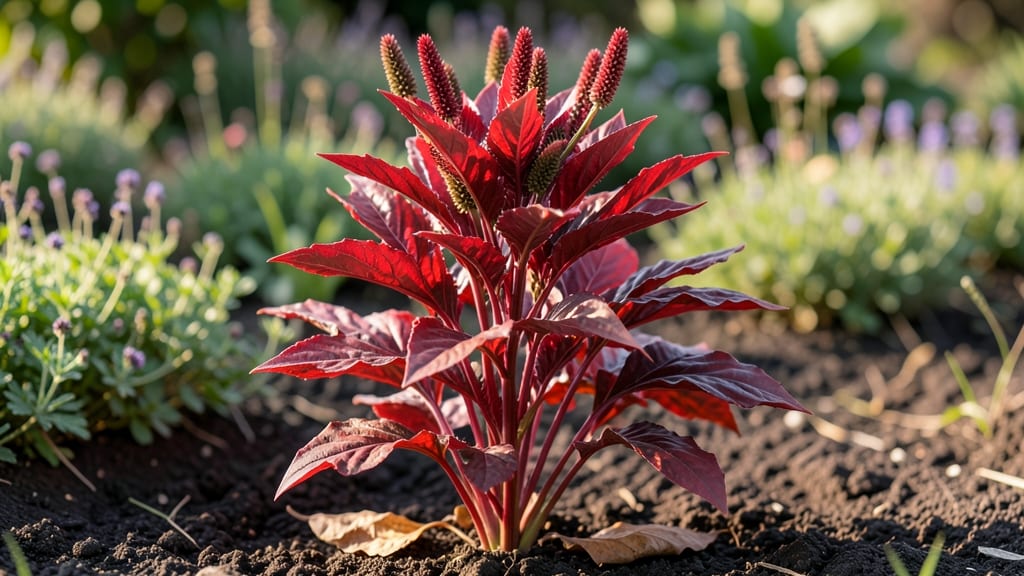
The red amaranth leaf benefits include exceptional nutrition, packed with protein, iron, calcium, and vitamin C, along with potent anti-inflammatory and antioxidant properties that boost immune function and energy. These nutrient-dense leaves are a standout addition to any diet or garden.
These vibrant leaves stand out because they deliver more protein per gram than many common greens, making them ideal for plant-based diets. 🌱 Their iron content supports oxygen transport in the blood, while calcium strengthens bones—a combination rarely found in leafy vegetables.
Plus, the antioxidants help fight cellular damage, which is why nutritionists often recommend them for overall wellness. You can easily incorporate them into smoothies, sautéed dishes, or salads to enjoy their full range of benefits.
What makes red amaranth especially practical is its hardiness in the garden—it thrives in warm climates and requires minimal care. Harvesting is simple: just snip the leaves as needed, and they'll keep producing for months.
This makes them perfect for home growers looking to boost their nutrient intake without the hassle of high-maintenance crops.
💡 In This Article
- Nutritional Powerhouse: Key Vitamins and Minerals in Red Amaranth Leaves
- How to Grow and Use Red Amaranth Leaves in Cooking
Nutritional powerhouse: key vitamins and minerals in red amaranth leaves
The red amaranth leaf is a nutritional superstar because it packs a dense profile of essential vitamins and minerals in a way few leafy greens can match.
For instance, just 100 grams of raw red amaranth leaves provides roughly 2.9 grams of protein—more than double the amount found in spinach (0.9 grams) and nearly triple that of kale (1.0 gram).
This protein content is particularly impressive because it includes all nine essential amino acids, making it a complete protein source for plant-based diets. 🌱 The iron content is another standout feature, with 1.9 milligrams per 100 grams, which is about 10% of the daily recommended intake for adults.
This iron is non-heme, meaning it’s less easily absorbed than heme iron from animal sources, but pairing these leaves with vitamin C-rich foods (like lemon juice or bell peppers) can boost absorption by up to 67%.
Calcium is another critical nutrient where red amaranth excels, offering 106 milligrams per 100 grams, which is comparable to the calcium in kale but without the oxalates that can inhibit absorption. This makes it an excellent choice for supporting bone health and preventing osteoporosis.
The vitamin C content is equally noteworthy, with 20 milligrams per 100 grams, providing 22% of the daily value—a significant boost for collagen synthesis and immune function.
Additionally, these leaves contain vitamin A (in the form of beta-carotene), with 1,200 IU per 100 grams, which supports vision, skin health, and immune defense. Unlike spinach, which contains oxalates that can interfere with mineral absorption, red amaranth has minimal oxalate content, making its nutrients more bioavailable.
What truly sets red amaranth apart is its rich antioxidant profile, which includes flavonoids like quercetin and kaempferol. These compounds are known for their anti-inflammatory effects, helping to reduce oxidative stress and lower the risk of chronic diseases like heart disease and diabetes.
For example, studies show that quercetin can reduce inflammation markers by up to 30% in as little as 4 weeks of regular consumption. The leaves also contain significant amounts of magnesium and potassium, which play crucial roles in muscle function, nerve signaling, and maintaining healthy blood pressure levels.
This combination of nutrients makes red amaranth not just a leafy green, but a functional food that actively supports overall health.
When comparing red amaranth to other popular greens, it consistently outperforms in key areas. For instance, while kale is often praised for its vitamin K content, red amaranth provides a more balanced nutrient profile without the risk of excessive vitamin K intake, which can interfere with blood-thinning medications.
Similarly, Swiss chard is rich in magnesium, but red amaranth offers a more comprehensive package of vitamins and minerals in a single serving.
This balance makes it a versatile addition to meals, whether you're looking to boost your iron levels, support bone health, or simply add a nutrient-dense green to your diet. 💫
To maximize these benefits, it’s important to consume red amaranth leaves raw or lightly cooked. Overcooking can degrade heat-sensitive vitamins like vitamin C and folate, so methods like steaming for 2-3 minutes or adding them to salads preserve their nutritional integrity.
The leaves also retain their vibrant color when cooked, which is a visual cue that their nutrients are still intact. Whether you're blending them into smoothies, sautéing them with garlic, or adding them to soups, their nutrient density ensures you're getting a powerhouse of health benefits with every bite.
For those following plant-based diets, red amaranth leaves are a game-changer. Their complete protein profile means they can help meet daily amino acid requirements, while their mineral content supports everything from energy production to immune function.
Including them in your meals is like giving your body a multi-vitamin in every serving—without the pills. Whether you're a seasoned gardener or just starting to explore nutrient-dense foods, these leaves are a simple yet powerful way to elevate your health. ✨