
Flowers
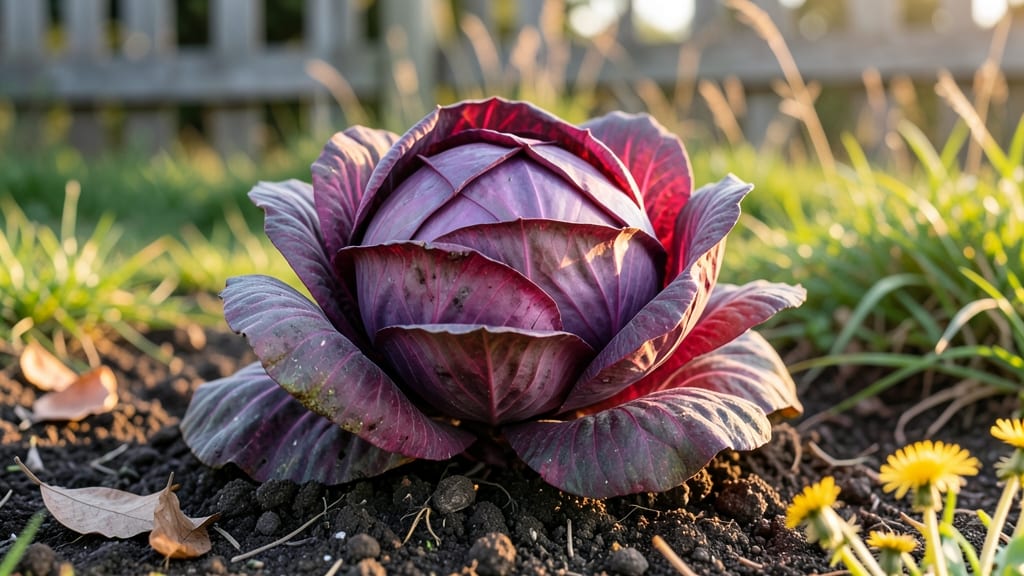
Growing purple leafy greens transforms your garden into a living canvas of jewel-toned drama. 🌿 That first flush of deep magenta leaves—whether it's red kale, purple cabbage, or Swiss chard—turns ordinary beds into showstoppers that keep giving through frost and heat.
I've grown these bold beauties for years, and they're easier to cultivate than most people think, even if you've only got a sunny windowsill or small yard.
The secret lies in soil that stays rich but well-draining (think compost mixed with garden soil) and partial shade—these plants love morning sun but hate afternoon scorching. Most varieties thrive in 12-18 inches of spacing, and they reward patience with harvests that last 6-8 weeks from planting.
My red Russian kale, for instance, stays productive even when temps dip below freezing, proving these greens are the ultimate multitaskers: edible AND ornamental.
You'll harvest crisp, vibrant leaves perfect for salads, sautéing, or garnishing—plus, the stems add striking texture to floral arrangements. The first time I served purple cabbage slaw at a summer potluck, guests kept asking where I got the "magical" greens.
That's the power of these plants: they feed both your plate and your garden's aesthetic, with minimal fuss.
Works beautifully in raised beds, containers, or in-ground plots, and they handle succession planting like champions. Whether you're growing for the kitchen or the curb appeal, these purple powerhouses deliver year-round color with almost no effort. Let's get those seeds in the ground—or containers on the windowsill!
📚 In This Guide
- What you need
- Instructions
- Tips and common mistakes
- Wrapping up and next steps
What you need
- ● Purple leafy green seeds or seedlings: Choose from varieties like Red Malabar Spinach, Purple Kale, or Purple Okra (3–5 plants per container or 10–15 seeds for direct sowing).
- ● Well-draining potting mix: 2–3 gallons (for containers) or enrich your garden soil with compost (aim for 2–3 inches mixed into the top 12 inches of soil).
- ○ Containers (optional but handy): 12–18-inch pots with drainage holes (2–3 plants per container) or raised beds (if growing in-ground).
- ● Slow-release fertilizer: Balanced 10-10-10 or organic options like fish emulsion (1 tbsp per plant at planting time).
- ● Mulch: Straw or shredded leaves (1–2 inches) to retain moisture and suppress weeds.
- ● Garden trowel or transplanting spade (for planting seeds/seedlings).
- ● Gloves (to protect your hands from soil and thorns, if using spiky varieties like Purple Okra).
- ● Watering can or hose with gentle spray nozzle (avoid oversaturating leaves).
- ● Pruning shears (for harvesting and shaping plants).
- ○ pH testing kit (optional but helpful)—purple leafy greens thrive in slightly acidic to neutral soil (pH 6.0–7.0).
- ● Sunlight: 6–8 hours of direct sun daily (partial shade in hot climates).
- ● Temperature: Ideal range: 55–75°F (13–24°C). Avoid frost (most varieties are tender perennials in cold zones).
- ● Watering routine: Keep soil consistently moist but not soggy (1–1.5 inches of water per week).
- ● Spaciousness: Space plants 12–18 inches apart (or 6–12 inches in containers) for airflow.
Step-by-Step instructions for cultivating stunning purple leafy greens
Here's how to grow vibrant, edible foliage that thrives indoors or out—no green thumb required.
🌱 Step 1: Select and Prepare Your Purple Varieties
Start with cold-hardy purple leafy greens like red Russian kale, purple okra, or Swiss chard 'Bright Lights.' These thrive in cooler weather and pack deep anthocyanins that intensify with sunlight. I always choose young plants (4-6 weeks old) from a nursery—they establish faster than seeds and give you instant color drama.
Before planting, give the roots a quick soak in room-temperature water for 10-15 minutes to revive them. This prevents transplant shock later. Handle the plants by their leaves, never the stems—you'll see bruising if you grip too tightly. Space them 12-18 inches apart in well-draining soil, as their broad leaves need room to spread.
☀️ Step 2: Position for Maximum Color Intensity
Purple leafy greens need 4-6 hours of direct sun daily to develop their rich hues. A south-facing window or grow light 6-12 inches above works perfectly. I've noticed the deepest colors appear when plants get morning sun and afternoon shade—especially in hot climates where leaves can scorch.
Rotate your containers quarter-turn weekly so all sides get even light exposure. You'll see the stems grow straighter and leaves stay plump instead of stretching toward the light. For indoor setups, supplement with a full-spectrum LED grow light if natural light falls short—purple varieties need consistent light to maintain their pigmentation.
💧 Step 3: Master the Watering Balance
Keep soil consistently moist but never soggy—purple leafy greens wilt dramatically when thirsty but recover quickly once watered. I test moisture by sticking my finger 1 inch deep into the soil; if it feels dry, it's time to water. Overhead watering can cause fungal issues, so I water at the base using a gentle stream from a watering can with a fine rose attachment.
Mulch with 1-2 inches of straw or shredded leaves to retain moisture and prevent soil-borne diseases. This is especially important in containers, where soil dries out faster. Watch for yellowing leaves at the base—this often signals overwatering or poor drainage. If you see it, let the soil dry out slightly before watering again.
✂️ Step 4: Harvest for Continuous Color
Start harvesting outer leaves when they reach 6-8 inches tall, using clean scissors or fingers to pinch just above a leaf node. This encourages bushier growth and prevents the plant from bolting. I harvest every 2-3 weeks in spring/fall, and weekly in summer when growth is rapid.
Never take more than ⅓ of the plant at once—you'll know you're harvesting correctly when new purple leaves continue emerging from the center. The first harvest yields the most vibrant color, as younger leaves contain higher anthocyanin levels. Store harvested greens in a sealed container with a paper towel to absorb moisture and keep them crisp for up to 5 days in the fridge.
🌿 Step 5: Extend the Season with Smart Care
For year-round production, protect plants from frost with row covers or cold frames in fall/winter. Purple varieties often handle light frosts better than green ones, but a thin layer of straw mulch adds insulation. In summer heat, provide afternoon shade to prevent leaf burn—you'll notice the edges crisping if they're getting too much sun.
Fertilize lightly every 4-6 weeks with a balanced organic fertilizer (10-10-10) to maintain vibrant growth. Too much nitrogen makes leaves lose their purple tint, so I use half-strength solutions. Watch for pests like aphids on the undersides of leaves—spray with soapy water if you spot them, as purple varieties are just as susceptible as green ones.
Tips & tricks for perfect purple leafy greens
Here's what nobody tells you about growing these showstopping plants—tricks that'll make your foliage pop like a pro's.
The Root Revival Secret: That 10-15 minute root soak in Step 1 isn't just about hydration—it's a stress reset. I've found adding a pinch of sea salt to the water (just a quarter teaspoon per gallon) helps prevent transplant shock even better. The salt mimics natural soil conditions and signals the roots to start absorbing nutrients immediately. Just don't overdo it—this is a gentle boost, not a fertilizer treatment.
Light Positioning Pro Tip: For maximum anthocyanin development (those gorgeous purple pigments), position your plants so they get morning sun and afternoon shade in hot climates. I've noticed the deepest colors appear when leaves receive direct sunlight between 8 AM and 11 AM daily. In containers, rotate them quarter-turn weekly to prevent lopsided growth—think of it like giving your plants a gentle massage to keep them balanced.
Watering Wisdom: The finger test in Step 3 works perfectly, but here's the extra detail: press your finger in for 3 seconds—if the soil feels dry at that depth, water thoroughly. For containers, I've found using terracotta pots helps regulate moisture better than plastic—they wick away excess water while keeping roots hydrated. And always water at the base to prevent fungal spores from splashing onto leaves.
Harvesting Hack: When harvesting those 6-8 inch leaves in Step 4, use clean scissors or your fingers to pinch just above a leaf node. This encourages new growth from that exact spot. I've found harvesting in the morning gives you the crispest leaves—this is when they're packed with the most moisture and nutrients. Store them in a sealed container with a paper towel to absorb any excess moisture and keep them fresh for up to 5 days.
Pro Tips for Purple Leafy Greens
- Here's what nobody tells you about growing these showstopping plants—tricks that'll make your foliage pop like a pro's.
- The Root Revival Secret: That 10-15 minute root soak in Step 1 isn't just about hydration—it's a stress reset. I've f...
- Light Positioning Pro Tip: For maximum anthocyanin development (those gorgeous purple pigments), position your plants...
Frequently asked questions
Got questions about growing purple leafy greens? You’re not alone! Here are some of the most common queries—plus quick, practical answers to help you cultivate stunning, edible foliage with confidence.
What are the best purple leafy greens for beginners?
Start with red ruby chard, purple kale, or Swiss chard ‘Bright Lights’—they’re hardy, fast-growing, and forgive mistakes. Avoid finicky varieties like red Russian kale if you’re new to gardening. Pro tip: Choose heirloom seeds for deeper hues!
How long does it take for purple leafy greens to mature?
Most purple greens reach harvest size in 4–6 weeks—but don’t wait! Snip outer leaves as soon as they’re 4–6 inches tall to encourage bushier growth. Red kale and chard can take slightly longer (6–8 weeks) for full flavor. Bonus: Cut-and-come-again harvests extend your season!
Can I grow purple leafy greens in hot climates?
Yes, but with strategy! These greens bolt (go to seed) faster in heat. Opt for shade cloth (30–50%) or grow them in spring/fall. Varieties like ‘Red Malabar Spinach’ tolerate heat better than kale. Water deeply to prevent stress—wilting turns leaves bitter.
Are purple leafy greens safe to eat raw or cooked?
Both! Raw, they’re crisp and peppery (great in salads)—just wash thoroughly to remove dirt. Cooked, their anthocyanins (purple pigments) deepen into rich flavors. Blanch chard to soften stems; massage kale to tenderize. Fun fact: Purple hues fade when cooked—embrace the color shift!
What pests or diseases should I watch for?
Common culprits: aphids (sap-sucking bugs), cabbage worms, and powdery mildew in humid weather. Prevent pests with row covers or neem oil. For mildew, improve airflow and avoid overhead watering. Act fast: Remove infested leaves immediately!
Can I regrow purple greens from scraps?
Not all greens regrow, but chard and kale stems can! Place the base in water (like celery) until roots sprout, then transplant to soil. Limit to 1–2 regrowth cycles—nutrients deplete over time. Spinach and lettuce won’t regrow, so compost them instead.
Wrapping up and next steps
Purple leafy greens aren’t just a stunning addition to your garden—they’re a nutrient-packed powerhouse that thrives with the right care! Whether you’re drawn to their vibrant color, hardy nature, or culinary versatility, these plants reward patience with year-round drama and fresh harvests.
Now that you’re armed with the perfect growing conditions, soil tips, and troubleshooting tricks, it’s time to roll up your sleeves and plant!
🌱 Next step: Start small—try a few purple kale, Swiss chard, or mustard greens in containers or your garden bed. Track your progress, experiment with varieties, and soon, you’ll be sharing your lush, purple harvests with pride! Happy growing! 🌿