
Planting
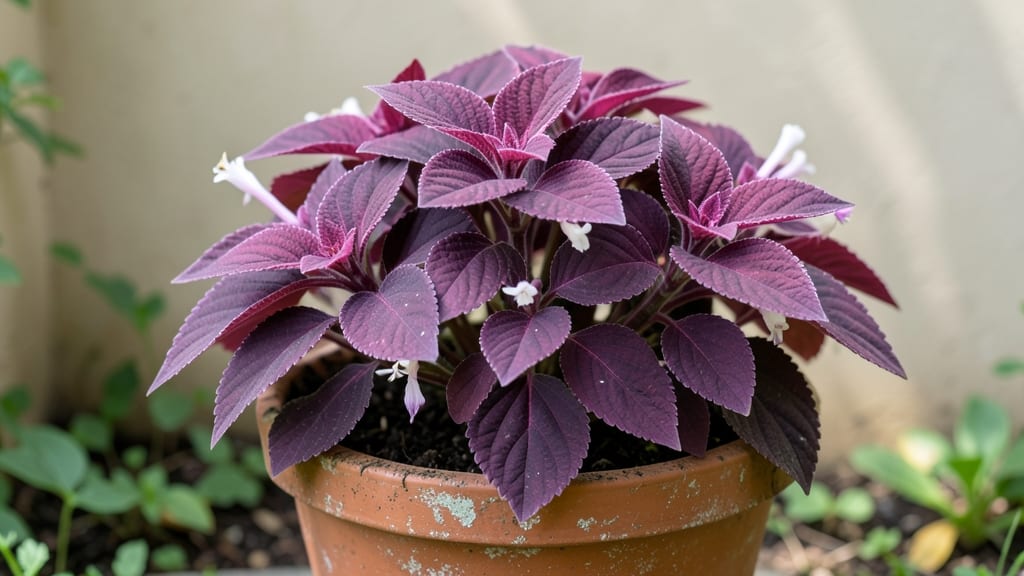
That purple leafy plant in your garden isn’t just a splash of color—it’s a cold-hardy showstopper that steals the scene all year. 🌿 I’ve grown purple leaf plum trees, coleus, and even purple basil, and they’ve transformed my garden from ordinary to extraordinary with minimal effort.
The magic lies in their versatility. Use them as focal points in borders, mix them into containers for vibrant pops, or let them climb trellises for a dramatic vertical effect.
Their deep hues contrast beautifully with silver foliage, green shrubs, and even white flowers, creating a look that feels both classic and modern. With proper placement, these plants thrive even in colder climates—no fussing over winter protection.
Just plant them where they’ll get sunlight (some prefer shade), water them occasionally, and watch them reward you with lush, jewel-toned leaves that last from spring through fall. Perfect for garden beds, patio pots, or even as standalone specimens. Here’s how to make them the star of your outdoor space!
📚 In This Guide
- What you need
- Instructions
- Tips and common mistakes
- Wrapping up and next steps
What you need
- ● Purple leafy plant (e.g., Purple Kale, Red Russian Kale, or Purple Cabbage) – 1-3 plants (or seeds if starting from scratch). Choose cold-hardy varieties for year-round growth!
- ● Well-draining potting mix or garden soil – 5-10 gallons (for containers) or amended garden soil (for in-ground planting). Opt for organic, nutrient-rich soil with a pH of 6.0–7.0.
- ○ Containers (optional but recommended for control) – 12–18" deep pots with drainage holes (if growing in pots). Use fabric grow bags or ceramic planters for aesthetics.
- ● Slow-release fertilizer (5-10-5 or organic options) – 1–2 tbsp per plant at planting time. Look for balanced, low-salt formulas.
- ● Compost or worm castings – 1 cup per plant to boost soil fertility.
- ● Mulch (straw, wood chips, or shredded leaves) – 2–3 inches to retain moisture and insulate roots in cold climates.
- ● Watering can or hose with a gentle spray nozzle – For deep, even watering without damaging leaves.
- ● Pruning shears or scissors – Sharp, clean tools to harvest leaves or trim dead growth.
- ● Plant supports (stakes or cages) – If your variety grows tall (e.g., Purple Cabbage), use 3–4 ft bamboo stakes for stability.
- ● Epsom salt (magnesium sulfate) – 1 tbsp dissolved in water monthly for purple-hued leaves.
- ● Shade cloth (30–50%) – For hot climates to prevent leaf scorch.
- ● Drip irrigation system – Automates watering for consistent moisture.
- ● Garden journal – Track growth, harvests, and notes for future reference!
How to grow a cold-hardy purple leafy plant
This vibrant, low-maintenance stunner thrives in cold climates—here's how to plant and care for it all year.
🌱 Step 1: Choose the Right Purple Leafy Plant for Your Climate
Purple leaf plants like purple smoke bush, purple panicum grass, or purple beech trees are cold-hardy and perfect for year-round color. Check your USDA zone—they thrive from 3-8, with some varieties surviving down to -30°F. I always pick plants labeled "cold-hardy" or "ornamental grass" to ensure they'll bounce back after winter.
If you're starting from seed, sow in early spring after the last frost date. For established plants, transplant in spring or early fall when soil temperatures are above 50°F. Avoid planting in summer heat—you'll see wilting and stress within days. Look for plants with deep purple foliage and sturdy stems; these are the healthiest starters.
🪴 Step 2: Prepare the Planting Site for Year-Round Success
Pick a spot with full sun to partial shade—most purple leaf plants need at least 4-6 hours of direct sunlight daily. If your area gets harsh afternoon sun, opt for partial shade to prevent leaf scorch. Amend the soil with compost or well-rotted manure to improve drainage, since these plants hate soggy roots.
Dig a hole twice as wide as the root ball but only as deep. Loosen the roots gently if they're circling—this encourages outward growth. Backfill with native soil, then water deeply to settle everything. I always add a 1-inch layer of mulch around the base to retain moisture and regulate soil temperature.
☀️ Step 3: Water and Fertilize for Vibrant Purple Foliage
Water newly planted purple leaf plants deeply once a week unless rainfall provides 1 inch of moisture. Overwatering causes root rot, so always check the soil—it should feel damp 2 inches down but not soggy. In summer, you might need twice-weekly watering if temperatures exceed 85°F.
Fertilize lightly in early spring with a balanced 10-10-10 fertilizer or a slow-release granular. Too much nitrogen turns purple leaves green—this is the #1 mistake I see. Instead, focus on phosphorus and potassium for vibrant color. After the first year, most cold-hardy varieties need little to no fertilizer.
✂️ Step 4: Prune and Maintain for Year-Round Beauty
Prune in late winter or early spring before new growth begins. Cut back 1/3 of the plant to encourage bushier growth and remove any dead or damaged stems. For ornamental grasses, divide clumps every 3-4 years in early spring to prevent overcrowding—this keeps them looking fresh.
In fall, cut back dead foliage but leave seed heads for winter interest. Some varieties like purple smoke bush develop beautiful seed plumes that add texture to snowy landscapes. Avoid heavy pruning in summer—you'll stunt new growth and lose that signature purple hue.
⏰ Step 5: Protect from Winter and Encourage Regrowth
Most cold-hardy purple plants need no winter protection, but young plants benefit from a 2-3 inch layer of mulch around the base. In extremely cold zones (below -20°F), wrap the base with burlap or frost cloth for the first winter. Remove it in early spring before new shoots appear.
Watch for new growth in late spring—it should emerge bright green before turning purple. If growth is slow, apply a light layer of compost around the base. Avoid fertilizing in fall; the plant needs to harden off for winter. With proper care, your purple leaf plant will thrive for 10+ years with minimal effort.
Tips & tricks for perfect purple leafy plant care
These simple strategies will help you keep your cold-hardy purple foliage thriving through every season.
Climate Matching: Before planting, verify your USDA zone—purple smoke bush thrives in zones 3-8, while purple panicum grass handles zones 5-9. I learned this the hard way after buying a plant labeled "cold-hardy" that still struggled in my zone 4 garden. Check the tag or research your specific variety to avoid disappointment. The difference between a thriving bush and a struggling one often comes down to this simple check.
Soil Prep Secret: When amending soil with compost or well-rotted manure, mix it into the bottom of the planting hole rather than just around the roots. This creates a nutrient-rich base that encourages strong root development. For heavy clay soils, add a 2-inch layer of coarse sand to improve drainage—purple leaf plants absolutely hate soggy roots, and this simple step prevents root rot that can kill your plant within weeks.
Watering Wisdom: The once-weekly deep watering rule works best when your soil drains well. To test drainage, dig a 6-inch hole in your planting area and fill it with water. If it drains completely within an hour, you're good to go. If not, amend the soil before planting. In extreme heat (above 85°F), I increase watering to twice weekly but always check soil moisture 2 inches down—it should feel damp, not wet. Overwatering is the silent killer of these plants.
Fertilizer Fix: That balanced 10-10-10 fertilizer recommendation works, but here's the trick: apply it only when you see new growth in early spring, not before. I've seen many gardeners overdo it in fall, thinking their plants need a boost for winter. In reality, fall fertilization encourages tender new growth that won't survive freezing temperatures. Stick to spring feeding and you'll maintain that vibrant purple color all season long.
Pro Tips for Purple Leafy Plant
- These simple strategies will help you keep your cold-hardy purple foliage thriving through every season.
- Climate Matching: Before planting, verify your USDA zone—purple smoke bush thrives in zones 3-8, while purple panicum grass handles zones 5-9.
- Soil Prep Secret: When amending soil with compost or well-rotted manure, mix it into the bottom of the planting hole rather than just around the roots.
Frequently asked questions
What’s the best way to choose a purple leafy plant at the nursery?
Look for plants with deep, even purple hues (not faded or patchy) and healthy stems. Avoid wilted leaves or yellowing—these could signal stress or disease. Check the soil for dampness but not sogginess, and opt for younger plants (1–2 years old) for easier transplanting. Pro tip: Smell the soil—sour or rotten odors mean trouble!
How cold-hardy are these plants, and do they need winter protection?
Most purple leafy plants (like Purple Smoke Bush or Red Vein Plant) tolerate USDA Zones 5–9. In colder zones, they’ll survive down to 0°F with mulch around the base. For Zone 4 or below, wrap young plants in burlap or use frost cloth. Prune back dead foliage in early spring—new growth will pop with color!
Why are my purple leaves turning green or brown?
Green leaves? Too much sunlight (they’re sun-loving but can scorch). Brown edges? Underwatering or salt buildup from tap water. Yellowing? Overwatering or poor drainage. Fix it: Adjust care—morning sun, well-draining soil, and water only when topsoil is dry. Fertilize lightly in spring for a vibrant purple boost!
Can I grow purple leafy plants in containers? What’s the best setup?
Use large pots (12"+ diameter) with drainage holes and a fast-draining mix (60% potting soil, 30% perlite, 10% compost). Choose decorative containers with saucers to catch runoff. Move containers to protected spots in winter (e.g., against a south-facing wall). Prune regularly to encourage bushiness!
Are there non-toxic purple leafy plants for pets or kids?
Most purple foliage plants aren’t pet-safe, but safe alternatives include:
- Coleus (Plectranthus scutellarioides): Non-toxic, vibrant purple varieties like ‘Wizard’ or ‘Margot.’
- Heuchera (Coral Bells): Grown for purple stems/leaves (e.g., ‘Palace Purple’), pet-friendly.
- Sweet Potato Vine (Ipomoea batatas): Trailing purple leaves, non-toxic.
Always research before buying—when in doubt, keep plants out of reach!
Wrapping up and next steps
Incorporating a purple leafy plant into your garden or landscape is a fantastic way to add year-round color, texture, and resilience—even in colder climates! 🌿 These cold-hardy beauties require minimal effort but deliver maximum visual impact, making them perfect for both beginners and seasoned gardeners.
Whether you’re drawn to their striking foliage or their low-maintenance charm, they’re a win-win for any outdoor space.
Ready to get growing? Start small—plant one or two in a pot or garden bed to test your new favorite shade, then expand as you fall in love with their versatility. Happy planting! 🌱