
Plants
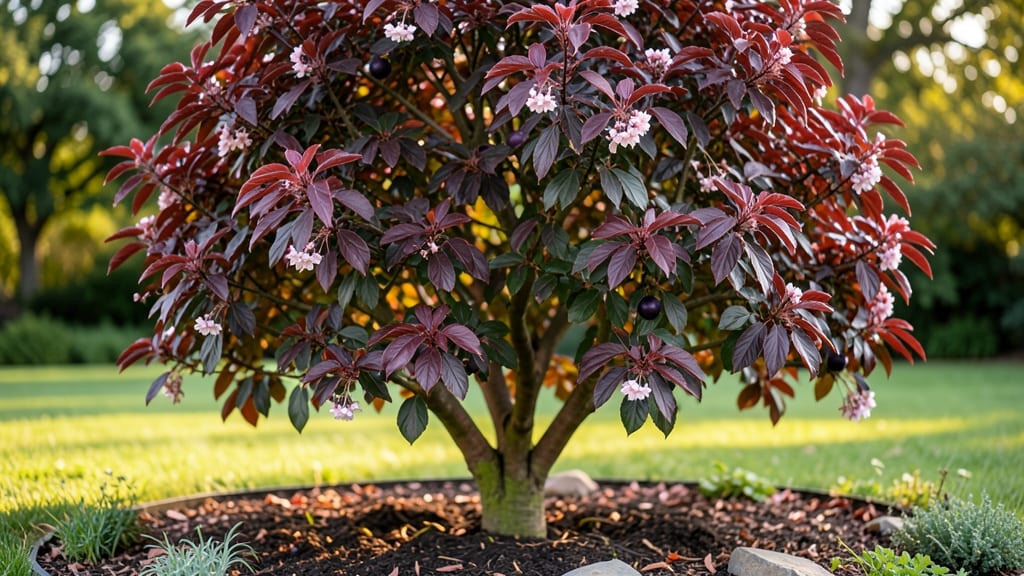
Purple leaf plants turn any garden into a living work of art. 🌿 Their deep, velvety foliage adds drama that lasts from spring through fall, creating a striking contrast against green lawns and blooming flowers.
I've used them as dramatic focal points, lush borders, and even container stars—each one brings a sense of luxury to outdoor spaces without requiring fancy care.
The beauty of these plants lies in their versatility. Purple Smoke Bushes add height and texture, Purple Leaf Plums offer early spring blooms, and Coleus deliver vibrant, multicolored leaves that change with the seasons.
They thrive in full sun to partial shade, making them perfect for almost any spot in your yard. The key is pairing them with complementary plants—silver foliage, white blooms, or bright annuals—to make their colors pop even more.
Imagine walking through your garden and having every turn reveal another burst of purple—whether it's the deep burgundy of a Smoke Bush or the soft lavender of a Plum tree. These plants create year-round interest, from spring blossoms to fall foliage, and even winter stems that add structure.
They're the kind of plants that make neighbors stop and ask, "What are those?"—and that's when you get to share your secret.
For container gardens, try pairing them with trailing plants to create cascading displays. In borders, they anchor the space with their bold color. And if you're feeling adventurous, mix different purple-leafed plants together for a stunning, cohesive look. The possibilities are endless, and the impact is always impressive.
📚 In This Guide
- What you need
- Instructions
- Tips and common mistakes
- Wrapping up and next steps
What you need
- ● Purple leaf plant: 1-3 nursery-grown plants (e.g., Purple Smoke Bush, Purple Leaf Plum, or Purple Leaf Sand Cherry)
- ● OR seeds (if starting from scratch—note: germination can be tricky!)
- ● Well-draining soil: 5-10 gallons of loamy, slightly acidic soil (pH 6.0-7.0). Mix in compost for nutrients.
- ● Organic mulch: 2-3 inches of wood chips or shredded bark to retain moisture and suppress weeds.
- ● Fertilizer: Balanced 10-10-10 or 20-20-20 granular fertilizer (apply in early spring).
- ● Garden trowel or shovel (for planting and soil prep)
- ● Pruning shears (sharp, sterilized for clean cuts)
- ● Gloves (to protect your hands from thorns or rough bark)
- ● Watering can or hose with a gentle spray nozzle (purple leaf plants hate soggy roots!)
- ● Measuring tape or ruler (to space plants 6-10 feet apart, depending on variety)
- ● Slow-release fertilizer spikes for hassle-free feeding.
- ● Plant support stakes (if growing tall varieties like Purple Leaf Plum).
- ● Epsom salt (1 tbsp/month in water) for extra magnesium and vibrant foliage.
- ● Decorative rocks or pebbles for a polished, drought-resistant mulch layer.
- ● Plant labels (to track varieties and care notes!).
Step-by-step guide to growing stunning purple leaf plants
Here’s how to cultivate vibrant purple foliage that steals the show in any garden bed.
🌱 Step 1: Choose the Right Variety for Your Climate
Purple leaf plants—like purple leaf plum, Japanese maple, or smoke bush—thrive best when matched to your hardiness zone. I always check the USDA zone range on the plant tag before buying. For example, purple leaf plum (Prunus cerasifera) handles zones 5-9, while Japanese maple (Acer palmatum) prefers zones 5-8. If you’re in a warmer zone, opt for drought-tolerant varieties like purple smoke bush (Cotinus coggygria).
Look for healthy young plants with deep purple stems and no yellowing leaves. Avoid leggy specimens—they’ve likely been overcrowded or underlit. The best time to plant is in early spring or fall, when temperatures are mild and roots can establish without stress. This ensures vibrant foliage from day one.
☀️ Step 2: Select the Perfect Sunny Spot
Purple leaf plants crave full sun to partial shade—at least 6 hours of direct sunlight daily for the deepest purple hues. I test spots by placing a white board where the plant will go; if it gets scorched after a week, the area’s too hot. For varieties like purple leaf plum, morning sun with afternoon shade prevents leaf scorch in hot climates.
If your garden is shady, choose varieties like purple leaf boxwood (Buxus), which tolerates 4-6 hours of sun. Amend heavy clay soil with 2-3 inches of compost to improve drainage—purple leaf plants hate soggy roots. The soil should feel like a damp sponge when squeezed; if it crumbles, it’s too dry.
🪴 Step 3: Plant with Proper Spacing and Support
Dig a hole twice as wide as the root ball but no deeper—burying the stem too far invites rot. Gently loosen the roots if they’re circling (a common nursery practice) and spread them outward. For small plants, space 3-5 feet apart; larger varieties like purple leaf plum need 8-10 feet to avoid crowding.
Add a 2-inch layer of mulch (like shredded bark) around the base, keeping it 3 inches away from the trunk to prevent moisture buildup. Water deeply until the soil 12 inches down is moist—you’ll know it’s right when water drains through the hole. Stake tall varieties (like Japanese maple) immediately to prevent wind damage.
💧 Step 4: Water Consistently Without Overdoing It
Purple leaf plants are drought-tolerant once established, but young plants need 1-1.5 inches of water weekly, more in extreme heat. I water deeply every 5-7 days in summer, checking soil moisture by sticking my finger 2 inches down. If it feels dry, water again; if damp, wait.
Overwatering causes yellow leaves and root rot—the #1 killer of purple foliage. Avoid wetting the leaves (especially in humid climates) to prevent fungal diseases like powdery mildew. Drip irrigation or soaker hoses deliver water right to the roots without splashing.
✂️ Step 5: Prune for Shape and Health Year-Round
Prune late winter or early spring before new growth starts. Remove dead, crossing, or weak branches first—this improves airflow and prevents disease. For shaped plants like Japanese maple, cut back 1/3 of the oldest stems to encourage fresh, vibrant growth. Use clean, sharp pruners to make 45-degree cuts just above a leaf node.
Lightly trim leggy growth in summer to maintain shape. Never prune more than 25% of the plant at once—this stresses purple leaf varieties. After pruning, apply a balanced fertilizer (10-10-10) to support new foliage. You’ll see richer purple tones within 4-6 weeks of proper pruning.
Tips & tricks for perfect purple leaf plant growth
Here's what nobody tells you about keeping those vibrant purple leaves looking their absolute best all year.
Variety Matters: The secret to maintaining that stunning purple color lies in choosing the right plant for your climate zone. Purple leaf plum thrives in zones 5-9, while Japanese maple prefers zones 5-8. For hotter climates, purple smoke bush is your best bet—it handles drought like a champ. I learned this the hard way after watching a purple leaf plum struggle in zone 10 heat. Always check that USDA zone range before buying!
Sunlight Strategy: Those 6 hours of direct sunlight aren't just a recommendation—they're essential for the deepest purple hues. I test potential spots by placing a white board where the plant will go for a week. If it gets scorched, that location's too hot. For varieties like purple leaf plum, morning sun with afternoon shade prevents leaf burn while still delivering vibrant color. This simple test saves you from disappointed plants later.
Planting Precision: When you're planting, that hole should be twice as wide as the root ball but no deeper—this prevents stem rot. I always loosen circling roots gently with my fingers before spreading them outward. For small plants, 3-5 feet spacing gives them room to grow without competing. The 2-inch mulch layer around the base (kept 3 inches from the trunk) is your best defense against moisture buildup that leads to root rot.
Watering Wisdom: The 1-1.5 inches of water weekly is a guideline, but your finger is your best tool. Stick it 2 inches down—if it feels dry, water again. If damp, wait. Overwatering is the silent killer of purple foliage, causing yellow leaves and root rot. I've seen beautiful purple plants turn sad and yellow just from too much love in the watering department. Drip irrigation or soaker hoses deliver water right to the roots without wetting leaves, which prevents fungal diseases in humid climates.
Pro Tips for Purple Leaf Plant
- Here's what nobody tells you about keeping those vibrant purple leaves looking their absolute best all year.
- Variety Matters: The secret to maintaining that stunning purple color lies in choosing the right plant for your clima...
- Sunlight Strategy: Those 6 hours of direct sunlight aren't just a recommendation—they're essential for the deepest pu...
Frequently asked questions
Got questions about adding purple leaf plants to your garden? Here are some of the most common ones—and their answers—to help you get started with confidence!
What’s the best way to care for purple leaf plants in hot climates?
Purple leaf plants (like Purple Smoke Bush or Purple Leaf Plum) thrive in heat but need consistent moisture—especially in summer. Mulch around the base to retain soil moisture, and water deeply 1-2 times per week. Avoid soggy soil, though! Prune lightly in late spring to encourage bushier growth. Pro tip: Morning watering reduces evaporation and fungal risks.
Can purple leaf plants survive winter, and how do I protect them?
Most varieties are hardy to USDA zones 5-9, but young plants or tender types (like Purple Leaf Sand Cherry) may need winter prep. Apply a 3-inch layer of mulch around the base in late fall, and wrap the trunk with burlap if temps dip below 15°F. Prune back dead branches in early spring. Bonus: Evergreen types (like Purple Leaf Boxwood) add color even in winter!
Are there non-toxic purple leaf plants for pets or kids?
Not all purple leaf plants are pet-safe! Safe options include Purple Leaf Boxwood (Buxus) and Purple Leaf Plum (Prunus cerasifera), which are non-toxic to dogs and cats. Avoid: Purple Smoke Bush (Cotinus coggygria) and Purple Leaf Sand Cherry (Prunus x cistena), which can cause stomach upset. Always double-check with the ASPCA’s plant list for peace of mind.
How do I propagate purple leaf plants from cuttings?
Propagation is easy! Take 4-6 inch softwood cuttings in late spring or early summer, dip the ends in rooting hormone, and plant in a mix of perlite and peat moss. Keep the soil moist and place cuttings in bright, indirect light until roots form (usually 4-6 weeks). Transplant outdoors after roots establish. Pro tip: Use a plastic bag to create a humid environment—it speeds up rooting!
What are some purple leaf plant alternatives for smaller gardens?
If space is limited, try these compact purple leaf plants:
- Purple Leaf Boxwood (Buxus) – Dwarf varieties stay under 3 feet.
- Purple Leaf Japanese Maple (Acer palmatum) – Stunning lace-like foliage.
- Purple Leaf Hebe – A hardy shrub perfect for borders.
- Purple Leaf Coleus – Annual but bursts with color in containers.
Wrapping up and next steps
Incorporating a purple leaf plant into your garden is a game-changer—it’s easy, stunning, and packed with year-round drama! Whether you’re drawn to the deep hues of Purple Smoke Bush or the delicate charm of Purple Heart, these plants bring effortless elegance to any space.
With the right care, they’ll thrive and keep your garden vibrant, proving that bold foliage doesn’t have to be complicated.
Ready to transform your outdoor (or indoor!) oasis? Start small—pick one variety, gather your supplies, and dive in! Your future self (and your neighbors) will thank you for the purple-tastic upgrade. 🌿✨