
Flowers
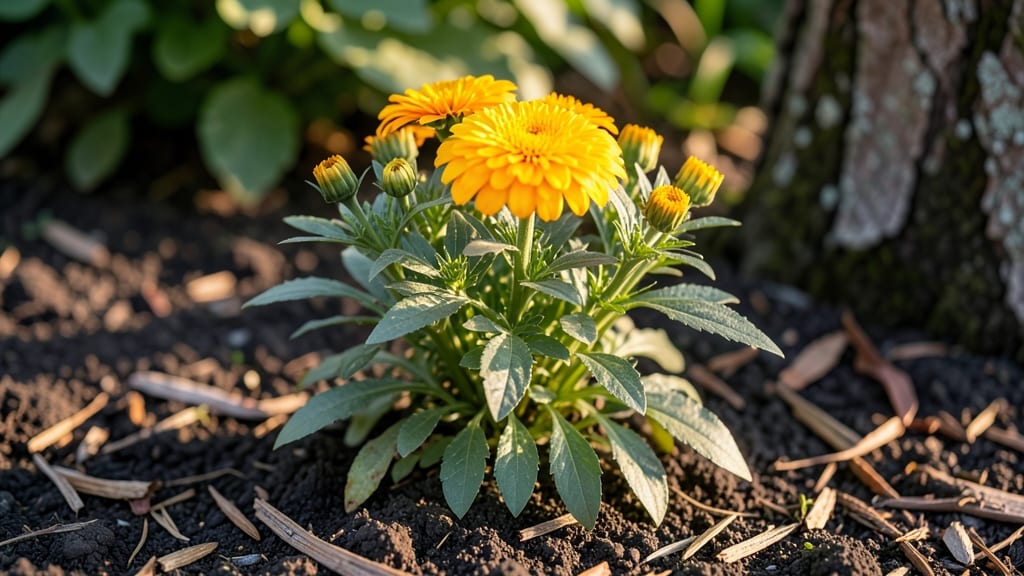
The marigold flower leaf is the unsung star of your garden—bold, fragrant, and packed with pest-repelling power. 🌿 I’ve learned the hard way that healthy foliage means more flowers, fewer pests, and plants that thrive year-round.
The secret? Regular pruning, copper sprays, and knowing when to intervene before yellowing takes over.
Start by identifying the issue: yellow leaves often mean overwatering or nutrient deficiency, while brown edges signal dryness or fungal trouble. Prune back leggy stems in early spring to encourage bushier growth, and always use clean, sharp shears.
Copper spray isn’t just for blight—it keeps powdery mildew and aphids at bay, giving your marigolds that extra layer of defense.
With the right care, your marigold leaves will stay vibrant and productive for months longer than average. The plants will reward you with more blooms, stronger stems, and that signature citrusy scent that deters pests naturally. Even a black thumb can master this—just don’t skip the pruning.
This works for all marigold types—French, African, or signet—whether you’re growing in full sun or partial shade. The key is consistency: check leaves weekly, prune monthly, and spray copper preventatively. Your garden’s pest problems will vanish faster than you think.
📚 In This Guide
- What you need
- Instructions
- Tips and common mistakes
- Wrapping up and next steps
What you need
- ● Marigold seeds or seedlings: Choose Tagetes varieties like ‘French Marigold’ or ‘African Marigold’ for bold foliage. Start with 5–10 seeds or 3–5 seedlings for a small patch.
- ● Well-draining potting mix: 5–10 gallons (sterilized to prevent disease). Mix in 20% perlite or vermiculite for aeration.
- ● Containers or garden bed: For containers: 5–7-inch pots (1 per plant) or 1-gallon pots (2–3 plants per pot).
- ● For in-ground: Full sun (6+ hours/day) and loamy, slightly acidic soil (pH 6.0–7.0).
- ● Fertilizer: Balanced 10-10-10 or organic compost (5-10-5). Use 1 tbsp per plant every 4–6 weeks.
- ● Copper-based fungicide: Bordeaux mixture or copper soap (for that iconic copper spray finish!).
- ● Garden trowel or transplant spade (for digging).
- ● Spray bottle (for misting seedlings) or hose with gentle nozzle.
- ● Pruning shears (to shape plants and encourage bushiness).
- ○ Gloves (optional but handy for copper spray applications!).
- ● Plant labels (to track varieties and watering schedules).
- ● Grow lights (if starting indoors—12–14 hours/day).
- ● Mulch (straw or shredded leaves to retain moisture).
- ● Epsom salt (1 tbsp per gallon of water, monthly for magnesium boost).
- ● Companion plants (basil or nasturtiums to deter pests naturally).
Step-by-step guide to cultivating marigold foliage for year-round drama
Marigolds aren’t just about flowers—their foliage is a lush, aromatic powerhouse when grown with intention.
🌱 Step 1: Select and Prepare the Right Varieties
For bold foliage, focus on French marigolds like 'Bonanza' or 'Janie'—their deep green, fern-like leaves pack the most visual punch. Avoid African marigolds; their leaves are sparse and less dramatic. Start with healthy nursery plants or seeds sown 6-8 weeks before last frost for optimal leaf development.
If starting from seed, use sterile seed-starting mix in 2-inch pots and keep soil at 70-75°F for germination. You’ll see tiny leaves in 7-14 days—this is your cue to begin hardening off seedlings for transplanting. Avoid overcrowding; marigold leaves need space to unfurl fully.
☀️ Step 2: Position for Maximum Foliage Growth
Marigolds thrive in full sun (6-8 hours daily), but for lush foliage, prioritize morning sun and afternoon shade in hot climates. Too much midday heat causes leaf scorch, turning vibrant green into crispy brown edges. I plant mine near trellises or taller plants to filter harsh afternoon rays naturally.
Watch for leggy growth—a sign of insufficient light. If stems stretch beyond 12 inches with sparse leaves, move the plant closer to a sunny window or supplement with a grow light. Strong foliage develops when leaves are dense and 3-4 inches wide.
💧 Step 3: Water and Fertilize for Leafy Abundance
Keep soil consistently moist but never soggy—marigold leaves wilt dramatically when thirsty. Water at the base early in the morning to prevent fungal issues. Mulch with 1-2 inches of organic matter to retain moisture and protect leaves from soil-borne diseases.
Feed every 4-6 weeks with a balanced 10-10-10 fertilizer diluted to half-strength. Over-fertilizing encourages flowers over foliage, so skip high-phosphorus blends. You’ll know you’re on track when new leaves emerge bright green and slightly waxy.
✂️ Step 4: Prune Strategically for Dense Foliage
Pinch back the tips of young plants to encourage bushier growth. Remove any flower buds that form—this redirects energy into leaf production. Use clean, sharp shears to snip just above a set of leaves, leaving 3-4 inches of stem.
Deadhead spent blooms regularly to prevent seed production, which drains the plant. After pruning, leaves should fill in within 2-3 weeks. If growth slows, check for pests like aphids or spider mites—these sap-suckers weaken foliage by draining nutrients.
🌿 Step 5: Extend the Season with Copper Spray Precision
Marigolds resist many pests naturally, but fungal issues like powdery mildew can mar foliage. Apply a copper fungicide spray every 2 weeks starting in late summer. Spray undersides of leaves thoroughly—this is where mildew hides. The copper leaves a faint blue-green residue, but it’s harmless and highly effective.
For year-round foliage, overwinter potted marigolds in a cool, bright indoor space with 50-60°F temperatures. Reduce watering but keep soil lightly moist. Prune back by one-third before bringing indoors to manage size. You’ll see new growth in 4-6 weeks—proof your plants are ready for another season.
Tips & tricks for perfect marigold foliage
Between us, these little-known details make all the difference when coaxing marigold leaves into their full lush potential.
Variety Matters: The French marigold varieties like 'Bonanza' or 'Janie' are your secret weapon for bold foliage. Their leaves grow dense and fern-like, while African marigolds produce sparse, less dramatic leaves. If you're starting from seed, the 70-75°F soil temperature during germination is non-negotiable—this is where most seedling failures happen. I've seen germination rates drop by half when soil temps dip below 70°F.
Light Management: That 6-8 hours of full sun requirement is crucial, but the afternoon shade tip in hot climates is often overlooked. I've had marigolds in full sun all day turn from vibrant green to crispy brown edges within days. The trick is to plant them near taller plants or use shade cloth during peak afternoon heat. Watch for leggy growth—if stems exceed 12 inches with sparse leaves, it's a clear sign they need more light or a grow light supplement.
Fertilizer Precision: The 4-6 week feeding schedule with diluted 10-10-10 fertilizer is perfect, but here's what nobody tells you: High-phosphorus fertilizers will make your plants flower like crazy at the expense of foliage. I've seen marigolds go from leafy powerhouses to flower factories overnight when given the wrong fertilizer. Look for that bright green and slightly waxy appearance in new growth—it's your sign everything's balanced.
Pruning Payoff: When you pinch back those tips or remove flower buds, you're essentially telling the plant to "grow more leaves, not flowers." The 2-3 week recovery time after pruning is when the magic happens—new leaves emerge from those stem nodes you carefully preserved. I've had marigolds double their foliage mass after a single strategic pruning session. Just remember to use clean shears and leave 3-4 inches of stem—less than that and you risk stunting growth.
Pro Tips for Marigold Flower Leaf
- Between us, these little-known details make all the difference when coaxing marigold leaves into their full lush potential.
- Variety Matters: The French marigold varieties like 'Bonanza' or 'Janie' are your secret weapon for bold foliage.
- Light Management: That 6-8 hours of full sun requirement is crucial, but the afternoon shade tip in hot climates is often overlooked.
Frequently asked questions
Got questions about growing and using marigold flower leaves?
You’re not alone! Here are the most common queries—plus quick, actionable answers to keep your copper-sprayed foliage thriving year-round.
Can I eat marigold leaves?
While marigold leaves are technically edible, they’re not typically consumed in large quantities. Some culinary uses include flavoring teas or garnishes, but their strong, bitter taste and potential toxicity in high doses (due to pyrethrins) make them more ornamental than edible. Stick to admiring their coppery hue!
How long does it take for marigold leaves to turn the iconic copper color?
The vibrant copper tones develop gradually, usually 4–6 weeks after planting (or when the plant is fully mature). For faster results, use a copper sulfate spray (diluted to 1 tsp per gallon of water) every 2–3 weeks. Patience pays off—deep hues intensify with sunlight and proper care!
Why are my marigold leaves turning yellow or brown?
Yellowing leaves often signal overwatering or poor drainage, while brown edges can mean underwatering, heat stress, or nutrient deficiency. Check soil moisture (top inch should dry between waterings) and ensure pots/drainage holes are present. A balanced fertilizer (10-10-10) applied monthly can also help revive vibrancy.
Are marigold leaves toxic to pets?
Yes, marigold leaves contain pyrethrins, which are toxic to cats, dogs, and pets if ingested in large amounts. Keep plants out of reach, and monitor pets for symptoms like vomiting or drooling. Opt for pet-safe alternatives like coleus or helichrysum if you’re concerned.
What’s a good alternative to marigold leaves for coppery foliage?
If you love the look but want variety, try these low-maintenance picks:
- Coleus: Bold, multicolored leaves with minimal care.
- Copper Plant (Acalypha): Dramatic red-tinged foliage.
- Sweet Potato Vine: Heart-shaped leaves in burgundy or purple.
Wrapping up and next steps
Growing marigold flower leaves is a rewarding journey that brings vibrant color and resilience to your garden—and now you’ve got the tools to succeed! 🌿 From selecting the perfect soil to mastering copper spray precision, every step unlocks lush, year-round foliage that’s as functional as it is beautiful.
Whether you’re a seasoned gardener or just starting, your green thumb is about to shine brighter than those fiery blooms.
Ready to level up? Start by planting your first seeds or seedlings this week—your garden’s next masterpiece is waiting! 🌱✨ Happy growing!