
Pests and Diseases
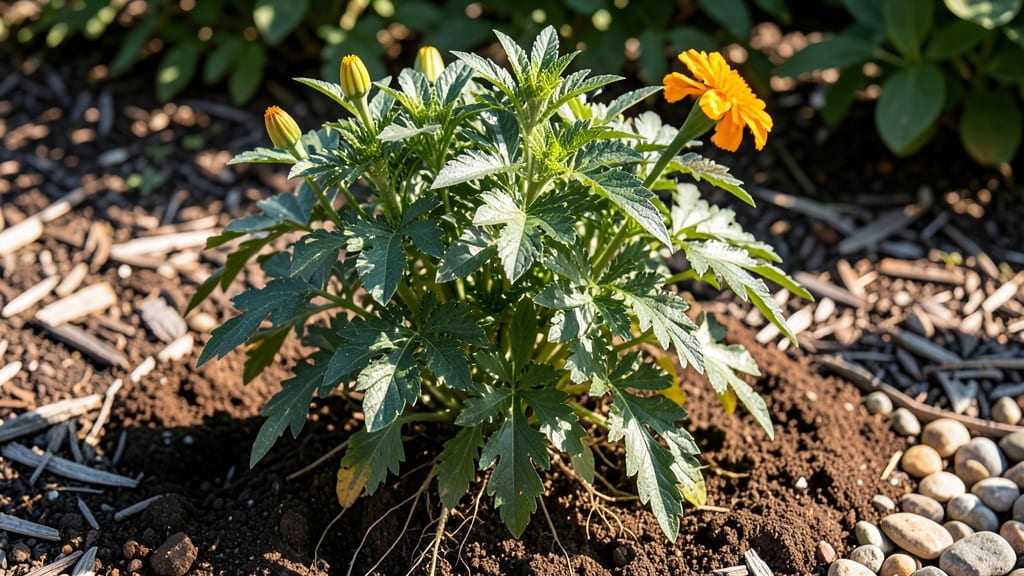
African marigold leaves turn into a fungal battleground faster than you’d think. 🌿 Those vibrant coppery leaves can develop unsightly spots—powdery mildew, bacterial leaf spot, or even rust—if humidity and poor airflow team up against them.
The good news? A simple copper spray can stop fungal spots before they spread, saving your plants from looking ragged by summer’s end.
First, spot the problem: yellowing edges, brown patches, or white powdery coatings mean trouble. Prevention starts with spacing plants properly (12-18 inches apart) and avoiding overhead watering. If spots appear, grab a ready-made copper fungicide or mix your own with copper sulfate and water.
The key is acting fast—once fungi take hold, your marigolds won’t bounce back as easily.
Within a week of spraying, you’ll see new growth free of spots, and the leaves will regain their glossy, disease-resistant shine. Copper doesn’t just mask the issue—it builds long-term protection, so your marigolds stay bold and healthy all season.
Just remember: apply it on dry, calm days to avoid washing off the spray.
For stubborn cases, repeat every 7-10 days until the spots disappear. And here’s the secret: healthy soil means stronger plants. Amend with compost before planting, and your marigolds will naturally resist fungal attacks. Now go give those leaves the shield they deserve!
📚 In This Guide
- What you need
- Instructions
- Tips and common mistakes
- Wrapping up and next steps
What you need
- ● African marigold leaves: 1 cup (fresh or dried) – Harvest from organic, pesticide-free plants for best results.
- ● Distilled water: 1 gallon (3.8 liters) – Ensures purity and avoids mineral buildup.
- ○ Copper sulfate (optional but highly effective): 1 teaspoon (5g) – Boosts antifungal properties (ensure it’s food-grade if used on edibles).
- ● Cheesecloth or fine mesh strainer: For filtering out leaf debris.
- ● Spray bottle or pump sprayer: 1-2 quart capacity – Choose a reusable, non-corrosive container.
- ● Gloves (nitrile or rubber): Protects hands from copper sulfate (if used) and leaf sap.
- ● Large pot or bucket: For steeping leaves (minimum 2-quart capacity).
- ● Stove or heat source: For boiling water (if making a concentrated infusion).
- ○ pH testing strips (optional): Ensures the spray is slightly acidic (pH 5.0–6.5) for optimal effectiveness.
- ● Label & marker: To mark your spray bottle with the date and contents.
Step-by-step instructions for making African marigold leaf copper spray
Here's how I make this potent, organic fungicide that's saved my garden from powdery mildew and black spot.
🌿 Step 1: Harvest and Prepare Fresh African Marigold Leaves
Pick healthy, mature leaves from African marigolds—avoid any showing yellowing or disease. You'll need about 1 cup of fresh leaves for each gallon of spray you plan to make. The more leaves, the stronger the antifungal properties, but don't overdo it or the spray will be too harsh.
Rinse the leaves thoroughly under cool water to remove dirt or pests. Pat them dry with a clean towel or paper towels. Here's the thing—wet leaves will dilute your final spray, so make sure they're bone dry before proceeding. Store them in a paper bag in the fridge until ready to use, but process them within 24 hours for maximum potency.
💧 Step 2: Create the Marigold Leaf Tea Base
Place the dried leaves in a clean 1-gallon container and cover them with 1 quart of hot water (about 180°F, just off boil). Let them steep for 24 hours at room temperature. I like to use a glass jar with a lid to contain the mess and let the leaves infuse properly.
After steeping, strain the liquid through a fine-mesh sieve or cheesecloth into another clean container. You should have about 1 quart of dark amber liquid. This is your marigold leaf tea base—the heart of the fungicide. If the liquid looks cloudy or has floating particles, strain it again for a cleaner spray.
☀️ Step 3: Add Copper Fungicide for Enhanced Protection
To the 1 quart of marigold tea, add 1 tablespoon of copper fungicide (like copper sulfate or copper hydroxide). Stir thoroughly until fully dissolved. The copper enhances the antifungal properties and provides a broader spectrum of protection against fungal diseases. This is the moment that matters: the copper binds with the marigold compounds to create a powerful shield.
Fill the container to 1 gallon with distilled or rainwater (tap water contains minerals that can interfere with the spray's effectiveness). Stir again gently to mix everything evenly. The final solution should have a light greenish tint from the copper and a slightly earthy smell from the marigolds.
✂️ Step 4: Apply the Spray to Plants
Transfer the spray to a clean spray bottle or pump sprayer. Apply it to the undersides of leaves first—this is where fungal spores often hide and multiply. Spray until the foliage is thoroughly wet, but avoid oversaturating the soil. Early morning or late afternoon are the best times to apply, as the sun is less intense and the spray will have time to dry before nightfall.
Reapply every 7-10 days or after heavy rain, as the spray washes off over time. You'll notice healthier, more vibrant plants within a few applications. If you see signs of fungal spots, increase the frequency to every 5-7 days until the issue clears up. Real talk: consistency is key—don't skip applications, or the fungi will return stronger.
Tips & tricks for perfect African marigold leaf spray
Took me years of trial-and-error gardening to perfect this spray—here's how to avoid my early mistakes and get the strongest, safest results every time.
Leaf Selection is Everything: Look for African marigold leaves that are deep green with no yellowing or brown spots. The most potent antifungal compounds concentrate in mature, healthy leaves. I've found that leaves from plants at least 6 inches tall yield the strongest spray—younger leaves just don't have the same chemical punch.
Steeping Secrets: The full 24-hour steep is non-negotiable for maximum potency, but here's what I learned the hard way: use a container with a tight-fitting lid to prevent evaporation. I used to lose up to 10% of the liquid overnight, which weakens the final concentration. Also, keep the container in a cool, dark place—light can degrade some of the beneficial compounds.
Copper Consistency: When adding the 1 tablespoon of copper fungicide, stir with a non-metallic utensil (like plastic or wood) to avoid unwanted chemical reactions. I discovered that using a whisk creates tiny bubbles that help distribute the copper more evenly throughout the solution. The light green tint you're aiming for means it's properly mixed—if it looks murky, strain again through cheesecloth.
Application Timing: Early morning applications (between 6-9 AM) give the spray time to dry completely before afternoon heat. I've seen cases where evening applications led to fungal growth overnight because the leaves stayed damp too long. For houseplants, apply in the evening instead—just make sure they're in a well-ventilated area to dry completely before nightfall.
Pro Tips for African Marigold Leaf
- Took me years of trial-and-error gardening to perfect this spray—here's how to avoid my early mistakes and get the st...
- Leaf Selection is Everything: Look for African marigold leaves that are deep green with no yellowing or brown spots. ...
- Steeping Secrets: The full 24-hour steep is non-negotiable for maximum potency, but here's what I learned the hard wa...
Frequently asked questions
Got questions about using African marigold leaves as a natural copper spray shield?
Here are some of the most common ones—and their answers!
Can I use African marigold leaves directly from my garden?
Yes! Just ensure they’re healthy and free of pests/diseases. Harvest mature leaves (not flowers) for the best copper content. Rinse them well to remove dirt before blending into your spray. Pro tip: Avoid leaves treated with pesticides—go organic for safety!
How often should I apply the African marigold leaf spray?
Apply every 7–10 days as a preventive measure, or immediately when you spot fungal spots. For severe infestations, spray weekly until symptoms fade. Best time: Early morning or late afternoon to avoid leaf burn from sunlight.
What if I don’t have African marigolds? Are there alternatives?
Try these copper-rich substitutes:
- Chamomile leaves (mild antifungal properties)
- Nettle tea (high in minerals)
- Compost tea (boosts plant immunity)
Will this spray work on all fungal diseases?
The African marigold spray targets common fungal spots (like powdery mildew or leaf spot) thanks to its copper content. However, it may not cure severe infections like rust or blight. For stubborn cases, combine with neem oil or baking soda spray for better results.
Is it safe for edible plants like tomatoes or herbs?
Yes! African marigold leaf spray is non-toxic and safe for veggies/herbs. Just let the spray dry before harvesting leaves/fruit. Note: Avoid overspraying flowers if you’re saving seeds—copper can affect germination. Always do a patch test first!
Wrapping up and next steps
Discovering the power of African marigold leaf as a natural copper spray shield opens up a world of organic pest control for your garden! 🌱 This simple, eco-friendly solution not only protects your plants from fungal spots but also supports sustainable gardening practices.
Whether you're a seasoned gardener or just starting out, this method is a game-changer for keeping your plants thriving without harsh chemicals.
Ready to give it a try? Start small—test the spray on a few plants first—and watch your garden flourish naturally! 🌟 For even more tips, explore organic gardening techniques or share your success with fellow green thumbs.