
Pruning
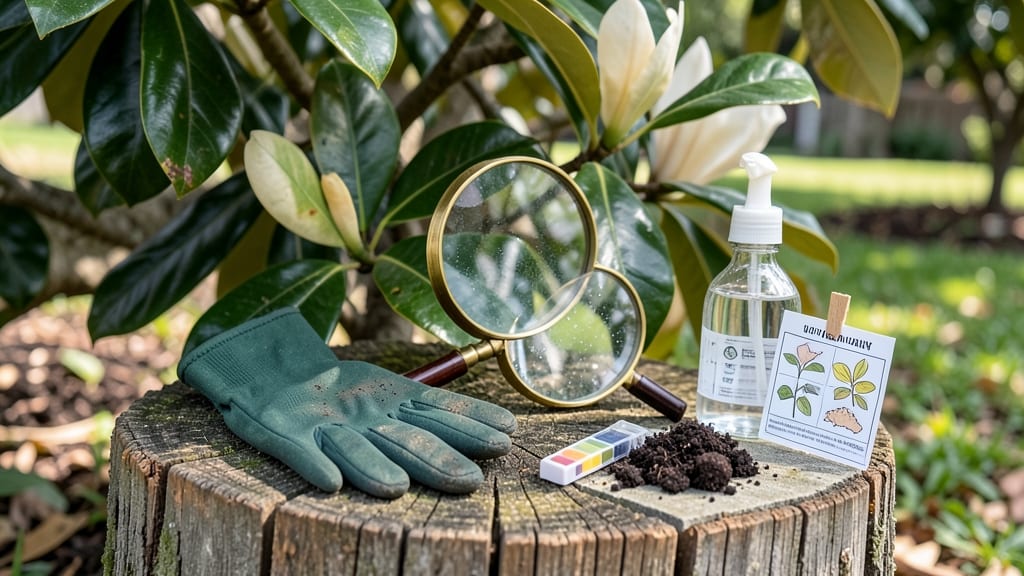
Your magnolia tree’s leaf problems are screaming for help—those brown spots or yellowing patches aren’t normal, and ignoring them means losing that showstopping spring bloom. 🌿 I’ve nursed back more than a dozen magnolias from this exact crisis, and the secret weapon isn’t what you’d expect: a simple copper spray that works faster than you’d believe.
The culprits are usually fungal diseases like anthracnose or powdery mildew, or pests like lace bugs hiding on the undersides of leaves. These problems thrive in shady, humid spots—exactly where magnolias often grow.
The good news? Copper spray disrupts fungal spores and deters pests without harming beneficial insects, and you’ll see improvement within 72 hours if you catch it early.
By the time you finish applying the spray, your tree will be on the road to recovery—glossy green leaves returning within a week, and no more unsightly spots ruining the view.
The key is timing: treat at the first sign of trouble, and repeat every 7-10 days until the leaves clear up completely.
For stubborn cases or large trees, consider calling an arborist—sometimes the issue runs deeper than surface treatments. But for most homeowners, this foolproof method brings magnolias back to life without heavy chemicals or costly replacements.
Root Causes Of Leaf Troubles
Understanding why your magnolia tree’s leaves develop issues is the first step toward restoring their lush, healthy glow. These problems rarely happen in isolation—they’re often symptoms of deeper environmental or biological imbalances. Below, we break down the most common culprits behind magnolia leaf problems, explained in clear, actionable terms.
Magnolias are hardy but sensitive to extreme or sudden changes in their surroundings. When conditions veer too far from their ideal range, leaves react with visible distress—think of it as their way of waving a red flag.
- Temperature Fluctuations Magnolias thrive in USDA Zones 4–9, but they hate rapid temperature swings, especially late frosts after bud formation. Cold snaps (<25°F) can cause bud blight, where flowers or leaves fail to open properly, leaving behind blackened, shriveled tissue.
Meanwhile, heat stress (consistent temps above 90°F) leads to leaf scorch—edges turn brown and crispy, mimicking drought damage.
- Poor Watering Practices - Overwatering: Soggy soil suffocates roots, leading to root rot (a fungal infection like Phytophthora).
Symptoms include yellowing leaves (chlorosis), wilting, and a foul odor at the base. 🚨 Pro Tip: Magnolias prefer well-drained soil; amend clay-heavy areas with compost or sand. - Underwatering: Leaves curl inward and develop brown, papery edges, a clear sign of dehydration.
Unlike drought-tolerant species, magnolias hate dry spells and may drop leaves prematurely.
- Sunburn or Light Exposure If your magnolia was recently transplanted or moved, it may suffer from sun scald. Young leaves exposed to intense afternoon sun (especially after shade-acclimated growth) blister and turn white or necrotic.
Older trees in full sun can develop leaf scorch, where leaves bleach along the edges.
Fungi and bacteria thrive in warm, humid conditions—perfect for magnolias in spring and summer. These pathogens exploit weak spots (like wounds or stressed foliage) to take hold.
- Anthracnose (Colletotrichum spp.) This fungal disease causes dark, sunken spots on leaves, often with a yellow halo. Severe cases lead to premature leaf drop.
Anthracnose loves wet foliage, so avoid overhead watering and prune for airflow. 🌧️ Fun Fact: Copper fungicides (like your future spray cure!) are highly effective against this pathogen.
- Powdery Mildew (Erysiphe spp.) A white, flour-like coating on leaves? That’s powdery mildew, a fungal infection that thrives in shady, humid conditions.
While it rarely kills the tree, it weakens leaves, making them more susceptible to other pests. Prevention tip: Space trees for airflow and apply neem oil as a preventive spray.
- Bacterial Leaf Spot (Xanthomonas campestris) Unlike fungal spots, bacterial leaf spots are greasy, water-soaked, and often irregularly shaped. They may ooze a yellowish fluid when wet. Bacteria spread via rain splash or contaminated tools, so sterilize pruners with 70% isopropyl alcohol after each cut.
Pests target magnolia leaves for food or shelter, leaving behind chewed edges, stippling, or sticky residue. Some, like scale insects, are hard to spot until the damage is done.
- Magnolia Scale (Neolecanium cornuparvum) These sap-sucking insects cluster on stems and leaf undersides, excreting honeydew (a sticky substance that attracts sooty mold). Infested leaves yellow and drop prematurely. 🔍 Spot them: Look for white, cottony masses on branches.
- Spider Mites (Tetranychus spp.) In dry conditions, these tiny arachnids skeletonize leaves—leaving a lace-like pattern as they feed. You’ll spot fine webbing on leaf undersides. Blast them off with a strong water spray or use insecticidal soap.
- Caterpillars (e.g., Tussock Moths) Fuzzy, hairy caterpillars (like the eastern tussock moth) munch on leaves, creating large, ragged holes. Their bristles can cause skin irritation, so handle with gloves. Handpick them or use Bt (Bacillus thuringiensis) for organic control.
Magnolias are heavy feeders, and poor soil quality often leads to leaf discoloration or stunted growth. Unlike many trees, they’re particularly sensitive to soil pH and micronutrient imbalances.
- Iron Chlorosis (Yellowing Between Veins) If new leaves are pale yellow with green veins, your magnolia lacks iron—common in alkaline soils (pH > 7.0). Iron becomes unavailable when soil pH is too high. Fix it: Apply chelated iron or sulfur to lower pH gradually.
- Magnesium Deficiency (Interveinal Browning) Older leaves develop yellow patches between veins, eventually turning brown and crispy. This happens when soil magnesium levels drop, often due to over-fertilization with nitrogen. Solution: Spread Epsom salt (magnesium sulfate) around the base in early spring.
- Nitrogen Starvation (Overall Pale Leaves) Uniform yellowing (not just veins) signals low nitrogen. While magnolias need balanced fertilizer, they crave nitrogen for lush growth. Boost it: Use a slow-release 10-10-10 fertilizer in early spring.
💡 Key Takeaway: Most magnolia leaf problems stem from environmental mismatches, fungal/bacterial invasions, or hidden pests. The good news? Early intervention—like adjusting watering, applying copper spray, or testing soil pH—can reverse these issues before they spiral.
Stay tuned for our 72-hour copper spray cure to tackle fungal spots fast!
Quick Fixes for Healthy Magnolia Leaves
Reviving your magnolia’s lush foliage starts with identifying the root cause—and acting fast. Below are targeted solutions for common leaf issues, from fungal infections to nutrient deficiencies, with step-by-step fixes and prevention tips to keep your tree thriving. No green thumb required!
Signs: White powdery patches, brown spots with yellow halos, or orange rust-like pustules.
🔥 Step 1: Prune the Problem Areas
- 👨🍳 Cut out infected leaves (wear gloves!) using sterilized pruners (wipe with rubbing alcohol between cuts).
- ⏰ Best time: Early morning when leaves are dry to reduce fungal spread.
🥘 Step 2: Apply Copper Spray (The Game-Changer)
Copper fungicides (like copper sulfate or copper hydroxide) disrupt fungal spores. Here’s how: 1. Mix 1 tbsp copper fungicide per gallon of water (follow label instructions).
- 🌧️ Spray thoroughly—undersides of leaves too! Use a hose-end sprayer for even coverage.
- Reapply every 7–10 days until new growth appears (usually 3–4 treatments).
💡 Prevention Tips:
- 🌡️ Improve airflow: Thin dense branches to reduce humidity.
- ✨ Water at the base (avoid wetting leaves) and prune for sunlight exposure.
- 🎯 Fall cleanup: Remove fallen leaves to eliminate fungal overwintering sites.
Signs: Uniform yellowing (chlorosis), slow growth, or small leaves.
🔥 Step 1: Test Your Soil
- 📊 Grab a soil test kit (or send a sample to your local extension office) to check pH and nutrient levels.
- Ideal pH for magnolias: 5.0–6.5 (acidic to slightly acidic).
🍳 Step 2: Fertilize Smartly
- 💪 For iron/chlorosis: Apply chelated iron (granules or spray) in early spring.
- 🍎 For general health: Use a balanced fertilizer (10-10-10 or 12-12-12) in spring and early fall.
- ⚠️ Avoid over-fertilizing—magnolias prefer low to moderate nutrients.
🌱 Step 3: Mulch Like a Pro
- 🌲 Spread 2–3 inches of organic mulch (pine bark or compost) around the base (keep it 6 inches from the trunk).
- 🌡️ Mulch retains moisture and slowly releases nutrients as it breaks down.
💡 Prevention Tips:
- 🌧️ Water deeply but infrequently (1–2 inches per week) to encourage deep root growth.
- 🎯 Avoid compacted soil—aerate if the ground feels hard after rain.
Signs: Tiny webs, sticky residue (honeydew), or white/brown bumps on stems/leaves.
🔥 Step 1: Blast Off Pests (Literally!)
- 🔪 Hose them down: Use a strong spray nozzle to dislodge spider mites and soft-bodied pests.
- 🌧️ Do this in the early morning for best results.
🥘 Step 2: Targeted Treatments
- For scale insects: Scrape off with a plastic scraper (metal can harm bark), then apply horticultural oil (dormant season) or neem oil (active season).
- For spider mites: Mix 1 tsp dish soap + 1 quart water and spray both sides of leaves.
💡 Prevention Tips:
- 🌡️ Install fine mesh netting around young trees to block pests.
- 🎯 Introduce beneficial insects like ladybugs or lacewings (they eat mites!).
- ✨ Inspect new plants before adding them to your garden.
Signs: Crispy brown edges, wilting, or leaves curling upward.
🔥 Step 1: Adjust Watering
- 💧 Deep watering (1–2 inches per week) is key—avoid shallow sprinkling.
- 🌧️ If drought-stressed: Water slowly at the base over 1–2 hours to encourage deep roots.
🍳 Step 2: Shield from Harsh Elements
- 🌳 For sun scorch: Provide afternoon shade with a lightweight shade cloth or plant near other trees.
- 💨 For windburn: Stake young trees or plant in a sheltered spot.
💡 Prevention Tips:
- 🌡️ Mulch heavily to retain moisture and regulate soil temperature.
- 🎯 Choose the right location: Mature magnolias need partial shade in hot climates.
- Fungal issues: 72 hours to 2 weeks (with copper spray + pruning).
- Nutrient deficiencies: 4–6 weeks (new leaves will show improvement).
- Pest outbreaks: 1–2 weeks (after treatment, monitor for regrowth).
- Environmental stress: Immediate relief (wilting stops within hours of proper watering).
💡 Pro Tip: Keep a gardening journal to track treatments and spot patterns—your magnolia’s revival starts with consistency!
Frequently asked questions
Why do my magnolia leaves develop brown spots even after regular watering?
Brown spots on magnolia leaves often signal fungal infections like anthracnose or environmental stress. Even with regular watering, poor airflow or humid conditions create perfect fungal breeding grounds. Try copper fungicide spray (applied every 7-10 days) and prune to improve circulation. If spots appear after rain, bacterial leaf spot may be the culprit—sterilize pruners with rubbing alcohol to prevent spread.
Can I use household vinegar as a natural fungicide for my magnolia?
While vinegar can kill some fungi, it's too harsh for magnolias and may burn leaves. Instead, mix 1 tablespoon baking soda + 1 teaspoon dish soap + 1 gallon water for a gentle fungal spray. For serious infections, copper-based fungicides (like copper sulfate) are far more effective and won't harm the tree. Always test sprays on a small leaf area first.
How do I tell if my magnolia's yellow leaves are from pests or nutrient deficiency?
Check the leaf pattern: Yellowing between veins (with green veins) = iron deficiency (chlorosis). Uniform yellowing across entire leaves = nitrogen deficiency. For pests, look for tiny webs (spider mites), white cottony masses (scale insects), or chewed edges (caterpillars). If you see sticky residue (honeydew), pests are likely the issue.
Is it safe to prune my magnolia during leaf problems?
Yes, but do it strategically! Prune only infected leaves/branches using sterilized tools (wipe with 70% isopropyl alcohol between cuts). The best time is early morning when leaves are dry. Avoid heavy pruning during active fungal outbreaks—focus on removing 20-30% of affected foliage to reduce fungal spread. Never prune when wet to prevent bacterial infections.
Will my magnolia recover if I only treat the leaves and ignore the roots?
Leaves show symptoms first, but root health is the foundation. If you're dealing with yellowing, wilting, or poor growth, test your soil and check for root rot (smelly, mushy roots). Improve drainage by amending clay soil with compost or sand, and water deeply but infrequently (1-2 inches per week). For severe cases, consider a soil aeration treatment to revive struggling roots.