
Trees
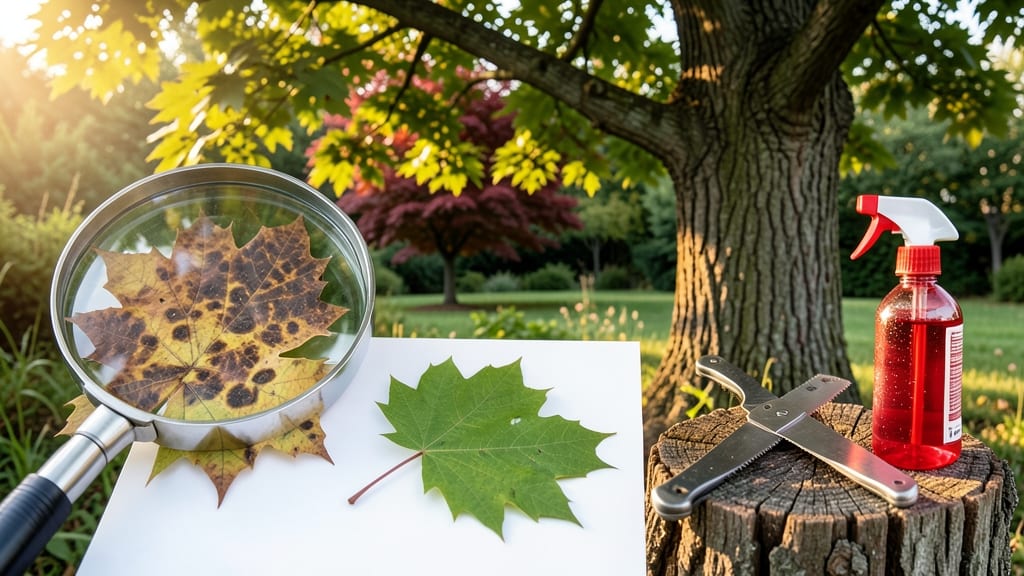
Your trees' leaves are turning into a polka-dot mess of brown spots—leaf spot disease is the culprit, and it spreads faster than you think. 🌳 I've seen this fungal nightmare ruin entire canopies when ignored, but the good news?
A 3-step copper spray cure can bring them back to full, healthy green in just a few treatments.
Most gardeners panic when they spot those ugly brown circles, but the key is acting fast. Leaf spot thrives in wet, humid conditions, so proper spacing and watering at the base (not overhead) cuts off its favorite environment.
Copper fungicide isn't just a spray—it's a shield that disrupts the fungus's life cycle before it takes hold.
By the end of this process, you'll have trees that look like they just shrugged off a bad season. The copper spray stops new spots from forming, pruning removes infected leaves, and sanitation keeps the disease from jumping to other plants.
It's not just about saving leaves—it's about saving your trees.
Works for oaks, maples, fruit trees, and more—just adjust the spray timing based on your local climate. Here's how to make it happen without losing another leaf to the spots.
Root Causes Of Fungal Outbreaks
Leaf spot diseases aren’t just random bad luck—they’re the result of a perfect storm of environmental, biological, and human factors. Understanding why these fungal invaders strike helps you prevent future flare-ups. Let’s break down the science behind the chaos.
Fungi thrive in damp conditions, and excessive moisture is their favorite party invitation. When trees sit in soggy soil—whether from overwatering, poor drainage, or heavy rainfall—their leaves stay wet for too long.
This creates the ideal breeding ground for pathogens like Cercospora or Septoria, which need 12+ hours of leaf wetness to germinate and infect.
💡 Pro Tip: Test your soil’s drainage by digging a hole, filling it with water, and timing how long it takes to drain. If it’s slower than 6 hours, amend with compost or sand to improve airflow.
Trees with dense, overlapping foliage trap humidity, slowing evaporation and creating a greenhouse effect. Fungal spores love this environment—they float through stagnant air, land on leaves, and germinate without resistance. Species like Anthracnose (common in maples and dogwoods) exploit these conditions, spreading rapidly in shady, humid microclimates.
🌡️ Key Factor: Prune to open the canopy by 30–50%, ensuring sunlight and air circulate. Thin out branches that rub together (a common infection site).
A tree under stress is like an open door for fungi. Nitrogen, phosphorus, or potassium deficiencies weaken cell walls, making leaves more susceptible to infection. Additionally, iron or zinc shortages can cause yellowing (chlorosis), which accelerates fungal colonization by reducing the tree’s ability to photosynthesize efficiently.
📊 Diagnose Fast:
- Yellow leaves with green veins? → Likely iron deficiency.
- Purple or red tinges? → Possible phosphorus or potassium shortage.
- Stunted growth? → Check nitrogen levels.
Fix with a balanced fertilizer (e.g., 10-10-10) or chelated iron for chlorotic trees.
Fungi are opportunistic—they strike when conditions are warm (60–80°F) and humid (70%+ moisture). Spring and fall are peak seasons because:
- 🌤️ Mild days + cool nights create condensation on leaves.
- 🌧️ Rain followed by warmth triggers spore germination.
- 🍂 Autumn leaf drop leaves debris on the ground, preserving spores over winter.
🎯 Actionable Fix: Use a hose-end sprayer to blast leaves after rain (removes spores) and mulch properly (2–4 inches deep) to regulate soil temp.
Fungal spores hitchhike on tools, shoes, and even wildlife. Pruning shears contaminated with Gloeosporium (a common leaf spot pathogen) can jump-start infections in healthy trees. Birds and squirrels may also distribute spores via their droppings or nesting materials.
✨ Prevention Checklist:
- 🔪 Sterilize tools with 70% isopropyl alcohol between cuts.
- 🚫 Avoid overhead watering (use drip irrigation to keep foliage dry).
- 🌳 Remove fallen leaves/debris promptly (especially in fall/winter).
How to Treat and Prevent Fungal Spots
Fungal leaf spot disease can feel like a losing battle, but with the right approach, you can restore your trees to full, healthy glory—without losing your sanity (or your favorite green thumb).
Below, we’ve mapped practical fixes to common causes, along with preventive strategies to keep those pesky spots from returning. Think of this as your spotless revival toolkit!
Cause: High humidity, poor airflow, or wet foliage creates the perfect fungal buffet. Fix:
- 🍳 Remove Infected Leaves – Snip off (or rake up) leaves with dark spots to stop spores from spreading. Pro tip: Sterilize pruners with rubbing alcohol between cuts to avoid cross-contamination! 💡
- 👨🍳 Apply Copper Fungicide – Use a copper-based spray (like the one in our 3-step cure!) every 7–14 days during wet seasons. Follow label instructions—overdoing it can harm plants.
- 🥘 Improve Airflow – Thin out dense branches or trim nearby shrubs blocking sunlight. Fungi hate dry, breezy conditions!
Prevention:
- ✨ Water in the Morning – Wet leaves at night = fungal party. Aim for early AM watering so foliage dries by sunset.
- 🌡️ Space Out Mulch – Keep mulch 3–4 inches away from the trunk to prevent moisture buildup.
Cause: Soggy roots weaken trees, making them susceptible to fungal infections. Fix:
- 🔪 Check Your Soil – Dig a small hole near the tree’s drip line. If water pools after 24 hours, you’ve got drainage issues.
- 🌱 Amend the Soil – Mix in compost or perlite to improve aeration. For heavy clay? Add sand or coconut coir.
- ⏰ Adjust Watering – Deep water once a week (or less in winter) instead of daily shallow drinks. Let the top 2 inches of soil dry out between waterings.
Prevention:
- 🎯 Install Drainage Pipes – If your yard floods, consider French drains or swales to redirect water away from tree roots.
- 💡 Use Drip Irrigation – Keeps water at the roots (not the leaves) and reduces waste.
Cause: Weak trees with low nitrogen or iron struggle to fight off infections. Fix:
- 📊 Test Your Soil – A DIY soil test kit (or lab test) reveals deficiencies. Common fixes:
- 💪 Nitrogen (for growth): Use alfalfa meal or a balanced 10-10-10 fertilizer.
- 🍎 Iron/Manganese (for chlorosis): Apply chelated iron or Epsom salt (1 tbsp per gallon of water, sprayed on leaves).
- 🥗 Avoid Over-Fertilizing – Too much salt or synthetic fertilizer can burn roots, making trees more vulnerable.
Prevention:
- 🌱 Mulch Like a Pro – A 3-inch layer of organic mulch (wood chips, pine straw) retains moisture and slowly releases nutrients.
- 🔄 Rotate Fertilizers – Alternate between organic (compost, manure) and slow-release granules to avoid buildup.
If you’re seeing new spots daily or premature leaf drop, act fast: 1. 🚨 Isolate the Tree – Move nearby plants if possible, or cover the ground with black plastic to block spores.
- 🧴 Spray with Baking Soda Mix – A homemade remedy (1 tsp baking soda + 1 quart water + a drop of dish soap) can temporarily slow spread (use on non-fruit-bearing trees only).
- 🌿 Call an Arborist – For severe cases (like anthracnose or canker diseases), a pro can prescribe systemic fungicides or pruning techniques.
Final Pro Tip: 🌟 Monitor and Maintain! Check trees weekly during rainy seasons. Early action = happy, spot-free trees. Now go forth and revive that canopy—your future shade self will thank you! 🌳💚
Frequently asked questions
What are the most common signs of leaf spot disease on my trees?
Look for small, dark brown or black spots with yellow halos on leaves—these are classic symptoms. As the disease progresses, spots may grow larger, develop gray centers, or cause leaves to yellow and drop prematurely. Check both the upper and lower leaf surfaces, as some fungal spores hide there.
Can I use household items like baking soda to treat leaf spot?
Yes! A baking soda spray (1 tsp baking soda + 1 quart water + a drop of dish soap) can help prevent fungal spread on non-fruit-bearing trees. Spray leaves thoroughly every 7-10 days during wet seasons, but avoid using it on edible plants. For severe infections, copper fungicide works better.
How do I know if my tree's leaf spots are fungal or caused by something else?
Fungal leaf spots usually have irregular edges and often appear in wet weather. Other causes include insect damage (like mites), nutrient deficiencies (yellow spots with green veins), or environmental stress (uneven browning). Test your soil or consult a local extension service if you're unsure—fungal diseases need specific treatments.
Is it safe to compost leaves with leaf spot disease?
No, never compost infected leaves! Fungal spores can survive and reinfect your plants. Instead, bag them in sealed plastic and throw them away. If you must compost, use only healthy leaves from disease-free trees to avoid spreading the problem.
When should I prune infected branches to stop the spread?
Prune during dry weather (not rainy seasons) to minimize spore dispersal. Remove infected branches at least 6 inches below visible spots and sterilize your pruners with rubbing alcohol between cuts. The best time is late winter or early spring before new growth begins.