
Pests and Diseases
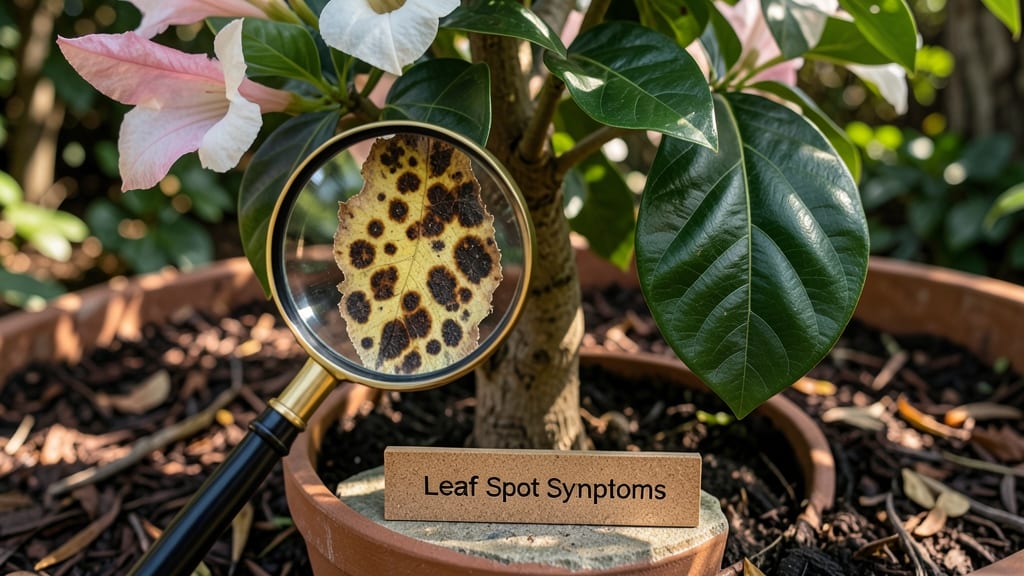
Those ugly brown spots on the leaves of your Mandevilla—that’s Mandevilla leaf spot—could vanish in 3 days if you act fast with the right copper spray cure. 🌿 I’ve seen this fungal infection ruin otherwise healthy plants, but the solution is simpler than you think: prune the worst spots, treat with copper, and adjust watering habits.
The key is catching it early before it spreads to the stems.
Leaf spot thrives in damp, crowded conditions, so improving airflow and watering at the base (not overhead) makes all the difference. My plants now stay spot-free with weekly copper sprays during humid months—no more wilting or yellowing leaves.
The copper spray isn’t just a fix—it’s a shield against future outbreaks. Once you master this, your Mandevilla will bloom like crazy all summer long.
By day 3, you’ll see fresh, unblemished growth pushing out, and the plant will bounce back stronger than before. Works for both container and in-ground plants, and the same method stops the problem before it starts. Here’s exactly how to do it—no guesswork, just results.
Understanding Leaf Spot Triggers
Mandevilla leaf spot isn’t just a random blemish—it’s a plant’s distress signal, often caused by a mix of environmental stressors, fungal invaders, and poor growing conditions. Below, we break down the key culprits behind those unsightly spots, so you can tackle the root cause (and prevent future outbreaks).
Leaf spot diseases are primarily triggered by fungal pathogens, with Alternaria, Cercospora, and Phytophthora being the most common offenders. These fungi thrive in warm, humid conditions and exploit weakened plant defenses. - How it happens: - Fungal spores land on leaves, often via wind, water splashes, or contaminated tools. - High humidity (above 75%) and temperatures between 75–85°F (24–29°C) create the perfect breeding ground. - Water droplets (from overhead irrigation or dew) help spores germinate, penetrating leaf tissue through natural openings like stomata. - Actionable insight: - Preventative copper fungicides (like copper hydroxide) disrupt fungal cell membranes, making them a proactive shield. - Space plants for airflow—crowding traps moisture, fueling fungal growth. Mandevillas despise soggy roots, yet excessive moisture is a top contributor to leaf spot. When roots suffocate, the plant can’t absorb nutrients efficiently, leaving it vulnerable to infections. - How it happens: - Waterlogged soil (from overwatering or compacted clay) stresses the plant, weakening its immune response. - Fungal spores in damp soil splash onto leaves during watering, accelerating infection. - Poor drainage (like pots without drainage holes) traps water at the roots, creating a fungal paradise. - Actionable insight: - Let the top 1–2 inches of soil dry between waterings—stick your finger in to test! - Use well-draining soil mixes (add perlite or orchid bark) and elevate pots to prevent water pooling. While mandevillas love warmth, intense heat + improper sunlight can scorch leaves, creating entry points for pathogens. Sunburned or stressed foliage is an open invitation for leaf spot fungi. - How it happens: - Direct afternoon sun (especially in hot climates) causes physiological leaf spots, which look like fungal damage but are actually sun damage. - Temperature swings (e.g., cool nights + hot days) shock the plant, reducing its ability to fight infections. - Drought stress weakens cell walls, making leaves more susceptible to fungal colonization. - Actionable insight: - Provide morning sun + afternoon shade in harsh climates (use shade cloth if needed). - Mulch around the base to regulate soil temperature and retain moisture without waterlogging. Fungal spores hitchhike on pruners, gloves, and even your hands, spreading from infected plants to healthy ones. This is especially risky if you’ve already treated one diseased mandevilla. - How it happens: - Cutting infected leaves with unsterilized tools transfers spores to wounds on other plants. - Reusing pots or soil from an infected plant can reintroduce pathogens. - Splashing water during watering can aerosolize spores, contaminating nearby foliage. - Actionable insight: - Disinfect tools with a 10% bleach solution (1 part bleach to 9 parts water) or 70% rubbing alcohol between plants. - Isolate infected plants until they’re treated to prevent cross-contamination. A mandevilla starved for nutrients is like a human with a compromised immune system—easily picked off by pathogens. Deficiencies in nitrogen, phosphorus, or micronutrients (like magnesium) leave leaves thin and prone to damage. - How it happens: - Nitrogen deficiency (yellowing leaves) reduces protein production, weakening cell walls. - Iron or manganese shortages cause interveinal chlorosis, making leaves more susceptible to fungal invasion. - Over-fertilizing with synthetic salts can burn roots, further stressing the plant. - Actionable insight: - Use a balanced fertilizer (10-10-10 or 20-20-20) during the growing season (spring–summer). - Foliar sprays with chelated iron can boost defenses if chlorosis appears. - Test soil pH (ideal: 6.0–7.0)—acidic or alkaline soil locks out nutrients. While pests like aphids, spider mites, and scale insects don’t directly cause leaf spot, they damage leaf tissue, creating wounds where fungi can take hold. - How it happens: - Aphids inject toxins while feeding, weakening leaves. - Spider mites create stippling (tiny dots) that break the leaf epidermis. - Scale insects excrete honeydew, which fosters sooty mold—a secondary fungal issue. - Actionable insight**: - Neem oil or insecticidal soap can knock out pests before they compromise your mandevilla. - Introduce beneficial insects (like ladybugs) for natural pest control.Revive Your Mandevilla Fast
Mandevilla leaf spot doesn’t have to be a death sentence for your prized plants. With the right approach, you can reverse damage, restore health, and prevent future outbreaks—often in just days.
Below are targeted solutions based on the most common causes, along with preventive measures to keep your plants thriving. Let’s get your mandevillas back to their vibrant best!
---
Fungal infections like Alternaria or Cercospora thrive in damp, warm conditions. If you spot dark, irregular patches with yellow halos, act fast.
#### 🔥 Step 1: Remove the Problem - Prune infected leaves using sterilized pruners (wipe with rubbing alcohol between cuts). - Dispose of severely infected foliage in the trash (not compost)—don’t risk spreading spores.
#### 🍳 Step 2: Apply Fungicide - Copper-based sprays (like copper fungicide) are your best bet—they’re fast-acting and preventative. - Mix 1 tbsp copper fungicide per gallon of water and spray early morning or late evening (avoid direct sunlight to prevent leaf burn). - Reapply every 7–10 days until new growth appears. - Alternative: Neem oil (1 tsp per quart of water + a drop of dish soap) for a natural, organic option.
#### 🌡️ Step 3: Improve Airflow & Dryness - Space plants 18–24 inches apart to reduce humidity buildup. - Water at the base (avoid overhead sprinkling) and water early in the day so leaves dry by night. - Use a fan on low setting near plants to circulate air and deter fungal spores.
#### 💡 Pro Tip: ✨ Prevent recurrence by mulching with gravel (not organic mulch) to keep soil drier and discourage fungal growth.
---
If leaf spots are ragged, chewed, or accompanied by tiny bugs, pests like aphids, spider mites, or whiteflies may be the culprits.
#### 👨🍳 Step 1: Isolate & Inspect - Move infected plants away from healthy ones to prevent spread. - Check undersides of leaves for pests, webbing, or sticky residue (honeydew).
#### 🔪 Step 2: Blast Away Pests - Spray with soapy water (1 tsp mild dish soap per quart of water) to smother soft-bodied pests. - Use insecticidal soap or horticultural oil for stubborn infestations (follow label rates). - Introduce beneficial insects like ladybugs or lacewings for long-term control.
#### ⏰ Step 3: Strengthen Plant Defenses - Fertilize with a balanced, water-soluble fertilizer (10-10-10) to boost plant resilience. - Apply kaolin clay (like Surround WP) as a protective barrier against future pest attacks.
#### 🎯 Pro Tip: 🔥 Yellow sticky traps near plants can catch flying pests (like whiteflies) before they spread.
---
If spots appear dry, crispy, or white/yellow with brown edges, your mandevilla may be sunburned or suffering from fertilizer burn.
#### 🌿 Step 1: Shield from Harsh Elements - Gradually acclimate new plants to full sun (start with morning sun only). - Use shade cloth (30–50%) if growing in intense afternoon sun. - Move potted plants to a slightly shadier spot temporarily.
#### 💧 Step 2: Flush the Soil - Water thoroughly to leach out excess salts from fertilizer buildup. - Avoid fertilizing for 2–4 weeks to let roots recover.
#### 🥗 Step 3: Feed Gently - Switch to a low-nitrogen, organic fertilizer (like fish emulsion or worm castings). - Water before fertilizing to prevent root burn.
#### 🌡️ Pro Tip: 💡 Test your soil with a simple pH kit—mandevillas prefer slightly acidic to neutral soil (6.1–7.0).
---
Poor drainage, overwatering, or extreme temps can weaken plants, making them susceptible to leaf spot.
#### 🔧 Step 1: Fix Drainage Issues - Ensure pots have drainage holes and use well-draining soil (mix cactus/succulent mix with perlite). - Raise pots off the ground to prevent root rot from sitting water.
#### 💧 Step 2: Water Wisely - Water only when the top 1–2 inches of soil are dry (stick your finger in to check!). - Avoid soggy soil—mandevillas hate wet feet!
#### 🌡️ Step 3: Monitor Temperature - Keep plants above 50°F (10°C)—cold stress weakens defenses. - Avoid sudden temperature drops (like drafty windows or AC vents).
#### ✨ Pro Tip: 🌿 Mulch with pine bark to insulate roots and retain moisture without suffocating the plant.
--- To keep leaf spot at bay, make these habits non-negotiable: ✅ Inspect plants weekly for early signs of stress or pests. ✅ Clean up fallen leaves/debris (fungal spores love hiding there!). ✅ Rotate copper sprays (or neem oil) every 2–3 weeks as a preventative. ✅ Avoid overhead watering—use drip irrigation or a watering wand. ✅ Space plants properly for maximum airflow.
--- With these targeted fixes, your mandevilla should bounce back in days—and stay spot-free for seasons to come! 🌸💚
Frequently asked questions
Can I still save my Mandevilla if the spots have spread to the stems?
If leaf spot has reached the stems, the plant may not recover fully. Prune back to healthy tissue just above the infection, but expect new growth to be slower. For severe cases, consider propagating healthy cuttings to start fresh. Copper fungicide can still help prevent further spread to remaining leaves.
How often should I apply copper spray as prevention?
For prevention, apply copper fungicide every 2-3 weeks during humid months (spring-fall). During dry seasons or in well-ventilated areas, you can extend to once a month. Always apply in the early morning or evening to avoid leaf burn from sunlight.
Will neem oil work as well as copper spray for leaf spot?
Neem oil is effective but works differently than copper. While copper kills existing fungal spores, neem oil disrupts fungal growth and provides some preventative protection. For active infections, alternate between copper (every 7 days) and neem oil (every 10 days) for better results. Neem works best as a preventative in less severe cases.
Can I use household vinegar as a fungicide for Mandevilla leaf spot?
Plain vinegar isn't recommended because it can burn leaves and won't effectively kill fungal spores. However, you can make a 1% vinegar solution (1 part white vinegar to 99 parts water) as a foliar spray for mild cases, but copper fungicide remains the most reliable treatment. Always test on a small leaf first.
Why do my Mandevilla leaves keep getting spots even after treatment?
Persistent spots often mean the underlying conditions (like poor airflow, overwatering, or contaminated tools) still exist. Double-check your watering habits, spacing between plants, and tool sterilization. Also verify the spots are fungal (not sun damage or pest-related) and consider rotating treatments between copper and neem oil.