Shrubs
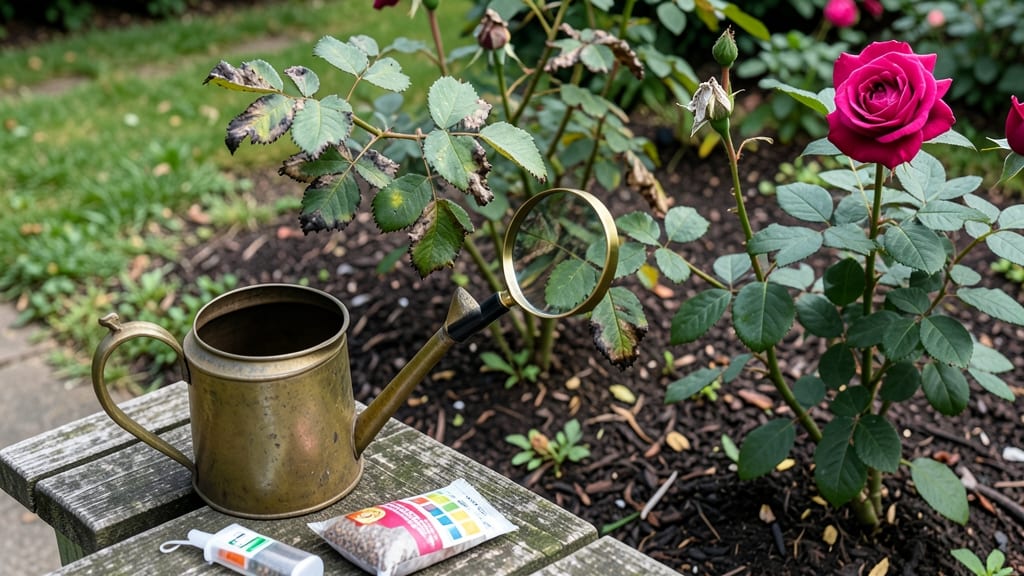
Your roses' crispy edges aren't just unsightly—they're a cry for help. 🌹 Rose leaf burn turns vibrant foliage into brittle brown lace, and the damage spreads fast if you ignore it.
The good news? With the right mix of pruning, copper sprays, and soil fixes, you can nurse those plants back to health before the season's over.
Most leaf burn starts with fungal infections like black spot or chemical burns from overzealous fertilizers. Environmental stress—like sudden heat waves or drought—makes roses extra vulnerable. The first sign? Tiny brown spots that expand into crispy edges, often with yellow halos where the fungus feasts.
If you catch it early, you can stop the spread with a simple copper fungicide spray and a few targeted pruning cuts.
Here's the game-changer: a 3-step revival plan that works even on severely damaged bushes. First, prune away the worst-affected leaves to improve airflow. Then, apply copper spray every 10-14 days until new growth appears.
Finally, adjust your watering—deep, infrequent soakings prevent stress. Within weeks, you'll see fresh, glossy foliage pushing through, and those crispy edges will be a distant memory.
This method works for hybrid teas, floribundas, and even stubborn shrub roses. The key is consistency—don't skip the sprays, and keep an eye out for new spots.
With a little TLC, your roses will bounce back stronger than ever, and your neighbors will be asking for your secret. Let's get those leaves lush again!
Root Causes Of Leaf Discoloration
When your rose leaves develop crispy, brown edges—often called leaf burn—it’s rarely a random act of nature. Instead, these unsightly symptoms usually stem from specific environmental stressors or cultural mismatches. Understanding the why behind the damage is the first step to restoring your roses to full, vibrant health.
Below, we break down the most common culprits, from overzealous watering to hidden pests, and explain the science behind each one.
Roses thrive in well-drained soil, but when roots sit in soggy conditions, they struggle to absorb oxygen. This leads to root suffocation, forcing the plant to signal distress by burning leaf edges. Here’s how it happens:
- Excess moisture: Overwatering (especially with hard water high in salts) creates a saline buildup in the soil, which osmotically stresses the roots. The plant can’t take up water efficiently, causing leaf cells to lose turgor and crisp.
- Compacted soil: Clay-heavy or poorly amended soil traps water, preventing oxygen from reaching roots. Without oxygen, roots release ethylene gas, a plant hormone that accelerates cell death in leaves.
- Fungal invasion: Waterlogged roots become prime targets for Phytophthora or Pythium, pathogens that clog root cells. The plant’s immune response triggers leaf burn as a survival mechanism.
Actionable fix: Test your soil’s drainage by digging a 12-inch hole—if water pools after 30 minutes, amend with compost or sand. Water deeply but infrequently, aiming for 1–1.5 inches per week (adjust for rain).
Crispy leaf edges often betray a hidden accumulation of soluble salts or fertilizers in the soil. Here’s the science:
- Fertilizer overuse: High concentrations of nitrogen, phosphorus, or potassium create a hypertonic soil solution, drawing water out of leaf cells via osmosis. The result? Cells dehydrate and crisp.
- Hard water residues: Tap water with high calcium/magnesium content leaves behind salt deposits. Over time, these salts disrupt nutrient uptake, mimicking drought stress.
- Pesticide/herbicide drift: Systemic chemicals (like glyphosate) can block stomata, the tiny pores on leaves that regulate moisture. Closed stomata trap water inside cells, leading to explosive cell rupture and burn.
Actionable fix: Flush the soil with 3–4 inches of water to leach out salts, then apply a chelated iron supplement (1 tsp per gallon of water) to restore cellular function. For hard water, use rainwater or distilled water for irrigation.
Roses are resilient, but sudden shifts—especially hot days followed by cold nights—can trigger transpiration stress. Here’s why:
- Daytime heat: High temperatures (above 90°F) cause stomata to open wide to release excess heat via transpiration. But if nighttime temps drop sharply, the stomata can’t close fast enough, leading to water loss and cell dehydration.
- Cold damage: Frost or chilly winds freeze cell membranes, disrupting their semi-permeable function. When thawing occurs, the damaged cells leak electrolytes, causing leaf edges to turn brown and brittle.
- Windburn: Strong winds desiccate leaf surfaces, creating microscopic tears that expose cells to oxidative stress (like rusting metal).
Actionable fix:
- Mulch with 3–4 inches of organic matter (straw or wood chips) to stabilize soil temps.
- Use shade cloth (30–50%) during peak afternoon sun.
- Apply an anti-desiccant spray (like Wilt-Pruf) to create a protective film on leaves.
Not all leaf burn is environmental—some culprits are microscopic invaders. Here’s how pests and pathogens cause damage:
- Spider mites: These tiny arachnids pierce cells to feed on sap, triggering a defensive response that causes leaf edges to yellow and crisp. Their silk webs also block sunlight, accelerating stress.
- Scale insects: Their sticky honeydew attracts sooty mold, which smothers stomata, preventing gas exchange. The plant’s inability to regulate moisture leads to burn.
- Powdery mildew: This fungal infection clogs stomata with hyphae, forcing the plant to over-transpire through remaining pores. The result? Localized dehydration and burn around infected areas.
Actionable fix:
- Blast off pests with a strong stream of water (repeat weekly).
- Apply neem oil (1 tsp per quart of water) or horticultural oil to suffocate mites and fungi.
- Prune infected leaves immediately and sterilize pruners with rubbing alcohol.
Pro Tip: 🔍 Examine the undersides of leaves with a magnifying glass—pests and fungal spores often hide there before symptoms appear. Early detection is key to preventing irreversible damage!
Fixing Damaged Leaf Edges Naturally
Reviving crispy, scorched edges on your roses doesn’t have to be a battle—just a strategic rescue mission. Whether your leaves are suffering from overwatering stress, sunburn, fungal infections, or nutrient deficiencies, targeted fixes can bring them back to vibrant health.
Below, we’ll map the most common causes to practical, step-by-step solutions, plus prevention tips to keep your roses lush and resilient.
---
Signs: Yellowing leaves, brown edges, soggy soil, or roots peeking above the surface.
1. 🌱 Stop the Water Log - Immediately reduce watering—let the top 1–2 inches of soil dry out before watering again. - Pro Tip: Use a moisture meter or stick your finger in the soil to check. If it’s damp, wait!
2. 🔄 Improve Soil Drainage - Mix compost or perlite into the soil around the base (avoid piling near the stem). - For heavy clay soil, create a raised bed or plant in containers with drainage holes.
3. 💧 Adjust Your Watering Routine - Water deeply but infrequently—aim for 1–1.5 inches per week (including rain). - Water at the base, not overhead, to prevent fungal growth.
4. ✂️ Prune Damaged Leaves - Snip off only the worst-affected leaves with clean pruners to redirect energy to healthy growth.
--- Signs: Crispy, brown edges (especially on young leaves), wilting, or a "scorched" appearance.
1. 🌿 Provide Afternoon Shade - Use a light shade cloth (30–50%) or move potted roses to a spot with morning sun + afternoon shade. - Quick Fix: Place a white umbrella or mesh screen over the plant for a few hours daily.
2. 💦 Hydrate with Mulch - Apply 2–3 inches of mulch (straw, wood chips, or pine needles) to retain moisture and cool roots. - Water early in the morning to reduce evaporation.
3. 🌡️ Boost Humidity (For Potted Roses) - Mist leaves gently in the morning (avoid evening misting to prevent fungal issues). - Place a pebble tray with water under the pot.
4. 🍃 Foliar Spray for Recovery - Mix 1 tsp baking soda + 1 quart water + a drop of dish soap and spray lightly on leaves (test on a small area first).
--- Signs: Dark spots, powdery mildew, black edges, or a "burnt" look with fuzzy growth.
1. 🛡️ Apply Copper Fungicide (The Gold Standard) - Spray copper-based fungicide (like Bordeaux mixture or copper sulfate) every 7–10 days until new growth appears. - How to Apply: Spray early in the morning on a calm day, covering both sides of leaves and stems.
2. 🌿 Improve Airflow - Prune back crowded branches to allow sunlight and air to circulate. - Space plants 2–3 feet apart if they’re in a garden bed.
3. 🚫 Prevent Water Splashes - Water at the base only—avoid overhead sprinklers. - Use a soaker hose or drip irrigation for targeted hydration.
4. 🍄 Natural Alternatives - Neem oil spray (1 tsp neem oil + 1 tsp mild soap + 1 quart water) – spray weekly. - Baking soda spray (as above) for mild cases.
--- Signs: Pale yellow leaves (chlorosis), weak stems, slow growth, or edges turning brown and brittle.
1. 📊 Test Your Soil - Grab a DIY soil test kit (or send a sample to your local extension office) to check pH and nutrient levels. - Roses thrive in slightly acidic soil (6.0–6.5 pH).
2. 💪 Fertilize Correctly - For nitrogen deficiency (yellow leaves): Use a balanced fertilizer (10-10-10) or compost tea. - For magnesium deficiency (yellow edges): Apply Epsom salt (1 tbsp per gallon of water) every 2 weeks. - For iron deficiency (pale new leaves): Use a chelated iron supplement.
3. 🍂 Avoid Over-Fertilizing - Too much fertilizer can burn roots—follow package instructions and water thoroughly after applying.
4. 🌿 Organic Boost - Mix worm castings or fish emulsion into the soil for a slow-release nutrient kick.
--- - 🌡️ Monitor Weather: Cover roses during heatwaves or frost with frost cloth or burlap. - 💧 Water Wisely: Stick to a consistent schedule—better to underwater slightly than drown them. - 🍃 Prune Regularly: Remove dead or diseased leaves immediately to stop spread. - 🌱 Choose Resistant Varieties: Opt for disease-resistant rose cultivars (like ‘Knock Out’ or ‘Dr. Huey’). - 🔄 Rotate Care: Avoid planting roses in the same spot year after year—crop rotation prevents soil depletion.
--- Final Thought: Most "burned" edges are fixable with the right care—don’t toss those roses just yet! Start with one or two solutions based on your plant’s symptoms, and watch them bounce back in 2–4 weeks. 🌸✨
Frequently asked questions
Can I still save my roses if the leaf burn covers most of the foliage?
Yes, but act fast! Prune away 80% of the damaged leaves to reduce stress on the plant, then focus on root recovery. Apply copper fungicide every 7-10 days and improve soil drainage immediately. Healthy new growth often appears within 3-4 weeks if you address the underlying cause.
How do I tell if my rose's crispy edges are from sunburn or fungal infection?
Sunburned edges appear dry and papery on leaves facing direct sunlight, while fungal damage shows dark spots with yellow halos or fuzzy growth. Check leaf undersides too—fungi often start there. If you see both, treat for fungus first with copper spray, then adjust sunlight exposure.
Will pruning help spread the disease to healthy leaves?
No, proper pruning stops spread! Always use sterilized shears (wipe with rubbing alcohol between cuts) and remove only fully damaged leaves. Never prune when leaves are wet—this prevents fungal spores from spreading through cuts. Dispose of pruned leaves in the trash, not compost.
How often should I apply copper fungicide for prevention?
For prevention, spray every 3-4 weeks during growing season (spring-fall). If your roses are already showing signs, increase to weekly applications until new growth appears. Always spray early morning on calm days for best coverage. Mix with a drop of dish soap to help it stick to leaves.
Can I use household items like vinegar or baking soda to treat rose leaf burn?
Baking soda works for mild fungal issues (1 tsp baking soda + 1 quart water + drop of soap), but vinegar is too harsh—it can burn leaves further. For severe cases, stick with copper fungicide or neem oil. Test any homemade remedy on a small leaf first to check for sensitivity.