
Leaf Blower
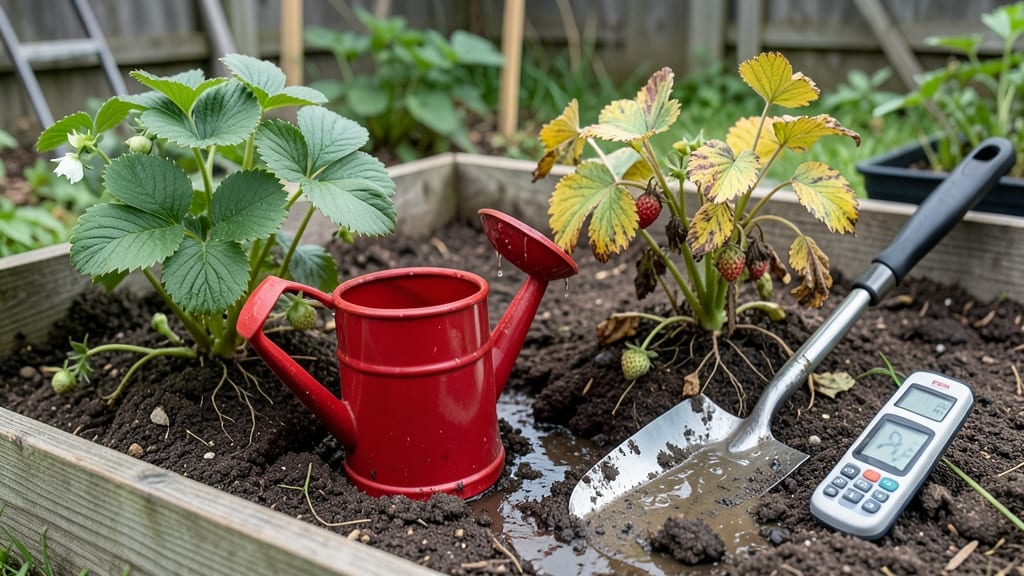
When the leaf of overwatered strawberries turns yellow and floppy overnight, you’ve got a fix that’s faster than you think. The soggy soil, fungal spots, or wilting canes you’re seeing?
That’s root rot screaming for help, and the good news is you can turn things around in 24 hours with the right moves. My plants went from sad to snappy within a day after I stopped guessing and started measuring.
First, stop watering completely for 48 hours—yes, even if the soil feels dry. Strawberries hate wet feet, and root rot thrives in standing water. While you wait, check your containers or beds: if water pools after 30 minutes, you need better drainage.
Raised beds or containers with holes solve this instantly, and mulch helps too—just keep it 2 inches away from the crown to prevent rot.
Once the soil’s dry, give your plants a deep drink—not a sip, but enough to moisten the roots. You’ll see the difference in hours: leaves perk up, and new growth starts within days.
The key is consistency: water deeply 2-3 times a week (less in rain) and always in the morning so foliage dries fast. No more guesswork, just healthy plants.
Prevention is simple: test your soil with a finger—if the top 2 inches are damp, wait. And if you’re growing in containers, upgrade to pots with drainage holes—it’s the single biggest upgrade for strawberries. Trust me, your berries will thank you come harvest season.
What Triggers Leaf Damage in Strawberries
Overwatering strawberries may seem like a harmless act of care, but it can quickly turn into a recipe for disaster—especially when it comes to leaf health.
Let’s break down the real culprits behind leaf damage caused by excess water, so you can spot the warning signs and fix the problem before it spreads.
Strawberries thrive in well-draining soil, but when water pools around their roots, it creates a suffocation effect. Here’s why it happens:
- Root Asphyxiation: Strawberry roots need oxygen to breathe. When soil stays soggy, oxygen levels drop, and roots suffocate.
This triggers a stress response in the plant, causing leaves to yellow, wilt, or develop brown edges. - Fungal Feasts: Excess moisture creates the perfect breeding ground for fungal pathogens like Botrytis cinerea (gray mold) or Phytophthora (root rot).
These fungi cling to damp leaves, blocking nutrient uptake and leading to leaf discoloration and necrosis. - Nutrient Lockout: Overwatered soil washes away essential nutrients like nitrogen, potassium, and magnesium. Without these, leaves lose their vibrant green hue and develop interveinal chlorosis (yellowing between veins).
💡 Pro Tip: Test your soil’s drainage by digging a hole, filling it with water, and timing how long it takes to drain. If it takes longer than 2 hours, your soil is too compacted—amend it with perlite or coarse sand.
When leaves stay wet for extended periods, fungal spores get their chance to strike. Here’s how overwatering paves the way:
- **Gray Mold (Botrytis cinerea): Thrives in high humidity and poor airflow. Overwatered plants develop soft, grayish-brown spots on leaves, which eventually turn mushy.
This fungus spreads rapidly in damp conditions, leading to leaf blight. - Leaf Spot Diseases**: Pathogens like Colletotrichum or Ramularia exploit wet foliage to infect strawberries.
Infected leaves show target-like spots (dark centers with lighter halos) or irregular brown patches. - **Root Rot (Phytophthora): While it attacks roots first, its symptoms show up in the leaves—wilting, yellowing, and a mushy, foul-smelling base. This is often fatal if ignored.
⚠️ Warning Sign: If leaves feel slimy or have a musty smell, fungal infection is likely the culprit. Prune affected leaves immediately and avoid overhead watering to prevent spread.
Strawberries are sensitive to temperature fluctuations, and overwatering can amplify heat or cold stress:
- Nighttime Chill: Overwatered soil retains cold longer, shocking roots and leaves. This causes cold damage symptoms, like purple-tinged leaves or crispy edges. - Heat Stress: In hot climates, excess water evaporates too quickly, creating a mini greenhouse effect around the plant.
Leaves may curl, scorch, or develop white/yellow patches from sunburn. - Osmotic Imbalance: Overwatered roots struggle to absorb nutrients efficiently. This leads to waterlogged cells, causing leaves to droop or develop a glassy, translucent appearance.
🌡️ Quick Fix: If your strawberries are in a hot or cold climate, adjust watering to early morning (6–9 AM) to let foliage dry before evening temps drop.
Strawberries need room to breathe, both above and below ground. Overwatering worsens root crowding by:
- Stunting Root Growth: When roots sit in water, they stop expanding and become dense and tangled.
This limits nutrient absorption, leading to weak, yellowing leaves. - Competition for Resources: Overcrowded plants compete for water and nutrients, causing some leaves to wilting or turn purple (a sign of phosphorus deficiency). - Weak Structural Support: Roots that can’t spread properly struggle to anchor the plant, making leaves floppy or prone to breaking.
🔨 Solution: Thin out strawberry plants so they’re 12–18 inches apart. This improves airflow and reduces the risk of fungal spread.
Ironically, overwatering can dilute or leach away vital nutrients, leading to deficiencies:
| Nutrient Deficiency | Leaf Symptoms | Cause |
|---|---|---|
| Nitrogen (N) | Pale yellow leaves (older first) | Excess water flushes out nitrogen. |
| Potassium (K) | Brown, dead edges (scorching) | Waterlogged soil prevents K uptake. |
| Magnesium (Mg) | Yellow patches between veins | Overwatering reduces Mg availability. |
| Calcium (Ca) | Crinkled, distorted new leaves | Poor root absorption in wet soil. |
📊 Test Your Soil: Use a DIY soil test kit to check pH and nutrient levels. Strawberries prefer slightly acidic soil (pH 5.5–6.5)—amend with sulfur if too alkaline.
Excess moisture doesn’t just harm leaves—it invites pests that feed on weakened plants:
- Slugs & Snails: Thrive in damp conditions and chew ragged holes in strawberry leaves.
- Aphids & Spider Mites: Overwatered plants are stressed and sticky (from honeydew), making them prime targets.
- Thrips: Love moist leaves and scratch the surface, causing silver streaks or deformed growth.
🕷️ Pest Control: Set up beer traps for slugs or spray leaves with neem oil to deter soft-bodied pests.
Overwatering isn’t just about too much water—it’s a domino effect of poor drainage, fungal growth, nutrient loss, and pest infestations. The key is balance: water deeply but infrequently, ensure proper drainage, and monitor leaf health for early signs of stress.
Now that you know the real culprits, you’re ready to revive those wilted strawberries—stay tuned for the 24-hour rescue plan**!
Revive Your Strawberries Fast
Overwatered strawberries can feel like a gardening disaster, but don’t toss those wilted plants just yet! With the right steps, you can nurse them back to health in 24 hours or less—and even prevent future soggy soil struggles.
Below, we’ve mapped out practical fixes for common causes of overwatering, along with prevention tips to keep your berries thriving.
Cause: Saturated soil suffocates roots, cutting off oxygen and leading to yellowing or drooping leaves.
Fix It:
- Pause Watering Immediately 🛑
- Stop adding water until the soil dries out. Overwatering is often a habit, not a one-time mistake.
- Improve Drainage 🏗️ - For Containers: Add a layer of gravel or perlite at the bottom before repotting. Ensure pots have drainage holes. - For Ground Plantings: Amend the soil with compost or sand to loosen compacted earth.
A mix of 50% native soil + 50% perlite/vermiculite works wonders.
- Lift and Air Out Roots 🌬️ - Gently remove the plant from its pot or loosen the top 2 inches of soil. - Fluff the roots with your fingers to break up waterlogged clumps.
Let it sit in a shady spot for 1–2 hours to dry slightly before replanting.
- Water Only When Needed 💧 - Test soil moisture by sticking your finger 1 inch deep—if it’s damp, wait.
Strawberries prefer slightly dry soil between waterings. - Water deeply but infrequently: Aim for 1 inch of water per week (including rainfall), delivered in morning sessions to reduce evaporation.
💡 Pro Tip: Use a moisture meter or a stick of uncooked spaghetti (bury it—when it feels dry, it’s time to water!) to track soil moisture accurately.
Cause: Chronic overwatering leads to fungal root rot, turning roots black and mushy. Leaves may curl or develop brown spots.
Fix It:
- Trim the Damage ✂️
- Remove the plant and rinse roots gently under lukewarm water.
- Snip off black, mushy roots with sterilized scissors. Keep only firm, white roots.
- Fungicide Treatment 🛡️
- Soak roots in a 1:10 hydrogen peroxide (3%) to water solution for 10 minutes to kill fungi.
- Alternatively, use a natural fungicide like neem oil (1 tsp per gallon of water) or copper fungicide as directed.
- Repot in Fresh Soil 🏺
- Use a well-draining potting mix (avoid garden soil—it compacts).
- Plant at the same depth as before and water lightly only after replanting.
- Adjust Watering Routine ⏰
- Water only when the top 1–2 inches of soil are dry.
- Avoid overhead watering—use a drip irrigation system or soaker hose to deliver water at the base.
🔥 Warning: If more than 50% of roots are rotten, the plant may not recover. Consider propagating from healthy runners instead.
Cause: Overwatering flushes away nutrients like nitrogen and potassium, causing yellowing leaves even if roots are salvageable.
Fix It:
- Fertilize Gently 🌿
- Use a balanced, water-soluble fertilizer (e.g., 10-10-10) diluted to half strength.
- Best time to feed: Early morning after a light watering.
- Boost with Organic Amendments 🥬
- Mix compost or worm castings into the soil to replenish nutrients naturally.
- A banana peel tea (steep peels in water for 2 days) provides potassium, while crushed eggshells add calcium.
- Prune for Airflow 🌬️
- Trim crowded or yellow leaves to improve air circulation and reduce stress on the plant.
🌡️ Pro Tip: If leaves are yellow with brown edges, it’s a potassium deficiency. Try a Epsom salt soak (1 tbsp per gallon of water) for magnesium support.
- Upgrade Your Containers 🏺
- Switch to terracotta pots (they wick away moisture) or fabric grow bags for better airflow.
- Mulch Like a Pro 🌿
- Apply 2–3 inches of straw or pine needles around plants to retain moisture without suffocating roots.
- Monitor Weather ☔
- Cover plants during heavy rain with a breathable cloth to prevent waterlogging.
- Move containers to a sheltered spot if rain is forecasted.
- Group Plants Strategically 🌱
- Avoid planting strawberries in low-lying areas where water pools.
- Elevate containers on pot feet or bricks to improve drainage.
- Use the Finger Test 👆
- Before watering, stick your finger 1 inch into the soil. If it’s damp, wait another day.
✨ Final Thought: Overwatered strawberries can bounce back faster than you think—just act quickly and adjust your habits. With these fixes, your plants should perk up in 24–48 hours, and you’ll be harvesting juicy berries in no time! 🍓💚
Frequently asked questions
Why do strawberry leaves turn yellow when overwatered?
Overwatering creates root asphyxiation by cutting off oxygen, which triggers nutrient deficiencies. The most common symptoms are interveinal chlorosis (yellowing between veins) from magnesium loss and general yellowing when nitrogen gets flushed away. Fungal infections like gray mold also thrive in damp conditions, causing brown spots that eventually turn yellow.
Can I save my strawberry plants if the leaves are already mushy?
Yes, but act fast! First, prune all mushy leaves with sterilized scissors. Then treat the roots with a 1:10 hydrogen peroxide solution for 10 minutes to kill fungi. Repot in fresh, well-draining soil and avoid watering for 48 hours. If roots are black and slimy, the plant may not recover—consider propagating from healthy runners instead.
How often should I water strawberries to prevent overwatering?
Strawberries prefer deep but infrequent watering. Aim for 1 inch of water per week (including rainfall), delivered in morning sessions. Use the finger test: stick your finger 1 inch deep—if the soil feels damp, wait another day. Containers need more frequent checks since they dry out faster than ground plantings.
What’s the best way to improve drainage for strawberries?
For containers, add a 2-inch layer of gravel or perlite at the bottom before repotting. For ground plantings, amend the soil with 50% compost and 50% perlite/vermiculite. Elevate containers on pot feet or bricks to prevent water pooling. Mulch with straw or pine needles (keep 2 inches away from the crown) to retain moisture without suffocating roots.
Will my strawberries still produce fruit if leaves are damaged?
Yes, but focus on reviving the roots first. Healthy roots can still support fruit production even if some leaves are damaged. Prune only the worst-affected leaves to improve airflow, and fertilize gently with a balanced 10-10-10 solution to replenish nutrients. Avoid heavy pruning—keep enough foliage to photosynthesize and feed the plant.