
Flowers
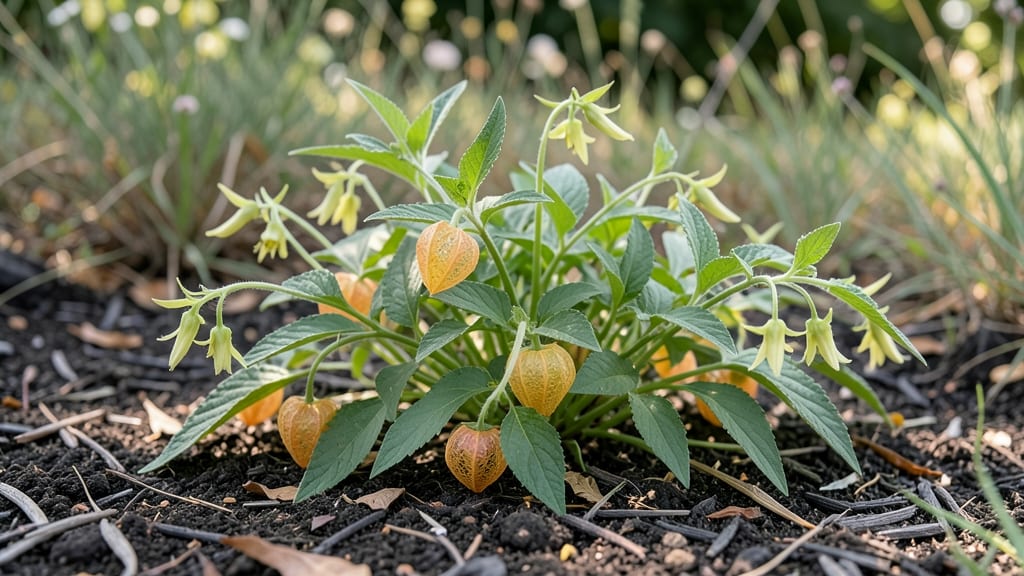
Lanceleaf ground cherry (Physalis lanceolata) turns your sunny garden corners into a treasure trove of golden lanterns hiding sweet-tart berries. I fell for this plant after seeing its delicate paper lanterns swaying in the breeze—each one hiding a fruit that tastes like a cross between tomato and pineapple.
The best part? It thrives in poor soil, spreads effortlessly, and doubles as both edible crop and ornamental showstopper.
You’ll need a spot with full sun to partial shade (at least 6 hours of sunlight daily) and well-draining soil—this plant hates soggy roots. Plant seeds directly in spring after the last frost, about ¼ inch deep, or transplant young seedlings with 18-24 inches between plants.
The key is patience: germination takes 2-3 weeks, but once established, it grows like a weed—just how you want it.
Water consistently but avoid drowning the roots—1 inch per week is ideal, more in extreme heat. Mulch around the base to retain moisture and deter weeds. By midsummer, you’ll see those iconic yellow-orange lanterns forming, each hiding a ½-inch berry that’s perfect for snacking, baking, or jams.
The flavor is mild but addictive, with a hint of citrus and earthy sweetness.
Watch for aphids and spider mites, which occasionally target the tender leaves. A strong spray of water usually does the trick, or introduce ladybugs for natural pest control. Harvest begins in late summer to early fall, and the more you pick, the more the plant produces.
Save some berries to dry—they’ll keep for months in a cool, dark place.
📚 In This Guide
- What you need
- Instructions
- Tips and common mistakes
- Wrapping up and next steps
What you need
- ● Seeds: 5–10 lanceleaf ground cherry seeds (organic or heirloom preferred for best flavor).
- ● Growing Containers: 5–10-inch pots (or a raised bed if planting directly in the ground). Ensure they have drainage holes!
- ● Well-draining Potting Mix: 3–5 gallons (use a blend of compost, perlite, and coconut coir for aeration).
- ● Sunny Location: A spot with 6+ hours of direct sunlight daily (full sun is ideal!).
- ● Watering Can or Hose: With a gentle spray nozzle for even moisture.
- ● Fertilizer: Balanced organic fertilizer (e.g., 5-5-5 or compost tea) for seedlings and mature plants.
- ○ Support (Optional but Helpful): Small stakes or cages to keep vines upright as they grow.
- ● Gloves: To protect hands while handling soil or prickly stems.
- ● Pruning Shears: For trimming dead leaves or shaping plants.
- ● Mulch: Straw or shredded leaves to retain moisture and suppress weeds.
- ● pH Test Kit: To ensure soil pH is 6.0–7.0 (slightly acidic to neutral).
- ● Row Covers: Lightweight fabric to protect seedlings from pests or late frosts.
- ● Harvesting Basket: For plucking those adorable (and delicious!) paper lanterns!
Step-by-step instructions for cultivating lanceleaf ground cherry
Here’s how to coax these sun-loving berries from seed to harvest with minimal fuss.
Select and Prepare the Planting Site
Lanceleaf ground cherries thrive in full sun—choose a spot receiving at least 6-8 hours of direct light daily. The soil should drain freely but retain moisture, so amend heavy clay with 2-3 inches of compost or well-rotted manure. Avoid soggy areas; these plants hate wet feet. I like to test drainage by digging a hole, filling it with water, and waiting—if it drains within an hour, it’s perfect.
Work the soil to a depth of 12 inches, loosening roots without creating a compacted layer. A light raking afterward removes clumps and creates a fine seedbed. If your soil is sandy, mix in a 1-inch layer of peat moss to improve moisture retention. The goal is loose, crumbly soil that invites roots to explore.
Plant Seeds at the Right Depth and Spacing
Sow seeds ¼ inch deep in early spring, after the last frost date, when soil temperatures reach 60°F or warmer. Lanceleaf ground cherries germinate best in warmth, so avoid cold, damp soil. Space seeds 18 inches apart—they’ll spread, but crowding invites disease. I like to plant in rows 2 feet apart for easy access and airflow.
Water gently after planting to settle the soil around seeds, but avoid soaking. Overwatering at this stage can cause seeds to rot before they sprout. Instead, keep the soil evenly moist (like a wrung-out sponge) until germination, which typically takes 10-20 days. If your climate is dry, use a mulch layer of straw to retain moisture and suppress weeds.
Provide Consistent Care Through Growth
Once seedlings emerge, thin to the strongest plant per 18-inch spacing—this prevents competition and ensures robust growth. Lanceleaf ground cherries need regular watering, especially during fruit development. Water deeply once a week (or more in extreme heat) to encourage deep roots. You’ll know moisture is right when the top 2 inches of soil feel dry but not powdery.
Fertilize lightly in early summer with a balanced 10-10-10 formula—too much nitrogen promotes leafy growth at the expense of fruit. I avoid high-nitrogen feeds; these plants reward restraint with sweet, abundant berries. Watch for yellowing leaves, which often signal overwatering or nutrient imbalance. Adjust care accordingly.
Train Vines and Prepare for Harvest
As vines sprawl, guide them onto trellises or cages to save space and improve air circulation. Lanceleaf ground cherries climb naturally, but support prevents breakage during storms. Prune leggy growth in early summer to redirect energy into fruit production. Remove only the most aggressive runners—never cut more than 20% of the plant at once.
Harvest begins in late summer, when the papery husks turn golden and dry. Gently twist the husk to release the tomato-like berries inside. They ripen unevenly, so check plants every 2-3 days. Store unwashed berries in a cool, dark place for up to 2 weeks—their flavor intensifies as they ripen further off the vine.
Tips & tricks for cultivating lanceleaf ground cherries
These sun-loving berries reward patience with a bountiful harvest—here’s how to set them up for success from the start.
Site Selection: Lanceleaf ground cherries demand their full 6-8 hours of sunlight daily, but don’t overlook the soil’s hidden role. Beyond the basic drainage test, I always dig a small trench around the planting area to create a subtle moisture barrier during summer droughts. This prevents roots from drying out while still allowing excess water to drain—critical when you’re watering deeply once a week during fruit development. The 12-inch soil depth we work to isn’t just about roots; it’s about creating a loose, aerated zone where roots can explore without hitting compacted layers.
Germination Timing: Waiting for soil temperatures to reach 60°F isn’t just about warmth—it’s about avoiding the damp, cool conditions that trigger seed rot. I’ve learned this the hard way after losing entire batches in spring. Use a soil thermometer for precision, especially in cooler climates. The 10-20 day germination window can feel like an eternity, but resist the urge to water heavily during this period. Instead, use that mulch layer of straw we mentioned earlier—it’ll maintain even moisture while preventing crusting that blocks oxygen to emerging seedlings.
Pruning Strategy: When it comes to pruning those leggy vines in early summer, think quality over quantity. I focus on removing only the most aggressive runners—never more than 20% of the plant at once. This might seem counterintuitive when you’re staring at a jungle of growth, but aggressive pruning stresses the plant and can actually reduce fruit production. The key is redirecting energy to where it matters: those developing berries. And remember, the goal is to maintain airflow, not create a bare skeleton—leave plenty of foliage to support photosynthesis.
Harvesting Technique: Those golden husks signal ripeness, but the real test is the gentle twist that releases the berries. I’ve found that harvesting every 2-3 days prevents overripe berries from falling to the ground, where they’ll quickly spoil. Store them in a single layer on a tray in the fridge for up to 2 weeks—they won’t ripen further, but their flavor will continue developing. Pro tip: The berries inside should feel firm but yield slightly to gentle pressure, like a perfectly ripe tomato.
Pro Tips for Lanceleaf Ground Cherry
- These sun-loving berries reward patience with a bountiful harvest—here’s how to set them up for success from the start.
- Site Selection: Lanceleaf ground cherries demand their full 6-8 hours of sunlight daily, but don’t overlook the soil’s hidden role.
- Germination Timing: Waiting for soil temperatures to reach 60°F isn’t just about warmth—it’s about avoiding the damp, cool conditions that trigger seed rot.
Frequently asked questions
Got questions about growing and enjoying lanceleaf ground cherry? You’re not alone! Here are some of the most common queries—plus quick, practical answers to help you grow like a pro.
What’s the best climate for lanceleaf ground cherry?
This tropical beauty thrives in USDA Zones 9-11 but can be grown as an annual in cooler climates (Zones 7-8) with frost protection. It loves warmth (70–90°F) and humidity, so if you’re in a dry area, mimic its native habitat with mulch and regular watering. Learn more about hardiness.
How long does it take to harvest lanceleaf ground cherries?
From seed to harvest, expect 3–5 months in ideal conditions. Start seeds indoors 8–10 weeks before your last frost, then transplant after soil warms. With consistent care, you’ll see tiny orange lanterns (the fruit!) forming 60–90 days after transplanting. Patience pays off—these gems are worth the wait!
Can I eat lanceleaf ground cherries raw, or do I need to cook them?
Yes! Unlike their Physalis peruviana cousins, lanceleaf ground cherries (Physalis angulata) are edible raw and packed with a tart, tangy flavor (think a cross between tomato and citrus). For a sweeter taste, lightly cook them into sauces, jams, or stir-fries. Pro tip: Remove the paper-like husk before eating—it’s inedible but protects the fruit beautifully.
What pests or diseases should I watch for?
Common issues include:
- Aphids or whiteflies: Spray with soapy water or introduce ladybugs.
- Powdery mildew: Improve airflow and avoid overhead watering.
- Fruit rot: Harvest promptly and ensure well-draining soil.
Are there good alternatives if lanceleaf ground cherries don’t grow well for me?
Try these easy-to-grow, flavorful alternatives:
- Cape gooseberry (Physalis peruviana): Sweeter, larger fruit; great for desserts.
- Tomatillos: Tart and versatile for salsas.
- Goldenberry (Physalis ixocarpa): A tropical favorite with a unique, jammy taste.
- Cherry tomatoes: If you love the cherry-sized vibe but want a milder flavor.
Wrapping up and next steps
Growing lanceleaf ground cherry is a rewarding journey that brings vibrant color, unique flavor, and a touch of whimsy to your garden! 🌱 With the right sunny spot, well-draining soil, and a little patience, you’ll soon be harvesting those golden, lantern-like fruits packed with tangy-sweet goodness.
Whether you’re a seasoned gardener or a beginner, this plant offers a fun challenge and delicious payoff.
Ready to take the next step? Start small—plant a few seeds or seedlings this season and watch your garden transform! Share your progress with fellow plant lovers or experiment with recipes to enjoy your harvest. Happy growing! 🌟