Leaf Blower
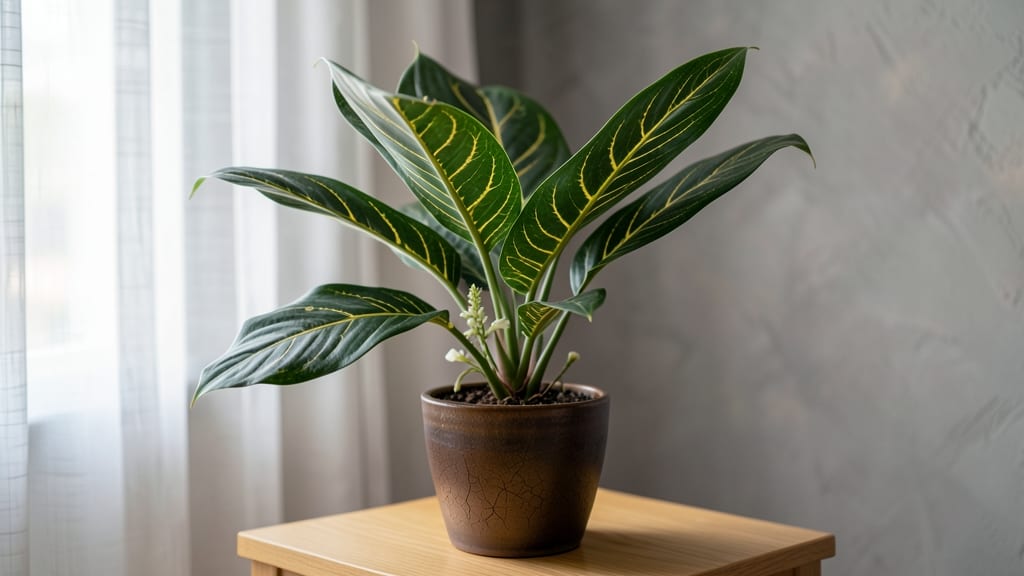
Growing a banana leaf palm means bringing a slice of the tropics to your yard—even if you live in a cooler climate. 🌿 My first one started as a 5-gallon pot plant that now towers over my patio, its massive leaves rustling dramatically in the slightest breeze.
The key isn't just heat tolerance; it's understanding how to mimic its natural habitat in your own space.
These palms thrive in partial shade to full sun, handle temperatures down to 20°F, and grow just as well in containers as they do in the ground. The secret to their success?
Well-draining soil rich in organic matter—think 50% potting mix, 30% perlite, and 20% compost—and regular watering that keeps roots moist but never soggy. Prune dead fronds in early spring, and you'll see fresh, vibrant growth within weeks.
📚 In This Guide
- What you need
- Instructions
- Tips and common mistakes
- Wrapping up and next steps
What you need
- ● Banana Leaf Palm Plant: 1 healthy sapling (3–6 feet tall, depending on preference). Choose from nurseries specializing in tropical plants.
- ● Well-Draining Soil: For containers: 5–10 gallons of a mix of 50% peat moss or coconut coir, 30% perlite or pumice, and 20% compost.
- ● For ground planting: Amend native soil with 3–4 inches of compost and a handful of sand or perlite to improve drainage.
- ○ Container (Optional but Recommended for Small Spaces): 1 large pot (18–24 inches in diameter) with drainage holes.
- ● Grow bag (alternative for flexibility, 3+ feet deep).
- ● Fertilizer: Balanced slow-release fertilizer (10-10-10 or 20-20-20), 1–2 tablespoons per planting hole.
- ● Organic option: Fish emulsion or worm castings (1 cup mixed into soil).
- ● Mulch: 2–3 inches of pine bark or shredded leaves to retain moisture.
- ○ Support Stake (Optional): 1 bamboo or metal stake (4–6 feet tall) to stabilize young plants in windy areas.
- ● Trowel or small shovel for planting.
- ● Garden gloves (to protect your hands from soil and sharp edges).
- ● Watering can or hose with a gentle spray nozzle.
- ● Measuring tape (to ensure proper spacing if planting multiple palms).
- ● Pruners (for trimming dead fronds, if needed).
- ● Sunlight: A spot with full sun (6+ hours/day) or partial shade (4–6 hours) in hot climates.
- ● Climate: Thrives in USDA Zones 10–12; container-growing extends options to cooler zones.
- ● Water Access: Ready to water deeply 2–3 times per week (more in extreme heat).
- ● Patience: Banana leaf palms grow 1–2 feet per year—enjoy the journey!
How to grow a thriving banana leaf palm
Here's how to nurture this stunning tropical plant—whether you're growing it in a pot or planting it in the ground.
🪴 Step 1: Choose the Right Location and Container
Banana leaf palms love warmth and humidity, so pick a spot that gets bright, indirect light—think dappled sunlight or a shaded patio. If you're planting in the ground, choose a sheltered area where temperatures stay above 50°F year-round. For containers, use a pot that's at least 12 inches wide with drainage holes to prevent root rot.
I like to place my palm near an east-facing window or under a sheer curtain if outdoors—direct midday sun can scorch the delicate fronds. If you notice the leaves turning yellow or crispy, it's a sign the light is too harsh. The ideal spot feels warm to the touch but doesn't bake in the sun.
🌱 Step 2: Prepare the Soil for Healthy Growth
Use a well-draining potting mix that mimics the palm's natural tropical environment. A blend of peat moss, perlite, and compost works well, or you can buy a pre-mixed palm or tropical plant soil. Avoid heavy garden soil—it compacts easily and suffocates roots. For ground planting, amend the soil with 3-4 inches of organic matter like compost or leaf mold to improve drainage.
Before planting, loosen the soil to a depth of 12 inches to encourage root spread. If your soil drains poorly, mix in sand or coconut coir to create air pockets. The soil should feel slightly damp but not soggy—like a wrung-out sponge. This prevents waterlogging, which can lead to root rot.
💧 Step 3: Plant and Water for Strong Establishment
Dig a hole that's only slightly larger than the palm's root ball to avoid burying the crown too deeply. If you're repotting, gently remove the plant from its current container and tease out any tangled roots. Place the palm in the hole, ensuring the top of the root ball sits ½ inch below the soil line—this prevents stem rot.
Water thoroughly after planting to settle the soil around the roots. Use lukewarm water to avoid shocking the plant, and let excess water drain completely. After the first week, water when the top 2 inches of soil feel dry. Overwatering is the biggest killer of banana leaf palms—yellowing leaves or mushy stems are red flags.
☀️ Step 4: Maintain Ideal Conditions for Lush Growth
Keep the humidity high by misting the leaves weekly or placing the pot on a tray of pebbles filled with water. If your home is dry, a small humidifier nearby helps mimic the palm's tropical habitat. Fertilize every 4-6 weeks during the growing season with a balanced liquid fertilizer diluted to half strength. I skip fertilizing in winter when growth slows.
Watch for brown tips on the leaves—this usually means the air is too dry. A quick fix is to wipe the leaves with a damp cloth to remove dust and improve their ability to absorb moisture. Rotate the pot occasionally so the palm grows evenly toward the light. If you see new fronds leaning in one direction, it's time to turn it!
✂️ Step 5: Prune and Care for Long-Term Health
Remove any yellow or brown fronds by cutting them at the base with clean, sharp pruners. This redirects the plant's energy to new growth. If a frond looks unhealthy but still green, wait to see if it recovers before pruning. Deadheading spent fronds also keeps the plant looking tidy and encourages fresh, vibrant growth.
In late winter or early spring, you can repot the palm if it's become root-bound. Choose a container that's only 2 inches larger in diameter—banana leaf palms prefer being slightly root-bound, which triggers flowering in mature plants. After repotting, hold off on fertilizing for 4-6 weeks to let the roots recover.
Tips & tricks for perfect banana leaf palm care
Real talk: These are the secrets that'll help your banana leaf palm thrive like a pro—whether you're a new plant parent or a seasoned gardener.
Lighting Secret: I've learned this the hard way after ruining three fronds—banana leaf palms absolutely hate direct midday sun. If you're using a sheer curtain outdoors, make sure it blocks at least 50% of UV rays. For indoor growers, an east-facing window is perfect, but watch for crispy edges as your first warning sign. The leaves should stay vibrant green, not yellow or brown.
Soil Strategy: Don't just grab any potting mix! The blend of peat moss, perlite, and compost mentioned in Step 2 is non-negotiable for proper drainage. Pro tip: Add a handful of orchid bark to your mix—it helps prevent compaction over time. When testing your soil's moisture level, stick your finger in about 2 inches deep; it should feel like a wrung-out sponge, not a soggy washcloth.
Watering Wisdom: The "top 2 inches dry" rule from Step 3 is critical, but here's what nobody tells you—always water at the base, never from above. This prevents fungal issues on the fronds. I use a moisture meter near the roots to double-check, especially in winter when growth slows. If your palm's leaves start drooping but the soil feels dry, it's already too late—you've underwatered. Better to check daily during hot months.
Humidity Hack: That weekly misting in Step 4 works, but here's my game-changer: Place your palm on a bed of pebbles with water underneath the pot (not touching the bottom). This creates a natural humid microclimate. For extra dry homes, I run a humidifier nearby during winter—it makes all the difference for those tropical leaves.
Pro Tips for Banana Leaf Palm
- Real talk: These are the secrets that'll help your banana leaf palm thrive like a pro—whether you're a new plant pare...
- Lighting Secret: I've learned this the hard way after ruining three fronds—banana leaf palms absolutely hate direct m...
- Soil Strategy: Don't just grab any potting mix! The blend of peat moss, perlite, and compost mentioned in Step 2 is n...
Frequently asked questions
Got questions about growing or caring for your Banana Leaf Palm (Musella lasiocarpa)?
Here are some of the most common ones—plus quick, practical answers to keep your plant thriving!
How fast does a Banana Leaf Palm grow?
A Banana Leaf Palm grows at a moderate pace—expect about 12–24 inches per year under ideal conditions. In containers, growth may slow slightly, but it still reaches 6–10 feet tall with proper care. Patience pays off—this tropical beauty isn’t a fast-track plant, but it’s worth the wait!
How often should I water my Banana Leaf Palm?
Keep the soil consistently moist but not soggy. Water when the top 1–2 inches of soil feel dry (about once a week, more in heat or dry climates). Overwatering is the biggest risk—Banana Leaf Palms hate wet feet! Ensure pots have drainage holes to prevent root rot.
Can I grow a Banana Leaf Palm indoors?
Yes! This palm thrives indoors with bright, indirect light (like near an east or south-facing window). Avoid harsh direct sun, which can scorch its leaves. If indoor air feels dry, mist the leaves occasionally or use a humidifier. Just know it may grow slower indoors than outdoors.
Why are the leaves turning yellow or brown?
Yellowing leaves often signal overwatering or poor drainage, while brown tips usually mean low humidity or fluoride sensitivity (common in tap water). Try these fixes:
- Check soil moisture—let it dry slightly between waterings.
- Use filtered or rainwater to avoid fluoride buildup.
- Increase humidity with a pebble tray or humidifier.
What’s the best alternative if I can’t find a Banana Leaf Palm?
If you love its bold, tropical look, try these similar palms:
- Kentia Palm (Howea forsteriana) – Hardy and elegant with arching fronds.
- Areca Palm (Dypsis lutescens) – Fast-growing and pet-friendly.
- Majesty Palm (Ravenea rivularis) – Larger, dramatic, and low-maintenance.
Wrapping up and next steps
The banana leaf palm is a stunning, low-maintenance tropical plant that brings lush greenery to any space—whether in containers or planted in the ground. With the right care, it thrives beautifully, adding texture and elegance to your garden or patio.
Now that you’re equipped with the essentials, why not take the next step and bring this tropical gem into your home? Grab your supplies, follow the guide, and enjoy the rewarding journey of nurturing this easy-to-grow beauty! 🌿✨