Vegetables
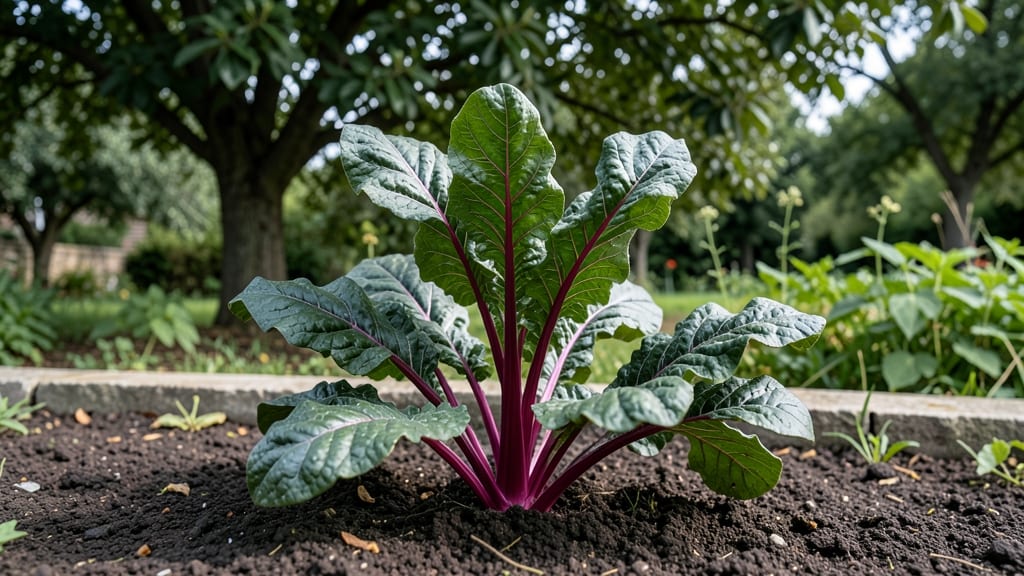
That deep red stalk with broad, crinkled green leafy vegetable isn’t just pretty—it’s Swiss chard, and growing it right means avoiding those ugly fungal spots that ruin harvests. 🌱 I’ve battled leaf spot on mine for years, and copper spray is the game-changer that finally worked.
The secret? Timing, concentration, and knowing when to stop. This guide covers everything from identifying your plants (yes, there’s more than one type!) to the exact copper spray mix that stops fungal spots before they start. We’re talking bold red stalks that stay crisp, not limp and spotted.
The key is matching your variety to sunlight, soil, and water—chard is forgiving, but it has rules. By the end, you’ll harvest tender, disease-free leaves all season long, with stalks so vibrant they’ll make your neighbors ask what you’re growing.
And no, you don’t need a greenhouse—just a few simple tools and the right technique. Whether you’re growing Bright Lights or Fordhook Giant, the same principles apply. Let’s get those plants thriving without the fungus!
Understanding Fungal Spot Triggers
Fungal spots on your red-stalked green leafy vegetable (like Swiss chard or beet greens) don’t appear by chance—they’re the result of specific environmental and biological factors. Below, we break down the key causes behind these pesky blemishes, so you can tackle them head-on with science-backed solutions.
---
Fungal spores thrive in damp, stagnant conditions, and your leafy greens are no exception. When humidity levels rise above 75-80%—especially at night—spores land on leaves and germinate. Poor airflow traps moisture, creating the perfect breeding ground.
Why it happens: - Fungal spores (like Alternaria or Cercospora) need free water to activate. Dew, overhead watering, or dense plantings create prolonged leaf wetness. - Stagnant air reduces evaporation, keeping leaves damp longer. - Nighttime condensation on leaves (common in greenhouses or plastic tunnels) accelerates spore growth.
Actionable fix: ✅ Space plants 12–18 inches apart to improve airflow. ✅ Water at soil level (use drip irrigation or soaker hoses) to avoid wetting foliage. ✅ Harvest regularly to prevent overcrowding and reduce humidity pockets.
---
Splashing water onto leaves isn’t just inefficient—it’s a fungal magnet. When water droplets linger, they create microclimates perfect for spore germination.
Why it happens: - Splashing spreads spores from soil or infected plants onto healthy leaves. - Wet leaves stay damp for hours, giving fungi time to colonize. - Morning watering (when dew is present) doubles the risk of prolonged moisture.
Actionable fix: ✅ Switch to drip irrigation or hand-water at the base. ✅ Water in the early morning (when leaves dry faster) instead of evening. ✅ Avoid overhead sprinklers—they’re a one-way ticket to fungal trouble.
---
Stressed or malnourished plants have thinner cell walls, making them easier targets for fungal invaders. Common culprits include nitrogen excess (soft, sappy growth) or deficiencies in calcium/magnesium (weak structural integrity).
Why it happens: - Too much nitrogen = rapid, weak growth = more entry points for fungi. - Calcium deficiency = cell walls weaken, making leaves vulnerable. - Over-fertilized soil disrupts beneficial microbial balance, allowing pathogens to dominate.
Actionable fix: ✅ Balance your fertilizer—aim for a low-nitrogen, high-potassium blend (e.g., 5-10-10) to strengthen defenses. ✅ Add compost or lime to boost calcium and magnesium. ✅ Mulch with straw to improve soil structure and reduce stress.
--- Sudden shifts—like hot days followed by cool, wet nights—create the ideal fungal feast. Warmth speeds up spore release, while moisture fuels their growth.
Why it happens: - Temperature swings (e.g., 80°F days → 60°F nights) trigger fungal spores to activate. - Rain or high humidity after a dry spell washes spores onto leaves. - Greenhouse or plastic-covered beds trap heat and moisture, accelerating outbreaks.
Actionable fix: ✅ Use row covers in early season to shield plants from rainborne spores. ✅ Ventilate greenhouses during the day to reduce humidity bups. ✅ Plant in raised beds for better drainage and airflow.
--- Fungal spores are everywhere—on tools, compost, and even old plant debris. If you’re not sanitizing properly, you’re essentially seeding your garden with pathogens.
Why it happens: - Dirty pruners or hoes transfer spores from infected plants to healthy ones. - Reusing compost with fungal residues reintroduces the problem. - Planting in the same spot year after year exhausts soil defenses.
Actionable fix: ✅ Sterilize tools with 70% rubbing alcohol or a 10% bleach solution between uses. ✅ Solarize soil (cover with clear plastic for 4–6 weeks) to kill fungal pathogens. ✅ Rotate crops—don’t plant leafy greens in the same spot for 3+ years.
--- Even with perfect growing conditions, preventive copper sprays create a protective barrier against spores. Without them, fungi get a free pass.
Why it happens: - Copper ions disrupt fungal cell membranes, stopping spore germination. - Organic sprays (like neem oil) smother spores but require frequent reapplication. - Skipping preventative sprays lets fungi establish before you notice.
Actionable fix: ✅ Apply copper fungicide (e.g., Bordeaux mixture or copper sulfate) every 7–14 days during high-risk periods (spring/fall). ✅ Rotate sprays (e.g., copper → neem oil → potassium bicarbonate) to prevent resistance. ✅ Start spraying at first sign of stress—don’t wait for spots to appear!
--- Final Note: Fungal spots are manageable when you address the root causes. By controlling humidity, improving airflow, and using proactive copper treatments, you’ll keep your red-stalked greens spot-free and thriving! 🌱💪
Fixing Fungal Spots on Leafy Greens
Now that you understand the causes behind those pesky fungal spots on your red-stalked leafy greens, let’s tackle them head-on with practical, step-by-step solutions.
Whether it’s powdery mildew, downy mildew, or leaf spot, these fixes will help you restore your plants to their vibrant best—while keeping prevention top of mind.
---
Before treating, confirm the issue to avoid wasting time or resources. Check for: - White powdery residue → Likely powdery mildew. - Yellow, oily spots → Could be downy mildew or leaf spot. - Black or brown spots with halos → Often Alternaria or Septoria leaf spot.
Action: 🌿 Remove severely infected leaves immediately and dispose of them in the trash (not compost). Isolate the plant if possible to prevent spread.
---
Copper-based fungicides are organic, effective, and safe for edible greens when used correctly. Here’s how to do it right:
1. Choose the Right Product - Look for copper hydroxide or copper sulfate sprays (e.g., Bonide Copper Fungicide, Garden Safe Copper Soap). - Avoid copper sulfate pentahydrate (blue vitriol) unless you’re experienced—it can burn plants if overused.
2. Mix and Apply Properly - Follow label instructions for dilution (typically 1–2 tbsp per gallon of water). - Best time to spray: Early morning or late afternoon (avoid midday sun, which can stress plants). - Coverage is key: Spray both sides of leaves and stems thoroughly.
Use a hose-end sprayer for large plants or a small pump sprayer for precision.
3. Reapply as Needed - Apply every 7–14 days during wet or humid conditions. - Stop spraying 1–2 weeks before harvest to meet organic standards.
⚠️ Pro Tip: 🌡️ If temperatures exceed 85°F (29°C), copper can become less effective. Pair it with baking soda spray (1 tsp baking soda + 1 tbsp oil + 1 quart water) for extra defense.
---
Fungal spores thrive in stagnant, damp conditions. Boost plant health with these tweaks:
- Space Plants Wider: Thin out crowded rows to allow 3–6 inches of airflow between plants. - Prune Strategically: Trim lower leaves touching the soil to reduce moisture buildup. - Water Wisely: - Water at the base (not overhead) to keep leaves dry. - Use drip irrigation or soaker hoses to minimize leaf wetness. - Avoid late-day watering—wet leaves overnight invite fungal growth.
---
A healthy plant fights off pests and diseases better. Strengthen your greens with:
| Nutrient Fix | How to Apply | Why It Helps | |-------------------------|------------------------------------------|------------------------------------------| | Potassium | Side-dress with greensand or use wood ash (sparingly). | Enhances disease resistance. | | Silica | Spray with liquid silica (or use rice hull tea). | Strengthens cell walls against pathogens. | | Compost Tea | Brew aerated compost tea and spray foliage. | Introduces beneficial microbes. |
💡 Pro Tip: 🎯 Neem oil (1 tsp per quart of water + drop of dish soap) can be a preventive spray—apply every 2 weeks during growing season to deter fungal spores.
---
Once your plants are back in shape, keep them thriving with these ongoing habits:
- Rotate Crops: Avoid planting leafy greens in the same spot yearly to break fungal cycles. - Solarize Soil: In hot climates, cover soil with clear plastic for 4–6 weeks to kill fungal spores before replanting. - Use Mulch: Apply straw or grass clippings to suppress weeds and reduce soil splatter on leaves. - Monitor Weather: Check local fungal alerts (many extension services offer forecasts).
Act fast during humid or rainy periods.
--- If your greens are heavily infected and copper spray isn’t enough: 1. Remove the entire plant (if it’s a small patch) and replace with a resistant variety (e.g., Swiss chard or kale tolerate fungus better).
2. Disinfect tools with rubbing alcohol between uses to avoid spreading spores. 3. Plant a sacrificial trap crop (like radishes) nearby to lure pests away from your greens.
--- By combining copper precision, smart hygiene, and plant care, you’ll send those fungal spots packing—for good. Your red-stalked leafy greens will bounce back stronger, and you’ll enjoy a bountiful, disease-free harvest! 🌱💪
Frequently asked questions
What are the most common red-stalked green leafy vegetables I can grow?
You’re likely thinking of Swiss chard (with its bright red, yellow, or pink stalks) or beet greens (which often develop red-tinged stems). Other options include rhubarb (though it’s technically a vegetable with edible stalks) and certain varieties of kale with red stems. Swiss chard is the most popular for its vibrant colors and versatility in cooking.
How do I tell if my red-stalked greens have fungal spots or just natural blemishes?
Fungal spots usually appear as dark brown or black marks with yellow halos, while natural blemishes are often small, irregular, and don’t spread. Check the underside of leaves—fungal spots often start there. If you see a powdery white residue, it’s likely powdery mildew. Always remove infected leaves immediately to prevent spread.
Can I still eat my red-stalked greens if they have a few small spots?
Yes, but only if the spots are small and isolated. Cut off the infected parts and cook the rest thoroughly—heat kills some fungal spores. Avoid eating greens with large, spreading spots or white powdery mildew, as these can be more harmful. When in doubt, compost the affected leaves (not in your garden) and harvest healthier ones.
What’s the best way to store harvested red-stalked greens to keep them fresh?
Store them in a perforated plastic bag in the crisper drawer of your fridge for up to 5–7 days. For longer storage, wrap stalks in a damp paper towel and place in a sealed container. Avoid washing until right before use—excess moisture speeds up spoilage. Swiss chard and beet greens hold up best when stored this way.
How often should I fertilize my red-stalked greens to prevent fungal issues?
Use a balanced, low-nitrogen fertilizer (like 5-10-10) every 4–6 weeks during the growing season. Over-fertilizing—especially with nitrogen—makes plants more susceptible to fungal diseases. Instead, focus on potassium-rich amendments (like wood ash) to boost disease resistance. Always water after fertilizing to prevent leaf burn.