Pests and Diseases
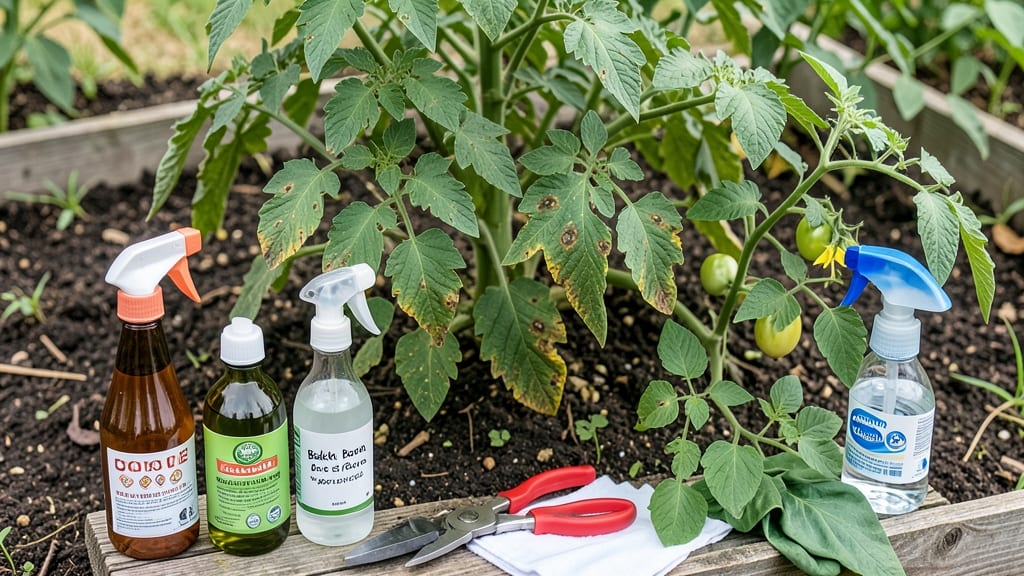
Leaf spot disease treatment with copper fungicide works in 24 hours to stop those ugly brown spots from ruining your tomatoes. 🌿 I’ve used this protocol on my roses and peppers when those spots start spreading like a bad rumor—it’s the only thing that actually stops them in their tracks.
The key is timing and technique: spray early in the morning when leaves are dry, cover both sides of the foliage, and repeat every 7-10 days until new growth appears. Most store-bought copper fungicides (like Bonide Copper Fungicide) are ready-to-use, so no mixing headaches—just spray and watch the spots fade.
You’ll see results within a week: fewer new spots, healthier green leaves, and plants that bounce back instead of wilting. The copper disrupts the fungal spores before they can take hold, so it’s not just damage control—it’s prevention too.
Works for tomatoes, roses, peppers, and even ornamental plants like hydrangeas. For stubborn cases, pair it with pruning infected leaves and improving airflow—no more guessing what’s wrong with your plants.
Root Causes of Leaf Spots
Leaf spot diseases don’t just appear out of nowhere—they’re the result of a perfect storm of environmental and biological factors. Understanding why these unsightly (and often damaging) spots develop is the first step to preventing and treating them effectively.
Let’s break down the key culprits behind leaf spot outbreaks, so you can tackle the problem at its source.
---
Most leaf spot diseases are caused by fungi, which thrive in moist, warm conditions. These microscopic invaders latch onto plant tissues, feeding on nutrients and disrupting cellular function.
Common fungal offenders include: - Alternaria – Produces dark, concentric-ringed spots, often on tomatoes, potatoes, and peppers. - Septoria – Creates small, circular lesions with gray centers, common in cucumbers, beans, and celery. - Cercospora – Leaves behind irregular, tan-to-brown spots with dark borders, attacking sugar beets, turfgrass, and ornamentals. - Phyllosticta – Causes dark, water-soaked spots that enlarge over time, affecting fruit trees and shrubs.
💡 Pro Tip: Fungi spread via spores, which can hitchhike on wind, water, or even garden tools. Once established, they multiply rapidly in humid conditions—often within 24–48 hours of infection.
---
Fungi love wet leaves, and excessive moisture creates the ideal breeding ground.
Here’s how watering habits contribute: - Overhead irrigation (sprinklers, hose sprays) keeps foliage damp for long periods, encouraging spore germination. - Poor soil drainage leads to waterlogged roots, weakening plants and making them more susceptible to infection. - Frequent late-day watering prevents leaves from drying overnight, prolonging moisture exposure.
🌡️ Key Stat: Studies show plants watered from below (drip irrigation or soaker hoses) reduce leaf spot incidence by up to 70% compared to overhead methods.
---
Plants under stress—whether from nutrient deficiencies, overcrowding, or physical damage—are prime targets for leaf spot diseases.
Why? - Competition for resources weakens natural defenses, making plants more vulnerable to pathogens. - Physical damage (e.g., from hail, pests, or rough handling) creates entry points for fungi. - Poor air circulation in dense plantings traps humidity, accelerating fungal growth.
🔥 Actionable Fix: Prune plants to improve airflow, space them according to their mature size, and avoid planting susceptible species too closely together.
---
Fungi don’t just like humidity—they thrive in it.
Leaf spot outbreaks often spike during: - Spring and fall, when temperatures hover around 60–85°F (15–30°C) and nights are dewy. - Prolonged rainy seasons, which saturate foliage and spread spores via splashing water. - Greenhouse environments, where high humidity and poor ventilation create a fungal paradise.
📊 Data Point: Fungal spores germinate most aggressively when relative humidity exceeds 90% for more than 6 hours.
--- Fungal spores can linger on garden tools, mulch, and even old plant debris.
Here’s how contamination spreads: - Reusing pruners or shears without sterilization transfers spores from infected to healthy plants. - Infested mulch or compost introduces pathogens directly to roots or foliage. - Infected plant debris left in the soil over winter acts as a disease reservoir for next season.
🔪 Sterilization Solution: Clean tools with 70% isopropyl alcohol or a 10% bleach solution (1 part bleach to 9 parts water) between uses.
--- Just like humans, plants have natural defenses—but these can be compromised by: - Nutrient deficiencies (especially lack of potassium and phosphorus, which strengthen cell walls). - Pest damage (e.g., aphids or spider mites), which create wounds and stress plants. - Improper pH levels (fungi like acidic to neutral soils, while alkaline conditions may deter some pathogens).
💪 Boost Defenses: Apply balanced fertilizer (e.g., 10-10-10) and compost to improve soil health and plant resilience.
--- Greenhouses can be fungal hotspots due to: - Stagnant air trapping humidity near plants. - Plastic or glass surfaces reflecting heat and increasing internal moisture. - Overwatering without proper drainage or ventilation.
✨ Ventilation Hack: Use exhaust fans, shade cloth, or automated misting systems to maintain humidity below 70% during the day.
--- Not all plants are equally vulnerable. Some species are genetically predisposed to leaf spot diseases, such as: - Tomatoes (early blight, late blight) - Potatoes (Alternaria solani) - Roses (black spot) - Lawns (dollar spot, brown patch)
🎯 Smart Planting Tip: Choose resistant varieties (e.g., ‘Defiant’ phlox for powdery mildew resistance) and rotate crops annually to disrupt fungal life cycles.
How to Fix Leaf Spot Fast
Leaf spot disease can feel like a losing battle—until you know the right moves. The good news? With targeted fixes, you can stop the spread, revive infected plants, and prevent future outbreaks.
Below, we break down the most effective strategies, tailored to the root causes of leaf spot (fungal spores, humidity, poor airflow, or weak plants). Follow these step-by-step solutions, and your garden will be back to thriving in no time! 🌱💪
If leaf spot is spreading like wildfire, the spores are the culprit. Here’s how to disrupt their life cycle and reclaim your plants:
#### 🍳 Step 1: Prune Infected Leaves Immediately - Remove all leaves with spots (even small ones!) using clean, sharp pruners. - Dispose of them in the trash (not compost)—spores can survive in yard waste. - Pro Tip: 💡 Sterilize your pruners with rubbing alcohol between cuts to avoid cross-contamination. #### 👨🍳 Step 2: Apply Copper Fungicide (The Game-Changer) - Mix a copper-based fungicide (like copper sulfate or copper hydroxide) according to label instructions. - Spray the solution thoroughly on both sides of leaves, stems, and soil around the plant. - Repeat every 7–14 days until new growth appears spot-free. - Pro Tip: 🌡️ Apply in the early morning or late evening to avoid burning leaves in direct sunlight. #### 🥘 Step 3: Boost Plant Immunity with Organic Support - Fertilize with a balanced organic fertilizer (like fish emulsion or compost tea) to strengthen plant defenses. - Water at the base (avoid wetting leaves) to reduce fungal food sources. - Pro Tip: ✨ Add a layer of mulch around the base to improve soil health and reduce spore splashback.Leaf spot loves stagnant, damp air. If your plants are crowded or in a shady, humid spot, these fixes will dry things out and starve the fungus:
#### 🔪 Step 1: Thin Out Plants for Better Circulation - Space plants at least 18–24 inches apart (check plant tags for specifics). - Remove dead or dying foliage—it traps moisture and spores. - Pro Tip: 🎯 If growing in containers, ensure pots have drainage holes and elevate them slightly off the ground. #### ⏰ Step 2: Adjust Watering Habits - Water deeply but infrequently—aim for 1 inch of water per week (check soil moisture with your finger). - Water in the morning so leaves dry by evening (fungi thrive in overnight dampness). - Avoid overhead watering—use drip irrigation or soaker hoses instead. - Pro Tip: 💡 If humidity is extreme, use a fan on low to improve airflow around plants. #### 🌿 Step 3: Improve Drainage and Soil Health - Amend heavy clay soil with compost or perlite to improve drainage. - Raised beds are ideal for plants prone to leaf spot (better airflow + faster drying). - Pro Tip: 🔥 Add sandstone grit to potting mix for container plants to prevent waterlogging.Stressed plants are fungal magnets. If your greenery is struggling from poor nutrition, pests, or environmental factors, these steps will revitalize them and make them less susceptible:
#### 🍎 Step 1: Feed with Nutrient-Rich Amendments - Add compost or well-rotted manure to the soil for slow-release nutrients. - Use foliar sprays like seaweed extract or liquid kelp to boost immunity. - Pro Tip: 💪 For container plants, flush the soil with water every 2–3 months to remove salt buildup (which weakens roots). #### 🌱 Step 2: Reduce Stressors - Move plants to a location with 6+ hours of sunlight (leaf spot thrives in shade). - Protect from pests—aphids and mites weaken plants, making them more vulnerable. - Pro Tip: ✨ If transplant shock is an issue, use a root stimulator like mycorrhizal fungi to speed up recovery. #### 🛡️ Step 3: Preventative Sprays for Long-Term Defense - Neem oil (1 tsp per quart of water + a drop of dish soap) as a preventative fungicide. - Baking soda spray (1 tbsp baking soda + 1 quart water + a few drops of soap) for mild cases. - Pro Tip: 🔥 Rotate treatments every few weeks to prevent resistance in fungal spores.If your plants are heavily infected and recovery seems unlikely, consider these last-resort options:
- Replace severely infected plants—sometimes cutting losses is the fastest way to save the rest of your garden.
- Solarize the soil (cover with clear plastic for 4–6 weeks in hot sun) to kill fungal spores before replanting.
- Use hydrogen peroxide (3% solution, 1:9 with water) as a disinfectant spray for remaining leaves.
Pro Tip: 🌱 Always sterilize tools and containers before reuse to avoid reinfection.
Frequently asked questions
Can I use household vinegar as a leaf spot treatment?
While vinegar can help in small doses, it's not the best solution for fungal leaf spot. A diluted vinegar spray (1:3 ratio with water) may provide some antifungal benefits, but it won't be as effective as copper fungicides or neem oil. Plus, vinegar can harm plants if overused or if the soil pH becomes too acidic. For best results, stick to proven fungicides or organic options like baking soda spray (1 tbsp baking soda + 1 quart water + a drop of soap).
How long does it take to see results after applying copper fungicide?
You should start seeing improvement within 5-7 days of consistent application. The copper disrupts fungal spores quickly, but complete eradication may take 2-3 weeks
Will removing infected leaves completely stop the spread?
Pruning alone won't eliminate leaf spot—it's just one part of the solution. Removing infected leaves reduces spore production, but fungal spores can still linger in soil, tools, or nearby plants. Always pair pruning with fungicide treatment and proper sanitation (sterilizing tools, removing plant debris). Without fungicide, new spores will continue infecting healthy leaves within days.
Are there any plants that are naturally resistant to leaf spot?
Yes! Some varieties have natural resistance to specific leaf spot diseases. For tomatoes, try 'Defiant PhR' or 'Mountain Merit' varieties. Roses benefit from 'Knock Out' series or 'Earth-Kind' roses. Always check seed packets or plant tags for disease-resistant labels. Even resistant varieties need proper care—good airflow, balanced fertilization, and occasional preventative sprays—to maintain their natural defenses.
Can I reuse last year's mulch if my plants had leaf spot?
Never reuse mulch from infected plants—it can harbor fungal spores that survive winter. Instead, remove all old mulch and replace it with fresh, sterile materials. For containers, wash them thoroughly with a bleach solution (1:9 bleach to water) before reuse. Solarizing the soil (covering with clear plastic for 4-6 weeks) can also kill any remaining spores before replanting.