
Pests and Diseases
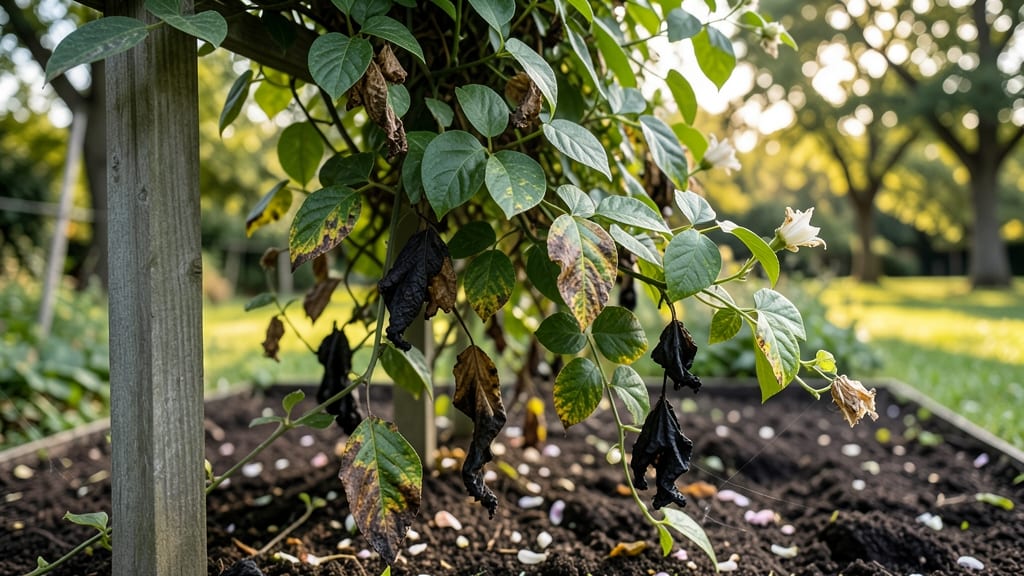
Jasmine plant leaf disease with white powdery spots or blackened leaves isn’t just unsightly—they’re a cry for help. 🌿 I’ve watched my own jasmine vines go from fragrant and full to struggling in just weeks, and the key to saving them lies in spotting the disease early.
Powdery mildew, bacterial leaf spot, or fungal infections can turn your climbing beauty into a leaf-littering mess if you ignore the warning signs.
Most of these diseases thrive in humid, shaded conditions—think late summer afternoons or poorly ventilated spaces. The good news? Copper spray, proper pruning, and spacing can stop the spread before it’s too late.
I’ve used a homemade copper fungicide that works in 7-10 days to revive plants others had given up on, and the secret is acting fast before the disease moves to the stems.
You’ll recognize the damage by its distinct patterns: powdery mildew looks like flour dusting the leaves, while bacterial spots appear as greasy, water-soaked marks that turn brown. Fungal infections often start with yellowing edges that crisp up like burnt paper.
The moment you see these, isolate the plant and start treatment—your jasmine’s recovery depends on it.
For stubborn cases or large infestations, don’t hesitate to call a local extension service. They’ve seen it all and can recommend targeted solutions before the disease spreads to your other plants.
With the right approach, your jasmine can bounce back stronger—and next season, you’ll spot the early signs before they become a full-blown crisis.
Understanding Root Causes
Jasmine plants, with their fragrant blooms and lush foliage, can quickly become a gardener’s pride—until leaf diseases strike. But why do these issues pop up in the first place? The answer often lies in a mix of environmental stress, pathogen activity, and cultural mismanagement.
Let’s break down the key culprits behind jasmine leaf diseases, so you can address them before they spread.
Fungi are the most common offenders when it comes to jasmine leaf diseases. These microscopic organisms thrive in warm, humid conditions—perfect for many garden varieties. Here’s how they exploit your plant:
- Excess Moisture: Jasmine leaves retain water for too long (especially in tight clusters), creating a damp microclimate that fungi like Alternaria or Septoria love. Overhead watering or poor air circulation worsens this.
- Weakened Defense: Stress from overwatering, nutrient deficiencies, or physical damage (like harsh pruning) makes leaves vulnerable to fungal spores already lurking in the soil or air.
- Pathogen Spread: Fungal spores hitchhike on tools, wind, or even splashing water. Once they land on a susceptible leaf, they germinate and penetrate the cuticle, leading to spots, blights, or leaf drop.
💡 Pro Tip: Fungi favor consistent humidity above 70%. Use a hygrometer to monitor levels and aim for 40–60% around your jasmine.
Pests don’t just eat jasmine leaves—they create entry points for diseases. Here’s how:
- Sap-Sucking Insects (Aphids, Whiteflies, Spider Mites): These pests inject toxins while feeding, weakening leaves and leaving them prone to secondary fungal or bacterial infections.
- Chewing Insects (Caterpillars, Japanese Beetles): Ragged edges or holes from these critters expose leaf tissue to bacterial invasion (like Erwinia) or fungal spores.
- Honeydew Buildup: Sticky residue from aphids feeds sooty mold fungi, which coat leaves in black, powdery growth—blocking sunlight and further stressing the plant.
🔥 Action Step: Inspect undersides of leaves weekly. A blast of neem oil or insecticidal soap can knock out pests before they trigger a disease outbreak.
Jasmine plants are resilient, but push them too far, and their leaves become disease magnets. Common environmental triggers include:
| Factor | How It Causes Disease | Fix It |
|---|---|---|
| Poor Airflow | Stagnant air traps moisture, encouraging powdery mildew or botrytis blight. | Prune for open spacing (3–4 feet between plants) and use fans in greenhouses. |
| Temperature Swings | Sudden cold (<50°F) or heat (>90°F) shocks the plant, making it susceptible to bacterial leaf spot. | Acclimate plants gradually and avoid late-season planting. |
| Contaminated Soil | Old soil may harbor pathogenic fungi (like Phytophthora) that attack roots, then spread to leaves. | Sterilize soil with baking soda (1 tbsp/gallon water) or replant in fresh, well-draining mix. |
✨ Expert Hack: Mulch properly—use straw or pine needles (not thick layers of wood chips), which can suffocate roots and trap moisture.
Even with ideal conditions, gardening habits can invite diseases. Common offenders:
- Overwatering: Jasmine roots rot in soggy soil, weakening the plant and inviting leaf spot fungi. Test soil moisture—stick your finger 2 inches deep; if damp, wait to water.
- Improper Pruning: Cutting too close to the stem or with dull tools creates wounds that bacteria (like Pseudomonas) exploit. Always use sterilized shears and cut at a 45° angle.
- Ignoring Leaf Debris: Dropped leaves or spent blooms harbor spores. Remove them weekly to break the disease cycle.
🎯 Prevention Tip: Rotate pruning tools between plants and disinfect with rubbing alcohol to avoid cross-contamination.
How to Fix Failing Jasmine Leaves
Revitalizing your jasmine plant starts with pinpointing the root cause of its leaf distress. Once you’ve identified the issue—whether it’s fungal infections, nutrient deficiencies, pests, or environmental stress—you can take targeted action.
Below are practical, step-by-step solutions tailored to each common problem, along with prevention tips to keep your jasmine thriving long-term.
---
Fungal diseases thrive in damp, humid conditions and can turn your jasmine’s vibrant leaves into a sad, spotted mess. Here’s how to stop the spread and restore health:
#### 🔥 Remove Infected Leaves Immediately - 👨🍳 Step 1: Snip off all yellow, brown, or powdery-coated leaves with sterilized pruning shears (wipe with rubbing alcohol between cuts). - ⏰ Time it right: Do this on a dry, sunny morning to allow the plant to dry quickly and discourage fungal growth. - 🗑️ Dispose properly: Bag the infected leaves and do not compost—burn or trash them to prevent reinfection.
#### 🌡️ Improve Airflow and Light - 💡 Pro Tip: Fungi love stagnant air. Space plants 12–18 inches apart and prune to encourage airflow. - ☀️ Boost sunlight: Move your jasmine to a spot with at least 6 hours of direct sunlight daily (most jasmines are sun-lovers). - 🌧️ Reduce overhead watering: Water at the base in the morning so leaves dry by evening.
#### ✨ Copper Spray Treatment (The Game-Changer) Copper-based fungicides are highly effective against powdery mildew, leaf spot, and rust. Here’s how to use it: 1. 🛒 Choose a product: Look for copper fungicide sprays (like Bordeaux mixture or copper sulfate-based sprays).
2. 🍳 Mix it right: Follow label instructions—typically 1–2 tbsp per gallon of water. 3. 🌿 Apply thoroughly: Spray both sides of leaves and stems until glistening wet. Repeat every 7–10 days for 2–3 weeks.
4. 🛡️ Safety first: Wear gloves and a mask—copper can irritate skin and lungs.
#### 🌱 Prevent Future Fungal Outbreaks - 💡 Rotate sprays: Alternate copper sprays with neem oil (1 tsp per quart of water) every other treatment. - 🌡️ Monitor humidity: Use a dehumidifier or fan near indoor jasmines in humid climates. - 🌱 Soil care: Ensure well-draining soil—fungi love soggy roots.
Amend with perlite or sand if needed.
---
Pests suck the life out of jasmine leaves, causing yellowing, stippling, or sticky residue (honeydew). Here’s how to evict them for good:
#### 🔪 Blast Pests Off with Water - 👨🍳 Step 1: Take your jasmine outside and give it a strong spray with water from a hose (use a gentle nozzle to avoid damaging leaves). - 🌿 Repeat daily: Do this for 3–5 days to dislodge eggs and adults.
#### 🌿 Neem Oil or Insecticidal Soap (The Natural Knockouts) - 💡 Pro Tip: Neem oil disrupts pests’ life cycles, while insecticidal soap suffocates them. - 🍳 Mix it: - Neem oil: 1 tbsp neem oil + 1 tsp mild soap + 1 quart water. - Insecticidal soap: Use a pre-mixed solution (like Safer Brand Insect Killing Soap). - 🌿 Spray at dusk: Apply to all leaf surfaces and repeat every 5–7 days until pests vanish.
#### 🕷️ Target Stubborn Infestations - 🕸️ For spider mites: Wipe leaves with a damp cloth dipped in rubbing alcohol (50% water, 50% alcohol)—test a small area first! - 🐛 For whiteflies: Place yellow sticky traps near the plant to catch adults.
#### 🛡️ Keep Pests Away Long-Term - 🌱 Introduce beneficial insects: Release ladybugs or lacewings (available at garden centers) to prey on aphids. - 🌿 Regular inspections: Check undersides of leaves weekly—early detection = easier fixes! - 🌱 Healthy soil = strong plants: Feed with balanced fertilizer (10-10-10) every 6–8 weeks to boost resilience.
---
If your jasmine leaves are pale, curled, or falling off, it’s likely starving for nutrients. Here’s how to feed it right:
#### 📊 Diagnose the Deficiency | Symptom | Likely Cause | Fix It With | |---------------------------|---------------------------|------------------------------------------| | Yellow lower leaves | Nitrogen deficiency | Balanced fertilizer (20-20-20) | | Purple/red stems | Phosphorus deficiency | Bone meal or phosphate-rich fertilizer| | Brown leaf edges | Potassium deficiency | Banana peel tea or potassium sulfate | | Slow growth | General malnutrition | Slow-release granules (like Osmocote) |
#### 🍳 DIY Fertilizer Boosts - 🍌 Banana peel tea (for potassium): Simmer 3 banana peels in 4 cups water for 30 mins, strain, and water plants. - 🥚 Eggshell powder (for calcium): Crush eggshells, bake to sterilize, then grind into powder.
Sprinkle around the base. - 🌿 Compost tea (for micronutrients): Steep 1 cup compost in 5 gallons water for 24 hours, strain, and use as fertilizer.
#### 🌱 Soil and Watering Adjustments - 💡 Pro Tip: Overwatering leaches nutrients! Let the top 1–2 inches of soil dry before watering again. - 🌱 Test your soil: Use a home soil test kit to check pH (jasmines prefer 6.0–7.0) and amend with lime (to raise pH) or sulfur (to lower pH) if needed.
---
Jasmine leaves can wilt, scorch, or develop brown patches when exposed to extreme temperatures or harsh conditions. Here’s how to protect and recover them:
#### ☀️ Shield from Heat Stress - 💡 Pro Tip: If temps hit above 90°F (32°C), provide afternoon shade with a light cloth or shade cloth (30–50%). - 🌿 Mulch heavily: Apply 2–3 inches of mulch (straw or wood chips) to retain moisture and cool roots.
#### ❄️ Winterizing for Cold Sensitivity - 🌱 Move potted jasmines indoors if temps drop below 40°F (4°C). - 🛡️ Protect outdoor jasmines: Wrap the base in burlap and cover with a frost cloth on cold nights. - 🌿 Reduce watering in winter: Water only when soil is bone-dry to prevent root rot.
#### 💨 Preventing Windburn - 🌿 Plant in a sheltered spot: Avoid exposed areas where wind can dry leaves quickly. - 🍃 Prune for shape: Trim long, whippy stems to reduce wind catch.
---
Frequently asked questions
What does powdery mildew look like on jasmine leaves?
Powdery mildew appears as white or grayish powdery spots that spread across the top and bottom of leaves. Over time, the infected areas turn brown and crispy, while the plant may slow its growth. Check undersides of leaves first—this is where it often appears earliest.
Can I use household items to treat jasmine leaf diseases?
Yes! For mild fungal issues, mix 1 tablespoon baking soda + 1 teaspoon dish soap + 1 gallon water and spray on leaves. For bacterial spots, a hydrogen peroxide solution (1 part 3% H₂O₂ to 9 parts water) can help. Always test a small area first to avoid leaf burn.
How often should I prune my jasmine to prevent disease?
Prune your jasmine 2-3 times per year—remove dead, yellow, or diseased leaves immediately, and do a light shaping trim in early spring. Sterilize your shears with rubbing alcohol between cuts to prevent spreading pathogens. Proper pruning improves airflow, which is key to disease prevention.
When should I call a professional for my jasmine's leaf problems?
Consult a plant pathologist or local extension service if:
- Diseases spread despite 3+ weeks of treatment
- Leaves show unusual black streaks or oozing (signs of bacterial infections)
- Your jasmine is wilted and drooping despite proper watering (possible root rot)
Is it safe to compost leaves from my diseased jasmine?
No, never compost leaves showing signs of disease. Fungal spores and bacteria can survive in compost and reinfect your plants. Instead, bag and discard infected leaves in the trash or burn them. This breaks the disease cycle and protects your garden.