
How To
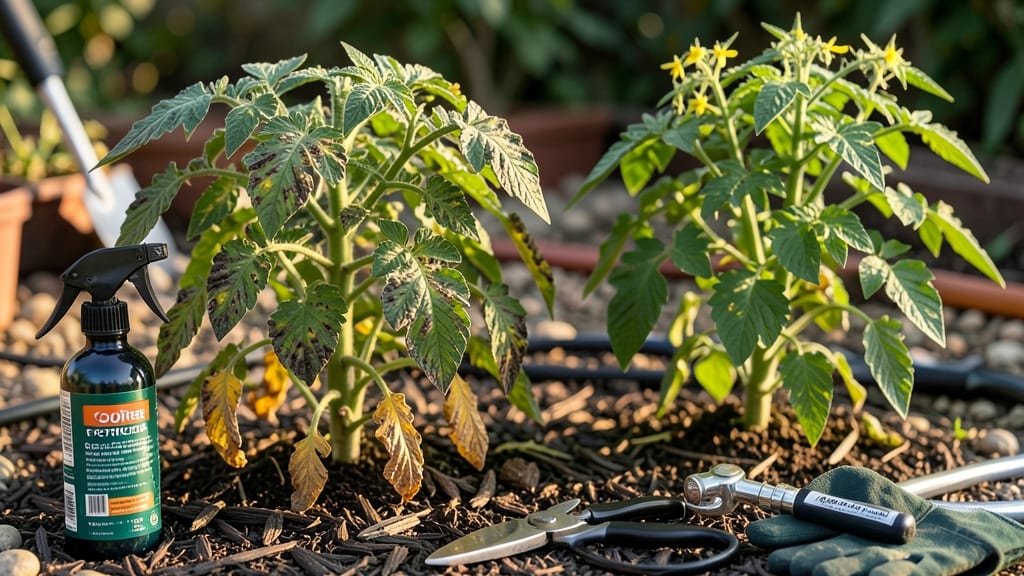
How to treat leaf septoria with copper spray can turn your struggling plants into healthy, thriving greenery—but only if you use it right. I’ve battled this fungal disease three seasons running, and the key isn’t just any copper spray—it’s when and how you apply it. One wrong move, and you’ll waste time and money on treatments that don’t stick.
The disease thrives in damp, shady conditions, so prevention starts with spacing plants for airflow and watering at soil level. But when those telltale brown spots appear, timing matters: spray copper before rain, at dawn or dusk, and repeat every 10-14 days until new growth appears.
I learned the hard way—skipping a spray cycle lets septoria come roaring back.
You’ll see results in 2-3 weeks: fewer spots, stronger stems, and plants that bounce back instead of wilting. The secret spray pattern? Aim for undersides of leaves (where spores hide) and focus on young growth. It’s not just about coverage—it’s about strategy.
Works for tomatoes, peppers, and leafy greens alike, but avoid copper on edibles within 2 weeks of harvest. For organic gardeners, neem oil is a backup—but copper’s the heavy hitter here. Let’s get those plants fighting back.
The Hidden Triggers Behind Septoria
Leaf septoria isn’t just a random plant problem—it’s a perfect storm of conditions that create the ideal environment for the fungus Septoria lycopersici (or similar species, depending on the plant) to thrive.
Understanding these triggers is the first step to stopping it before it spreads. Let’s break down the science behind why your leaves develop those telltale brown spots.
Septoria spores are everywhere—they survive in soil, plant debris, and even on wind currents. Here’s how they set the stage for infection:
- Overwintering spores: If you didn’t clean up last year’s infected leaves or crop residues, spores hibernate in the soil or mulch, ready to jump back onto new plants when conditions are right. Pro tip: Remove all plant debris after harvest—burning (if allowed) or composting at high heat (140°F+) kills spores.
- Wind and water spread: Spores hitch rides on rain splashes or gusts, landing on leaves where they germinate. Actionable fix: Space plants for airflow and avoid overhead watering to reduce splash dispersal.
The fungus loves wet leaves—think of it like a sponge soaking up water. Here’s why humidity and leaf wetness are its best friends:
- Leaf wetness > 9 hours: Septoria spores need free water on leaf surfaces to germinate. If your plants stay damp (from rain, dew, or poor drainage), spores activate within 4–6 hours and infect tissues.
- Poor drainage: Waterlogged soil keeps leaves perpetually moist. Solution: Amend soil with compost or perlite and ensure pots/drainage have exit holes.
- Early morning dew: While unavoidable, it’s why fungicides (like copper) work best in the evening—spores are already active by dawn.
Septoria isn’t picky, but it thrives in specific weather windows. These conditions turn your garden into a fungal buffet:
| Factor | Ideal for Septoria | Your Action |
|---|---|---|
| Temperature | 60–75°F (15–24°C) | Monitor forecasts—cover plants with row fabric if rain is predicted during these temps. |
| Humidity | >75% (especially at night) | Use drip irrigation at soil level and water early in the day to let leaves dry. |
| Rainfall | Frequent light showers (vs. heavy downpours) | Install a rain gauge and plan copper sprays 24–48 hours before rain to build protection. |
Healthy plants resist septoria better, but stress makes them vulnerable. Watch for these red flags:
- Nutrient deficiencies: Low nitrogen or potassium weakens cell walls, making leaves easier targets. Fix: Test soil and amend with balanced fertilizer (e.g., 10-10-10).
- Overcrowding: Poor airflow traps moisture and spores. Solution: Thin plants to 12–18 inches apart (varies by crop).
- Physical damage: Hail, pests (like aphids), or rough handling create entry points. Prevent: Use row covers and inspect plants weekly for early signs of stress.
Key takeaway: Septoria doesn’t just appear—it’s the result of spores + moisture + perfect weather + stressed plants. By disrupting even one of these links (like removing debris or improving drainage), you break the cycle. Next up: How to starve the fungus before it starts.
Quick Fixes for Leaf Septoria
Now that you understand the root causes of leaf septoria—whether it’s overcrowded plants, poor air circulation, excessive moisture, or weakened foliage—here’s how to tackle it head-on.
The key is a multi-step approach that combines immediate action, preventive care, and long-term strategies to keep your plants healthy and fungus-free.
Problem: Fungal spores spread like wildfire when left on infected leaves. Fix:
- Snip or pluck yellowing, brown, or spotted leaves as soon as you spot them. Use clean pruners or gloves to avoid cross-contamination.
- Dispose of them properly—don’t compost them! Seal them in a plastic bag and toss them in the trash (or burn them if possible).
- Focus on new growth—septoria often starts on younger leaves, so check them weekly.
> 💡 Pro Tip: If the infection is severe, consider removing entire branches (up to ⅓ of the plant) to improve airflow and stop the spread.
Problem: Stagnant, damp air is a fungal paradise. Fix:
- Prune strategically—thin out dense foliage to allow 3–5 feet of space between plants for better airflow.
- Space plants properly—follow spacing guidelines on seed packets or plant tags (e.g., tomatoes need 18–24 inches apart).
- Use fans—a gentle box fan or oscillating fan on low speed can reduce humidity by 10–20% and prevent spore germination.
- Water in the morning—this gives leaves time to dry before evening dampness sets in.
> 🌡️ Quick Fix: If humidity is extreme (like in greenhouses or humid climates), use a dehumidifier or increase ventilation with open windows or vents.
Problem: Septoria thrives when natural defenses fail—sometimes you need a chemical boost. Fix:
- Copper-based sprays (like Bordeaux mixture or copper fungicide) are most effective when applied preventively (before symptoms appear) or at first sign of infection.
- Timing: Spray every 7–14 days during wet seasons (spring/fall) or after heavy rain.
- Coverage: Aim for undersides of leaves (where spores love to hide) and stems. Use a high-pressure sprayer for better penetration.
- Organic alternatives:
- Baking soda spray (1 tsp baking soda + 1 tbsp oil + 1 gallon water) – mild but effective for early stages.
- Neem oil (1–2% solution) – disrupts fungal cell walls but works best preventively.
> ⏰ Critical Timing: Apply fungicides before rain (spores wash off after 24 hours of wetness).
Problem: Weak plants get sick faster—septoria exploits stress. Fix:
- Fertilize right—use a balanced fertilizer (10-10-10) or low-nitrogen, high-phosphorus (like 5-10-10) to boost root and leaf health.
- Avoid overwatering—let the top 1–2 inches of soil dry out between waterings.
- Mulch properly—use straw or wood chips (not plastic) to keep roots cool and moisture even.
- Rotate crops—if you’ve had septoria before, don’t replant the same family (e.g., tomatoes, peppers, basil) in the same spot for 3–4 years.
> 🎯 Prevention Gold Standard: Healthy soil = healthy plants. Add compost or mycorrhizal fungi to improve root resilience.
To keep septoria at bay for good, follow this year-round routine:
| Task | When to Do It | How to Do It |
|---|---|---|
| Clean up debris | Fall & Spring | Remove all plant waste, till soil. |
| Sterilize tools | Before & after pruning | Wipe with rubbing alcohol (70%+). |
| Test soil pH | Early spring | Aim for 6.0–7.0 (septoria loves acidity). |
| Monitor weather | All season | Water in AM, cover plants if rain forecasted. |
| Crop rotation | Planting season | Switch families yearly (e.g., tomatoes → beans). |
If your plants are heavily infected (50%+ leaf damage) and fungicides aren’t helping:
- Replace severely infected plants—sometimes it’s cheaper than losing the whole crop.
- Consult a local extension service—they may recommend systemic fungicides (like chlorothalonil) for stubborn cases.
- Consider resistant varieties—next season, opt for septoria-resistant tomato varieties (e.g., ‘Defiant,’ ‘Mountain Merit’).
Final Thought: Leaf septoria is manageable—it’s all about speed, airflow, and prevention. Act fast, stay consistent, and your plants will bounce back stronger than ever! 🌱💪
Frequently asked questions
Can I still use my garden tools after treating leaf septoria?
Always sterilize your tools before and after pruning infected plants. Wipe blades with 70% rubbing alcohol or a 10% bleach solution (1 part bleach to 9 parts water) to kill lingering spores. Never share tools between healthy and infected plants.
How long does it take to see results from copper sprays?
You should notice improvement in 2-3 weeks with consistent applications. Copper works by preventing new spores from germinating, so existing spots may persist but won't spread. For best results, apply every 10-14 days during wet conditions.
Is baking soda spray safe for all plants?
Baking soda spray (1 tsp baking soda + 1 tbsp oil + 1 gallon water) is generally safe for most vegetables, but avoid using it on acid-loving plants like blueberries or azaleas. Always test on a small leaf first, and never apply when leaves are wet.
What should I do if my plants are already heavily infected?
For severe cases, remove 50%+ of infected foliage and consider replacing heavily damaged plants. Use chlorothalonil (a stronger fungicide) as a last resort, following label instructions. Next season, choose resistant varieties like 'Defiant' tomatoes.
Can I compost leaves with septoria spots?
Never compost infected leaves—they'll spread spores back to your soil. Instead, seal them in a plastic bag and dispose of them in the trash. Only compost healthy plant material that's been disease-free for at least 3 months.