
How To
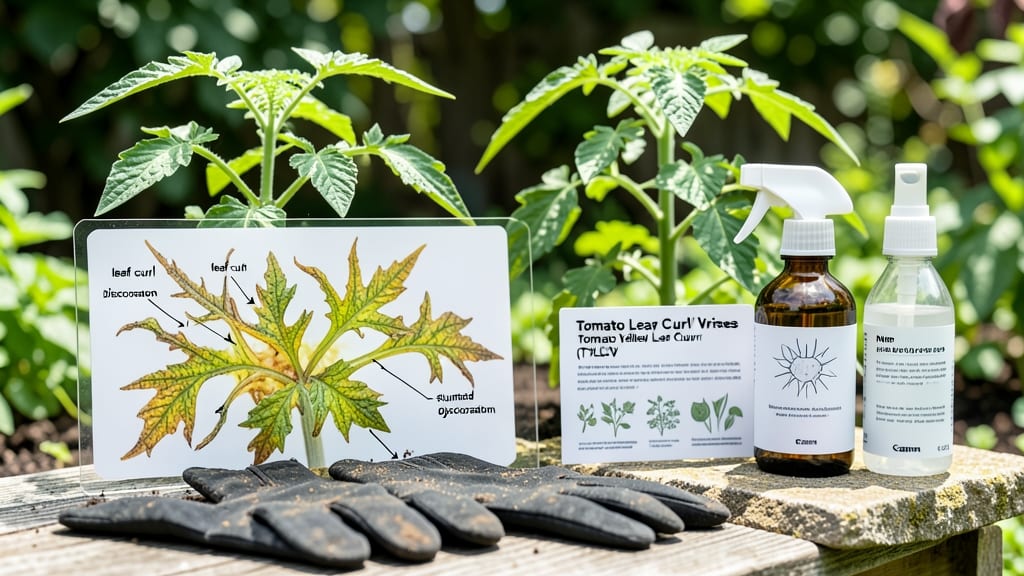
How do you treat leaf curl when your plants’ edges turn crispy and you’ve invested so much care? 🌿 I've battled this on my roses and tomatoes, and the copper-free organic fixes I've learned actually work without harsh chemicals. The key is acting fast before the damage spreads.
Most leaf curl stems from spider mites, fungal infections, or viral issues, not just water stress. My first mistake was assuming it was drought—until I spotted tiny webs on the undersides of leaves.
Organic neem oil or insecticidal soap tackles mites, while baking soda spray (yes, really) fights fungal curl. For viral cases, isolation is your best bet.
You'll see improvement within 7-10 days with consistent treatments, and new growth stays crisp and healthy. The secret is checking leaves regularly—those early signs are your only warning. I've saved entire plants by catching curl before it took hold.
Works for roses, citrus, tomatoes, and even houseplants. The same principles apply whether you're dealing with outdoor beds or container gardens. Let's get those leaves looking fresh again—without the chemical crutch.
Root Causes Of Leaf Curl
Leaf curl isn’t just a random quirk of plant life—it’s often a cry for help from your greens. Understanding the why behind the wavy, crispy edges helps you tackle the problem at its source.
Let’s break down the most common culprits and what they’re really telling you about your plants’ health.
---
Plants are sensitive to sudden shifts in temperature, and leaf curl often signals thermal stress. When nights dip too cold or days spike too hot, cells struggle to regulate water and nutrients, causing edges to pucker and dry out.
- Cold Stress: Overnight temps below 40°F (4°C) can trigger leaf curl in sensitive plants like tomatoes, peppers, and basil.
Cold air slows metabolic processes, leading to water imbalance and crispy edges. - Heat Stress: High daytime temps (above 90°F/32°C) combined with low humidity can cause transpiration stress, where leaves lose moisture faster than roots can absorb it.
This forces cells to shrink, creating the classic curl. - Drafty Conditions: Fans, air conditioning vents, or open windows near plants can create microclimates that confuse leaves. If one side of the plant gets a sudden breeze while the other stays still, curl may develop unevenly.
💡 Pro Tip: Use row covers in cold snaps or shade cloth in scorching heat to buffer temperature swings. Mulching also helps regulate soil temps to protect roots.
---
Water is the lifeblood of plants, but improper hydration is a top cause of leaf curl. Both underwatering and overwatering disrupt cellular function, leading to crispy, curled edges.
- Underwatering: - Leaves lose turgor pressure (the rigid structure from water-filled cells) when soil dries out.
This causes edges to cup upward and feel dry to the touch. - Common in container plants or those with shallow root systems (like herbs and lettuce). - Overwatering: - Soggy soil drowns roots, cutting off oxygen and nutrients.
Leaves may curl downward as a survival mechanism to reduce water loss. - Salt buildup from tap water or fertilizers can also cause osmotic stress, forcing leaves to curl as they struggle to absorb moisture. - Inconsistent Watering: - Plants hate feast-or-famine watering.
Alternating between drought and deluge confuses their water regulation systems, leading to uneven curl.
💡 Pro Tip: Stick your finger 1 inch into the soil—if it’s dry, water deeply until it drains from the bottom. For containers, use well-draining soil and pots with drainage holes to prevent soggy roots.
---
Not all leaf curl is environmental—some is pathogen-driven. Fungi and bacteria exploit stressed plants, causing distinct curling patterns that often come with other symptoms (spots, mold, or wilting).
- **Fungal Leaf Curl (e.g., Alternaria or Septoria): - These pathogens thrive in humid, warm conditions (70–85°F/21–29°C) and poor air circulation. - Leaves may curl upward with yellow/brown spots on the undersides.
Over time, edges turn crispy and necrotic (dead tissue). - Common in tomatoes, peppers, and cucumbers. - Bacterial Leaf Curl (e.g., Xanthomonas or Pseudomonas): - Bacteria often enter through wounds (like pruning cuts) or overhead watering. - Leaves curl downward with greasy, water-soaked spots that later turn brown.
Unlike fungi, bacterial curl spreads rapidly and can cause systemic wilting. - Powdery Mildew: - While not always curling, this fungus can cause thick white powder on leaves, forcing them to curl to minimize exposure. Edges may still crisp if the plant is severely stressed.
💡 Pro Tip: Improve airflow with spacing or fans, avoid overhead watering, and sterilize tools with rubbing alcohol to prevent spread. For organic treatment, spray neem oil or baking soda mix (1 tsp baking soda + 1 quart water + a drop of soap) weekly.
--- Plants need a balanced diet, and deficiencies or excesses in key nutrients can trigger leaf curl. Here’s what’s missing—or overloading—your greens:
| Nutrient Issue | Symptoms | Common Culprits | |---------------------|--------------|----------------------| | Calcium Deficiency | Crispy, curled edges (especially on young leaves) | Poor soil drainage, high sodium, or overwatering flushes calcium out. | | Magnesium Deficiency | Yellowing between leaf veins (curls as it progresses) | Over-fertilization with nitrogen, acidic soil. | | Potassium Deficiency | Weak stems, curled edges with brown scorch | Sandy soil, leaching from heavy rain. | | Nitrogen Toxicity | Dark green, curled leaves with slow growth | Over-fertilization, especially with synthetic nitrogen. |
💡 Pro Tip: Test your soil with a DIY kit or send a sample to a lab. For quick fixes: - Calcium: Add crushed eggshells or lime (for acidic soil). - Magnesium: Use Epsom salt (1 tbsp per gallon of water, sprayed on leaves). - Potassium: Brew compost tea or use wood ash (sparingly).
--- Tiny invaders can physically damage leaves, causing them to curl as a defense mechanism. Here’s who’s likely behind the attack:
- Aphids: - These sap-sucking insects inject toxins that cause leaves to curl upward and pucker.
You’ll often see sticky honeydew on curled edges. - Targets: Tomatoes, peppers, basil, and roses. - Spider Mites: - In dry, hot conditions, these arachnids pierce cells, causing silver stippling and downward curling.
Edges may turn brown and brittle. - Whiteflies: - Clusters of these tiny white moths under leaves cause yellowing and curling as they feed.
Their honeydew attracts sooty mold, worsening the issue. - Cabbage Worms/Loopers: - Caterpillars chew irregular holes, forcing leaves to curl to protect damaged areas.
💡 Pro Tip: Blast pests off with water (early morning spray), introduce beneficial insects (ladybugs, lacewings), or use insecticidal soap (1 tsp mild soap + 1 quart water). Neem oil disrupts their life cycles too!
--- Sometimes, leaf curl is self-inflicted—or caused by how we (or pets/kids) interact with plants.
- Rough Handling: - Bruising from pruning, harvesting, or even petting (yes, really!) can damage cell walls, causing edges to curl and crisp as the plant tries to heal. - Wind Burn: - Dry, gusty winds dehydrate leaf edges, leading to scorch and curl.
Common in container plants or those near open windows. - Transplant Shock: - Moving plants (even repotting) can disrupt root systems, causing temporary curl as they adjust. Roots need 1–2 weeks to re-establish in new soil.
💡 Pro Tip: Handle leaves gently (use scissors, not fingers, for pruning). For wind-prone plants, stake or shelter them, and water deeply** after transplanting to reduce shock.
Fixing Leaf Curl Naturally
Leaf curl can be frustrating, but with the right approach, you can restore your dough’s crispy perfection—without copper! Below, we’ve mapped practical solutions to common causes, along with prevention tips to keep your edges flawless. Let’s get baking!
---
Cause: Too much handling or kneading develops gluten, making dough tough and prone to curling.
How to Fix It: - Reduce kneading time – Aim for just until the dough clears the sides of the bowl (about 3–5 minutes by hand or 3–4 cycles in a stand mixer). - Use a dough scraper – Instead of stretching, gently shape with a scraper to avoid overworking. - Let dough rest longer – A 1–2 hour bulk fermentation (or overnight cold proof) relaxes gluten.
Prevention Tip: 💡 Weigh your dough (not eyeball it) to ensure consistent handling—overworking is harder to spot in heavier doughs!
---
Cause: Dough left too long in the fridge or at room temp loses structure, leading to weak edges that curl.
How to Fix It: - Test dough readiness – Press a finger gently into the dough; if it springs back slowly (not instantly), it’s overproofed. Shape and bake immediately. - Use a proofing box – Maintain 75–80°F (24–27°C) for consistent rise times. - Shorten proofing time – If dough rises too fast, reduce time by 10–15% and monitor closely.
Prevention Tip: ✨ Chill dough before final proof (1–2 hours in the fridge) to slow fermentation and gain control over timing.
---
Cause: Uneven rolling or pressing too hard creates stress points that curl during baking.
How to Fix It: - Roll from the center outward – Keep tension even by rolling toward you, not away. - Use a pizza dough roller or rolling pin – Apply light, even pressure (no need to crush the dough). - Let dough rest between rolls – If shaping by hand, fold edges gently and let them relax for 5 minutes before final shaping.
Prevention Tip: 🌡️ Work on a lightly floured surface (too much flour = sticky dough = uneven rolling).
---
Cause: Uneven heat, incorrect temperature, or poor airflow causes edges to bake too fast and curl.
How to Fix It: - Preheat your oven properly – Use an oven thermometer to confirm it’s at the set temp (many run 25°F/15°C hotter or colder). - Bake on the middle rack – Avoid hot spots near the broiler or too-low racks. - Use a baking stone or steel – Improves heat distribution for even browning. - Rotate pans halfway – Ensures uniform baking (especially for deep-dish pizzas).
Prevention Tip: 🔥 For crispy edges, bake at 475–500°F (245–260°C)—hotter temps = faster crust set.
---
Cause: Jagged cuts or dull tools create uneven stress, leading to curling.
How to Fix It: - Use a pizza wheel or sharp knife – Clean cuts prevent dough from tearing or curling upward. - Score edges gently – For thin-crust pizzas, make shallow cuts (¼-inch deep) to control expansion. - Avoid over-stretching – If dough resists, let it rest 5–10 minutes before shaping again.
Prevention Tip: 🎯 Chill dough 10 minutes before cutting to firm up edges for cleaner slices.
---
Since copper pans speed up browning (and can cause curl), try these organic alternatives: - Cast iron skillet – Preheat well for a crispy, blistered crust. - Ceramic or stainless steel – Use a baking stone underneath for radiant heat. - Parchment-lined tray – Bake on parchment for easy transfer and even heat.
Pro Tip: 💪 Brush edges with olive oil before baking—it promotes browning without copper!
--- Remember: Leaf curl is often a combination of factors (dough, heat, tools). Experiment with small adjustments—like reducing knead time or preheating longer—to find your perfect balance. Happy baking! 🍕✨
Frequently asked questions
Can leaf curl spread to other plants in my garden?
Yes, especially if it's caused by fungal or bacterial infections or pests like spider mites. Isolate affected plants immediately and remove severely damaged leaves to prevent spread. For viral leaf curl (common in roses or citrus), there's no cure—remove infected plants entirely to protect healthy ones.
How do I know if my plant has leaf curl from pests vs. disease?
Check the undersides of leaves first! Pest-related curl often has visible insects (aphids, mites) or webbing. Disease curl usually shows spots, mold, or sticky residue (honeydew). For spider mites, look for tiny webs; for fungal issues, you'll see powdery white growth or brown patches.
Will pruning help fix leaf curl?
Only if the curl is from overgrowth or poor airflow. Remove curled leaves to improve circulation, but avoid heavy pruning—this stresses plants further. For viral curl, pruning won't help; focus on removing the entire plant. For environmental causes (like nutrient deficiencies), prune to redirect energy to new growth.
How long does it take to see improvement after treatment?
With consistent care, you'll often see results in 7-14 days. New leaves should appear normal, though existing curled leaves won't recover. For severe cases (like bacterial infections), improvement may take 3-4 weeks. Monitor daily and adjust treatments if no progress occurs after 2 weeks.
Can I use store-bought pesticides on leaf curl?
Only as a last resort—many chemical pesticides harm beneficial insects and can worsen the problem. For organic solutions, try neem oil (1 tbsp per gallon of water) or insecticidal soap (1 tsp mild soap + 1 quart water). Always test treatments on a small area first and reapply every 5-7 days.