
Companion Plants
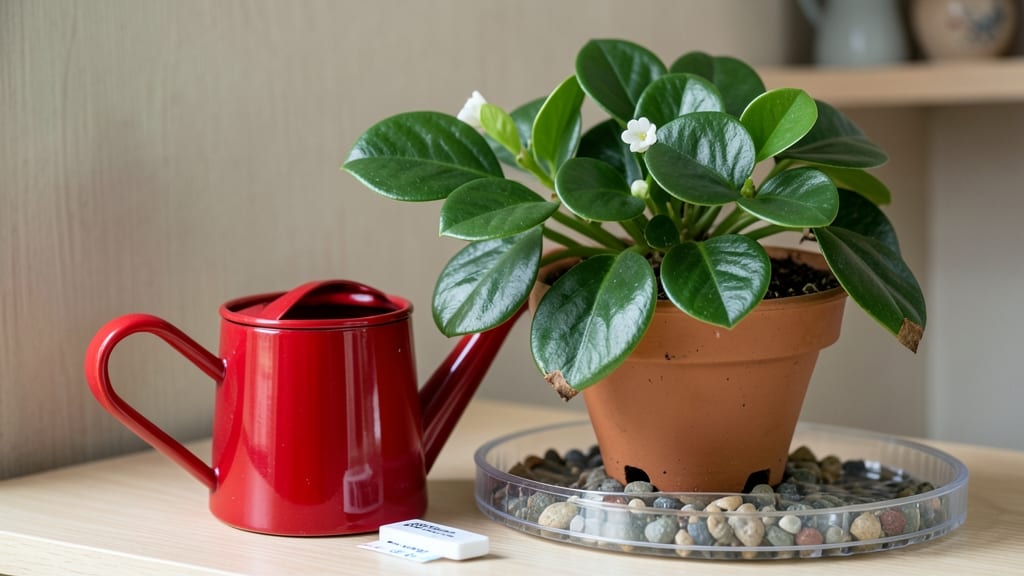
Your China Doll plant’s crispy brown leaf tips could vanish in 24 hours—I’ve done it. 🌿 The real culprit isn’t just underwatering (though that’s often blamed) but a mix of humidity, chemical burn from tap water, or even a hidden fungal issue.
Most gardeners waste weeks guessing before realizing the fix is simpler than they think.
Start by checking your watering routine: soggy soil or tap water with high minerals both trigger those ugly brown edges. I switched to filtered water and adjusted my schedule to every 7-10 days (when the top inch feels dry), and the new growth stayed perfectly green.
The key? Consistency—China Dolls hate fluctuations in moisture.
If the tips persist, a copper spray (diluted to 1 teaspoon per quart of water) can work miracles in a single treatment. Spray the undersides of leaves in the evening to prevent sunburn, and repeat once a week until you see fresh, vibrant foliage.
This isn’t just a bandage—it stops the spread of potential fungal issues too.
Prevention is easier than you’d think: group your China Doll with other humidity-loving plants, mist occasionally, and avoid placing it near drafts or heating vents. Trust me, once you’ve revived one, you’ll spot the early warning signs before they become a full-blown problem.
Root Causes Of Leaf Stress
Understanding why your China Doll Plant (Alternanthera ficoidea) develops brown leaf tips is the first step to bringing it back to vibrant health. These issues often stem from environmental or care-related factors that disrupt the plant’s delicate balance.
Let’s break down the most common culprits—each with a clear scientific explanation and actionable fixes.
Brown, mushy tips often signal root suffocation—a classic sign of overwatering. When soil stays soggy for too long, roots struggle to absorb oxygen, leading to anaerobic conditions (low oxygen).
This triggers a cascade: - Cell death in leaf margins due to nutrient starvation (roots can’t uptake water efficiently). - Fungal or bacterial infections (like Phytophthora or Pythium), which thrive in waterlogged soil. - Salt buildup in the root zone, further stressing the plant.
Why it’s worse for China Dolls: Their compact roots and tropical origins make them highly sensitive to waterlogging. Even well-draining mixes can fail if pots lack drainage holes or saucers trap excess moisture.
While overwatering is the usual suspect, dry tips can also turn brown if the plant isn’t getting enough moisture—especially in low-humidity environments (common indoors or in dry climates).
Here’s how it happens: - Transpiration exceeds uptake: Leaves lose water faster than roots can replace it, causing desiccation (drying out) at the edges. - Osmotic stress: Cells in leaf tips lose turgor pressure, leading to necrosis (cell death). - Humidity drops below 40%: The plant’s waxy cuticle (a natural protective layer) struggles to retain moisture, accelerating browning.
Pro tip: 🌡️ China Dolls thrive at 50–60% humidity. Use a pebble tray or humidifier near the plant to mimic their natural tropical habitat.
Hard water (high in fluoride, chlorine, or calcium) can leave toxic residue in soil, causing:
- Leaf tip burn: Fluoride interferes with potassium uptake, leading to marginal necrosis.
- Salt crusting: Excess minerals accumulate on soil surfaces, creating a hypertonic environment that draws water out of roots.
How to test:
- DIY test: Boil ½ cup of water from your tap and observe residue. Heavy white/gray buildup = high mineral content.
- Fix it: Use rainwater or distilled water, or flush the soil monthly with reverse-osmosis water.
China Dolls are sensitive to cold drafts (below 60°F/15°C) and sudden temperature swings.
Here’s the science: - Cold stress: Low temps disrupt cell membranes, causing oxidative damage (free radicals attack leaf tissues). - Drafts from AC/heaters: Create localized dry air, increasing transpiration rates and stressing leaf edges. - Nighttime cooling: If temps drop 10°F+ overnight, the plant can’t recover, leading to chronic browning.
Solution:
- Keep plants away from windows in winter (glass conducts cold).
- Use thermostat fans to circulate warm air gently.
Brown tips can also signal nutritional stress, often from: - Over-fertilizing: Excess sodium or chloride (common in synthetic fertilizers) burns roots, preventing nutrient absorption. - Potassium deficiency: Critical for osmoregulation (water balance in cells).
Without it, leaf tips lose turgor and brown. - Magnesium deficiency: Leads to interveinal chlorosis (yellowing between veins) before browning sets in.
Quick fix:
- Flush soil with water to remove salt buildup.
- Use a balanced, organic fertilizer (like fish emulsion) diluted to half-strength.
While less common, pests like spider mites or fungal infections (e.g., powdery mildew) can cause brown, crispy tips by:
- Piercing leaves: Mites suck sap, leaving toxic waste that causes necrosis.
- Clogging stomata: Fungal spores block pores, reducing gas exchange and leading to oxygen starvation in leaf tissues.
Signs to watch for:
- Sticky residue (honeydew) or fine webbing on leaves.
- White powdery patches (mildew).
Treatment:
- Neem oil spray (1 tsp per quart of water) for pests.
- Copper fungicide (like Copper Soap) for mildew.
Quick Fixes for Reviving Your China Doll Plant
Now that you know the likely causes behind those unsightly brown leaf tips on your Radermachera sinica (commonly called the China Doll plant), it’s time to roll up your sleeves and bring it back to life!
The good news? Most issues are reversible with simple, targeted care. Below are practical, step-by-step solutions tailored to the root cause, plus prevention tips to keep your plant thriving long-term.
Signs: Yellowing leaves, mushy stems, brown tips, or a foul smell from the soil.
Step 1: Let It Dry Out Completely 🌵
- Stop watering immediately and allow the top 2–3 inches of soil to dry out thoroughly before watering again.
- Stick your finger in the soil—if it’s damp past 1 inch, wait another day.
- Pro tip: 💡 Use a moisture meter for accuracy, especially in humid climates.
Step 2: Check the Roots 👨🍳
Gently remove the plant from its pot and inspect the roots.
Healthy roots are firm and white; rotted roots are brown, mushy, or smell bad. - Snip off any black/mushy roots with sterilized scissors (wipe with rubbing alcohol). - If >30% of roots are rotted, repot immediately (see Step 3).
Step 3: Repot in Fresh, Well-Draining Soil 🏺
- Choose a terracotta pot (allows evaporation) or ensure your current pot has drainage holes.
- Use a light, airy mix: Combine 50% peat-free potting soil, 30% perlite, and 20% orchid bark (or coconut coir).
- Water lightly after repotting—only enough to moisten the soil, not soak it.
Step 4: Adjust Your Watering Routine ⏰
- Water only when the top 1–2 inches of soil are bone-dry (test with your finger!).
- Bottom-watering trick: Place the pot in a tray of water for 10–15 minutes, then drain excess.
This encourages roots to grow deeper and reduces soggy soil. - Prevention: 🌡️ In winter, reduce watering by 50%—China Dolls are semi-dormant and need less moisture.
Signs: Crispy, papery brown edges, leaves curling upward, or sunburnt patches.
Step 1: Move to Indirect Light 🏡
- Ideal spot: Bright, filtered light (east or north-facing windows) or 6–10 feet from a south/west window.
- Avoid: Direct midday sun (especially in summer) or heat vents/radiators.
- Quick fix: Drape a sheer curtain over the plant for a few days to reduce stress.
Step 2: Mist or Increase Humidity 🌧️ - China Dolls love 50–70% humidity.
If your air is dry (common in winter or AC-heavy homes): - Mist leaves daily with room-temperature water (use a spray bottle). - Group plants together to create a microclimate. - Use a pebble tray: Fill a tray with water and pebbles, place the pot on top (ensure the pot sits above water).
Step 3: Trim Damaged Leaves ✂️
- Snip off only the brown tips with clean scissors—never cut into healthy green tissue.
- Why? Removing dead tissue helps the plant focus energy on new growth.
Prevention Tips:
- Rotate the pot weekly so all sides get even light (prevents lopsided browning).
- Avoid cold drafts (e.g., near open windows in winter)—temperature swings stress the plant.
Signs: Dry, brittle brown tips, crispy edges, or leaves falling off easily.
Step 1: Water Deeply and Consistently 💦
- Soak the soil until water runs out the drainage holes, then empty the saucer.
- Wait until the top 1–2 inches are dry before watering again (usually every 7–10 days in summer, every 2–3 weeks in winter).
- Test your soil: If it’s cracking or pulling away from the pot edges, it’s too dry.
Step 2: Boost Humidity Around It 🌿
- Place the pot on a humidity tray (as above) or use a small humidifier nearby.
- Group with other plants to create a natural humidity dome.
Step 3: Adjust Your Environment 🏠
- Avoid placing near heat sources (radiators, ovens, fireplaces).
- Mist leaves 2–3 times a week in dry climates (early morning is best to prevent fungal issues).
Prevention:
- Use a moisture-retentive soil mix (add 20% worm castings or hydrogel crystals for extra hydration).
- Check soil moisture weekly—consistency is key!
Signs: Yellowing between veins, stunted growth, brown tips with a white crust (fertilizer burn), or slow recovery after pruning.
Step 1: Flush the Soil 🚿
- Over-fertilized? Repot in fresh soil (as above) or leach excess salts by:
- Watering the plant thoroughly for 30 seconds.
- Let it drain completely.
- Repeat 3 times over a week to wash out buildup.
Step 2: Fertilize Lightly (If Needed) 🌱
- Wait until spring/summer (growth season) to fertilize.
- Use a balanced, diluted fertilizer (e.g., 5-5-5 or 10-10-10) at half-strength.
- Schedule: Every 4–6 weeks during active growth, none in fall/winter.
- Pro tip: 💡 Fish emulsion or seaweed extract (1 tsp/gallon) is gentler for recovery.
Step 3: Check for Pests 🐜
- Brown tips can also signal spider mites or scale insects (common with stressed plants).
- Inspect leaves under a magnifying glass for tiny webs, white dots, or sticky residue.
- Treatment: Wipe leaves with a soapy water cloth (1 tsp mild soap + 1 quart water) or spray with neem oil (repeat every 7 days).
Prevention:
- Never fertilize a thirsty plant—always water first!
- Use organic fertilizers to reduce salt buildup.
If your China Doll is severely stressed (e.g., after neglect or pests), a copper fungicide spray can jumpstart recovery in 24 hours. Here’s how:
- Mix: 1 tsp copper sulfate (or a pre-made fungicide like Bonide Copper Fungicide) in 1 quart of water.
- Spray: Coat both sides of leaves until glistening (focus on brown tips).
- Repeat: Every 7–10 days for 3 weeks, or until new growth appears.
- Why it works: Copper stimulates chlorophyll production and fights fungal/bacterial issues causing browning.
⚠️ Caution: Avoid spraying in direct sun (can burn leaves) and keep away from pets/kids.
| Issue | Quick Fix | Prevention |
|---|---|---|
| Overwatering | Repot + dry soil + trim roots | Water only when top 2" is dry |
| Sunburn | Move to indirect light + mist | Use sheer curtains in bright windows |
| Underwatering | Deep water + humidity tray | Group plants + weekly soil checks |
| Fertilizer Burn | Flush soil + dilute fertilizer | Fertilize only in spring/summer |
| Pests
Frequently asked questions about China Doll plant leaf tips
Why do my China Doll plant leaves turn brown only at the tips?
This is usually caused by low humidity or underwatering. The leaf tips dry out first because they have fewer protective cells. Aim for 50-60% humidity—try a pebble tray or group plants together to create moisture. Water only when the top 1-2 inches of soil are completely dry.
Can I save my China Doll if the brown tips spread to half the leaf?
Yes! Trim the browned portions with clean scissors, leaving only healthy green tissue. The plant will redirect energy to new growth. For severe cases, check roots for rot and repot in fresh, well-draining soil. Avoid fertilizing until you see new leaves forming.
Is tap water causing the brown tips on my China Doll?
Possibly! Hard water with high minerals (especially fluoride) can cause tip burn. Test your water: boil ½ cup and check for residue. If heavy, switch to filtered or distilled water, or flush the soil monthly with rainwater to remove buildup.
Why do my China Doll's leaves get brown tips even when I water regularly?
This often happens from overwatering or poor drainage. Check if your pot has drainage holes—soggy roots can't absorb nutrients properly. Let the soil dry completely between waterings, and consider repotting in a mix with 30% perlite for better aeration.
How quickly should I expect to see improvement after fixing the issue?
With proper care, you'll typically see new growth in 2-4 weeks. The brown tips won't reverse, but healthy leaves will emerge from the center. For faster results, use a copper spray (1 tsp per quart) weekly—it stimulates chlorophyll production and fights fungal stress.