
How To
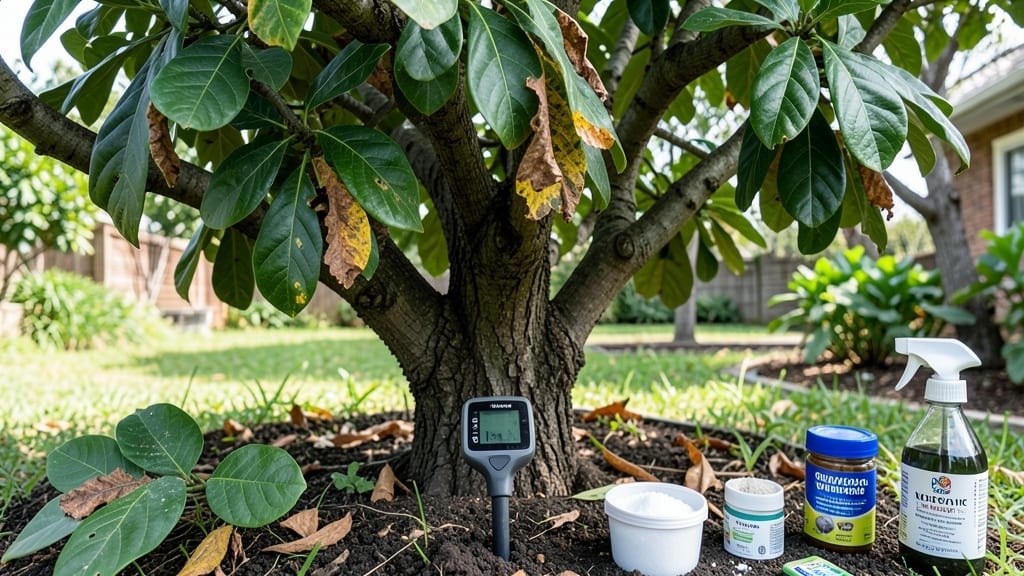
Your avocado tree’s brown leaf tips could be screaming for help—copper spray might be the answer. 🌿 I’ve nursed back more than a few trees with this simple fix, and the results speak for themselves: vibrant green leaves within weeks.
The key is identifying whether your tree needs better water balance, pest control, or a nutrient boost before reaching for the spray.
Overwatering or underwatering are the usual culprits, but pests like mites or fungal issues can also turn leaf edges crispy. Start by checking the soil—it should feel like a damp sponge, not a soggy mess.
If the roots smell sour, you’ve got overwatering; if the soil is bone-dry, it’s the opposite problem. Copper spray works best when the root cause is stress or disease, not just dehydration.
Once you’ve adjusted watering, mix up a copper fungicide spray (1 teaspoon copper sulfate per gallon of water) and apply it every 2-3 weeks until new growth appears. The leaves will start softening within 7-10 days, and the tree will look revitalized in no time.
Think of it as a quick fix for a tree that’s been struggling to breathe.
For stubborn cases, combine the spray with a balanced fertilizer (like 10-10-10) to give your avocado the nutrients it craves. Most trees bounce back within a month—just don’t skip the follow-up checks.
If the tips keep browning after two treatments, it might be time to call in a pro for a deeper soil or pest inspection.
Hidden Triggers Behind Leaf Stress
When your avocado tree’s leaves start showing brown tips, it’s often a silent SOS from the plant—signaling underlying issues that need your attention. Understanding the root causes helps you address the problem before it spreads.
Let’s break down the most common culprits behind this distressing symptom, backed by science and actionable insights.
Avocado trees are native to arid regions and hate soggy roots. When soil stays too wet—whether from overwatering, compacted soil, or poor drainage—roots struggle to absorb oxygen, leading to root rot. This disrupts nutrient uptake, causing leaf tips to brown as a sign of stress.
🔍 How to spot it:
- Yellowing leaves paired with brown tips
- Mushy or foul-smelling roots (if checked)
- Water pooling around the base for hours after watering
💡 Fix it:
- Let the top 2–3 inches of soil dry out before watering again.
- Amend heavy or clay soil with perlite or coarse sand to improve drainage.
- Ensure the pot has drainage holes or plant in well-draining soil.
While overwatering is a common issue, underwatering can also trigger brown tips—especially in potted avocado trees. When soil dries out completely, cells at the leaf edges plasmolyze (shrink due to water loss), causing crispy, brown tips. Additionally, salt accumulation from tap water or fertilizers can block water absorption, leading to similar symptoms.
🔍 How to spot it:
- Dry, brittle soil that pulls away from the pot
- Leaves feeling papery or crispy to the touch
- White crust on soil surface (salt buildup)
💡 Fix it:
- Water deeply when the top 1–2 inches of soil are dry (stick your finger in to test!).
- Flush the soil with distilled or rainwater to leach out salts.
- Use a moisture meter for consistency, especially in pots.
Avocado trees thrive in USDA Zones 9–11 and are sensitive to sudden temperature swings. Cold drafts, freezing nights, or scorching afternoon sun can cause cellular damage at leaf edges, leading to brown, crispy tips. Even dry wind can desiccate leaves, mimicking underwatering symptoms.
🔍 How to spot it:
- Brown tips on exposed leaves (e.g., top of the tree or outer branches)
- Symptoms appear suddenly after a cold snap or heatwave
- Leaves may also show scorch marks or curled edges
💡 Fix it:
- Move potted trees indoors or to a sheltered spot if temps drop below 50°F (10°C).
- Use shade cloth (30–50%) to protect from intense afternoon sun.
- Mulch the base with straw or bark to regulate soil temperature.
- Group potted trees together to reduce wind exposure.
Brown leaf tips can also signal micronutrient deficiencies, particularly copper, potassium, or magnesium. Avocado trees need these minerals for chlorophyll production and enzyme function. A deficiency often starts at the leaf edges because older cells are the first to show stress.
📊 Key deficiencies to check:
Nutrient
Symptoms
Quick Fix
Copper
Brown, crinkled tips; stunted growth
Apply a copper sulfate spray (1 tsp per gallon of water) or use a balanced fertilizer with copper.
Potassium
Brown tips with yellowing between veins
Use a potassium-rich fertilizer (e.g., 5-10-10) or compost tea.
Magnesium
Brown tips with interveinal yellowing (like a "V" shape)
Apply Epsom salt (1 tbsp per gallon of water) as a foliar spray.
💡 Pro tip: Test your soil with a home kit or send a sample to a lab for a precise diagnosis. Over-fertilizing can also cause salt buildup, so follow package instructions!
While not always obvious, pests like spider mites, scale, or thrips can suck sap from leaves, causing stress that manifests as brown tips. Fungal or bacterial infections (e.g., Phytophthora root rot) can also disrupt nutrient flow, leading to similar symptoms.
🔍 How to spot it:
- Sticky residue on leaves (honeydew from pests)
- Tiny webs or insect eggs on undersides of leaves
- Soft, mushy stems or blackened roots (fungal infection)
💡 Fix it:
- Spray leaves with neem oil or insecticidal soap to kill pests.
- Prune infested branches and dispose of them.
- Treat fungal issues with copper fungicide or baking soda spray (1 tsp baking soda + 1 quart water + a drop of soap).
🎯 Key takeaway: Most brown leaf tip issues stem from water-related stress, nutrient imbalances, or environmental factors. Start by checking your watering habits, soil health, and growing conditions—then adjust accordingly. If symptoms persist, a copper spray treatment (as mentioned in the article title) can often provide the missing boost your avocado tree needs!
Fixing Brown Leaf Tips Naturally
Reviving your avocado tree’s leaf health starts with identifying the root cause and applying targeted fixes. Below are practical, step-by-step solutions tailored to the most common culprits behind brown leaf tips—from overwatering to nutrient deficiencies—plus prevention tips to keep your tree thriving long-term.
Fix: Adjust your watering routine and improve soil aeration.
- 🔥 Stop Watering Until Soil Dries - Let the top 2–3 inches of soil dry out completely before watering again. Stick your finger in the soil—if it’s damp past 1 inch, wait. - Pro Tip: Avocado trees prefer drought-like conditions over soggy roots.
Brown tips often signal root stress from excess moisture.
- 🍳 Repot or Amend the Soil (If Needed) - If your tree is in a container, check for root rot by gently removing it from the pot.
Healthy roots are firm and white; mushy or black roots need trimming and fresh potting mix. - For in-ground trees, amend heavy clay soil with perlite, sand, or coconut coir to improve drainage.
- ⏰ Water Deeply but Less Often
- Water slowly and deeply (10–15 minutes) to encourage roots to grow downward. Avoid shallow, frequent watering, which promotes weak roots.
Prevention:
- Use pots with drainage holes and a saucer (empty excess water after 30 minutes).
- Mulch around the base (2–3 inches) to retain moisture without suffocating roots.
Fix: Balance fertilizers and adjust application methods.
- 💡 Test Your Soil
- Use a soil test kit (available at garden centers) to check pH (ideal: 6.0–7.0) and nutrient levels. Avocado trees need nitrogen, potassium, and magnesium but can’t tolerate excess salt.
- 🌡️ Apply the Right Fertilizer
- For deficiencies: Use a balanced fertilizer (e.g., 6-6-6 or 8-3-9) in early spring and summer. Avoid high-nitrogen fertilizers in winter—they cause leaf burn.
- For magnesium deficiency (yellowing between veins): Sprinkle Epsom salt (1 tbsp per gallon of water) every 4–6 weeks.
- 🎯 Flush the Soil (If Over-Fertilized)
- If leaves show brown crispy edges (fertilizer burn), water the soil heavily for 2–3 days to leach out excess salts.
Prevention:
- Fertilize lightly—avocado trees are sensitive to salt buildup.
- Use organic matter like compost or worm castings for slow-release nutrients.
Fix: Shield your tree from harsh conditions and recover its resilience.
- 👨🍳 Gradually Acclimate to Sun
- If your tree is suddenly getting too much direct sun, move it to a part-shade spot for a week. Avocado trees thrive in morning sun + afternoon shade.
- 🥘 Mist Leaves (For Dry Air)
- Brown tips from low humidity (common indoors or in arid climates)? Lightly mist leaves early in the day to prevent fungal issues.
- 🔪 Trim Damaged Leaves
- Snip off only the brown tips (use clean pruners) to redirect energy to healthy growth. Avoid cutting into green tissue.
Prevention:
- Hardening off young trees: Start with 2–3 hours of sun/day, increasing gradually over 2 weeks.
- Use shade cloth (30–50%) if growing in intense heat.
Fix: Isolate the tree and treat with natural or chemical solutions.
- 🔥 Identify the Problem
- Fungal spots? Look for yellow halos or powdery growth. Bacterial? Check for oily, water-soaked spots.
- Quick Test: Rub a leaf between your fingers. Fungal spores feel dusty; bacterial ooze is slippery.
- 🍳 Apply Copper Spray (Best for Fungus/Bacteria) - Mix 1 tsp copper sulfate (or a store-bought copper fungicide) with 1 gallon of water.
Spray leaves and stems every 7–10 days until new growth appears. - Organic Alternative: Neem oil spray (1 tbsp neem oil + 1 tsp mild soap per quart of water) for mild cases.
- ⏰ Improve Airflow
- Prune nearby branches to increase airflow around the tree. Fungus thrives in humid, stagnant conditions.
Prevention:
- Water at the base (avoid wetting leaves) to reduce fungal spores.
- Sterilize pruners with rubbing alcohol between cuts.
💡 Bonus Tip: If brown tips persist after trying these fixes, consider root health—avocado trees often show leaf stress when roots are compromised. A root drench with mycorrhizal fungi (available at nurseries) can boost absorption.
Frequently asked questions
Why do avocado tree leaves turn brown only at the tips?
Brown leaf tips usually indicate water stress or nutrient deficiencies. Avocado trees often develop this symptom when roots can't absorb enough moisture (from overwatering or poor drainage) or when they lack essential minerals like copper or magnesium. The tips are the oldest parts of the leaf, so they show stress first.
How often should I water my avocado tree to prevent brown tips?
Water only when the top 2–3 inches of soil are completely dry. Avocado trees prefer drought-like conditions—overwatering is a leading cause of brown tips. In pots, check soil moisture daily, while in-ground trees may need watering every 7–10 days depending on climate. Always use well-draining soil.
Can I use copper spray if my avocado tree has brown tips from underwatering?
Copper spray works best for fungal issues or nutrient deficiencies, not dehydration. First fix the watering schedule, then apply copper spray if you suspect micronutrient deficiency (like copper or magnesium). For underwatering, focus on deep, infrequent watering and improving soil drainage.
What's the difference between brown tips from pests and those from overwatering?
Pest-related brown tips often appear unevenly and may have sticky residue (honeydew) or tiny webs. Overwatering causes yellowing leaves with brown tips, plus mushy roots if you check. Examine undersides of leaves—pests leave visible damage, while overwatering affects the whole plant gradually.
Will pruning brown-tipped leaves help my avocado tree recover?
Yes, but only prune the brown tips—never cut into green tissue. This helps the tree redirect energy to healthy growth. For severe cases, remove entire damaged leaves, but avoid over-pruning. Combine pruning with proper watering and nutrient adjustments for best results.