
Planting
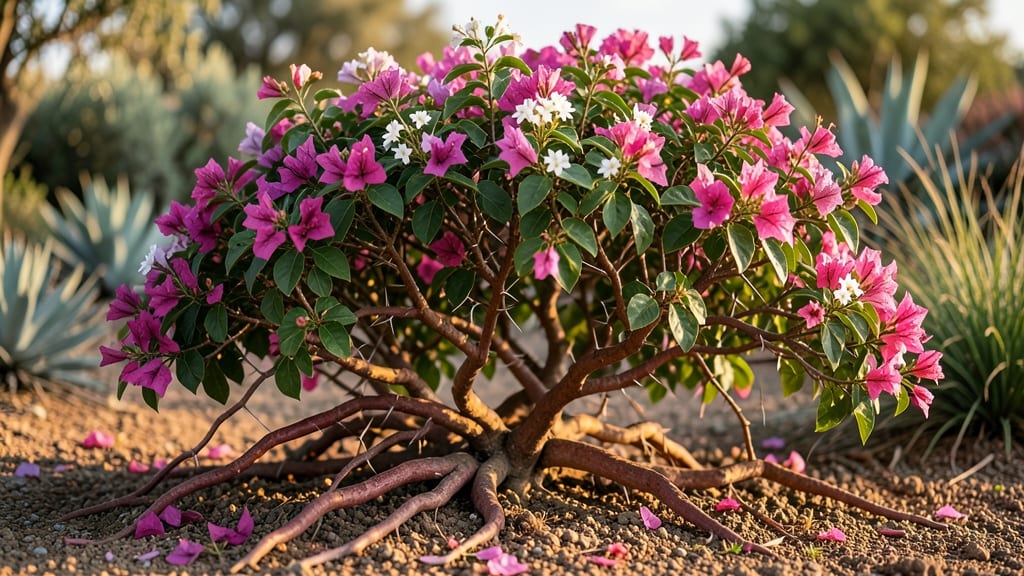
When your bougainvillea plant leaf turns wrinkled or spotted, it’s time for a copper spray revival. 🌿 I’ve nursed back more than a few struggling bougainvilleas with this simple, chemical-free fix—no more sad, crinkled foliage ruining your plant’s bold blooms.
The problem usually starts with fungal issues or pests hiding in the crevices of those thick leaves. Copper spray works because it creates an unfriendly environment for fungi while being harmless to your plant (and pollinators, once dry).
You’ll need just a few basic supplies: copper fungicide, water, and a spray bottle—no fancy equipment needed. Within 7-10 days, you’ll see smoother, perkier leaves and a renewed burst of those signature pink or purple bracts.
The key is consistency: apply it every 7-10 days during wet seasons or when you spot new wrinkles forming. This method works for both outdoor plants and container bougainvilleas. Just avoid spraying in direct sun—morning or evening applications give the leaves time to dry completely.
📚 In This Guide
- What you need
- Instructions
- Tips and common mistakes
- Wrapping up and next steps
What you need
- ● Copper fungicide spray – Choose a ready-to-use liquid (like Copper Sulfate or Copper Octanoate) or a powdered version (1-2 lbs for a small to medium plant). Pro tip: Avoid copper hydroxide—it’s less effective for foliage!
- ● Spray bottle or pump sprayer – A 1-gallon garden sprayer (for larger plants) or a small handheld bottle (for precision work). Must have a fine mist nozzle!
- ● Garden gloves – Nitrile or rubber gloves to protect your skin from copper residue.
- ● Pruning shears – Sterilized shears (rubbing alcohol wipe) to trim severely damaged leaves before spraying.
- ○ Watering can or hose – For a light rinse after treatment (optional but recommended).
- ● Neem oil (1 tsp + 1 quart water) – Mix with copper spray for extra fungal/bacterial protection.
- ● Horticultural oil – Helps smother pests if wrinkled leaves are caused by mites or scale.
- ● pH test kit – Ensure your spray solution is slightly acidic (pH 5.0–6.0) for best absorption.
- ● Shade cloth – Lightweight fabric to protect nearby plants from copper overspray.
How to revive bougainvillea leaves with copper spray
Here’s the straightforward method I trust to restore vibrant, wrinkle-free foliage—no guesswork, just results.
🌿 Step 1: Assess and Trim Damaged Foliage
Start by inspecting your bougainvillea for wrinkled, yellowed, or discolored leaves—these are your target areas. Use clean, sharp pruning shears to remove any severely affected leaves at the base of the stem. This isn’t just about aesthetics; it redirects the plant’s energy toward new growth, which is critical for recovery.
Focus on leaves that feel leathery or have a dull, matte finish rather than the glossy sheen of healthy foliage. You’ll notice the plant’s overall structure becomes more open and airy once you’ve trimmed back the worst offenders. This step alone improves airflow, reducing the risk of future fungal issues.
💧 Step 2: Prepare the Copper Spray Solution
Mix 1 tablespoon of liquid copper fungicide (like copper sulfate or copper hydroxide) with 1 gallon of water in a clean spray bottle or pump sprayer. Shake well before each use—copper doesn’t dissolve completely, so thorough mixing ensures even distribution. I like to add a drop of mild dish soap to help the solution adhere to the leaves without clinging to the bougainvillea’s delicate bracts.
Test the spray on a small, inconspicuous area first. If you see no adverse reaction after 24 hours, proceed. The goal is to coat the undersides of leaves thoroughly, as many fungal spores and pests hide there. Avoid spraying in direct sunlight—this can cause the copper to burn tender foliage. Early morning or late afternoon is ideal.
☀️ Step 3: Apply the Spray Systematically
Hold the sprayer 12-18 inches away from the plant and apply a fine mist until the leaves glisten lightly. Focus on the undersides of leaves, stems, and any crevices where moisture might linger. You’ll want to see droplets forming but not dripping—this ensures even coverage without waterlogging the soil. Repeat this process every 7-10 days for at least 3-4 weeks, or until new growth emerges.
After spraying, avoid watering the plant for 24 hours. This allows the copper to fully absorb and work its magic. If rain is forecast within that timeframe, reschedule your application. Consistency is key—skipping treatments can allow existing issues to resurface.
✂️ Step 4: Support Recovery with Proper Care
While the copper spray works its way through the plant, boost recovery by ensuring your bougainvillea gets full sun (6+ hours daily) and well-draining soil. Water deeply once a week, allowing the top 2 inches of soil to dry out between waterings. Overwatering stresses the plant and can undo the copper spray’s benefits. You’ll know you’re nailing the water balance when the soil feels slightly damp but not soggy.
Apply a balanced, water-soluble fertilizer (like 10-10-10) every 4-6 weeks during the growing season to encourage strong, resilient new growth. Prune lightly to shape the plant and remove any new wrinkled leaves as they appear. Within 4-6 weeks, you should see fresh, vibrant foliage pushing out, signaling the revival is working.
⏰ Step 5: Monitor and Adjust Long-Term
Keep an eye on the plant’s progress over the next 2-3 months. If wrinkled leaves persist, the issue might be deeper—like root rot or a systemic fungal infection. In that case, consider repotting the bougainvillea into fresh, sterile soil and inspecting the roots for rot or pests. Healthy roots should be firm and white or light tan; mushy or dark roots need immediate attention.
Once your bougainvillea’s leaves are wrinkle-free and thriving, maintain the copper spray as a preventative treatment every 4-6 weeks during the growing season. This keeps fungal spores and pests in check without overburdening the plant. With consistent care, your bougainvillea will reward you with lush, glossy foliage and those iconic, vibrant bracts you love.
Tips & tricks for reviving bougainvillea leaves with copper spray
Here's what nobody tells you about making this copper spray method truly effective.
Pruning Precision: When trimming damaged foliage in Step 1, cut just above the leaf node where new growth emerges. This ensures you're not removing potential growth points while still eliminating the worst-affected leaves. I've found that using sterilized pruning shears prevents introducing new pathogens to the plant. For larger bougainvillea, consider wearing gloves—copper residue can irritate skin after repeated exposure.
Solution Consistency: The copper spray's effectiveness hinges on proper mixing. After combining 1 tablespoon of copper fungicide with 1 gallon of water, give it a thorough shake for at least 30 seconds. The undissolved copper particles need to be evenly suspended. I've seen dramatic improvements when the solution is properly agitated—think of it like mixing paint evenly. The addition of dish soap isn't just for adhesion; it also helps the spray cling to the waxy bougainvillea leaves better.
Application Technique: In Step 3, when applying the spray, work in sections to maintain even coverage. Start with the undersides of leaves where fungal spores often hide, then move to stems and new growth areas. I've noticed that using a sprayer with a fine mist setting (rather than a coarse spray) provides better coverage without waterlogging the soil. For larger plants, consider using a pump sprayer for more consistent pressure.
Long-Term Monitoring: The 2-3 month monitoring period in Step 5 is crucial for catching persistent issues early. I recommend keeping a simple journal noting when you apply treatments, any new growth observed, and any recurring wrinkled leaves. This helps identify patterns—like seasonal fungal flare-ups or watering schedule impacts. If you see new wrinkled leaves appearing consistently after treatments, it might signal an underlying systemic issue requiring more aggressive intervention.
Pro Tips for Bougainvillea Plant Leaf
- Here's what nobody tells you about making this copper spray method truly effective.
- Pruning Precision: When trimming damaged foliage in Step 1, cut just above the leaf node where new growth emerges.
- Solution Consistency: The copper spray's effectiveness hinges on proper mixing.
Frequently asked questions
Got questions about reviving your bougainvillea’s leaves with copper spray?
Here are some of the most common queries—and their answers—to help you keep your plant thriving!
Why are my bougainvillea leaves wrinkled or curling?
Wrinkled or curling leaves are often a sign of underwatering, overwatering, or fungal/bacterial infections. Copper spray can help combat fungal issues (like powdery mildew), but first, check soil moisture—bougainvilleas prefer well-draining soil and dry spells between waterings. Adjust your care routine and apply copper spray preventively every 2–3 weeks.
How soon will I see results after using copper spray?
Results vary, but you may notice improved leaf texture within 1–2 weeks if the wrinkling was caused by fungal issues. For severe cases, consistency is key—apply copper spray every 7–10 days for 2–3 treatments. If leaves remain wrinkled, check for pests (like spider mites) or root rot, which may require additional solutions.
Can I use copper spray on bougainvillea flowers or new growth?
Copper spray is safe for mature leaves and stems, but avoid spraying directly on flowers or new growth, as it can cause discoloration or damage. Focus on the foliage and undersides of leaves for best results. If blooms are a priority, apply spray early in the morning and rinse flowers lightly with water afterward.
What’s a natural alternative to copper spray for bougainvillea?
If you prefer organic options, try a neem oil spray (1 tsp neem oil + 1 tsp mild soap per quart of water) or a baking soda solution (1 tsp baking soda + 1 quart water + a drop of dish soap). Both help prevent fungal issues. For wrinkled leaves due to environmental stress, prune affected foliage and improve airflow around the plant.
Is copper spray harmful to pets or children if used outdoors?
Copper-based fungicides are generally low-toxicity when used as directed, but keep pets and kids away until the spray dries (usually 1–2 hours). Always follow label instructions and avoid overapplying. For extra safety, opt for organic copper fungicides (like copper sulfate pentahydrate) or pet-safe alternatives like hydrogen peroxide (3% solution).
What’s the best time of day to apply copper spray?
Apply copper spray early in the morning or late afternoon to avoid leaf burn from direct sunlight. Early morning applications also allow the spray to dry before humidity peaks, reducing the risk of fungal growth. Avoid spraying on windy days to prevent drift onto unwanted plants or surfaces.
Wrapping up and next steps
Reviving your bougainvillea’s wrinkled leaves with a copper spray isn’t just possible—it’s a game-changer for vibrant, healthy foliage! 🌿 Whether you’re dealing with fungal issues or environmental stress, this simple, natural solution can bring your plant back to life.
With the right tools and a little patience, your bougainvillea will thrive again, rewarding you with stunning blooms and lush greenery.
Ready to take action? Grab your copper spray and give your plant the TLC it deserves! Start with a small test area, monitor progress, and soon, your bougainvillea will be flourishing—wrinkle-free and radiant. Happy gardening! 🌟