
Leaf Blower
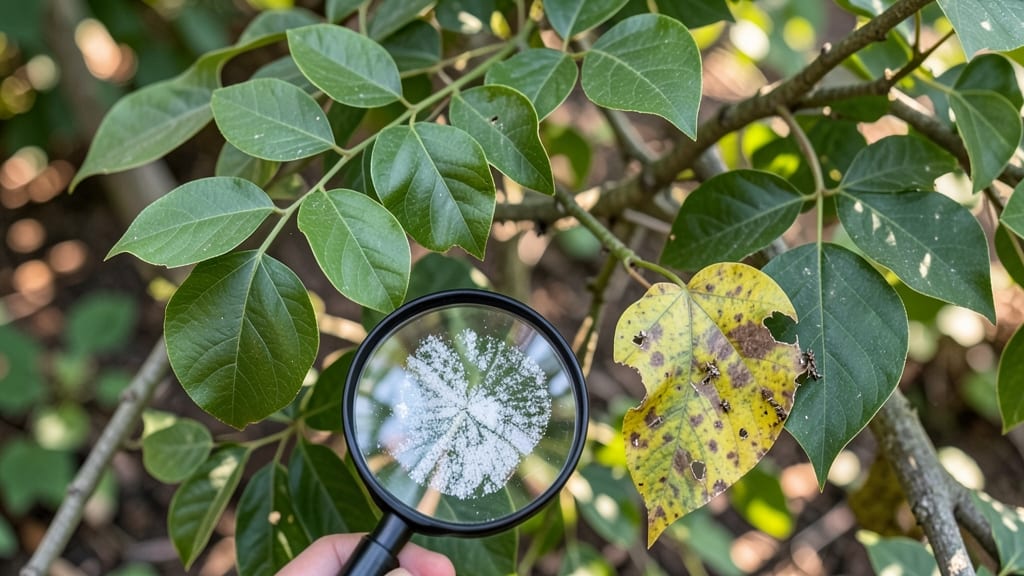
Your wisteria’s leaf problems—those crispy, brown-edged leaves—aren’t just unsightly—they’re a cry for help. 🌿 After years of struggling with the same issue, I discovered copper spray transforms these sad, brittle leaves back into lush, vibrant green within weeks.
The key? Identifying whether your wisteria’s suffering from fungal infections, pest damage, or environmental stress before treating it.
Most crispy edges come from fungal diseases like powdery mildew or bacterial leaf spot, which thrive in humid summers. Spider mites and aphids also cause similar damage by sucking plant juices, leaving leaves dry and papery.
Even nutrient deficiencies—like too little iron or magnesium—can mimic these symptoms, so don’t jump to treatments until you’ve ruled out the cause.
Once you’ve diagnosed the issue, copper spray becomes your secret weapon. For fungal problems, a weekly application of homemade copper fungicide (1 teaspoon copper sulfate per gallon of water) stops the spread and revives leaves in 2-3 weeks.
Pair it with proper pruning to improve airflow, and your wisteria will bounce back stronger than ever.
This method works for both established vines and young plants, and the best part? You’ll see results before your neighbors even notice their wisterias are struggling. The crispy edges will soften, new growth will emerge, and your vine will look like it just got a spa day.
Let’s get those leaves thriving again!
Root Causes Of Leaf Issues
Wisteria vines may develop unsightly leaf problems due to a mix of environmental stressors, pests, and cultural mismanagement. Understanding the underlying causes is the first step toward restoring your plant’s health—and preventing future damage.
Below, we break down the most common triggers for wisteria leaf distress, including fungal infections, nutrient deficiencies, and physical damage.
Fungal pathogens thrive in moist, shaded conditions and can quickly turn lush wisteria leaves into crispy, discolored messes. Here’s how they strike:
- Powdery Mildew (Erysiphe spp. or Sphaerotheca spp.): - Why it happens: This fungal disease loves warm, humid weather (70–85°F) with poor air circulation.
It spreads via windborne spores, coating leaves in a white, powdery film that blocks sunlight and stunts growth. - Leaf symptoms: Yellowing, curling, or brown crispy edges, often starting on the upper leaves first. - Actionable fix: Prune for airflow, avoid overhead watering, and apply copper fungicide (like copper sulfate or copper hydroxide) at the first sign of fuzz.
- Anthracnose (Colletotrichum spp.): - Why it happens: This fungus thrives in wet foliage and attacks stressed plants.
It enters through leaf wounds or natural openings (stomata), causing dark, sunken lesions. - Leaf symptoms: Dark brown/black spots with yellow halos, leading to premature leaf drop and crispy edges. - Actionable fix: Remove infected leaves immediately, improve drainage, and spray with copper-based fungicides (e.g., Bordeaux mixture).
- Leaf Spot Diseases (Septoria or Cercospora): - Why it happens: Overhead irrigation or frequent rain creates the perfect breeding ground for these fungi.
They exploit weak leaves, causing necrotic (dead) spots that expand and crisp. - Leaf symptoms: Small dark spots with feathery edges, often surrounded by yellowing. - Actionable fix: Water at the base, not the leaves, and apply copper fungicide every 7–10 days during wet seasons.
Wisteria leaves may develop crispy edges or unusual discoloration when they’re starved of essential nutrients. Soil imbalances or poor root health are usually to blame.
- Potassium Deficiency (K): - Why it happens: Potassium regulates water and nutrient movement in plants.
A deficiency (often seen in sandy or acidic soils) causes leaves to lose turgor pressure, leading to brown, brittle edges. - Leaf symptoms: Scorched-looking edges, curling, and weak stems. - Actionable fix: Apply potassium sulfate or wood ash (for acidic soils) and ensure balanced fertilization (e.g., 10-10-10 NPK ratio).
- Magnesium Deficiency (Mg): - Why it happens: Magnesium is crucial for chlorophyll production.
If soil is too alkaline or lacks organic matter, older leaves turn yellow between veins (interveinal chlorosis) before crisping. - Leaf symptoms: Yellow patches that progress to brown, crispy edges on mature leaves. - Actionable fix: Add Epsom salt (magnesium sulfate) to soil or foliar spray (1 tbsp/gallon water).
- Iron Chlorosis (Fe): - Why it happens: In alkaline soils (pH > 7.5), iron becomes unavailable, even if present.
This disrupts chlorophyll, causing leaves to bleach and crisp from the edges inward. - Leaf symptoms: Yellow leaves with green veins, followed by brittle, papery texture. - Actionable fix: Lower soil pH with sulfur or peat moss, and apply chelated iron supplements.
Sap-sucking insects like spider mites, aphids, and scale can drain nutrients from wisteria leaves, leaving them weak and prone to crisping.
- Spider Mites (Tetranychus spp.):
- Why it happens: These microscopic pests thrive in dry, hot conditions and pierce leaves to suck sap, causing stippling (tiny white/yellow dots) that expand into brown, crispy patches.
- Leaf symptoms: Silvery webbing on undersides, followed by bronzing and brittleness.
- Actionable fix: Blast leaves with water to dislodge mites, then spray neem oil or horticultural oil.
- Aphids (Aphis spp.):
- Why it happens: These soft-bodied insects cluster on new growth, injecting toxins that curl and distort leaves, making them susceptible to fungal infections.
- Leaf symptoms: Sticky honeydew residue, black sooty mold, and yellowing/crispy tips.
- Actionable fix: Introduce ladybugs or spray soapy water (1 tsp mild soap per quart of water).
- Scale Insects (Diaspididae):
- Why it happens: These armored pests smother leaves with waxy shells, blocking sunlight and causing yellowing and crisping as the leaf tissue dies.
- Leaf symptoms: Bumpy, brown/white spots that don’t wipe off easily.
- Actionable fix: Scrape off scales with a soft brush, then treat with horticultural oil.
Wisteria leaves are tough, but extreme conditions can push them over the edge—literally.
- Overwatering or Poor Drainage: - Why it happens: Waterlogged roots starve leaves of oxygen, causing root rot (Phytophthora or Pythium).
Leaves turn yellow, then brown and crisp as the plant suffocates. - Leaf symptoms: Wilting despite wet soil, blackened stems, and mushy roots. - Actionable fix: Improve drainage with gravel or sand, and avoid watering until the top 2 inches of soil are dry.
- Underwatering or Drought Stress:
- Why it happens: Wisteria roots are deep, but prolonged drought forces leaves to lose moisture rapidly, leading to edge scorching (like a "fried" look).
- Leaf symptoms: Crispy, papery edges, wilting, and dropped leaves.
- Actionable fix: Deep-water 1–2 times per week (1–2 inches per session) and mulch to retain moisture.
- Temperature Extremes:
- Why it happens: Frost damage (below 28°F) or heat stress (above 95°F) can burn leaf edges, causing them to turn brown and brittle.
- Leaf symptoms: Sudden browning along leaf margins, often with a papery texture.
- Actionable fix: Protect young vines with row covers in winter, and provide afternoon shade in scorching climates.
- Wind or Physical Damage: - Why it happens: Strong winds tear leaves, exposing them to sun scorch or fungal entry points.
Hail or rough pruning can also cause crispy, jagged edges. - Leaf symptoms: Ragged, uneven browning along leaf margins. - Actionable fix: Prune vines to reduce wind exposure, and apply anti-transpirant spray to protect damaged leaves.
Pro Tip 💡: If your wisteria leaves are crispy but otherwise green, check for copper deficiency—a common issue in organic soils. Apply copper fungicide (like TriBasic Copper) as both a nutrient boost and fungal preventative!
Fixing Wisteria Leaf Woes
Wisteria leaves are stunning when healthy, but those crispy, brown edges or unsightly spots can be a gardener’s nightmare. The good news? Most issues have simple, effective fixes—whether you’re dealing with fungal infections, nutrient deficiencies, or environmental stress.
Below, we’ll break down the cause-to-solution map so you can revive your wisteria’s lush, vibrant foliage. Plus, we’ll share prevention tips to keep those leaves looking their best for years to come.
If your wisteria leaves are covered in white powder, dark spots, or rusty patches, a fungal infection is likely the culprit. These thrive in humid, poorly ventilated conditions, but they’re treatable!
🔥 Step 1: Prune for Better Airflow
Fungus loves crowded spaces. Remove any heavily infected leaves or stems (wear gloves!) and thin out dense growth to improve airflow. Focus on:
- Dead or dying branches (cut back to healthy wood).
- Overlapping vines that trap moisture.
> 💡 Pro Tip: Prune in the morning so the cuts dry quickly—this reduces fungal spores from lingering on fresh wounds.
🍳 Step 2: Apply Copper-Based Fungicide
Copper spray is a powerhouse for fungal issues. Here’s how to use it: 1. Choose the right product: Look for copper fungicide (like copper sulfate or copper hydroxide).
Follow label instructions for dilution. 2. Spray thoroughly: Coat both sides of leaves and stems, especially undersides where spores hide. 3. Reapply as needed: Spray every 7–14 days until the issue clears (usually 2–3 treatments).
> ⚠️ Warning: Avoid spraying on hot days (over 90°F/32°C) or when rain is forecasted within 24 hours—it can burn leaves or wash off.
🌡️ Step 3: Adjust Growing Conditions
Fungus thrives in wet, shady spots. To prevent recurrence:
- Space plants 3–5 feet apart for airflow.
- Water at the base (not overhead) to keep leaves dry.
- Avoid mulching too close to the trunk (leave a 6-inch gap).
If your wisteria leaves are yellowing between veins (chlorosis) or developing brown, brittle edges, it’s likely a nutrient issue—most commonly iron, magnesium, or nitrogen deficiency.
🔪 Step 1: Test Your Soil
Before guessing, test your soil’s pH and nutrient levels (a simple home test kit works). Wisteria prefers:
- pH: 6.0–7.5 (slightly acidic to neutral).
- Well-draining, fertile soil rich in organic matter.
> 💡 Pro Tip: If your soil is too alkaline (pH >7.5), chelated iron (like Iron Chelate) is the fastest fix for yellowing leaves.
👨🍳 Step 2: Fertilize Smartly
Depending on the deficiency:
| Symptom | Likely Deficiency | Solution |
|---|---|---|
| Yellow leaves (new growth) | Nitrogen | Balanced fertilizer (10-10-10) in spring. |
| Yellow between veins | Iron/Magnesium | Chelated iron (for iron) or Epsom salt (1 tbsp/gallon of water, spray leaves). |
| Purple stems/leaves | Phosphorus | Bone meal or phosphorus-rich fertilizer. |
> ✨ Bonus: For crispy edges, try a foliar spray of seaweed extract—it boosts overall plant health and reduces stress.
🌱 Step 3: Improve Soil Health Long-Term
- Add compost (2–3 inches) around the base in early spring.
- Mulch lightly (1–2 inches) to retain moisture and nutrients.
- Avoid over-fertilizing—wisteria is a light feeder; too much nitrogen can cause leaf burn.
If leaves are brown and crispy on the edges (but no spots or powdery residue), environmental factors like sun scorch, wind, or drought are likely to blame.
🌿 Step 1: Shield from Harsh Conditions
- Morning sun is safer than afternoon heat—consider partial shade (especially in hot climates).
- Windbreaks (like a fence or trellis) can protect delicate vines.
- Deep watering (1–2 inches per week) prevents drought stress.
💧 Step 2: Hydrate Properly
- Water deeply (not just a quick sprinkle) to encourage deep root growth.
- Mulch with straw or wood chips to retain moisture.
- Avoid wetting leaves if possible (to prevent fungal hitchhikers).
🎯 Step 3: Adjust Pruning for Resilience
- Trim back leggy growth to encourage denser, bushier vines (which handle stress better).
- Prune in late winter/early spring to avoid stressing the plant during extreme weather.
Once you’ve fixed the problem, keep it from coming back with these easy maintenance habits:
- ✅ Prune regularly (2–3 times a year) to improve airflow and sunlight penetration.
- ✅ Monitor for pests (aphids, spider mites) that weaken leaves—neem oil is a great organic deterrent.
- ✅ Rotate copper sprays with baking soda spray (1 tsp baking soda + 1 quart water + a drop of dish soap) for mild fungal prevention.
- ✅ Avoid overhead watering—use drip irrigation or a soaker hose instead.
- ✅ Feed lightly—wisteria doesn’t need heavy fertilizer; compost + occasional balanced fertilizer is enough.
With these targeted fixes, your wisteria should bounce back with glossy, healthy leaves in no time. And with a little preventive care, you’ll enjoy those romantic purple blooms for seasons to come! 🌸
Frequently asked questions
Why do my wisteria leaves develop crispy brown edges even when I water regularly?
Crispy edges often signal nutrient deficiencies (like potassium or magnesium) or environmental stress. Check for underwatering—wisteria roots need deep watering 1-2 times weekly—or sun scorch from afternoon heat. Try mulching and providing afternoon shade if needed.
Is copper spray safe to use if my wisteria has yellow leaves between the veins?
Yes! Copper spray helps with fungal issues AND can address iron/magnesium deficiencies (common in alkaline soils). For yellowing between veins, combine copper spray with Epsom salt foliar spray (1 tbsp/gallon water) every 2 weeks. Test soil pH first—wisteria prefers 6.0-7.5.
How often should I prune wisteria to prevent fungal leaf problems?
Prune 2-3 times yearly: late winter (for shape), after flowering (to encourage blooms), and summer (to improve airflow). Always remove dead/diseased branches first. Prune in morning to help cuts dry faster and reduce fungal spores.
Can I use baking soda spray instead of copper fungicide for wisteria?
Yes! A baking soda spray (1 tsp baking soda + 1 quart water + drop of dish soap) works for mild fungal issues like powdery mildew. Spray every 7-10 days during humid weather. For severe infections, rotate with copper spray. Avoid using baking soda on alkaline soils—it can worsen deficiencies.
What’s the fastest way to tell if my wisteria’s crispy leaves are from pests or disease?
Check the leaf undersides: Pests (like spider mites) leave webbing or tiny dots, while disease shows spots, powdery residue, or sunken lesions. Tap leaves over white paper—tiny bugs = pests. For disease, look for yellow halos around brown spots.