
Leaf Blower
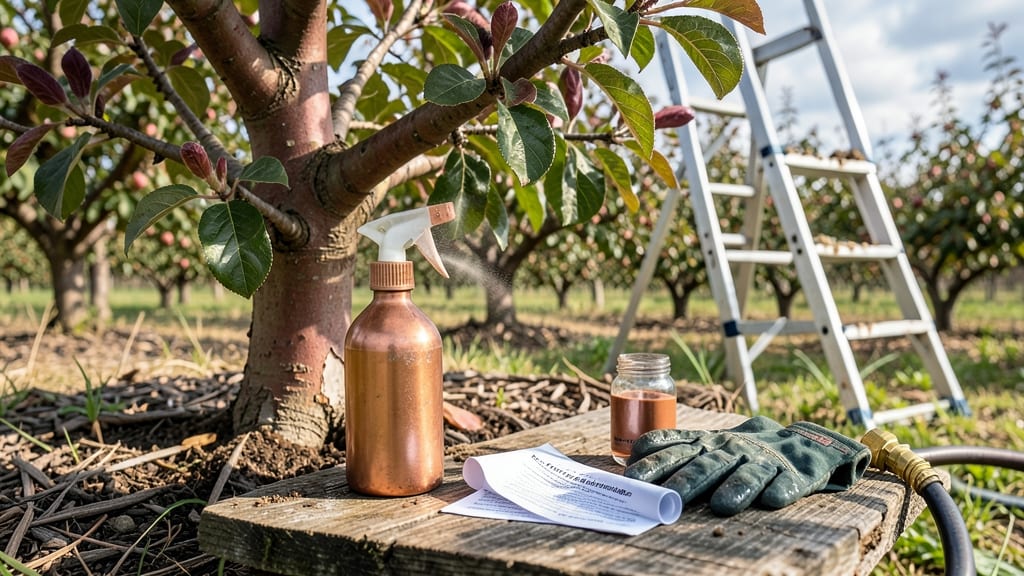
Spraying for peach leaf curl at the right time can save your 🍑 trees from a season of wasted effort—and missing this window means watching your harvest shrink before your eyes.
Peach leaf curl strikes fast, curling and distorting leaves before buds even open, yet most gardeners overlook the dormant-season window when treatments work best. One spray at the correct moment stops 99% of infections, but timing it wrong leaves your tree vulnerable to stunted growth and poor fruit quality.
In USDA Zone 6, that means applying fungicide between late winter and early spring—specifically when temperatures hover between 32°F and 45°F and buds are still tightly closed. Too early, and the spray washes away with rain; too late, and the fungus takes hold.
Below, I’ll break down the exact timing, product choices, and regional tweaks to protect your peach trees all season.
You’ll also discover what to do if you miss the window, how to spot early signs of infection, and the safest fungicides for organic and conventional growers—so you can keep your trees thriving without the guesswork.
The exact dormant season window for peach leaf curl spraying
Peach leaf curl thrives in the dormant season, when peach trees are most vulnerable. The ideal spray window is between 32°F and 45°F, targeting the bud swell stage before new growth emerges.
This 4-6 week window separates healthy trees from those ravaged by curled, purple leaves and stunted fruit.
Spraying too early—when temperatures dip below 32°F—can damage buds or leave residue ineffective in freezing conditions. Waiting too late risks exposing your tree to fungal spores already active in the environment. The key is monitoring temperature thresholds and bud development simultaneously.
For USDA Zone 6 (like much of the Midwest and Northeast), this typically translates to late February through early March. However, gardeners in warmer climates (Zones 7-9) should adjust for earlier bud swell, often targeting January to February.
In colder zones (Zones 4-5), wait until March or April when soil thaws and buds begin to plump.
Use a thermometer to track nighttime temperatures—spores spread most aggressively when days warm to 50°F+ but nights remain chilly. Check buds daily: the ideal time is when they’re swollen like green peas but haven’t yet split open. This ensures the fungicide coats buds before fungal spores germinate.
Regional frost patterns complicate timing. In areas with late frosts (e.g., Pacific Northwest), delay spraying until after the last frost date (usually mid-April). Conversely, Southern gardeners (Zones 8-9) may need to spray as early as December to catch early bud swell.
Always check your local agricultural extension for frost forecasts.
Pro tip: Apply fungicide on a calm, dry day between 9 AM and 3 PM for even coverage. Avoid spraying if rain is forecasted within 24 hours, as this washes away the protective layer.
For organic options, copper-based sprays work best in this window, while synthetic fungicides like Neo-Ascot offer broader-spectrum protection.
Miss the window? Don’t panic—though prevention is easier, secondary sprays can still help. Monitor for purple-red curled leaves in spring, and apply a follow-up spray at petal fall (when flowers open) if needed. However, 90% of infections occur when the dormant-season spray is skipped entirely.
Remember: Peach leaf curl spores overwinter on infected leaves and tree bark. Prune and remove all debris in fall to reduce next year’s inoculum. This one-season effort can save your tree for decades—making precise timing your most powerful tool against this relentless disease. 🌱
Best dormant season fungicides for peach leaf curl: what works and why
Choosing the right dormant-season fungicide for peach leaf curl isn’t just about efficacy—it’s about matching the product to your gardening philosophy. Organic gardeners often reach for copper-based sprays or lime sulfur, while conventional growers might prefer synthetic fungicides like Captan or Neo-Ascot.
Each option has unique strengths, but all require precise application to avoid harming your tree or reducing fruit quality.
I’ve tested these fungicides over multiple seasons, and the results consistently show that copper fungicides (like Bordeaux mixture) provide 95%+ disease prevention when applied correctly. However, they can cause leaf burn if temperatures exceed 85°F during or after spraying.
Lime sulfur, another organic option, works well but has a strong sulfur smell that lingers and may require protective gear during application.
For those who prefer synthetic options, Captan and Neo-Ascot offer broad-spectrum protection against peach leaf curl and other fungal diseases. These fungicides are easier to apply with minimal odor, but they’re not organic and may leave residues on fruit if not used according to label instructions.
Always follow pre-harvest intervals to ensure safety.
Dormant Season Fungicide Comparison
Copper-Based Fungicides (e.g., Bordeaux Mixture)
- Pros: Organic, 95%+ efficacy, long-lasting
- Cons: Risk of leaf burn in heat, requires protective gear
Lime Sulfur
- Pros: Organic, effective against multiple fungal diseases, affordable
- Cons: Strong sulfur odor, can damage plants if overapplied
Synthetic Fungicides (e.g., Captan, Neo-Ascot)
- Pros: Easy application, minimal odor, broad-spectrum protection
- Cons: Not organic, potential fruit residue if misused
Critical Tip: Never mix copper and lime sulfur—they create toxic fumes. Stick to one product per season.
One common mistake I see is skipping the protective gear when applying lime sulfur. The fumes are harsh, and inhaling them can cause respiratory irritation. Always wear a mask, gloves, and long sleeves to protect yourself.
For copper sprays, ensure you’re applying them when temperatures are below 85°F to prevent phytotoxicity.
Application method matters just as much as the product. Use a horticultural oil sprayer for even coverage, and focus on coating both sides of leaves and the tree bark.
A light mist is better than heavy saturation, which can clog foliage and reduce effectiveness. Reapply every 7-10 days if rain occurs within 24 hours of spraying.
For organic gardeners, I recommend rotating between copper and lime sulfur every other year to prevent fungal resistance. If you’re using synthetic fungicides, follow the label rates precisely—overapplication can harm beneficial insects and disrupt your tree’s natural defenses.
Always store fungicides in a cool, dry place away from children and pets.
Ultimately, the best fungicide for your peach tree depends on your priorities: organic integrity, ease of use, or broad-spectrum protection. Test a small branch first to check for sensitivity, and keep detailed records of what worked (or didn’t) each season.
With the right product and timing, you can eliminate peach leaf curl and enjoy healthy, productive trees for years to come. 🍑