
Fertilization
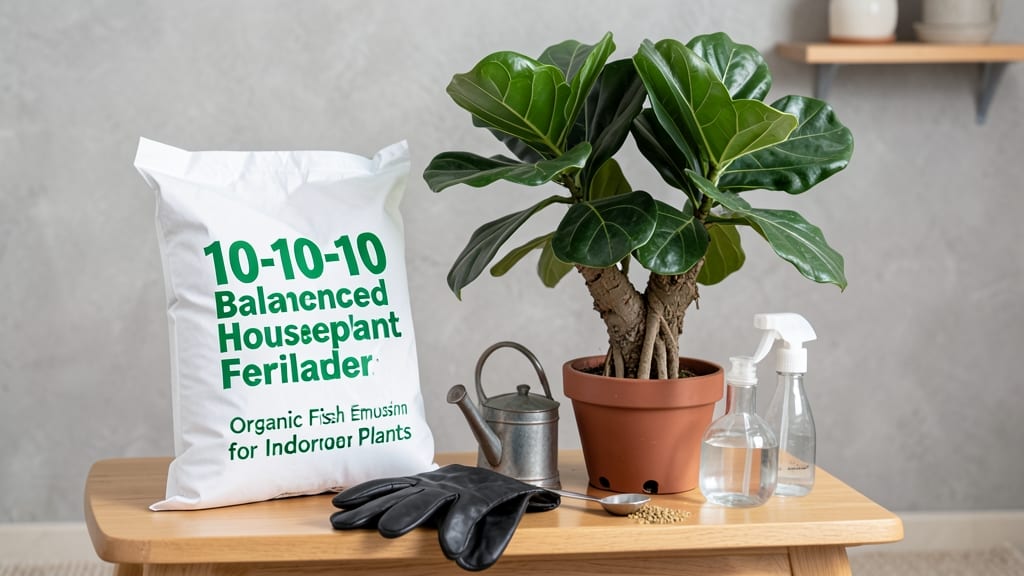
To fertilize a fiddle leaf fig at the right time means catching it when it’s ready to grow — not too early, not too late, but right when it needs that nutrient boost to keep its 🌿 leaves lush and vibrant.
Picture this: You’ve just pruned your fiddle leaf fig after a long winter, and new growth is peeking out like tiny green promises. That’s your cue — fertilizing too soon can stress the plant, while waiting too long means missing the growth window entirely.
Getting the timing right is the difference between a thriving houseplant and one that struggles to keep up.
Most gardeners fertilize their fiddle leaf figs in early spring and again in mid-summer, when the plant is actively pushing out new leaves and branches. But here’s the catch: overdoing it can lead to salt buildup in the soil, which actually harms the roots.
The key is balancing frequency with the plant’s natural rhythms, so you’re feeding it just enough to support growth without overwhelming it.
In this guide, you’ll learn the exact seasonal schedule for fertilizing your fiddle leaf fig, how to spot signs it’s hungry for nutrients, and when to pause completely to let it rest.
By the end, you’ll have a clear plan to keep your plant happy, healthy, and reaching for the sky.

Best seasons to fertilize fiddle leaf fig for maximum growth
Timing your fiddle leaf fig’s fertilizer applications is like hitting a sweet spot—too early, and you’re wasting nutrients; too late, and your plant misses critical growth spurts. The key lies in understanding how your plant’s growth cycles align with seasonal light changes and indoor environmental shifts.
Unlike outdoor plants, fiddle leaf figs don’t experience true dormancy, but their metabolic slowdown in winter months signals when to pause fertilization entirely.
Fiddle leaf figs thrive on a spring-to-fall feeding schedule, mirroring their natural growth patterns. In spring, they wake up from their winter rest and need nutrients to fuel new leaf production.
By summer, they’re in full growth mode but may need lighter feeding to prevent stress from heat. The fall transition is when you taper off, preparing them for their indoor "winter nap."
Here’s the seasonal fertilization breakdown you need to keep your fiddle leaf fig lush and healthy year-round:
The spring feeding window (March-May) is your plant’s growth kickstart. As indoor light levels increase, your fiddle leaf fig responds by producing new leaves—this is when you should apply a balanced fertilizer (like 10-10-10) every 4 weeks.
Think of it as giving your plant a vitamin shot to build strong stems and vibrant foliage before summer’s heat arrives.
Summer (June-August) demands a lighter touch. While your fiddle leaf fig may still look active, the high indoor temperatures can stress roots, making them more susceptible to fertilizer burn. Switch to a diluted fertilizer every 6-8 weeks, or use slow-release granules to avoid overloading the soil.
The goal shifts from growth to maintenance—keeping existing leaves healthy rather than pushing new growth.
Fall (September-November) is when you should completely pause fertilization. As daylight hours shorten, your fiddle leaf fig naturally slows its growth. Continuing to feed during this time can lead to nutrient buildup in the soil, which may harm roots when combined with reduced watering.
This is your plant’s chance to rest and store energy for next year’s growth spurt.
Winter (December-February) is the absolute no-fertilizer zone. Many gardeners mistakenly fertilize during this time, thinking their indoor plants need extra care. However, the lack of natural light means your fiddle leaf fig is in a metabolic slowdown—similar to how outdoor plants hibernate.
Feeding during dormancy can cause root damage and even leaf drop. Instead, focus on minimal watering and maintaining consistent humidity levels.
Pro tip: If your fiddle leaf fig shows signs of new growth in winter (uncommon but possible with supplemental grow lights), you can give it a very light feeding in late winter (February).
But this is the exception, not the rule. Always check for yellowing leaves or leaf drop—these are clear signals to pause fertilization immediately.
Understanding these seasonal cues transforms fertilization from a guessing game to a precision science. Your fiddle leaf fig will reward you with glossy, vibrant leaves and robust growth when you align your care with its natural rhythms.
And remember: less is often more—over-fertilizing is one of the fastest ways to kill a fiddle leaf fig, even with the best intentions.
Signs your fiddle leaf fig needs fertilizer (and when to pause)
Your fiddle leaf fig communicates its needs through subtle (and sometimes not-so-subtle) signs. Yellowing leaves, especially on older growth, often signal a hunger for nutrients like nitrogen or potassium.
Look for slow growth—if new leaves are smaller than usual or take months to appear, your plant is likely craving a nutrient boost. Even brown leaf tips can indicate deficiencies, though they may also stem from underwatering or low humidity.
Another telltale sign is pale or dull foliage. Healthy fiddle leaf figs boast deep, vibrant green leaves. When nutrients are lacking, the leaves lose their luster, becoming almost washed-out.
Pay attention to the soil color too—if it looks exhausted and lacks organic matter, it’s time to feed your plant. These visual cues help you determine whether your fiddle leaf fig needs fertilizer or if another issue, like overwatering, is at play.
⚠️ CALLOUT WARNING ⚠️
⚠️ When NOT to Fertilize Your Fiddle Leaf Fig
Winter months (Dec-Feb): Your plant enters dormancy—fertilizing can burn roots and stress the plant.
After repotting: Wait 4-6 weeks to let roots recover before fertilizing.
If leaves show burn: Yellow or crispy edges mean you’ve overdone it—pause and flush soil with water.
During heatwaves: High temps slow nutrient absorption; reduce feeding to avoid root damage.
If your fiddle leaf fig shows nutrient deficiencies, act quickly but strategically. Start with a balanced liquid fertilizer (like 10-10-10) diluted to half-strength. Apply it to moist soil in early spring or summer when your plant is actively growing.
For organic options, try compost tea or worm castings—these release nutrients gradually and improve soil health without risking burn.
However, overfertilizing is just as harmful as underfeeding. Signs include leaf drop, root burn (visible as blackened roots), or a salty crust on soil. If you notice these, flush the soil with water immediately and hold off on fertilizing for at least 2 months.
Your fiddle leaf fig will thank you with lush, healthy growth when you strike the right balance.
Create a simple seasonal checklist to stay on track. Fertilize every 4-6 weeks during spring and summer, but skip entirely in fall and winter. Monitor your plant’s response after each feeding—adjust frequency or type based on its reaction.
With patience and observation, you’ll master the art of feeding your fiddle leaf fig just enough to thrive.
Remember, less is often more with fiddle leaf figs. They’re sensitive to excess nutrients, so when in doubt, pause and observe. Your plant’s signals will guide you to the perfect feeding schedule, ensuring it stays vibrant and full of life year-round. 🌿