
Leaf Blower
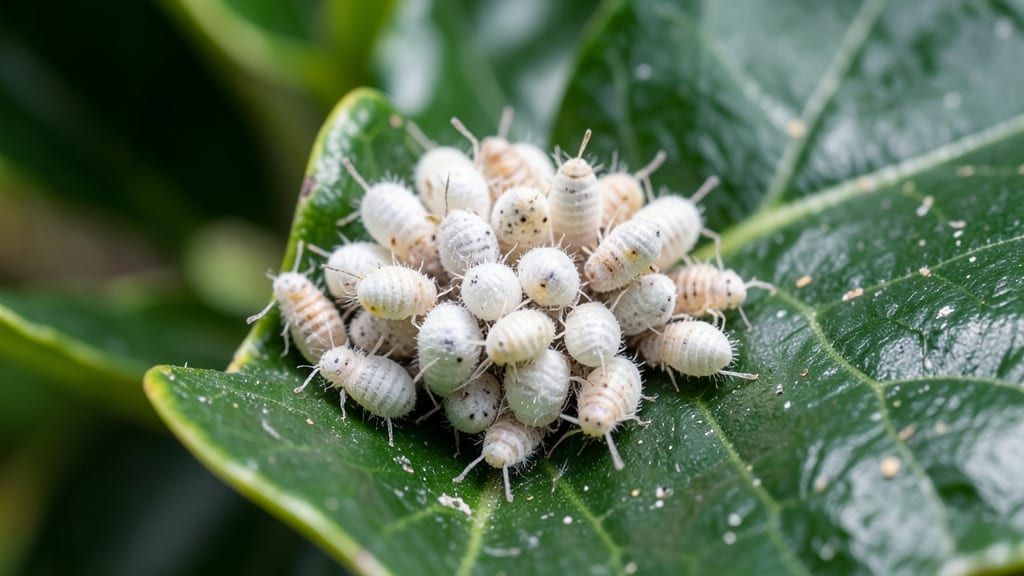
Mealybugs on fiddle leaf figs turn your glossy leaves into sticky, white-crusted messes—fast. 🌿 I’ve battled these fluffy pests myself, and the key to saving your plant isn’t brute force but smart, targeted care that actually works.
These tiny bugs thrive in dry, dusty conditions, so they’re often a sign your fig is stressed. The first clue? Cottony white spots on stems or leaf undersides—like someone dusted your plant with powdered sugar. Left unchecked, they suck sap, causing yellowing leaves, sticky residue (called honeydew), and even mold.
My fig went from lush to limp in weeks before I caught it. The good news? A foolproof organic spray can turn things around in days. You’ll need just three ingredients—dish soap, rubbing alcohol, and water—to create a spray that smothers mealybugs without harming your plant.
Apply it at the right time (early morning or evening), and you’ll see those white pests vanish within 24-48 hours. The secret? Consistency and checking hidden spots where they love to hide.
This method works for all houseplants, not just fiddle leaf figs, and it’s safe for pets too. Once your plant recovers, I’ll show you how to adjust care to keep those pests away for good—because prevention is the real game-changer.
Root Causes of Mealybug Infestations
Mealybugs on your fiddle leaf fig aren’t just random pests—they’re drawn to specific conditions that make your plant a buffet. Understanding these triggers is the first step to stopping them in their tracks.
Below, we break down the why behind these sticky invaders, so you can fix the problem at its source.
Mealybugs thrive when your fiddle leaf fig is stressed or compromised. A healthy plant’s natural defenses—like sticky sap, strong leaves, and a balanced microbiome—can deter pests. But when these defenses weaken, mealybugs move in like uninvited guests at a dinner party.
- Overwatering or Poor Drainage 💦 Soggy soil creates the perfect breeding ground for mealybugs. Excess moisture:
- Softens plant tissues, making them easier to pierce.
- Attracts fungal gnats, which mealybugs feed on (yes, they’re opportunistic eaters!).
- Weakens roots, reducing the plant’s ability to fight off infestations.
- Underwatering or Drought Stress 🌵 Paradoxically, too little water also stresses your fiddle leaf fig. When roots struggle to absorb moisture:
- Leaves become dry and brittle, losing their natural protective waxy coating.
- The plant’s sap thickens, but mealybugs still find weak spots (like new growth) to attack.
- Stress signals (like ethylene gas) can even attract pests, as they sense a struggling host.
- Nutrient Deficiencies 🍃 A lack of nitrogen, phosphorus, or potassium weakens your plant’s immune response. Mealybugs target:
- Yellowing leaves (nitrogen deficiency) – an open invitation for pests.
- Stunted growth (phosphorus deficiency) – slower recovery from damage.
- Brown leaf tips (potassium deficiency) – reduced resilience to infestations.
Pro Tip: 💡 Test your soil’s pH (ideal: 6.1–6.5 for fiddle leaf figs). Alkaline soil (pH >7) can lock out nutrients, making your plant a sitting duck for mealybugs.
Mealybugs aren’t picky—they love warm, humid, and sheltered environments. Your fiddle leaf fig’s natural habitat (tropical forests) mimics these conditions, but when indoor settings get too cozy, pests take over.
- High Humidity (60%+) 🌧️ Mealybugs hate dry air, but they love humidity because:
- It slows down natural predators (like ladybugs or lacewings).
- Their waxy coating retains moisture, helping them survive longer.
- Damp leaves provide a highway for them to spread via cotton-like trails.
- Warm Temperatures (75–85°F) 🔥 Mealybugs are cold-sensitive but thrive in:
- Consistent warmth (they reproduce faster in stable heat).
- Sudden temperature drops (stresses the plant, making it vulnerable).
- Poor airflow (traps heat and moisture near the leaves).
- Low Light or Sudden Shifts 🌑 While fiddle leaf figs tolerate low light, dim conditions weaken them:
- Leggy growth (stretching for light) makes leaves thin and easy to penetrate.
- Sudden light changes (e.g., moving from shade to sun) cause sunburn or stress, opening doors for pests.
Quick Fix: ✨ Use a hygrometer to monitor humidity (aim for 40–50%). Increase airflow with a small fan—mealybugs dislike gentle breezes!
Even the best-maintained fiddle leaf figs can fall prey to mealybugs if you accidentally introduce them.
These pests hitch rides on: - New plants (always quarantine for 2 weeks!). - Contaminated tools (pruners, pots, or soil from infested plants). - Outdoor exposure (bringing in plants from gardens or patios without inspection).
Avoid This Mistake: ❌ Never reuse pots or soil from a previously infested plant without sterilizing (boiling water or 10% bleach solution).
Your fiddle leaf fig’s soil isn’t just dirt—it’s a living ecosystem. When this balance tips, mealybugs move in like squatters.
- Excess Fertilizer (Especially Nitrogen) 💥 Over-fertilizing (especially with synthetic mixes) can:
- Burn roots, reducing nutrient uptake.
- Create a sticky residue on leaves that mealybugs love as a food source.
- Disrupt beneficial microbes that would otherwise compete with pests.
- Lack of Beneficial Microbes 🦠 Healthy soil has **predatory fungi (like Beauveria bassiana) and bacteria that naturally suppress mealybugs. When these are missing (due to harsh chemicals or poor soil quality), pests take over.
Soil Boost Tip:** 🌱 Add compost or worm castings to restore microbial balance. Even a thin layer on top helps!
Mealybugs don’t follow a calendar, but seasonal changes can create perfect storm conditions for them.
- Late Summer to Early Fall 🍁
- Peak growth season for fiddle leaf figs = more sap = more food for mealybugs.
- Warmer nights extend their breeding cycle (they reproduce every 3–4 weeks in ideal conditions).
- Heating Season (Winter) ❄️
- Dry indoor air from furnaces creates stress cracks in leaves.
- Poor ventilation traps heat and humidity near the plant.
Preventative Action: ⏰ Adjust care routines seasonally—reduce watering in winter and increase humidity with a pebble tray.
How to Fix Mealybug Infestations
Now that you know why mealybugs invade your fiddle leaf fig, it’s time to tackle them head-on—without harsh chemicals! These pests are stubborn but beatable with the right approach.
Below, we’ll break down targeted solutions based on the root cause, from manual removal to natural sprays, plus long-term prevention tips to keep your plant thriving.
If you catch mealybugs early (before they spread to the entire plant), physical removal is your best first line of defense.
👨🍳 Step 1: Quarantine the Plant
- Move your fiddle leaf fig away from other houseplants immediately to prevent cross-contamination.
- Place it in a separate room or under a mesh tent if possible.
🔪 Step 2: Wipe Down Leaves & Stems
- Dampen a cotton swab or soft cloth with 70% isopropyl alcohol (or a mix of water + mild dish soap).
- Gently dab each mealybug, ensuring you get the white, cottony eggs too.
- For stubborn clusters, use a toothbrush to scrub crevices where they hide.
🌡️ Step 3: Repeat Daily for 5–7 Days
- Mealybugs reproduce fast—check daily and re-treat until no signs remain.
- Pro Tip: 💡 Wipe leaves with neem oil-diluted water (1 tsp neem oil per 1 cup water) after manual removal to deter regrowth.
If mealybugs have taken over, sprays are your secret weapon. These plant-safe, chemical-free options work by suffocating adults and disrupting their life cycle.
🌿 Option 1: Neem Oil Spray (Best for Heavy Infestations)
Neem oil is a powerhouse—it smothers bugs, repels eggs, and prevents future outbreaks.
How to Make It:
- Mix 1 tbsp neem oil + 1 tsp mild liquid soap + 1 quart water.
- Shake well and transfer to a spray bottle.
- Spray thoroughly (top and bottom of leaves, stems, and soil surface).
- Reapply every 5–7 days for 2–3 weeks.
✨ Pro Tip: 🌡️ For extra potency, add 1 tsp garlic oil (natural insect repellent).
🍋 Option 2: Rubbing Alcohol & Water Spray (Fast-Kill Solution)
A quick-acting spray that dissolves their protective coating.
How to Make It:
- Mix 1 part rubbing alcohol (70% or higher) + 3 parts water.
- Spray directly on mealybugs (avoid oversaturating soil).
- Wipe leaves dry with a paper towel after 10 minutes to prevent leaf burn.
⚠️ Warning: Test on a small leaf first—some fiddle leaf figs are sensitive.
🥗 Option 3: Insecticidal Soap (Gentle but Effective)
A softer alternative to neem oil, great for sensitive plants.
How to Use:
- Buy organic insecticidal soap (like Dr. Bronner’s or Safer Brand).
- Dilute as directed (usually 1–2 tbsp per quart of water).
- Spray until leaves glisten, focusing on infested areas.
- Repeat every 3–5 days until bugs are gone.
Once your fiddle leaf fig is mealybug-free, prevent reinfestation with these long-term strategies:
| Prevention Method | How to Do It | Why It Works |
|---|---|---|
| 🌿 Regular Inspections | Check new leaves, undersides, and stems weekly with a magnifying glass. | Catches bugs before they multiply. |
| 🚿 Wipe Leaves Monthly | Use a damp microfiber cloth to remove dust (mealybugs love hiding in grime). | Reduces hiding spots and improves airflow. |
| 🌱 Quarantine New Plants | Keep new additions separate for 2–4 weeks before introducing them. | Stops hitchhiking pests from spreading. |
| 🍃 Boost Plant Health | Fertilize lightly (over-fertilizing attracts pests) and prune yellow leaves. | Healthy plants resist infestations better. |
| 🌡️ Control Humidity | Use a hygrometer to keep humidity 40–60% (mealybugs thrive in dry air). | High humidity deters their spread. |
- Mild infestations: 1–2 weeks with daily checks.
- Moderate infestations: 3–4 weeks with consistent spraying.
- Severe cases: Up to 6 weeks (may require multiple treatments).
🎯 Final Tip: Patience is key! Mealybugs don’t disappear overnight, but with diligent care, your fiddle leaf fig will bounce back healthier than ever. And once you’ve mastered this, you’ll be unbeatable against future pests!
Frequently asked questions
How do I know if my fiddle leaf fig has mealybugs?
Look for cottony white spots on leaves, stems, or leaf undersides—like someone dusted your plant with powdered sugar. You’ll also spot sticky residue (honeydew) on leaves below infested areas. Check crevices and new growth first, as mealybugs love hiding there.
Can I use vinegar to kill mealybugs on my fiddle leaf fig?
Vinegar can help, but it’s not the best choice for fiddle leaf figs. A 1:1 vinegar-water mix may kill adults, but it can damage leaves and disrupt soil pH. Instead, use neem oil or rubbing alcohol spray—they’re safer and more effective for long-term control.
Why do mealybugs keep coming back after treatment?
Mealybugs reproduce quickly—eggs hatch in 7–10 days, so you must treat every 5–7 days for 3–4 weeks to break their life cycle. Missed spots (like leaf undersides) or untreated soil can harbor survivors. Always quarantine infested plants and sterilize tools.
Is it safe to use essential oils like peppermint or tea tree oil?
Some essential oils (like peppermint or tea tree) can repel mealybugs, but they must be properly diluted (1–2 drops per cup of water) to avoid leaf burn. Test on a small area first—fiddle leaf figs are sensitive. Neem oil is a safer, broader-spectrum option for most infestations.
How do I prevent mealybugs from spreading to other plants?
Isolate your infested fiddle leaf fig immediately and wash your hands after handling it. Clean tools with 70% rubbing alcohol between uses, and avoid placing it near healthy plants. Inspect new plants for 2 weeks before introducing them to your collection.